Why Fall Is the Best Time to Visit Mount Rainier's Nisqually Side
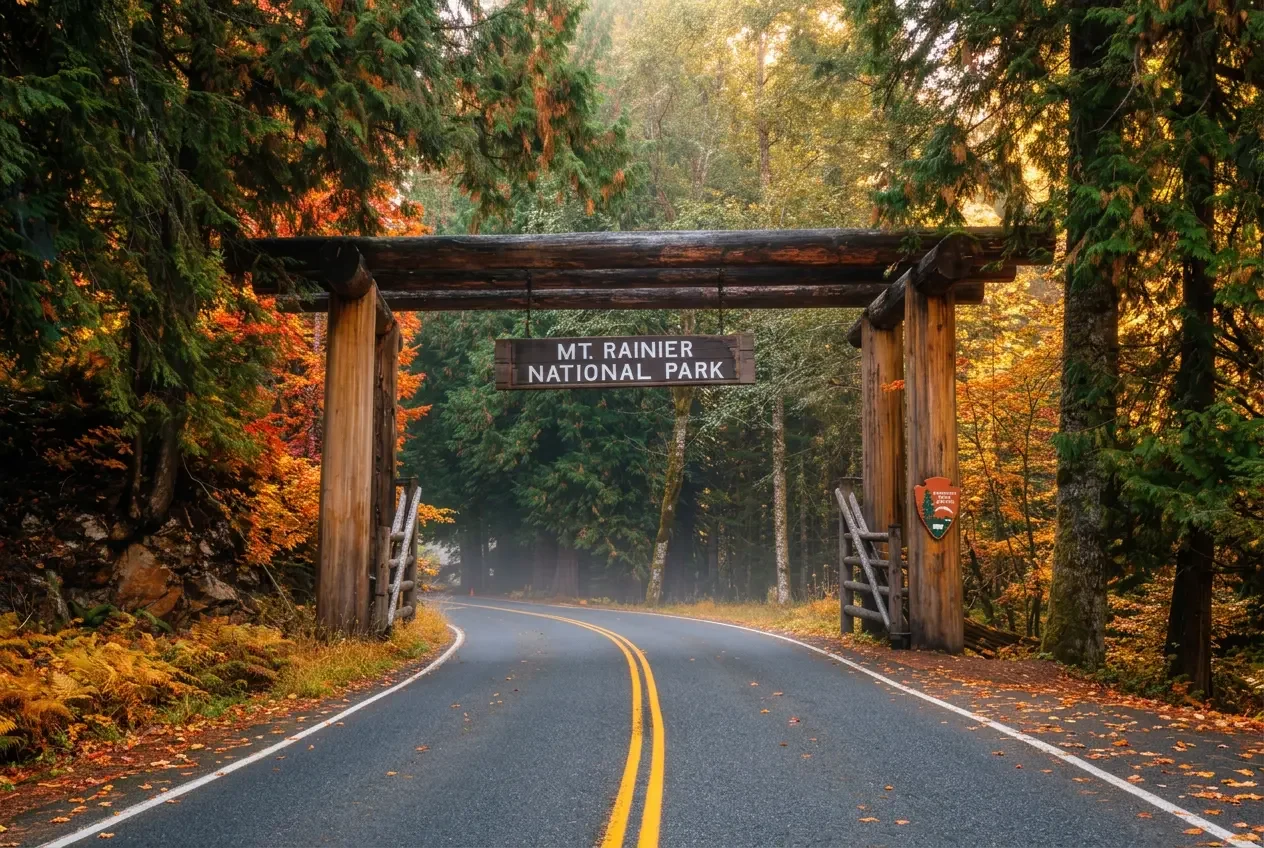
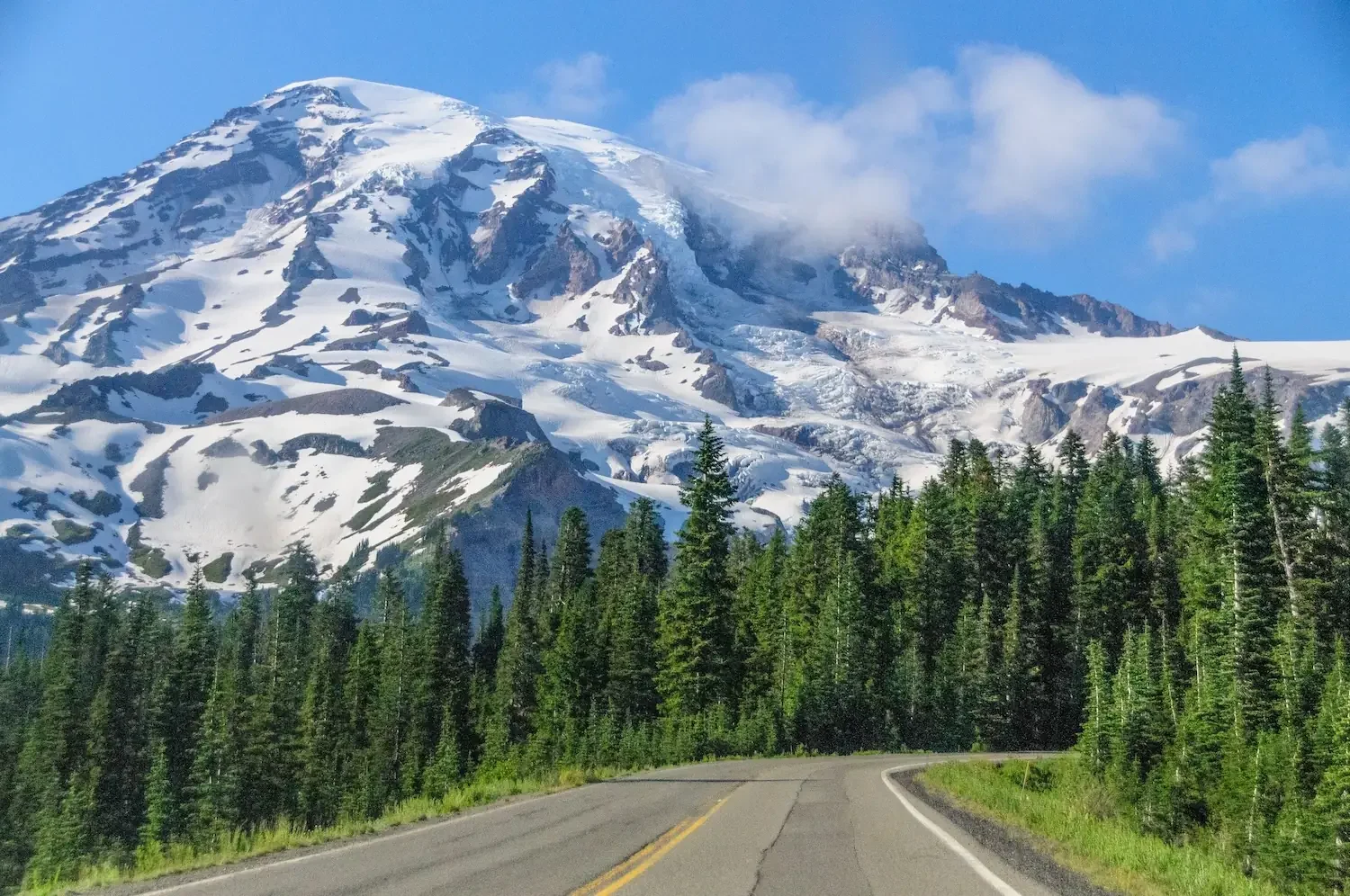
By the third week of September, Mount Rainier solves its own biggest problem. The line at the gate shortens. The Paradise lot stops filling by nine in the morning. Nothing about the mountain gets smaller. Almost everything about visiting it gets easier.
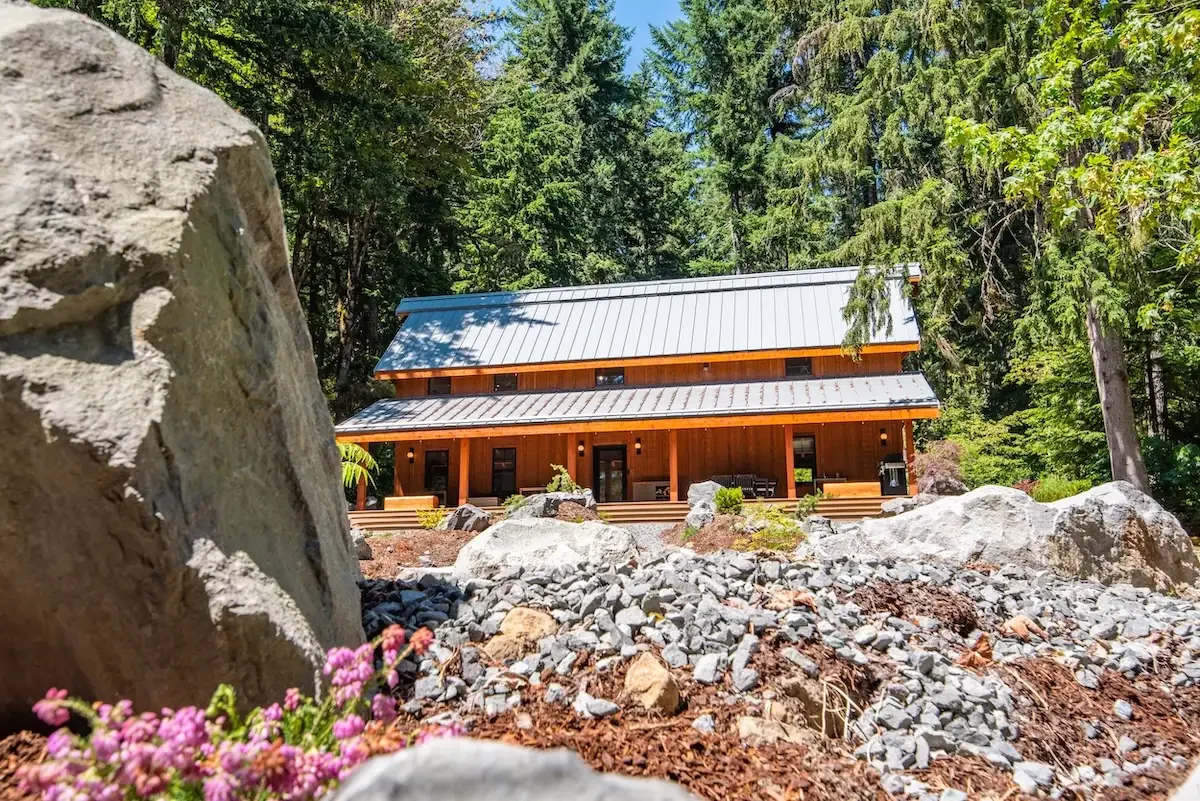
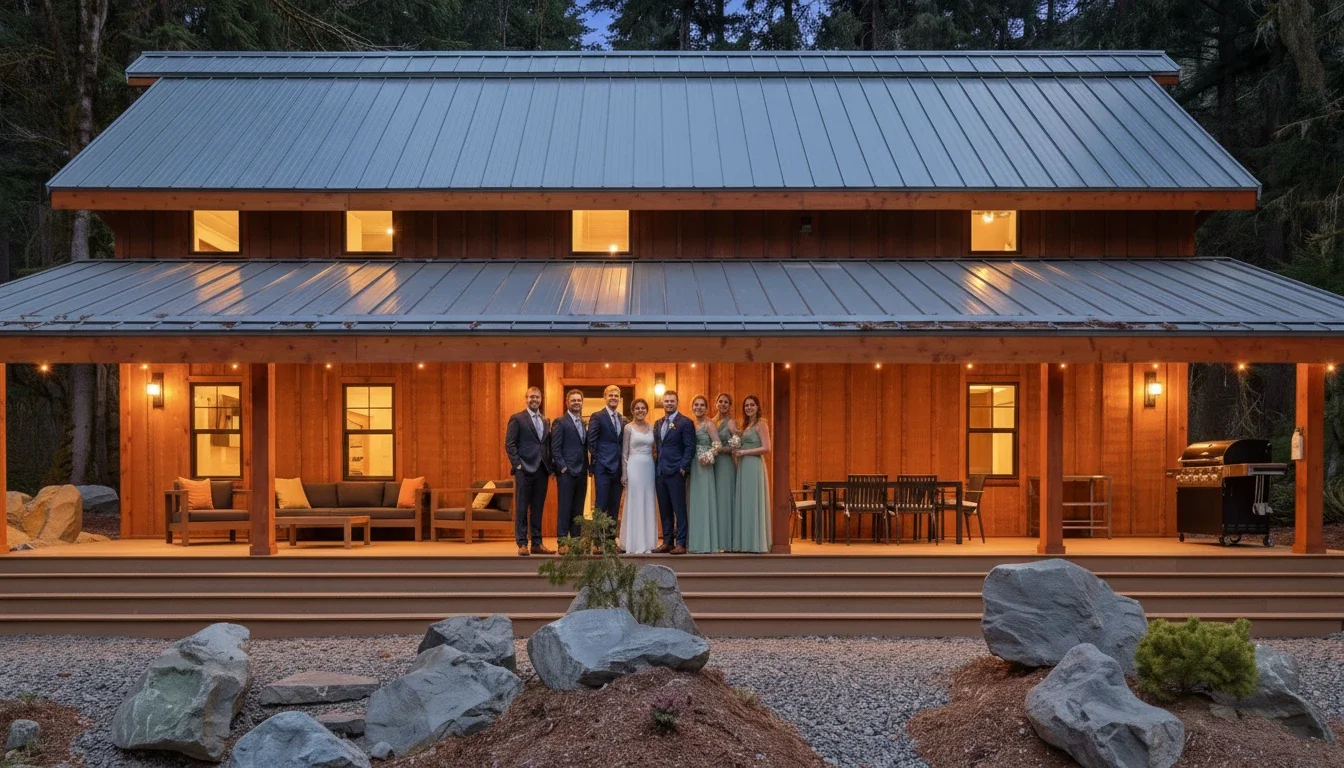
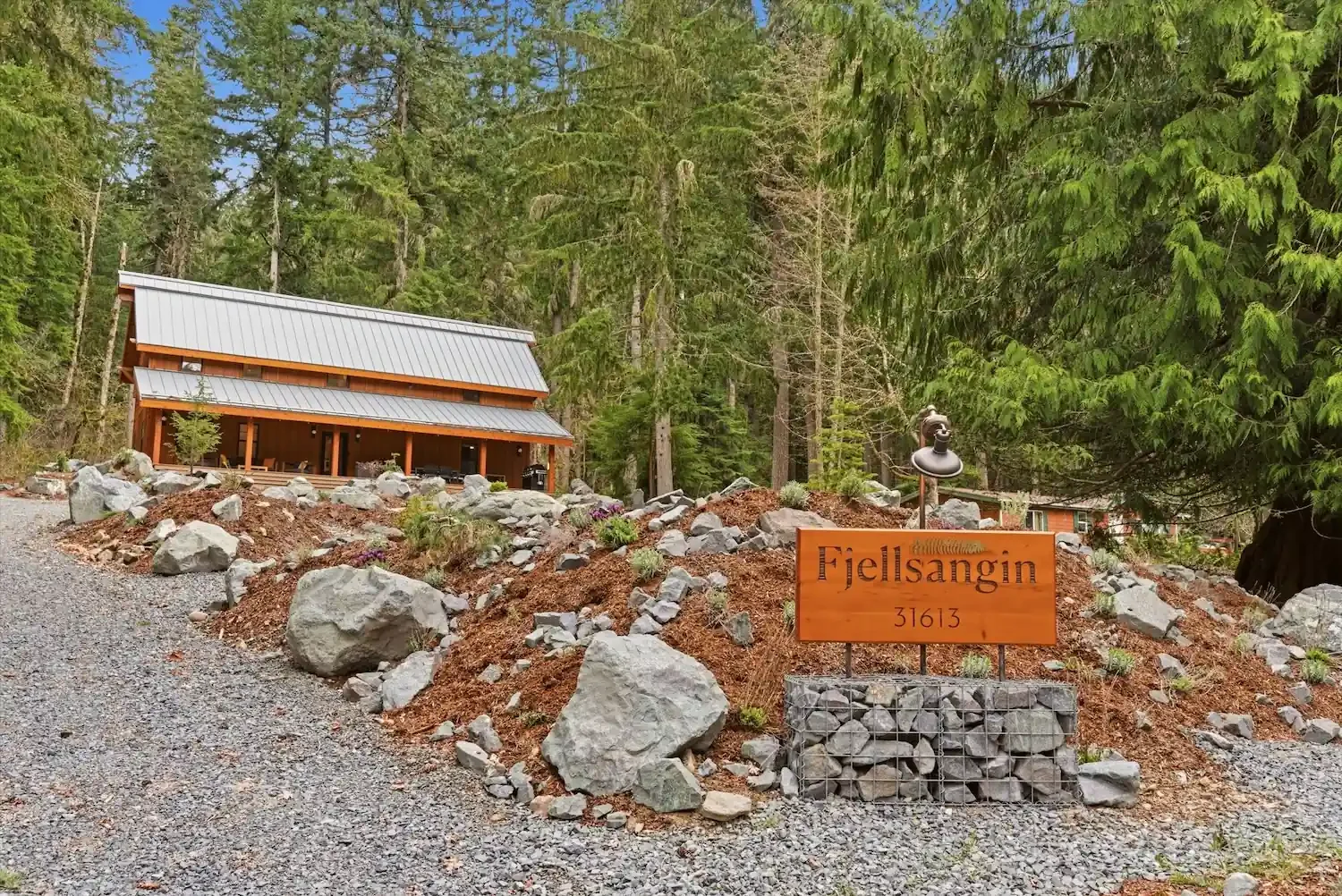
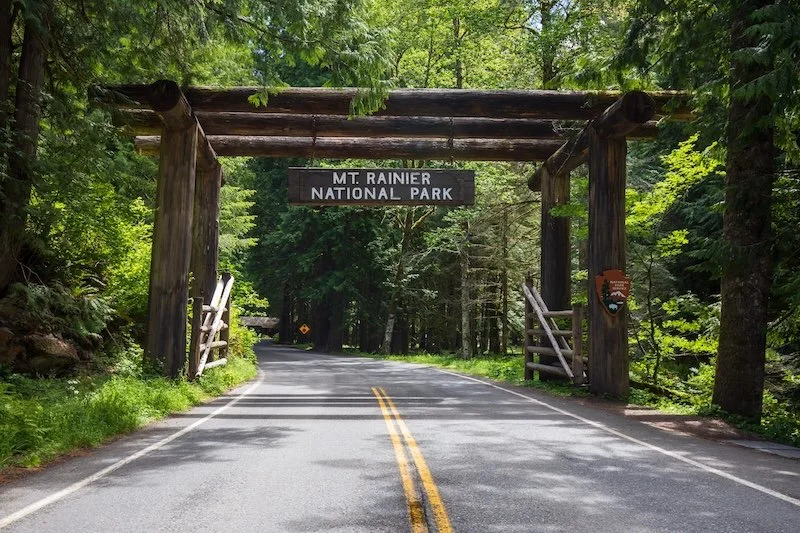
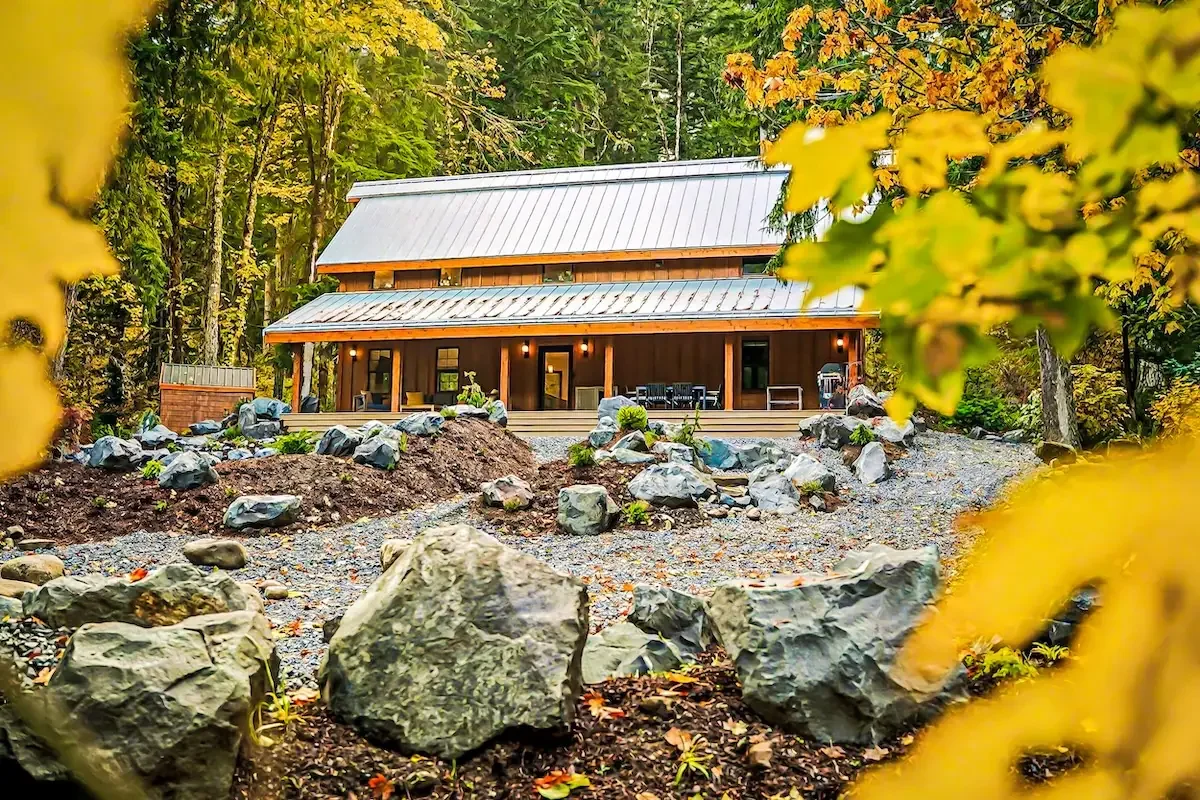
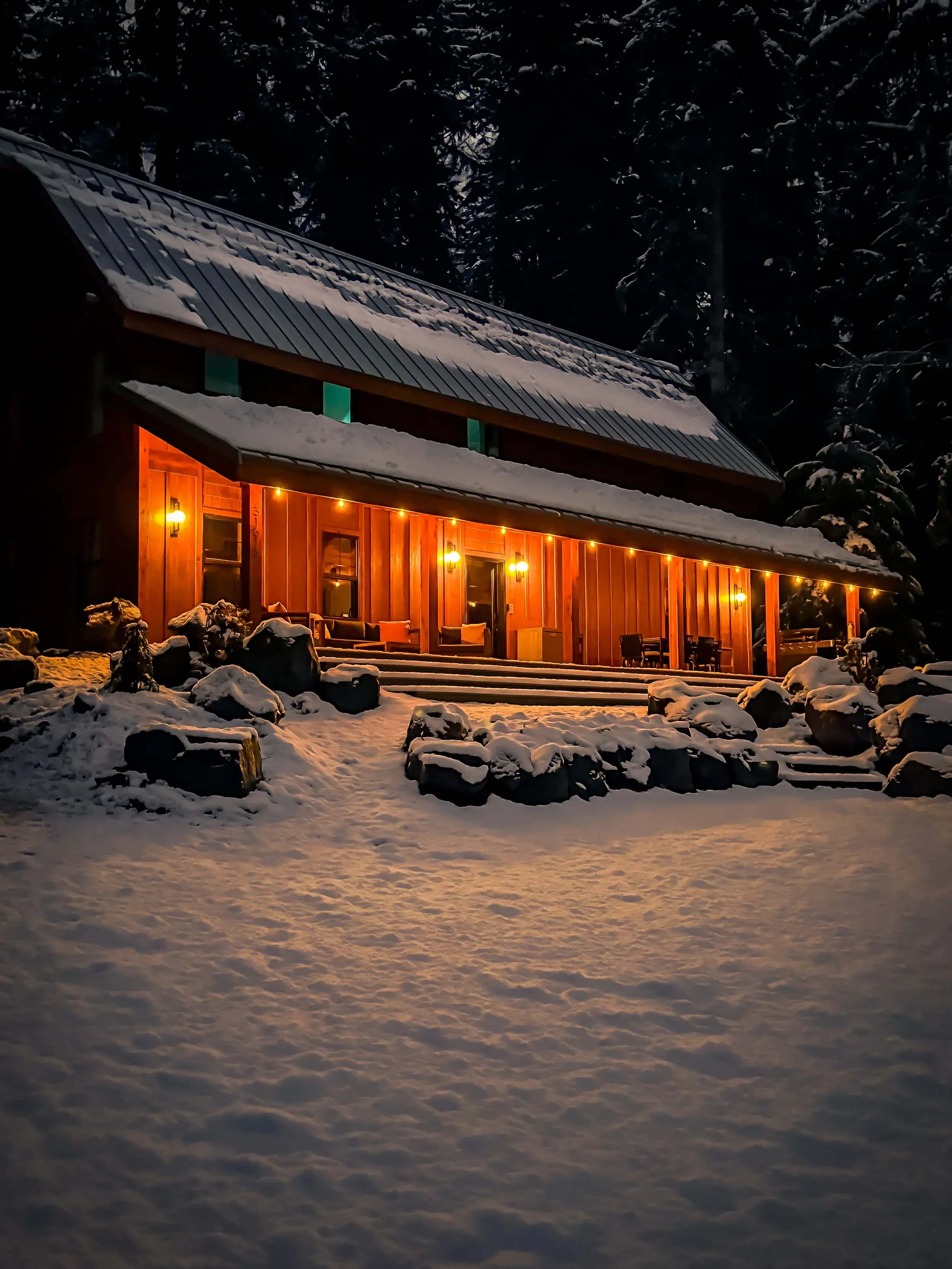
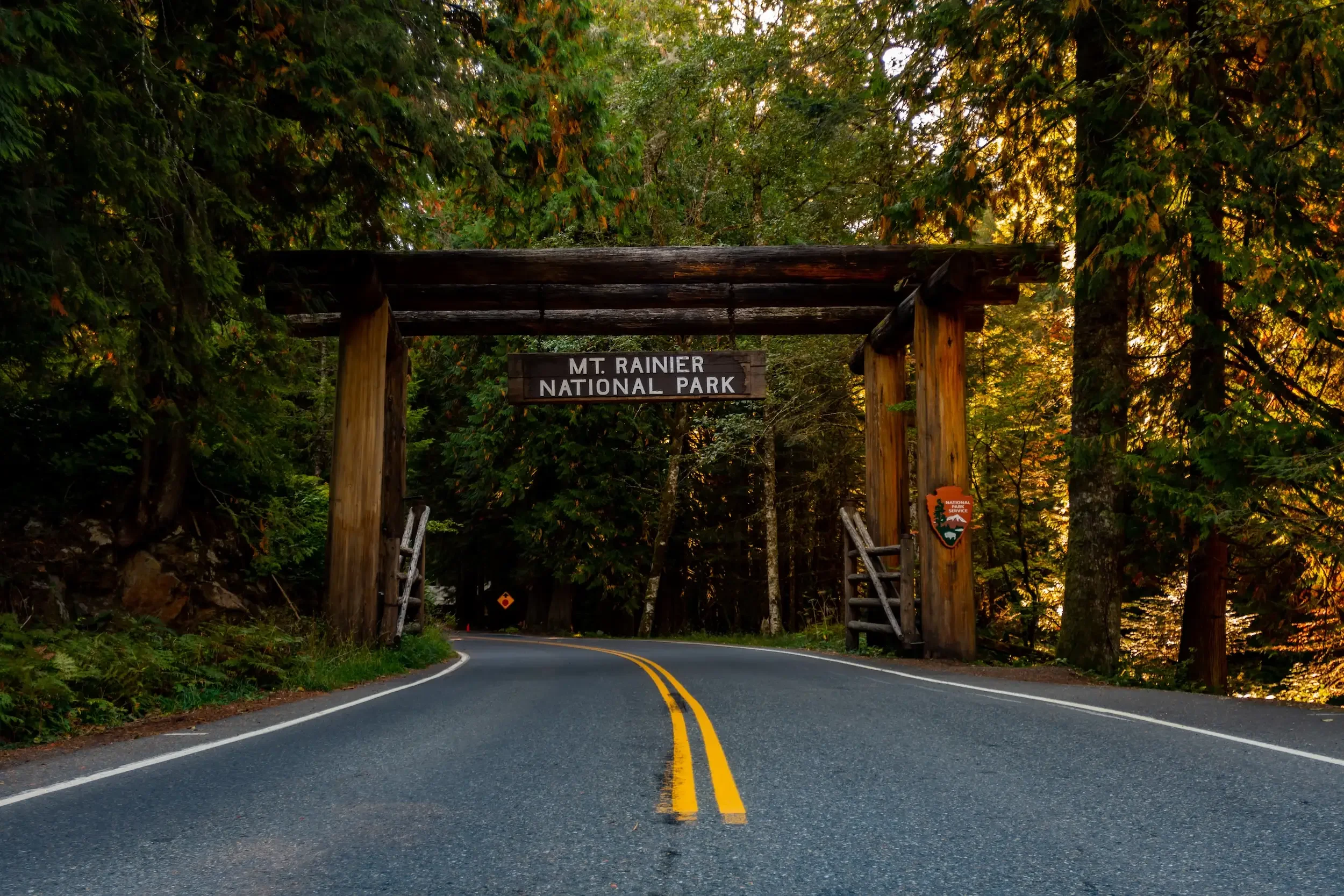
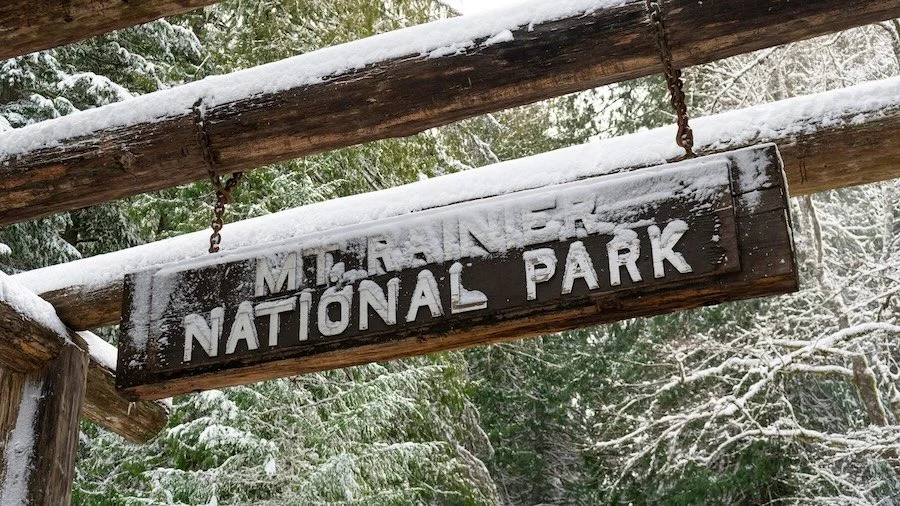
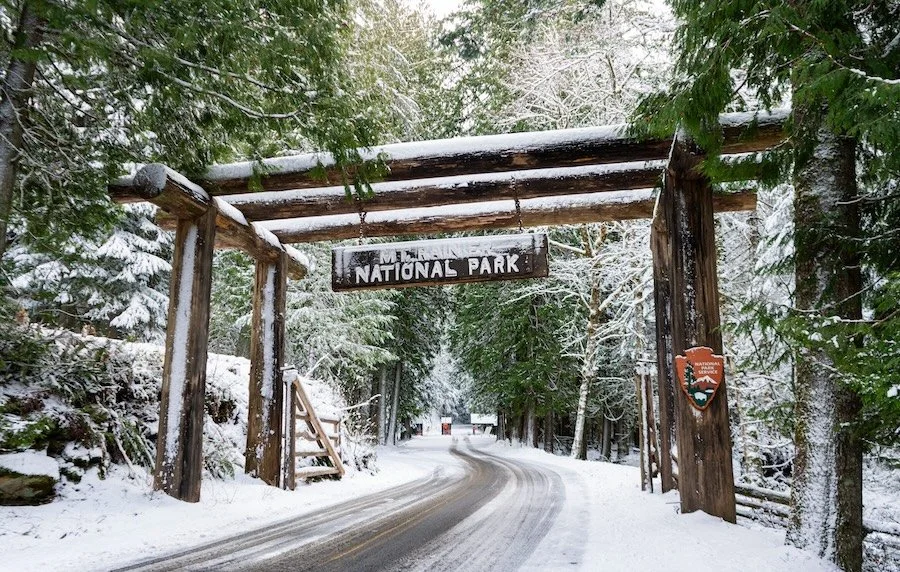
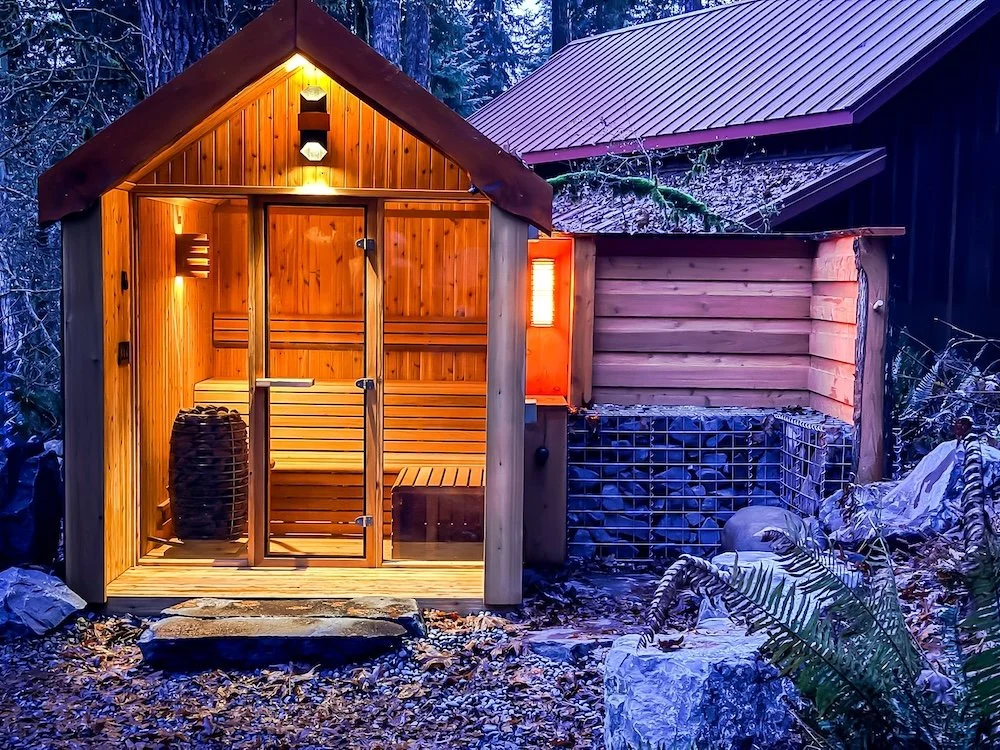
Fall is the strongest season to visit Mount Rainier, and the Nisqually side benefits most, because the crowds that define summer thin out fast while the park itself stays fully open. Fjellsangin, a Nordic-inspired luxury forest cabin at 31613 Mt. Tahoma Canyon Road E in Ashford, Washington, sits ten minutes from the Nisqually Entrance to Mount Rainier National Park, the single gate into the park that never closes for the season and the advantage that matters most once October starts narrowing everyone else's options.
Why Does Mount Rainier Get Quieter in Fall?
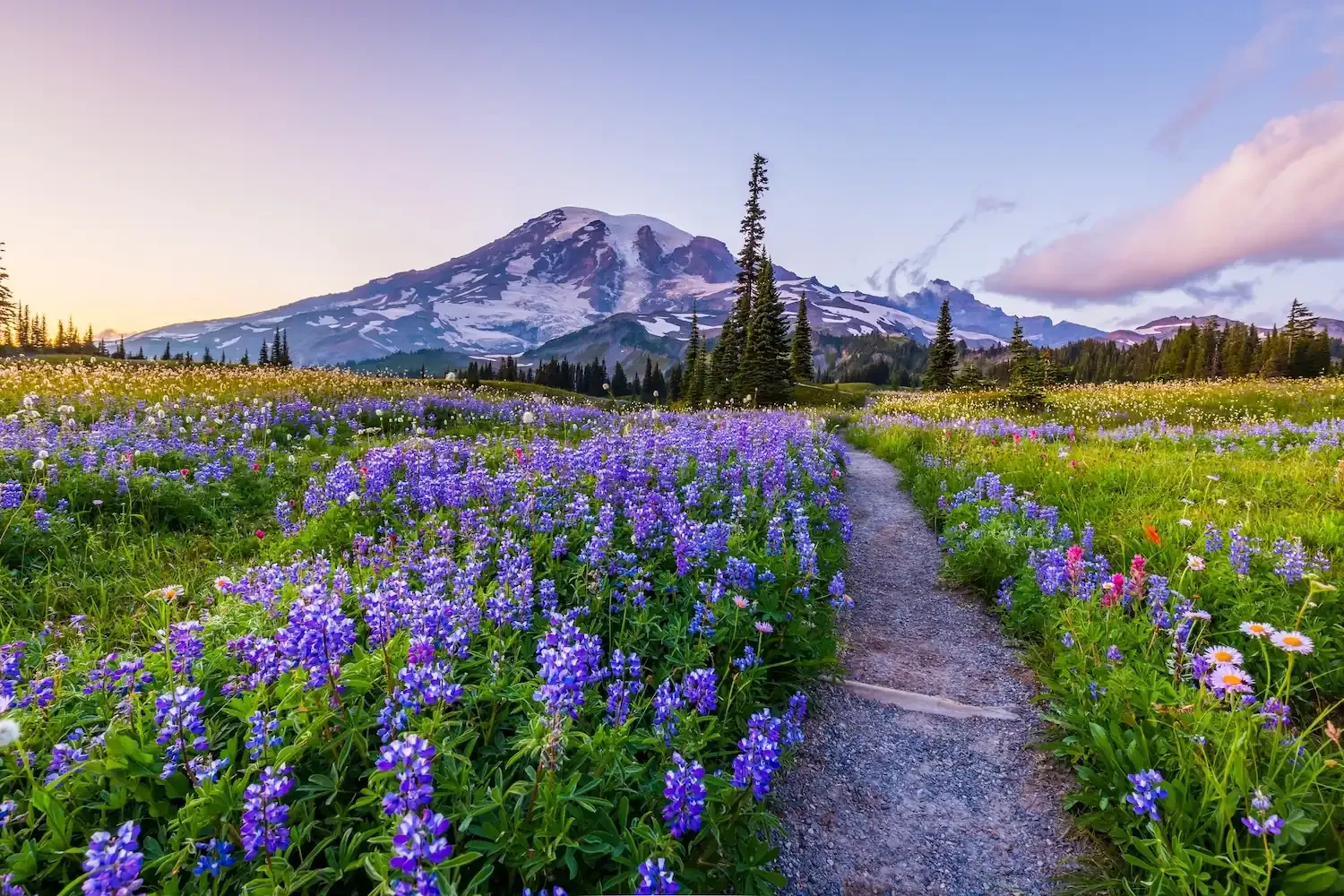
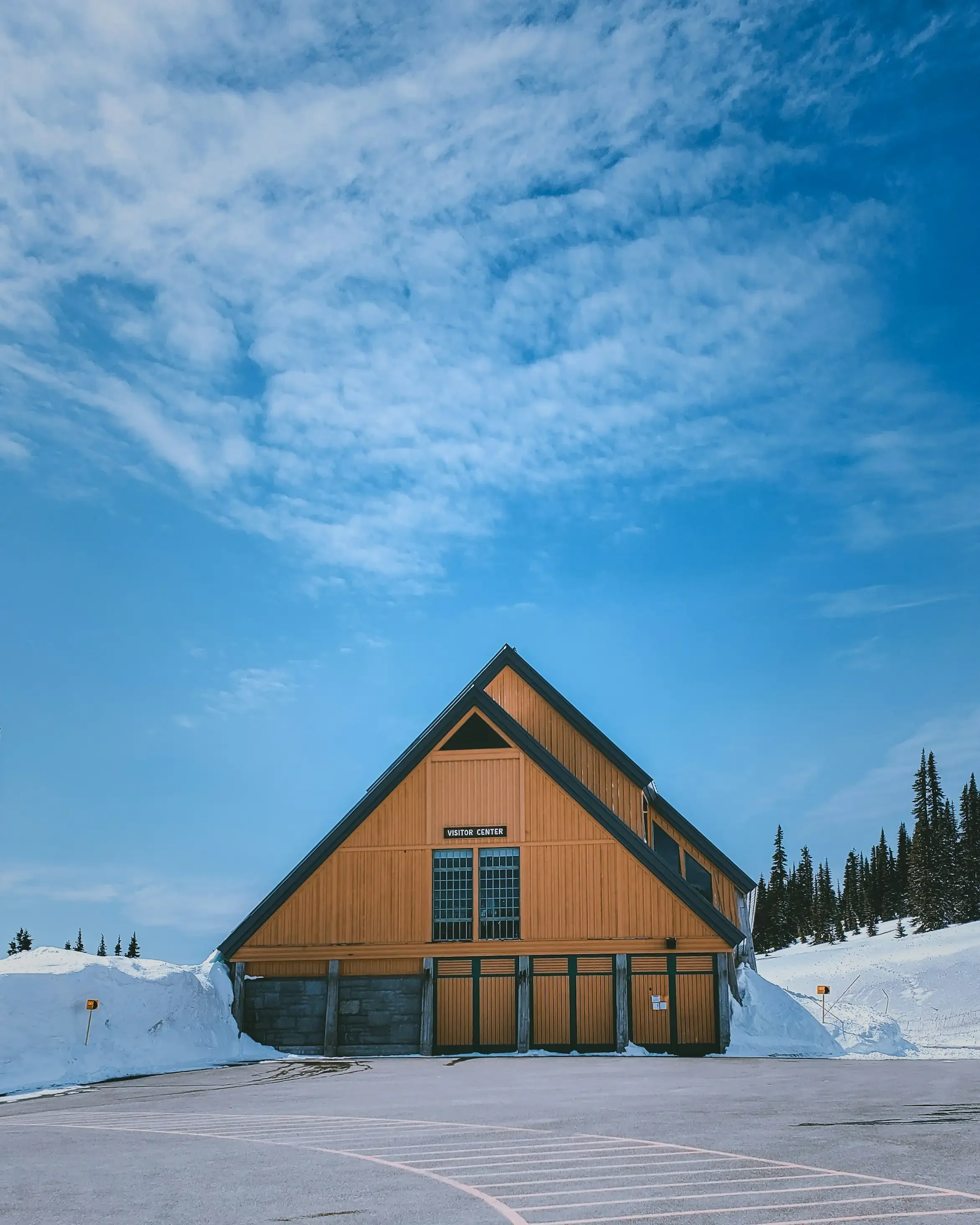
Summer visitation at Rainier peaks hard, and July and August bring the heaviest traffic of the year to the Nisqually side. Once Seattle-area schools start back up in September, that traffic drops off fast. By October, recreation visits run at roughly a third of the July peak. The Paradise lot, which fills by mid-morning all summer, has room again by ten. You can walk up to a trailhead instead of circling for a spot.
None of this means the park sits empty. It means the version of Rainier that fills every July weekend, cars backed up at the gate, a full lot before breakfast, strangers in every frame, simply isn't the version you get in October.
What Does Fall Color Look Like on the Nisqually Side?
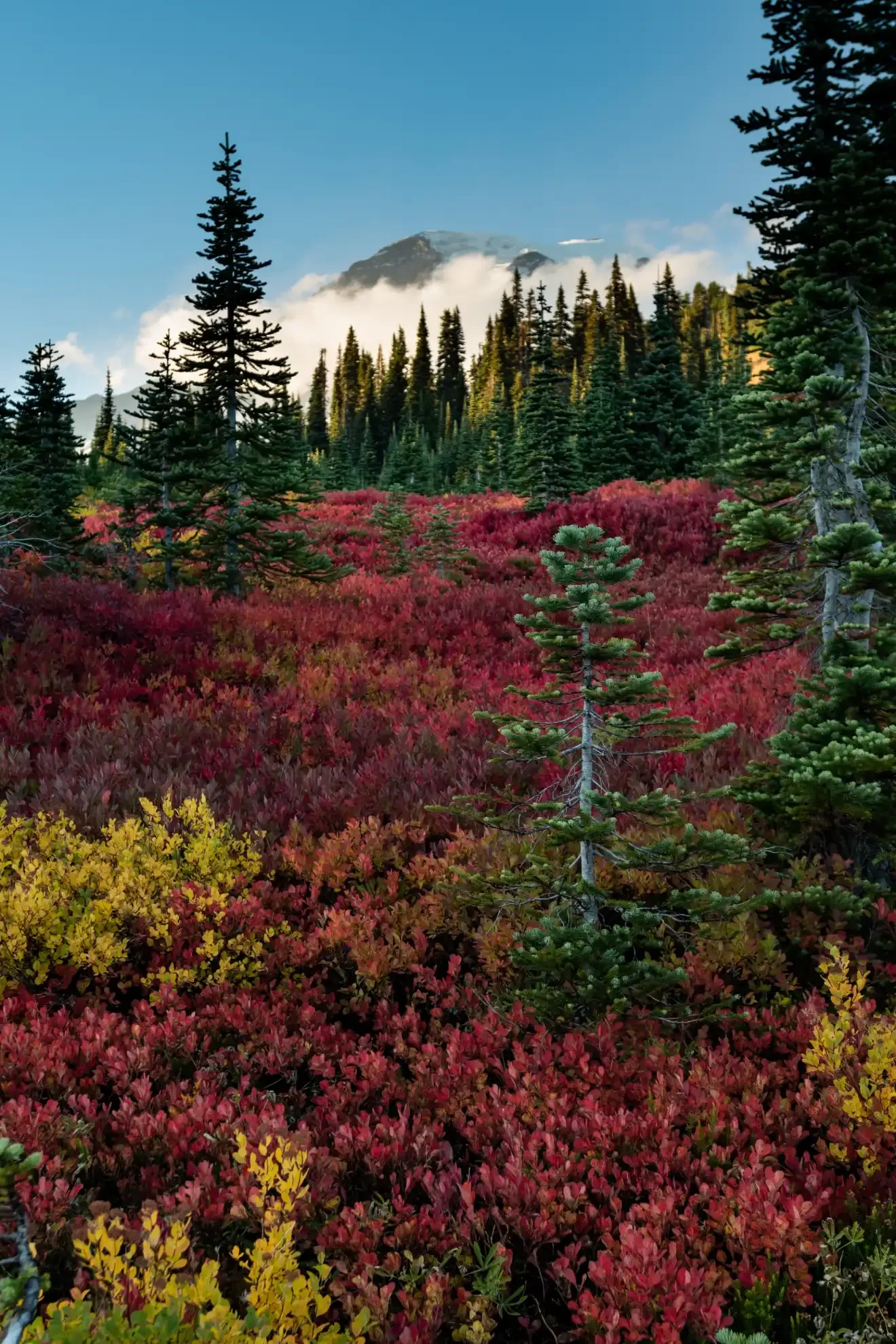
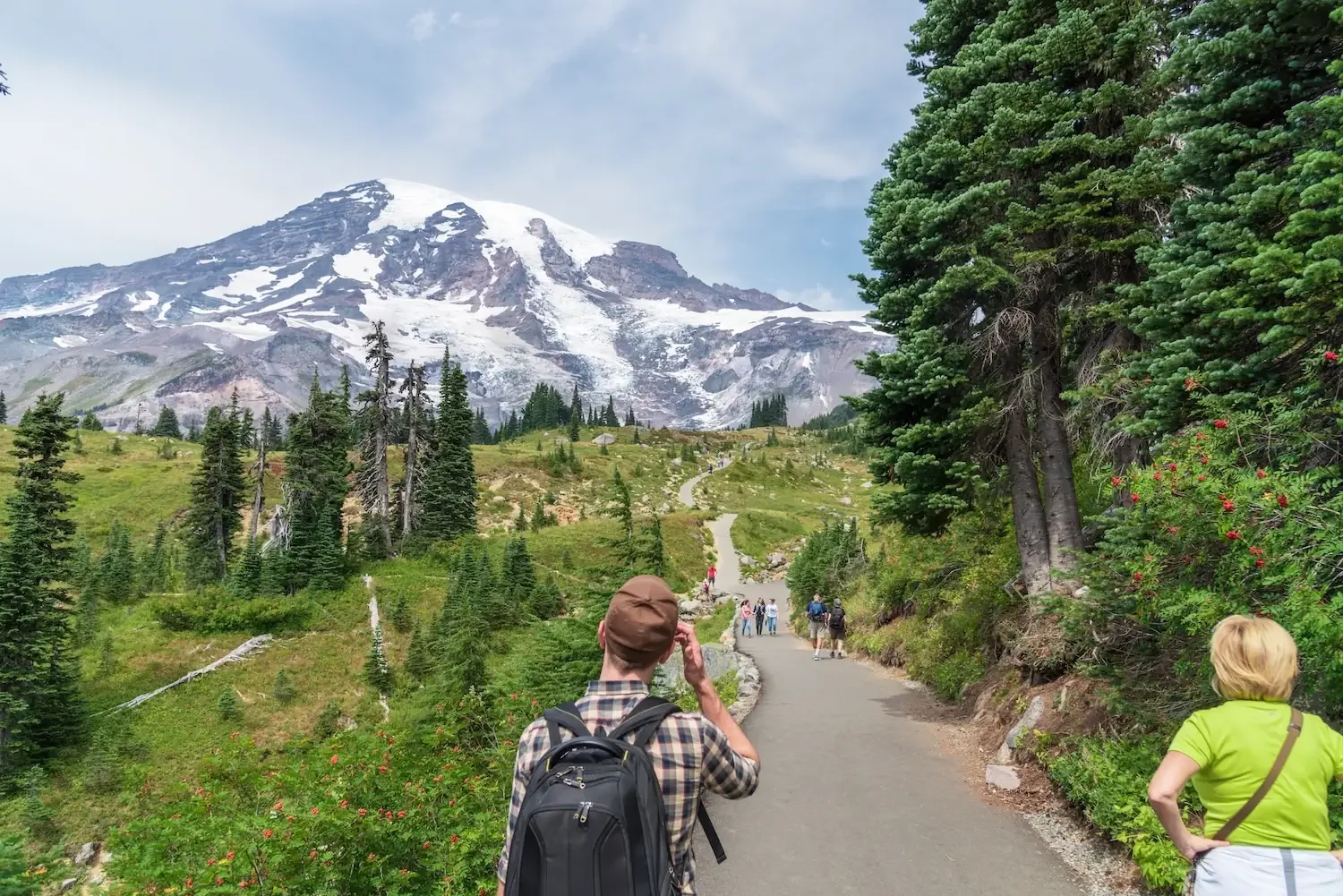
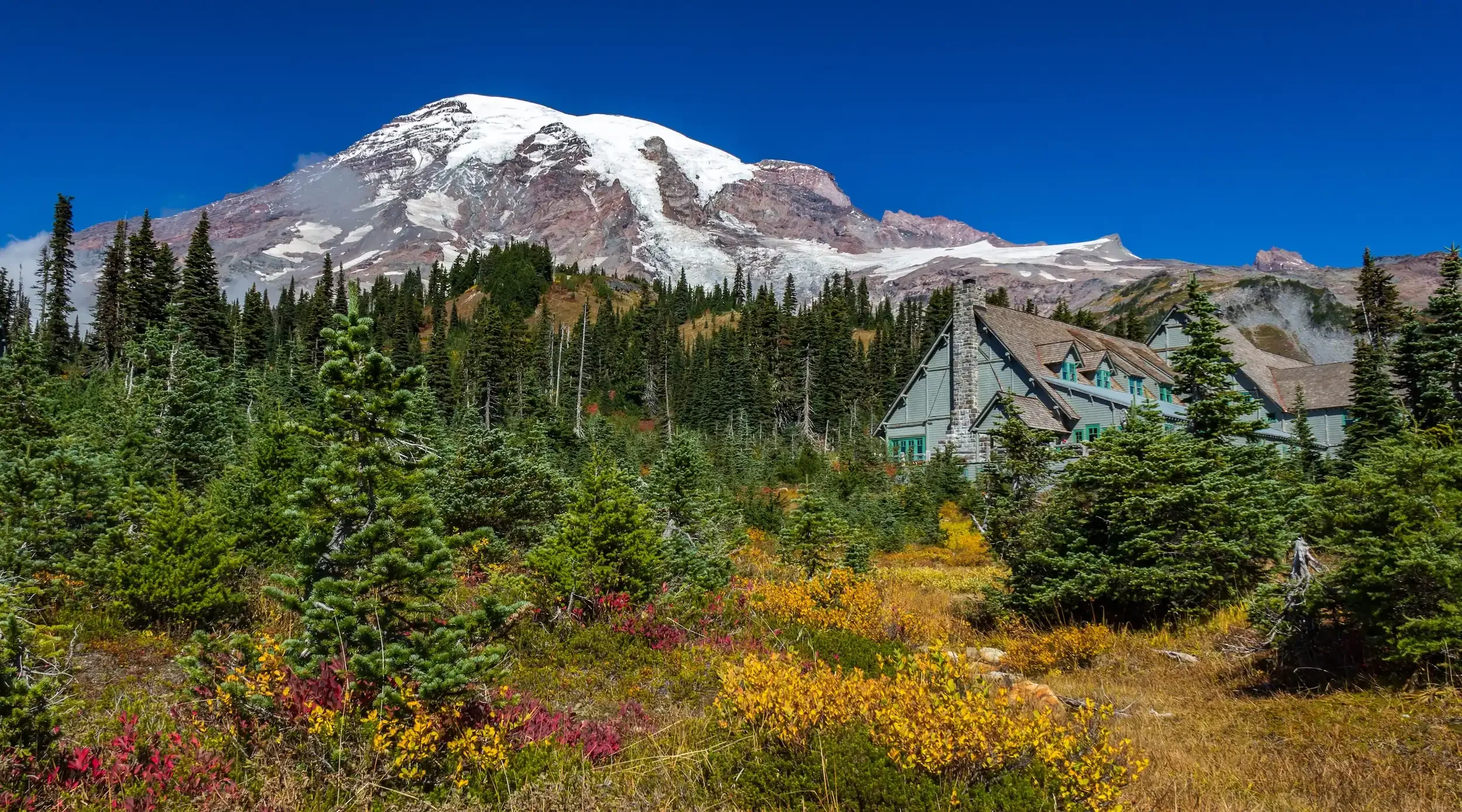
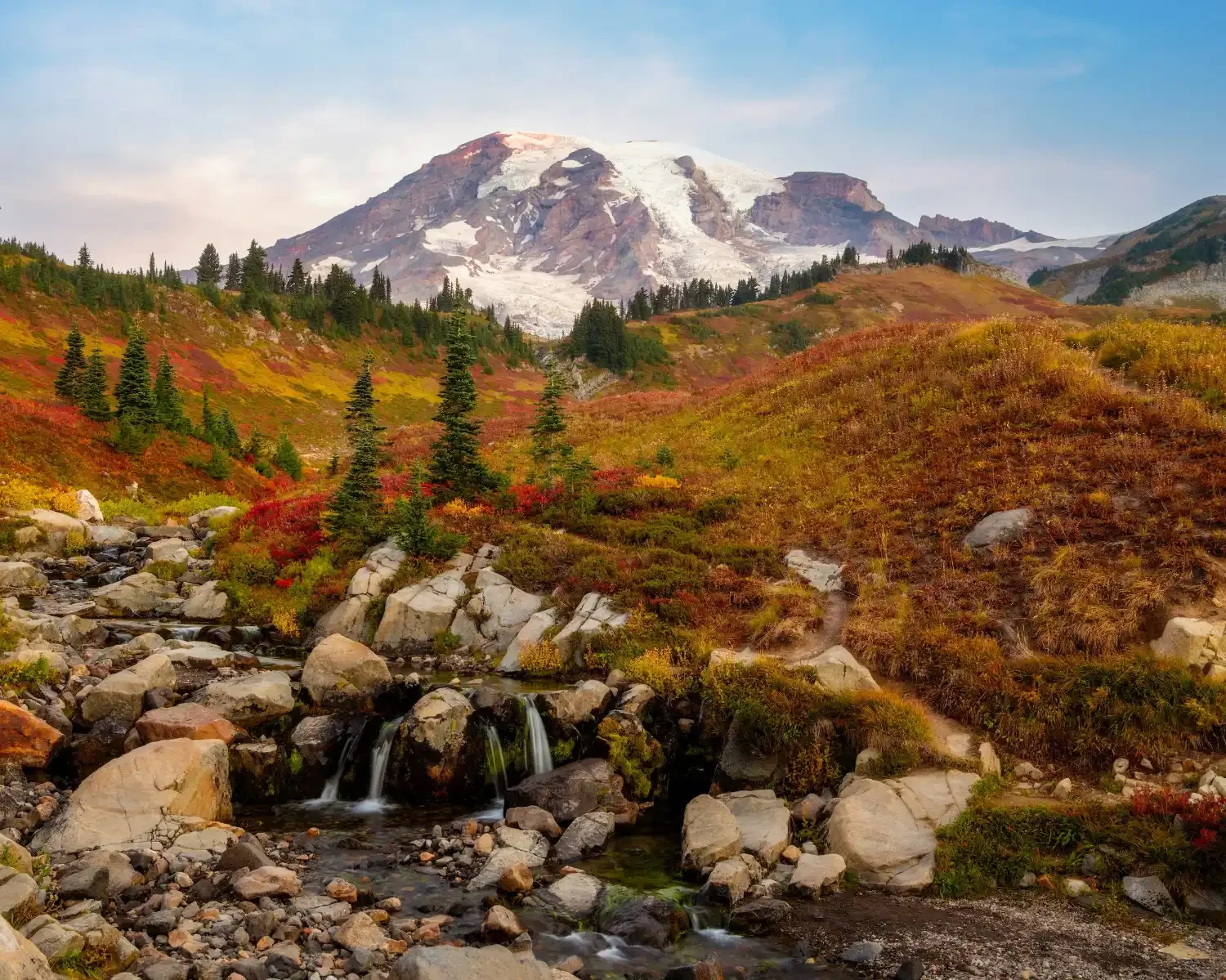
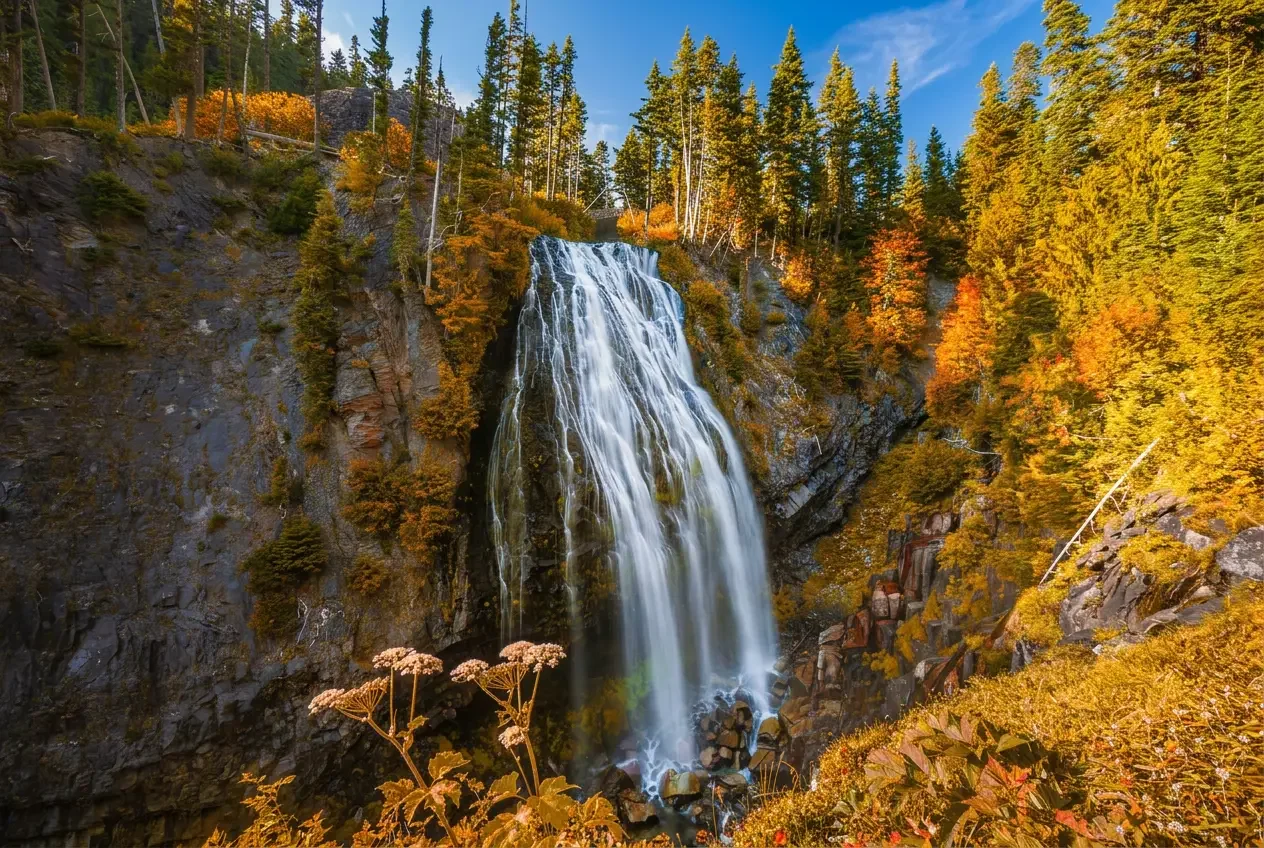
Rainier is a conifer forest, so fall here isn't a maple-syrup postcard, and it's easy to underestimate if you're picturing New England. The huckleberry carpeting the meadows around Paradise turns first, running from green to deep red and orange starting in the last week of September. Lower down, vine maple picks up where the meadows leave off, threading gold and rust through the forest along Comet Falls and the trails around Longmire.
We got married here in October, actually, and it hit seventy-two degrees that day. The vine maples along the drive were already deep gold and red, warm enough that nobody needed a jacket at the ceremony.
The color moves downhill as the weeks pass, so a trip timed for the first two weeks of October usually catches both the high meadows and the lower forest at once. We mapped the specific trails for this season in our fall color hikes guide, if you want a route instead of a general direction.
What Happens to the Weather and Roads in October?
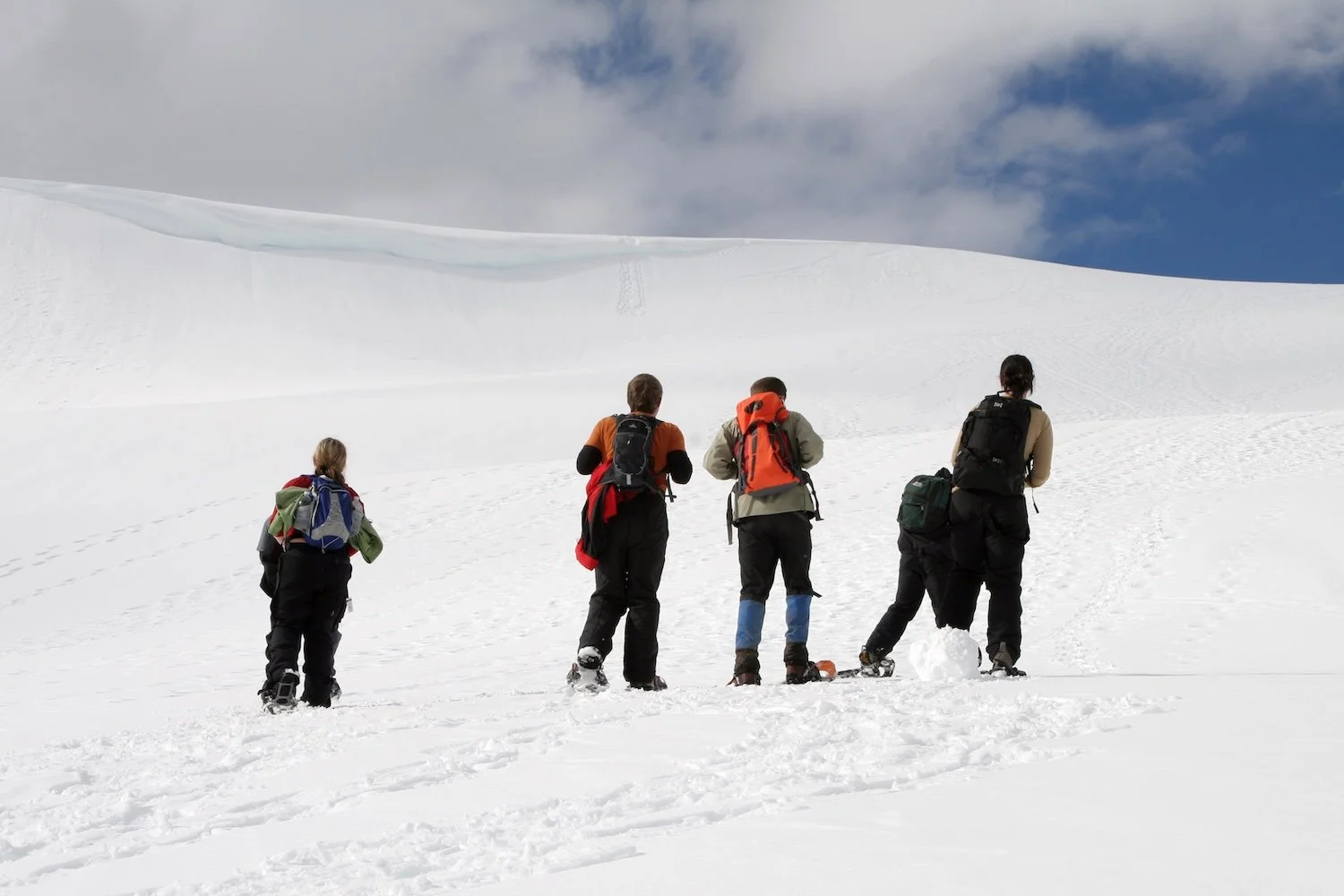
The weather turns as fast as the calendar does, and that's the real trade being made. Longmire's October average high sits in the mid-50s, with overnight lows near freezing, and the dry stretch that defines July gives way to real Pacific storm systems again. Stevens Canyon Road typically closes for the season by mid-October. Sunrise Road, on the opposite side of the park, usually shuts down for the year by mid-September.
You need to carry chains from November 1 through May 1. The real fall window, clear roads paired with real color, runs roughly from late September through the first two weeks of October. Check current conditions before you leave. The mountain sets its own calendar every year, not the guidebooks.
Why Does the Nisqually Entrance Matter More Now Than in July?
In summer, every entrance to Rainier is open, and the real difference between them is which crowd you end up stuck in. Fall changes that math. The Nisqually Entrance is the only one that runs year-round, which means Longmire and Paradise stay reliably reachable even as Stevens Canyon and Sunrise wind down for the season on the other side of the mountain.
We notice this firsthand every year. Traffic through the gate lightens up, and the Paradise lot has room again instead of filling before we've had coffee.
Staying ten minutes from that gate means checking the forecast the morning of and still getting in, rather than locking in a plan from two towns away and hoping the road you need hasn't closed by the time you arrive.
What Should You Know Before You Book a Fall Trip?
The window is short and it moves every year, so build the trip around conditions rather than a fixed date. Daylight is shrinking fast by October, so plan trailhead starts earlier than a July habit would suggest. Cell service is limited or nonexistent once you're inside the park, so download maps and check the NPS alerts page before you leave rather than counting on a signal at the trailhead.
We tell guests all the time that fall is one of the best stretches to book, between the warm days and the color moving through the trees.
Aim for the last week of September through the first two weeks of October rather than a single weekend on the calendar, and hold the date loosely until the week of the trip.
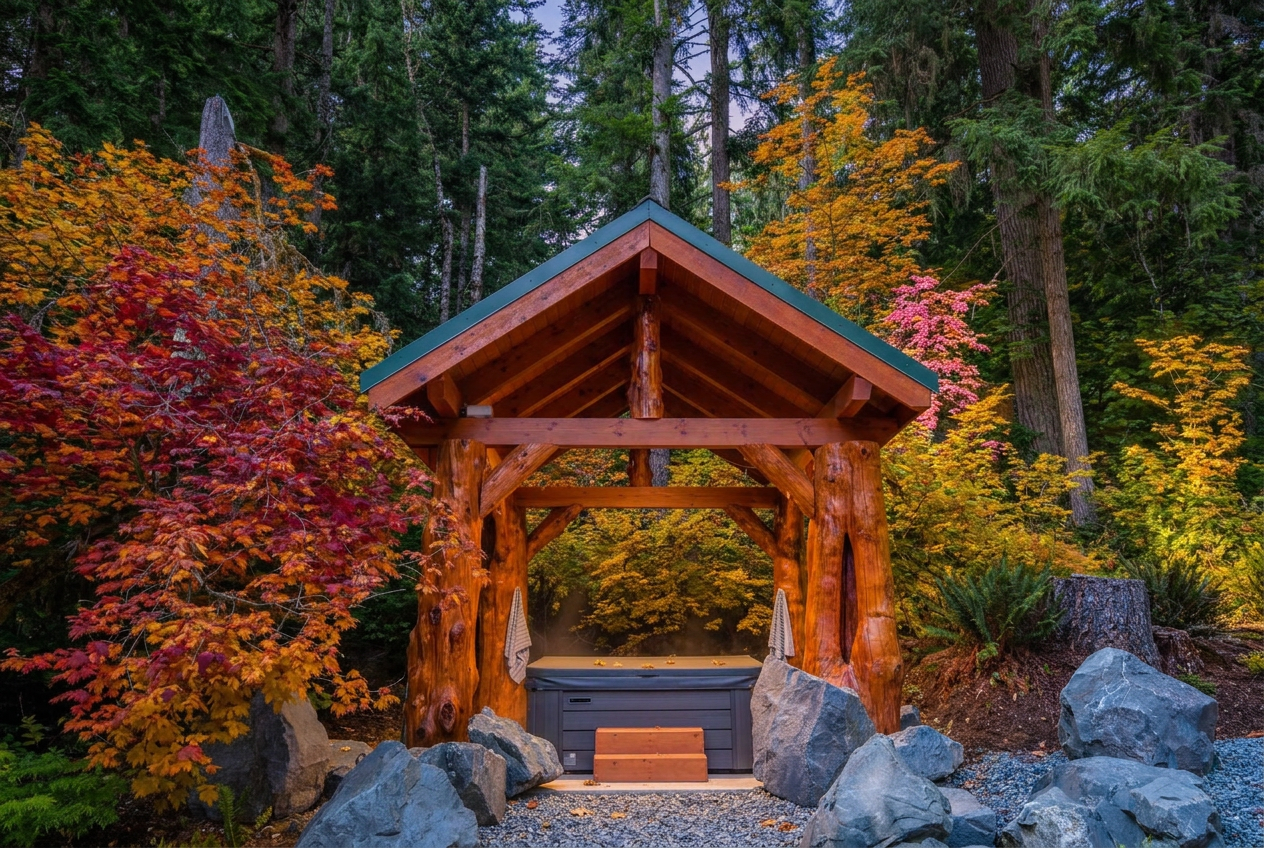
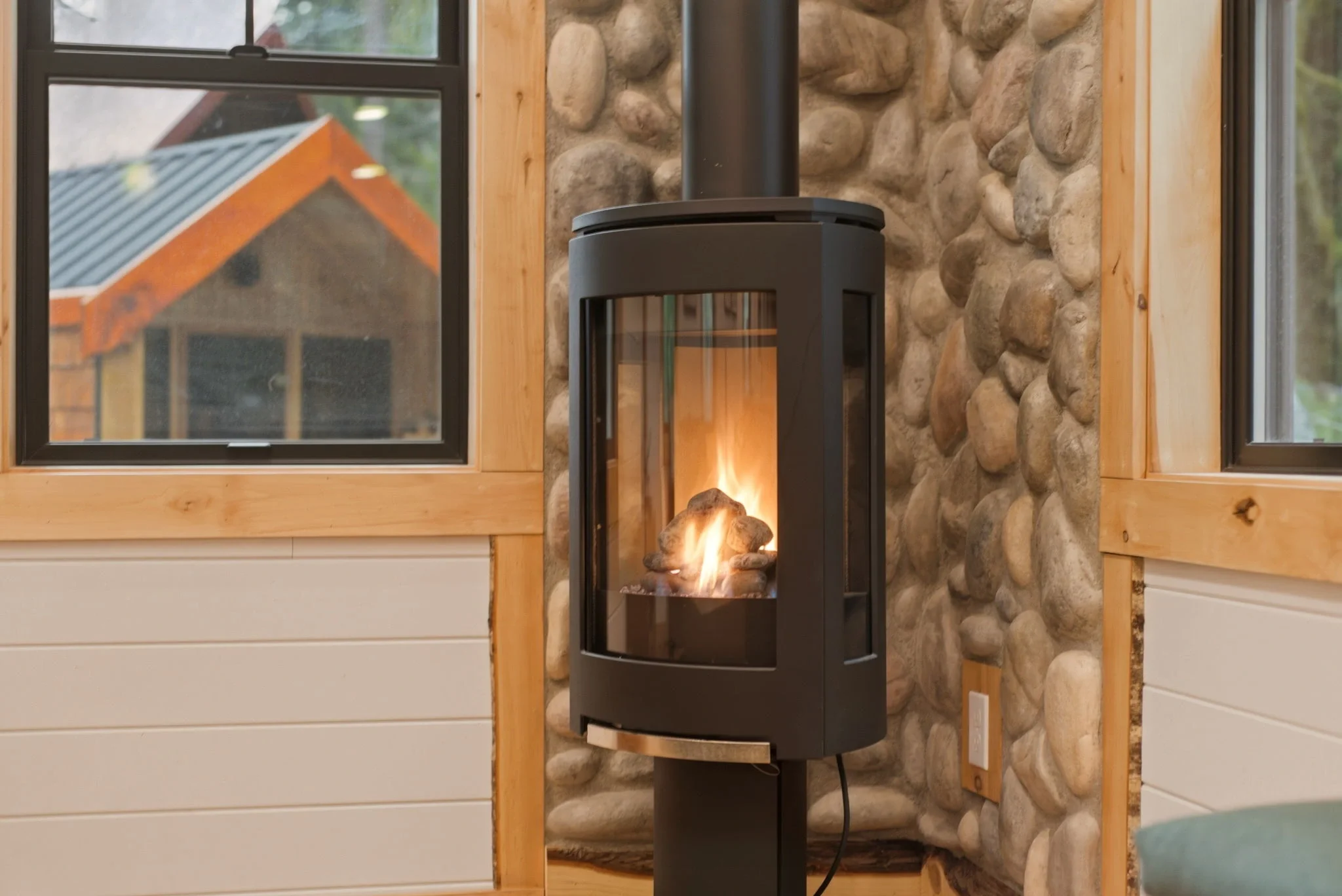
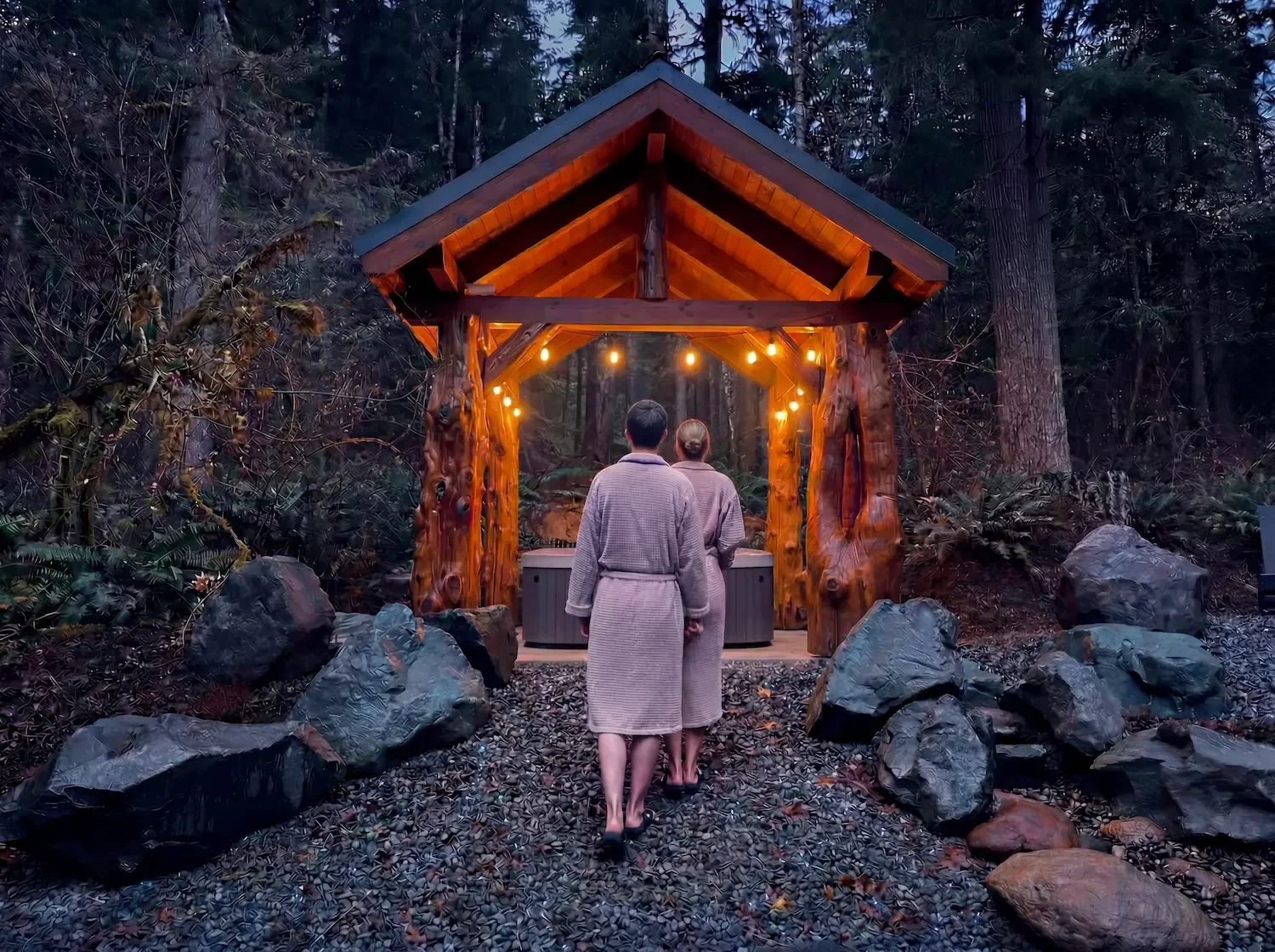
A fall trip to Rainier works best when the mountain sets the schedule instead of the calendar. Fjellsangin sits ten minutes from the only year-round gate into the park, in Ashford, with a cedar-lined sauna and a covered hot tub pavilion waiting for the end of a color-chasing day. Read the fall color hikes guide for where to find it on the trail, browse what else you can add to a stay, and check availability and book your stay at Fjellsangin before the window closes for the season.