When Do Wildflowers Bloom at Mt. Rainier? A Late-Summer Guide From Ashford
Every spring, someone books a cabin near Mount Rainier expecting wildflower meadows in April. They won't find any.
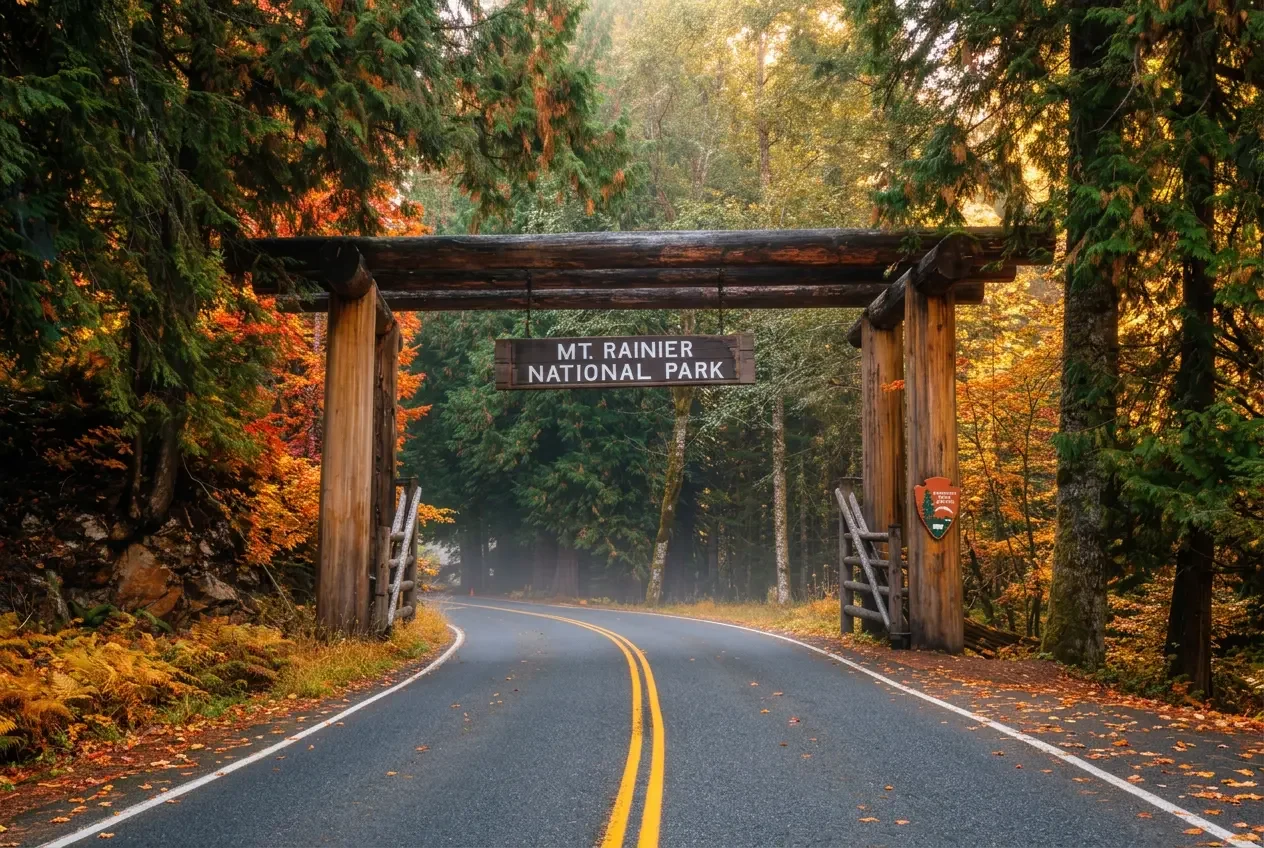
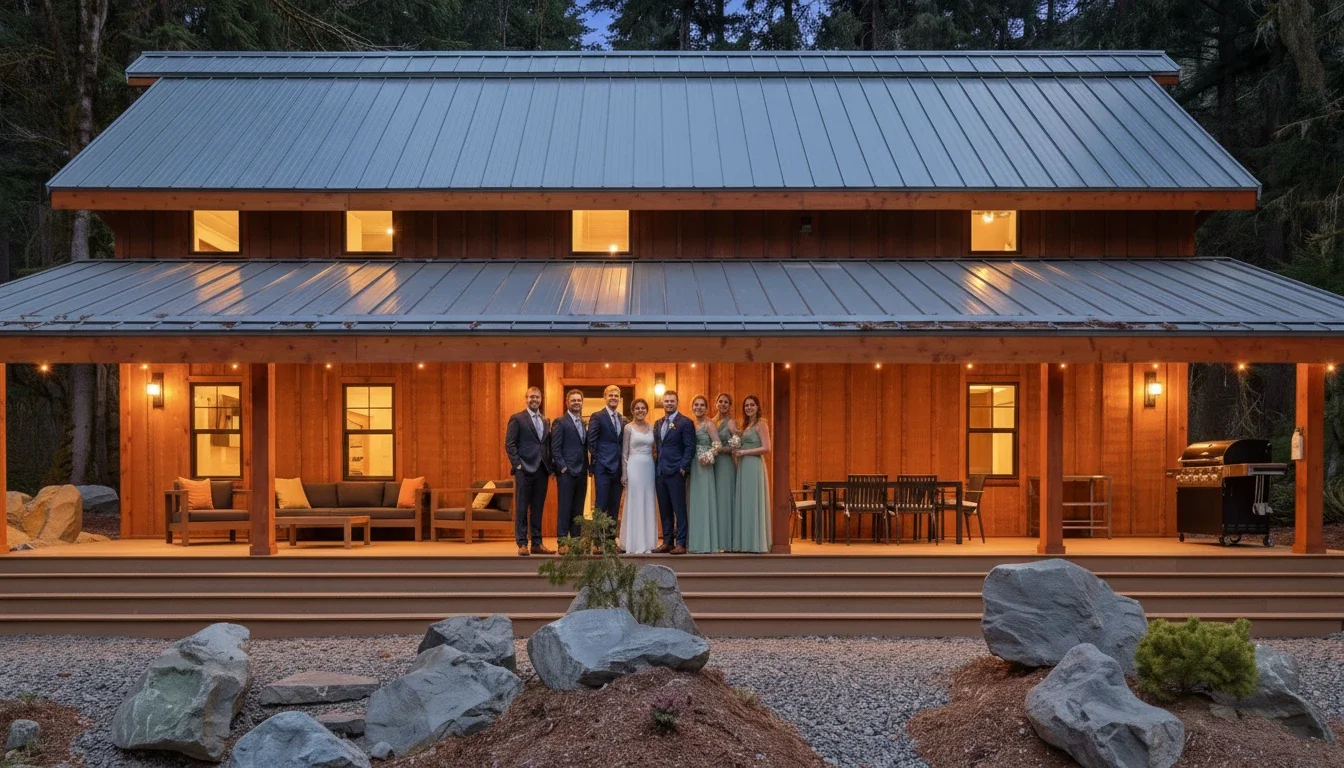
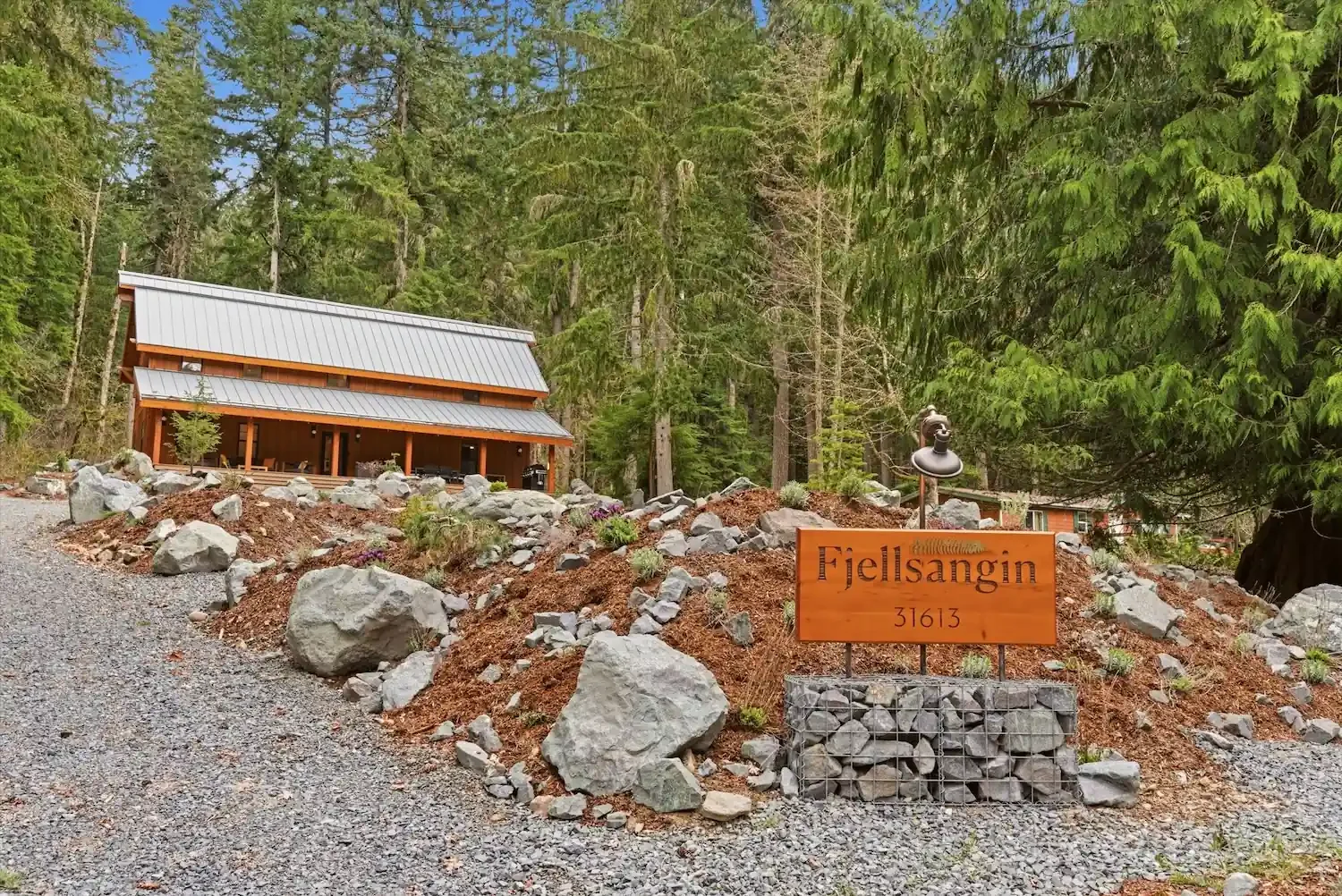
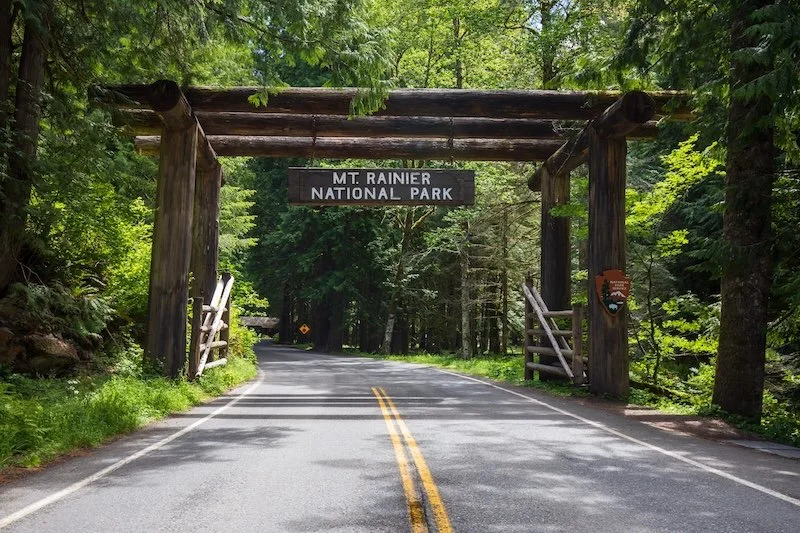
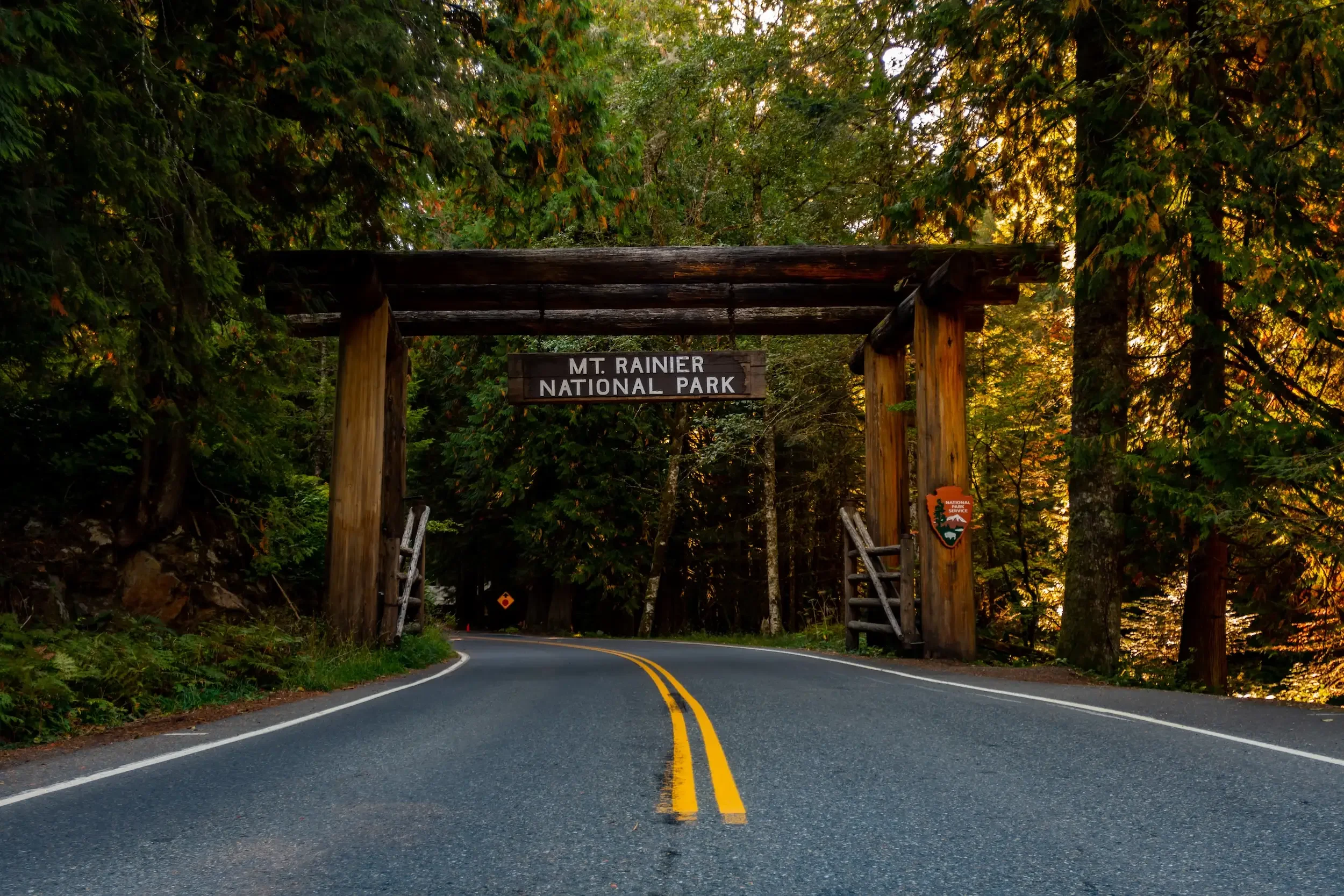
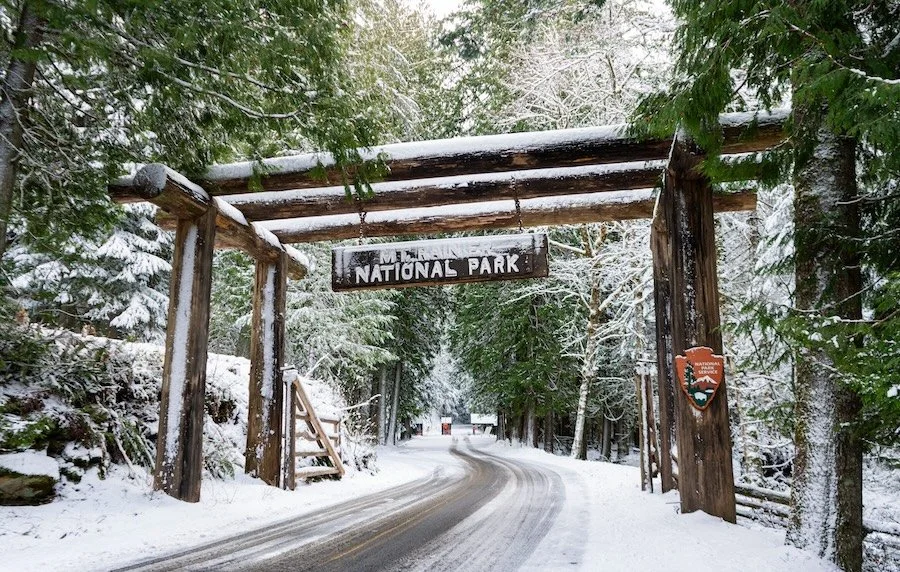
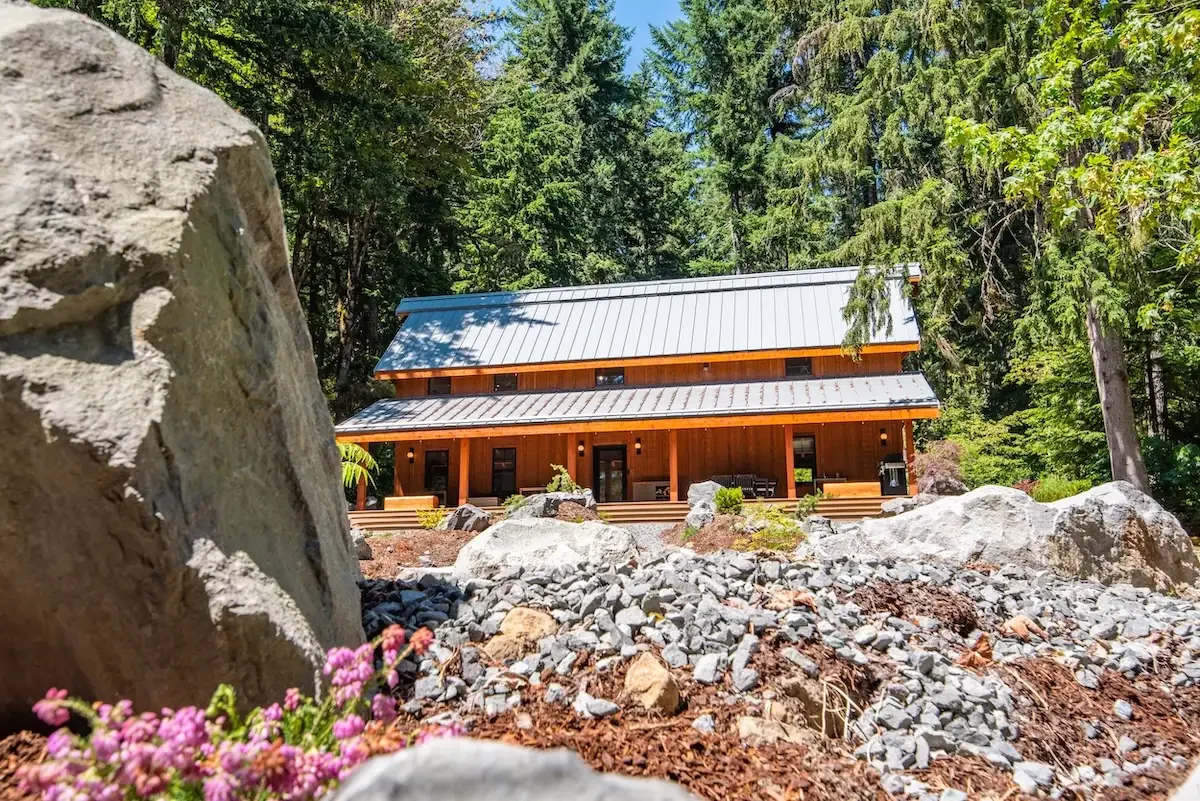
Fjellsangin is a Nordic-inspired luxury forest cabin at 31613 Mt. Tahoma Canyon Road E in Ashford, Washington, ten minutes from the Nisqually Entrance to Mount Rainier National Park. Wildflowers at elevation don't bloom until late summer, typically peaking from late July through August depending on that year's snowpack, which makes right now, not spring, the real wildflower season to plan a trip around.
When Do Wildflowers Actually Bloom at Mt. Rainier?
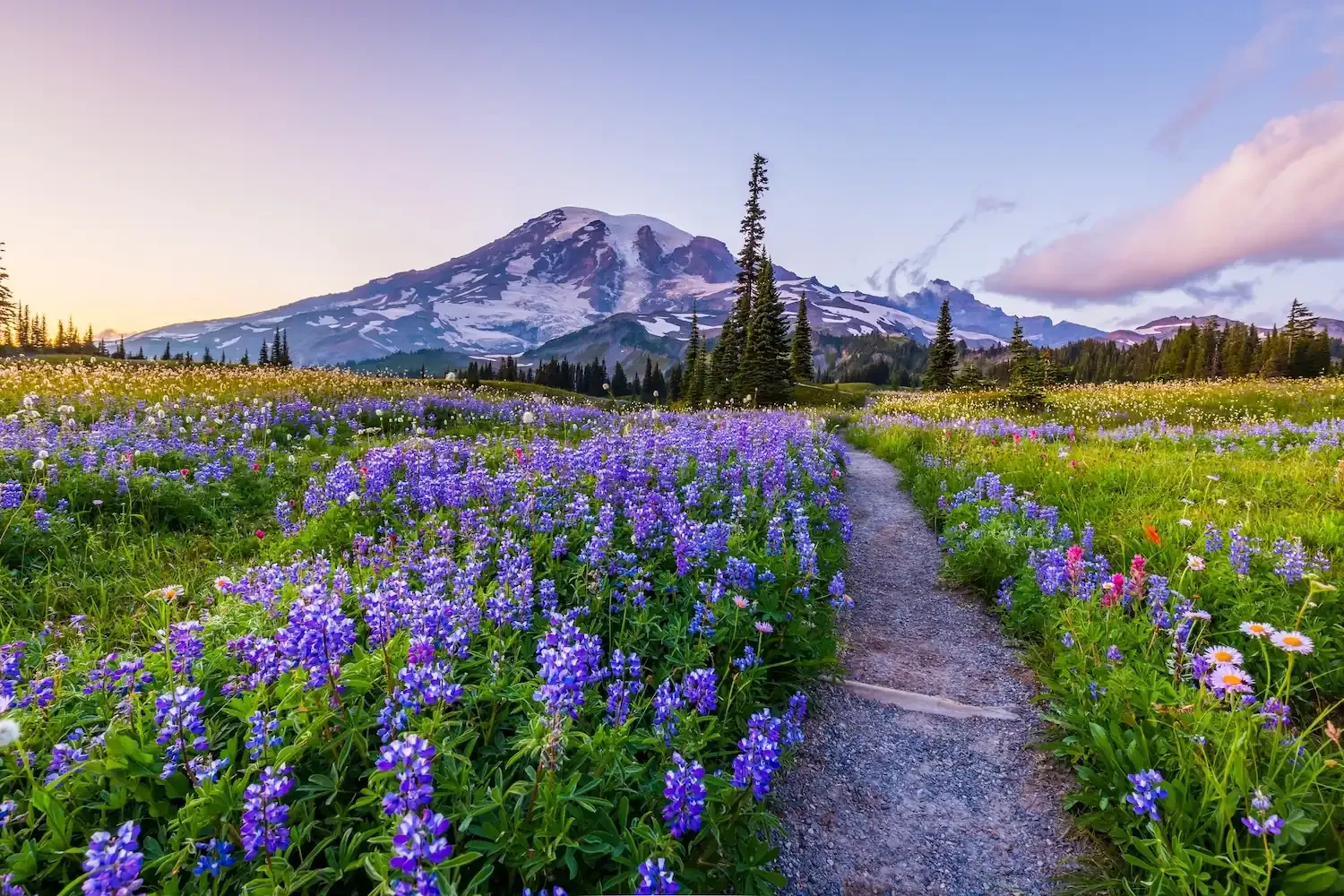
Bloom timing follows snowmelt, not the calendar. Rainier's alpine meadows sit under snow well into summer most years, so the flowers that define the park's postcard images don't open until the ground underneath them thaws. In a typical year, many flowers are blooming by mid-July, with the meadows reaching their most impressive by early August. For the current season's status before a trip, the park's Discover Wildflowers page tracks what's blooming where and is updated through the summer.
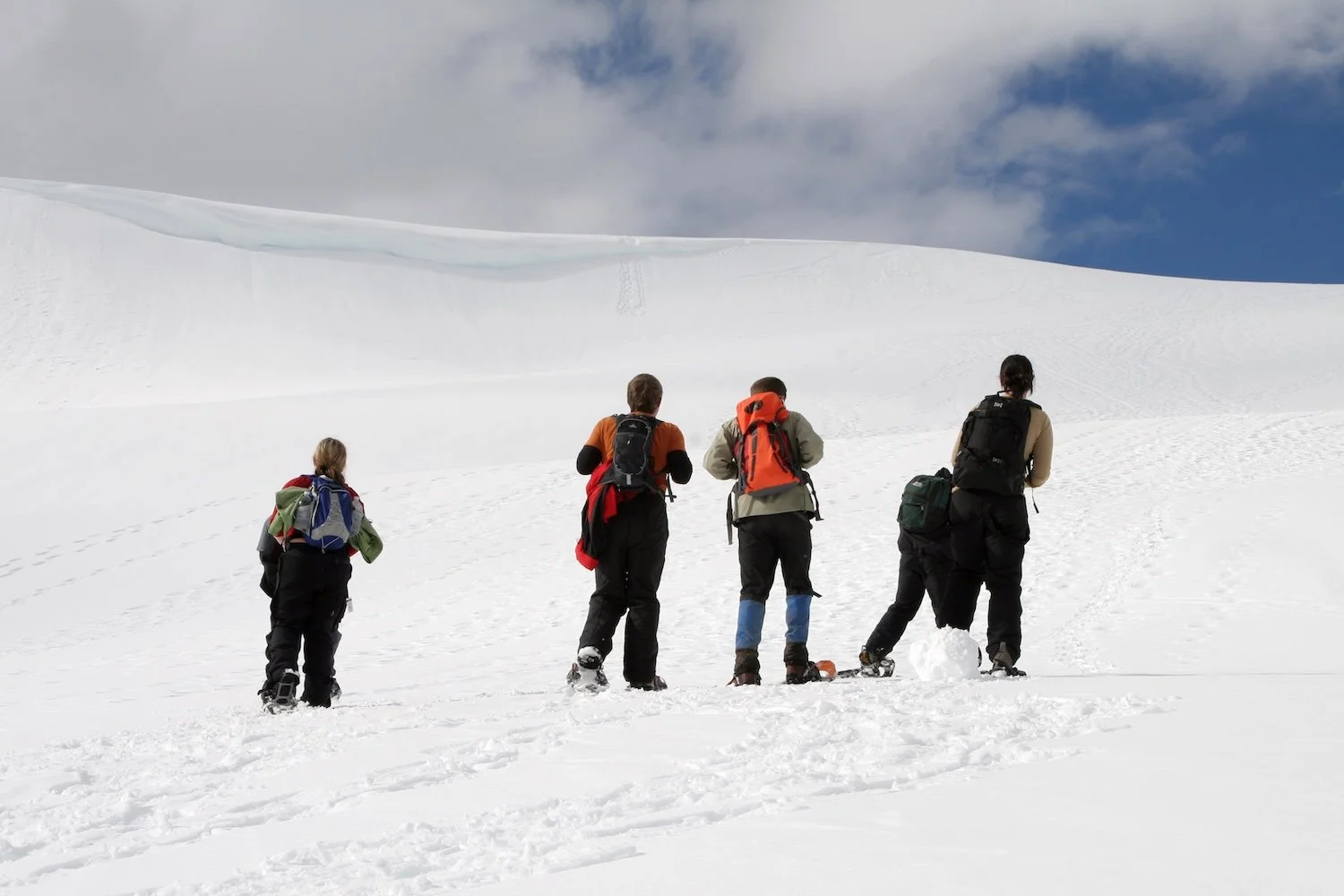
Elevation changes the timeline more than most people expect. Per the National Park Service's wildflower guide, forest at roughly 2,000 to 4,500 feet blooms first, while the subalpine meadows above that, from about 4,500 to 6,500 feet, hold snow longest and bloom last, since flowers there have only a short window to bloom and set seed before the snow returns. Two visitors driving up on the same August morning can hit completely different stages of bloom depending on how far up the mountain they go.
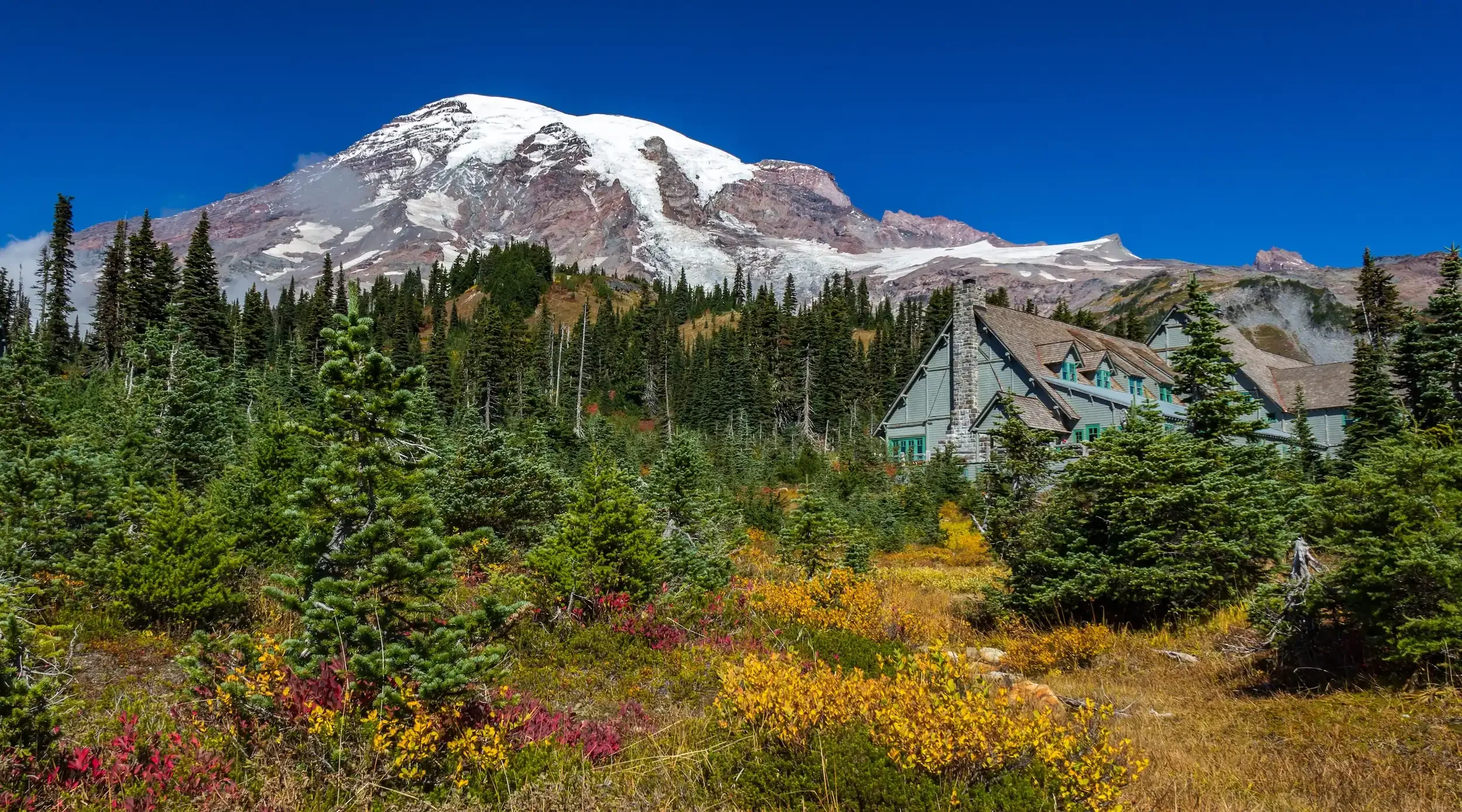
That range is actually an advantage for anyone staying more than one night. A trip that starts too early for the high meadows still has somewhere to go, and a trip that starts right as the alpine bloom is peaking can catch it at its best instead of guessing. Even past peak, the meadows don't go bare. Fireweed, pearly everlasting, and goldenrod tend to carry the color into early fall as the earlier bloomers fade.
Does Anything Bloom Near the Nisqually Entrance Itself?
Before the alpine meadows open up, the forest floor at lower elevation goes through its own quieter bloom. Understory wildflowers along the Nisqually corridor and around Longmire show up earlier in the season, well before the high meadows are anywhere close to ready. It's a smaller, shadier version of the show at Paradise, but for guests arriving in June or early July ahead of peak alpine bloom, it's not nothing.
Where Should You Go to See Them From the Nisqually Side?
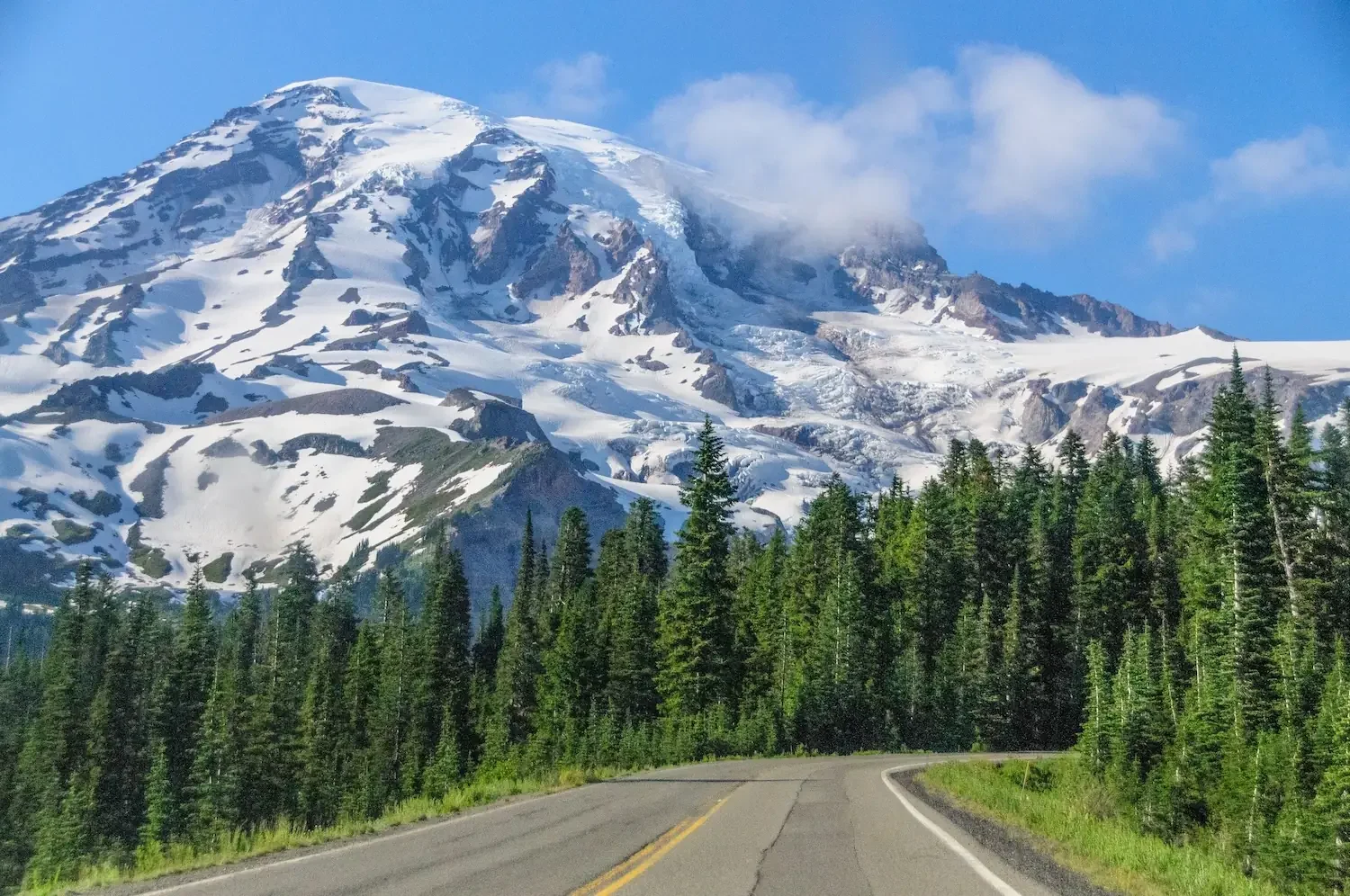
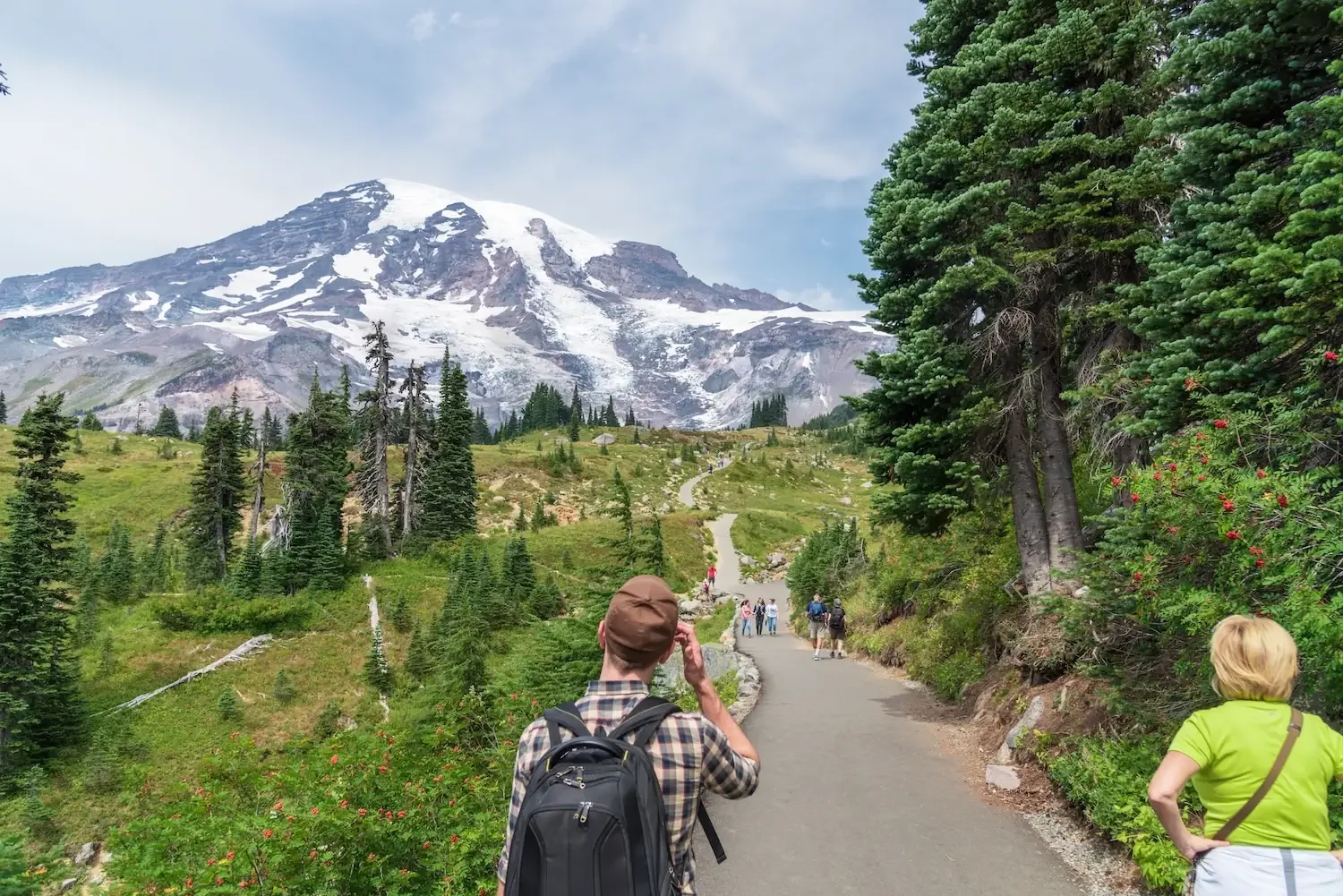
The meadows around Paradise, roughly 45 minutes from the cabin, are the classic destination and the most reliable bet for a strong bloom in a normal year. Trail conditions and specific bloom reports change week to week, so it's worth checking the Washington Trails Association before driving up, especially early in the window when some higher trails may still be patchy with snow.
The Washington Trails Association keeps trip reports current through the season, which is more useful than any fixed date for deciding when to go.
Parking at Paradise fills early once the bloom is fully underway, often well before ten in the morning on a clear weekend. Once the meadows are actually flowering, getting there early matters more than picking the exact right week.
Reflection Lakes, just past Paradise, gives a lower-effort option for anyone who wants meadow views without committing to a full day on trail, while the Skyline Trail above Paradise climbs into the higher meadows for hikers who want to get further into the bloom. Either one benefits from the same early start.
Weekday visits during peak bloom are a real advantage if the trip dates are flexible at all. The same meadow that feels crowded on a Saturday afternoon in early August can feel almost empty on a Tuesday morning, without the flowers looking any different.
What Does Late Summer Feel Like at the Cabin Itself?
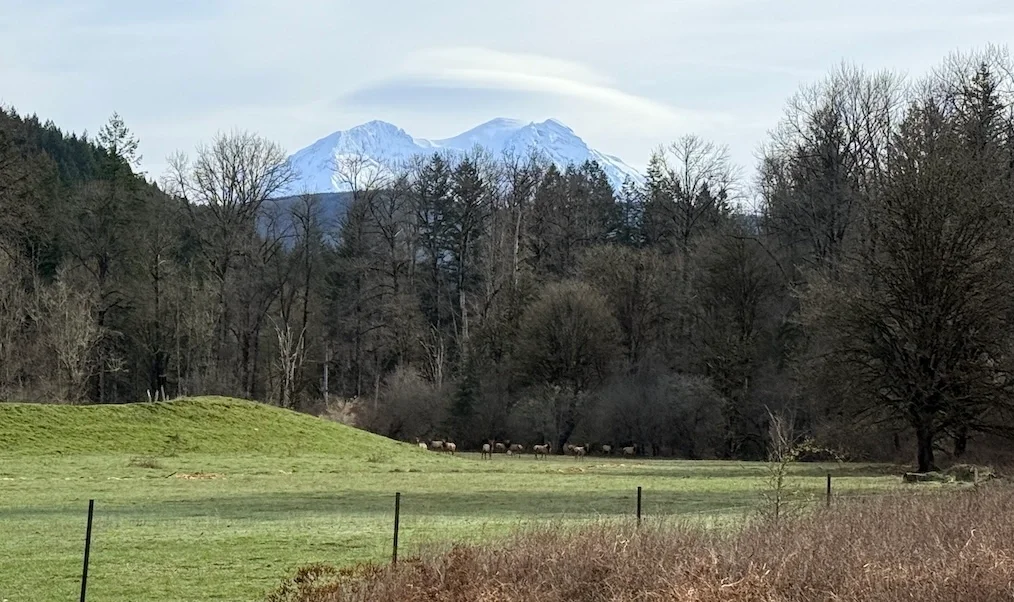
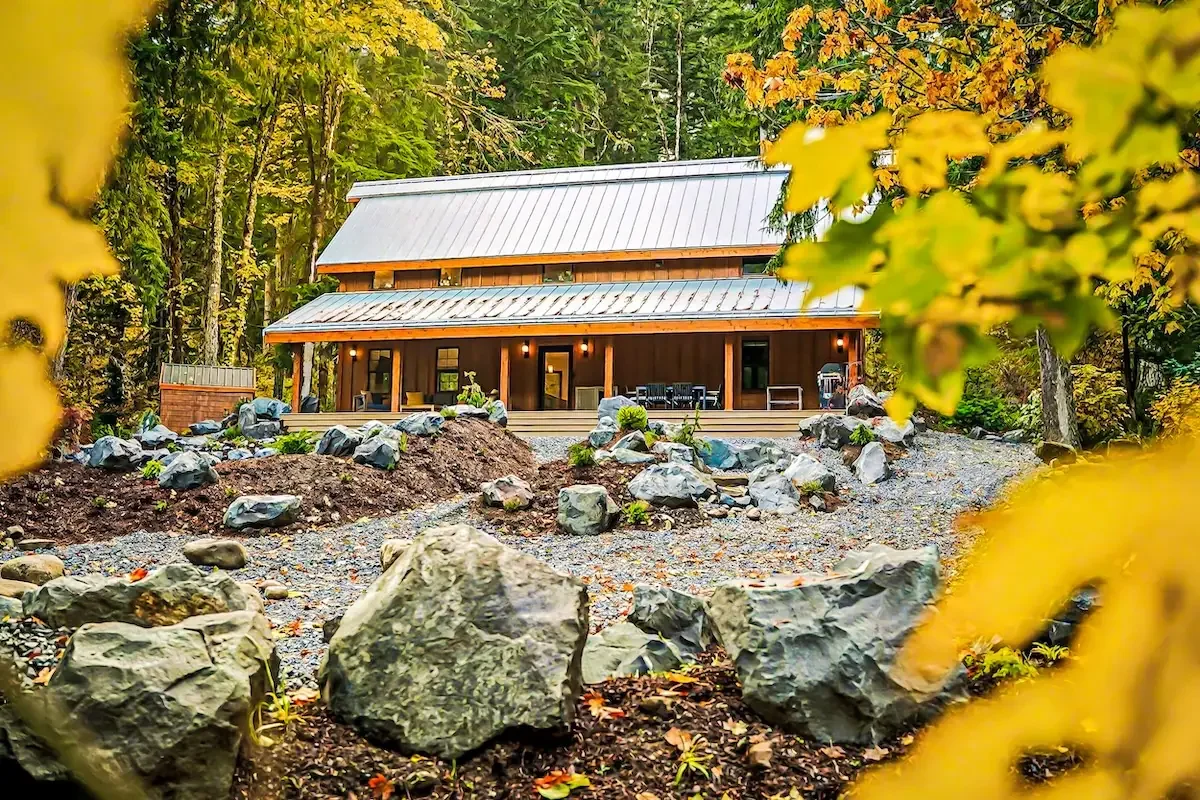
Fjellsangin doesn't sit in an alpine meadow, and Mount Rainier isn't visible from the property, so there's no wildflower show at the cabin itself. What's there instead is forest: the property backs directly onto permanently protected land through the Nisqually Land Trust's Busy Wild corridor, and late summer is when that forest is at its most alive.
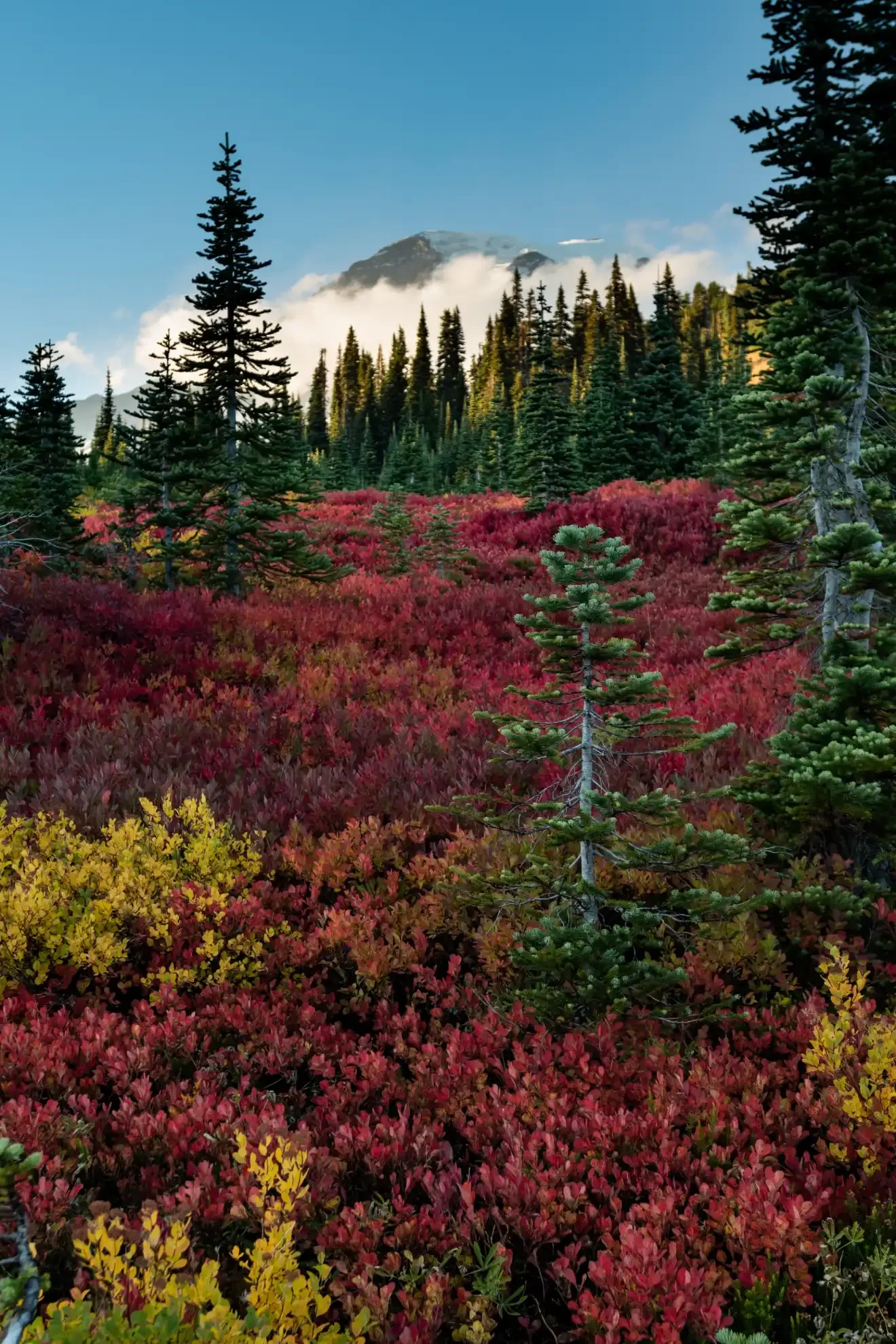
Down at the cabin's elevation in Ashford, late summer actually starts to look like early fall. Days get a little shorter and the leaves start to turn, even while the alpine meadows a thousand feet higher are just hitting peak bloom. The two seasons overlap for a few weeks rather than following the same calendar, which is exactly why the elevation gap matters more than the date on a trip.
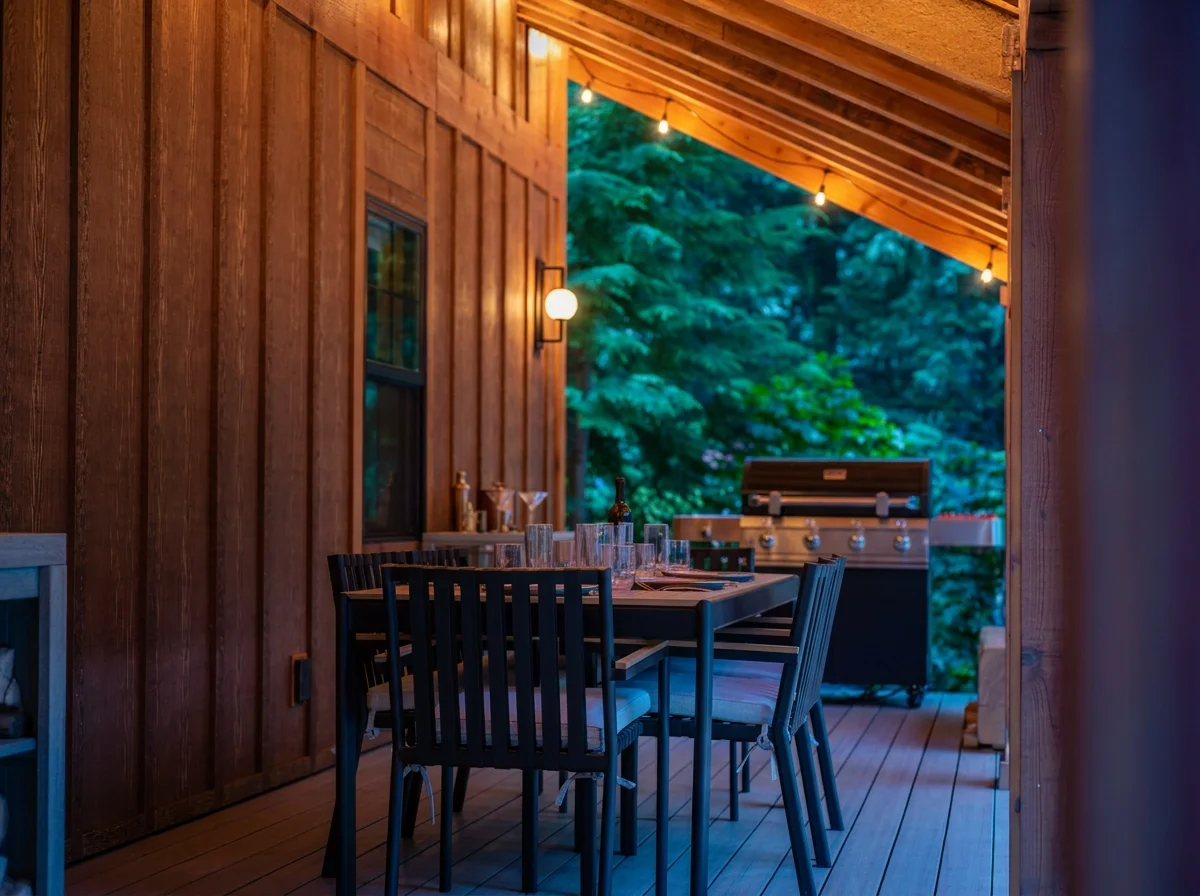
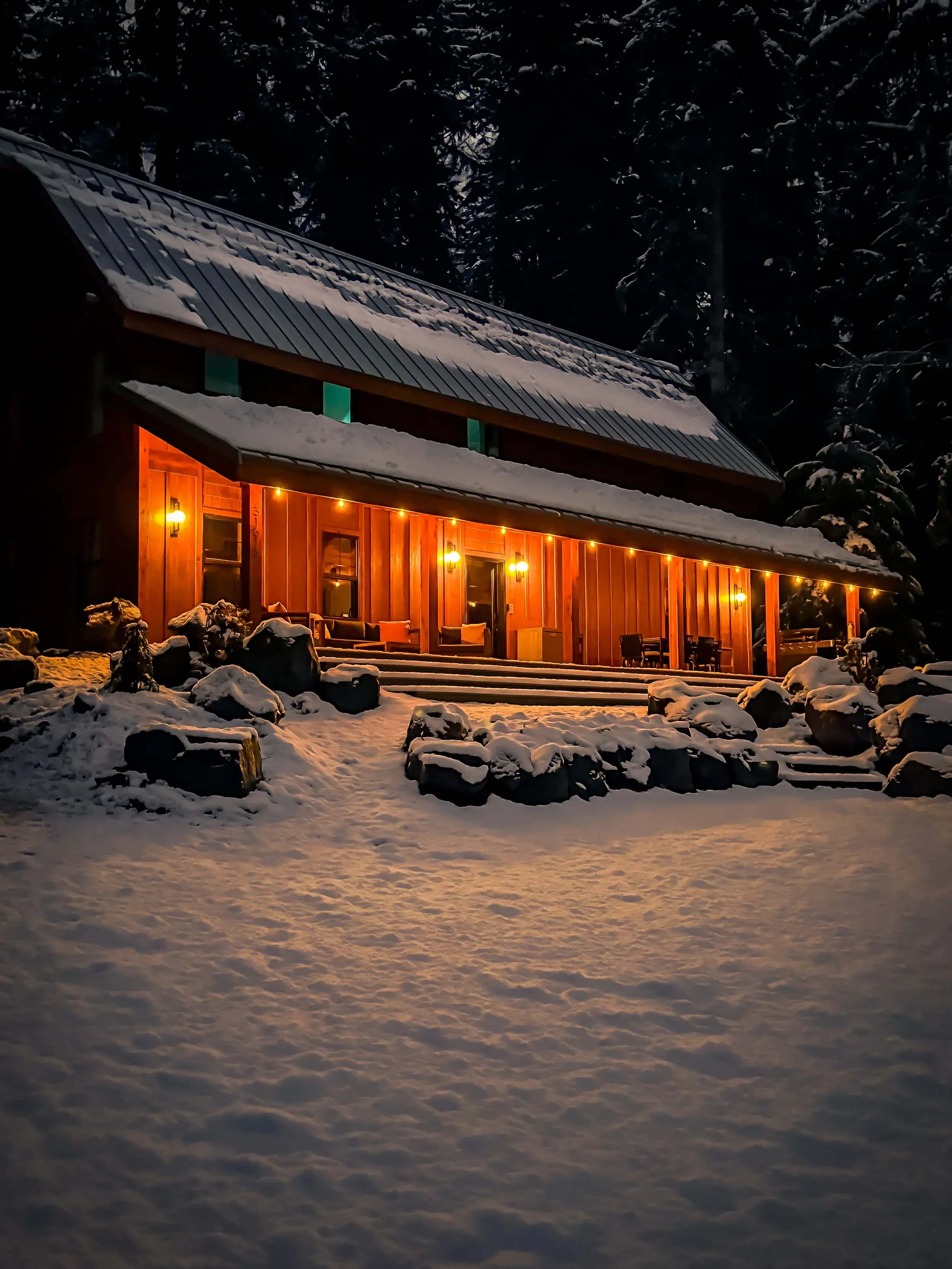
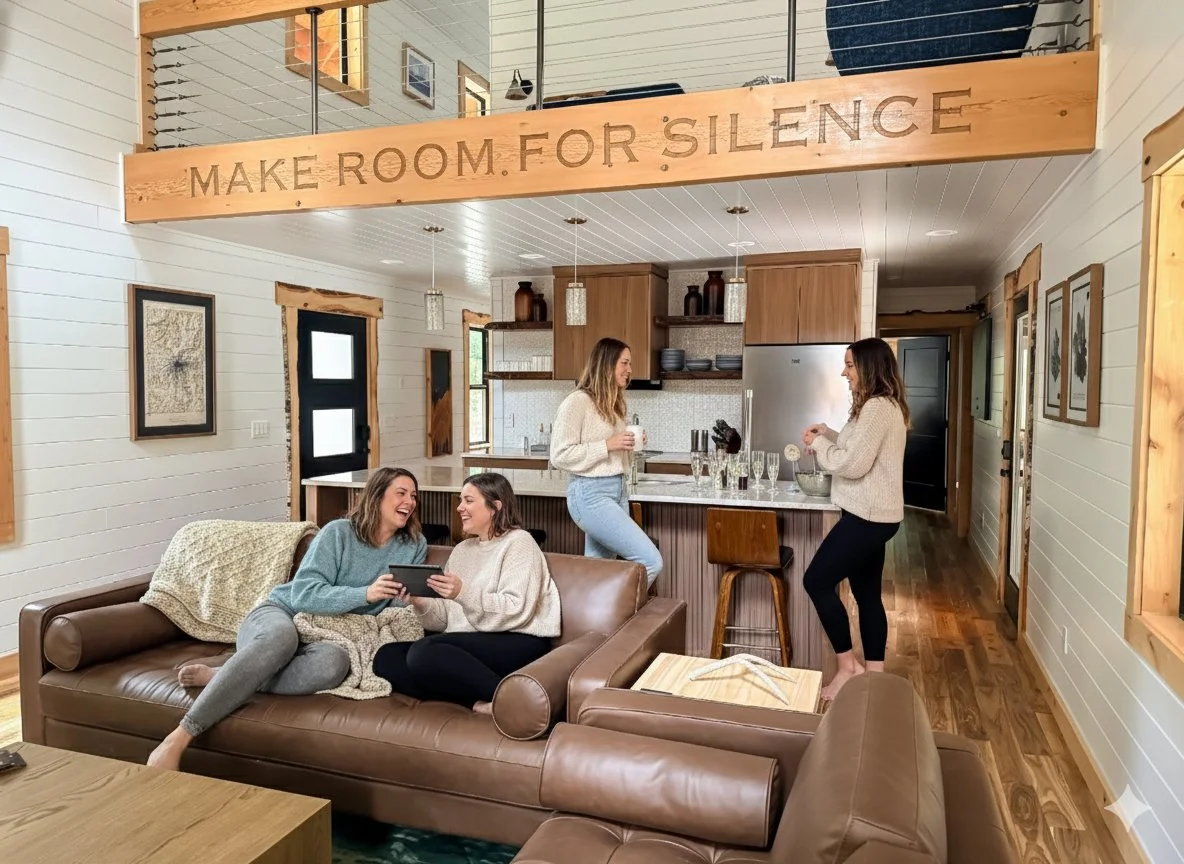
The tree canopy keeps the cabin shaded through the hottest part of the afternoon, and full A/C handles the stretches when shade alone isn't enough. Evenings cool off fast once the sun drops behind the ridge, which makes the deck usable well past dinner most nights in late summer, something that isn't true earlier or later in the season.
It's a different kind of green than the meadows up the mountain. There's no single dramatic bloom to point a camera at, just dense, established forest that stays this way regardless of snowpack or bloom timing, which makes it a reliable backdrop even in a year when the alpine flowers run late.
What Should You Pack for a Late-Summer Wildflower Trip?
The temperature swing between the forest floor at the cabin and the alpine meadows above Paradise is bigger than a single August day suggests it should be. Layers matter more than any single piece of gear, along with sun protection at elevation and enough water for a full day out. For a complete seasonal packing breakdown, Fjellsangin's guide on what to bring for a Mt. Rainier trip covers the specifics by season in more depth than fits here.
How Do You Plan a Wildflower Trip From Fjellsangin?
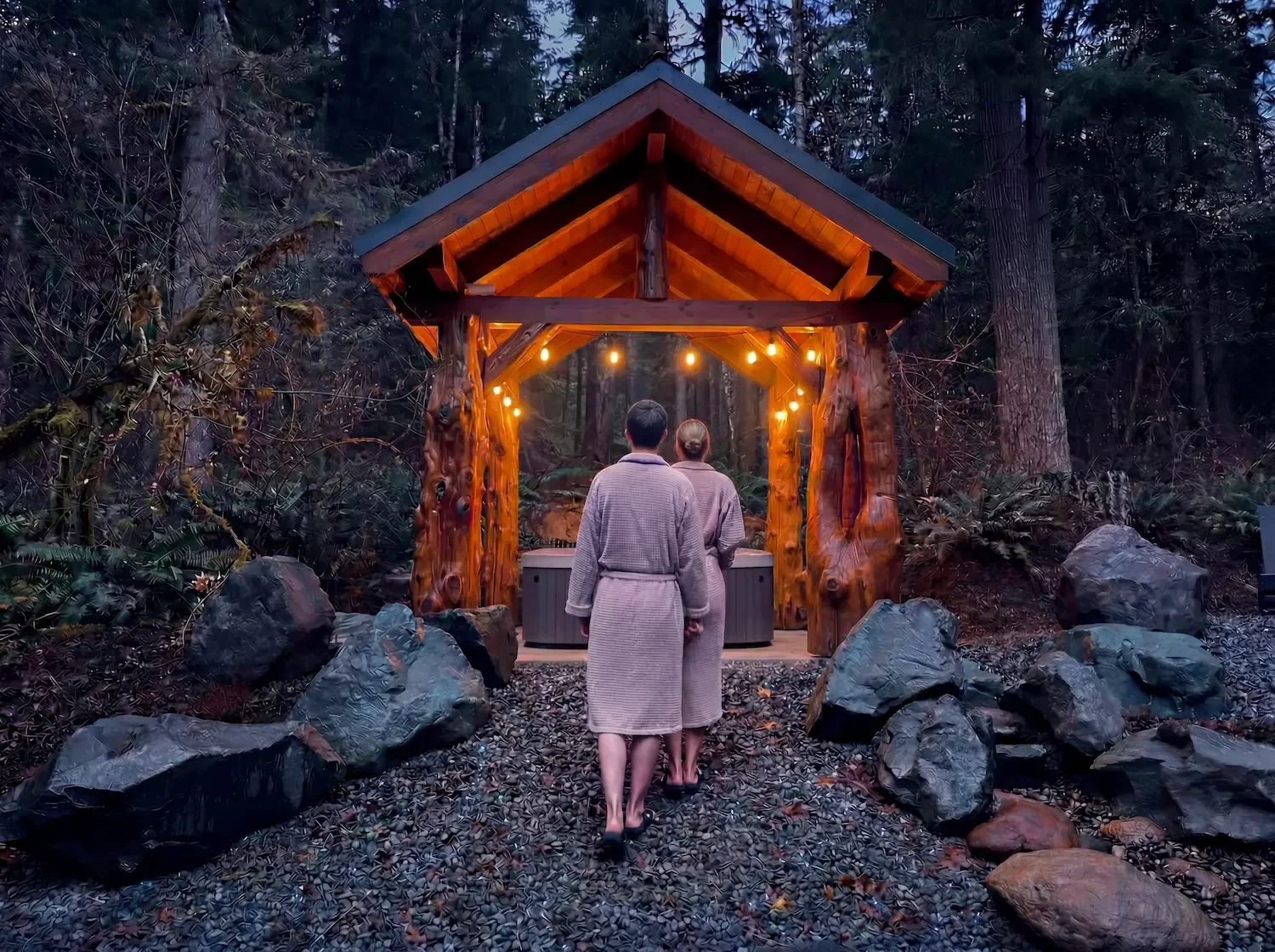
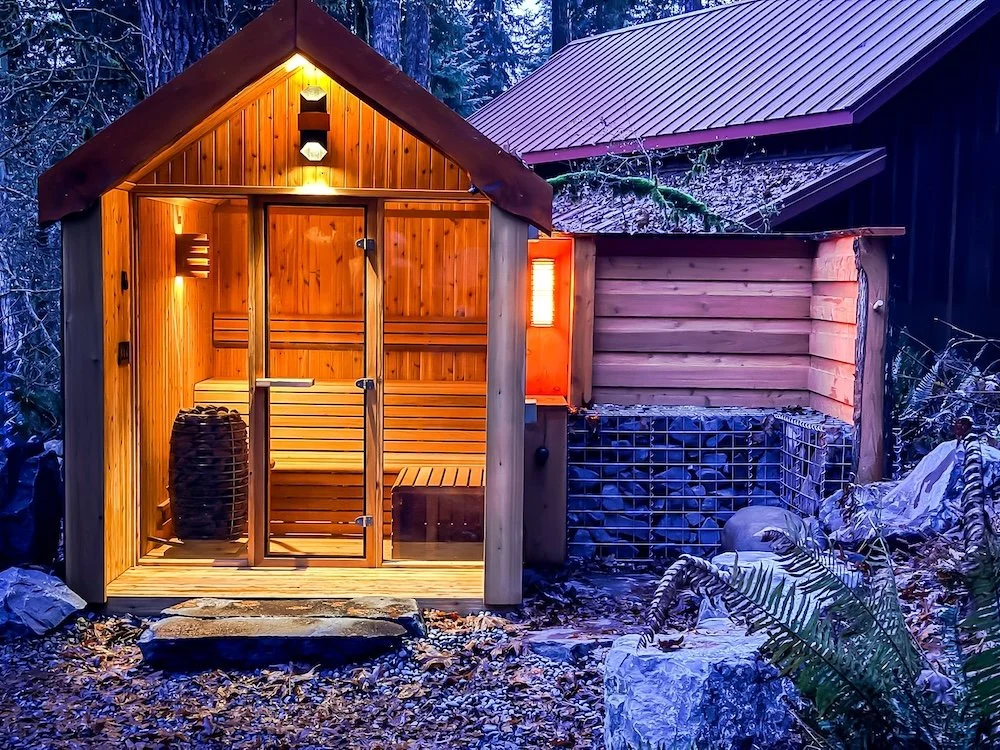
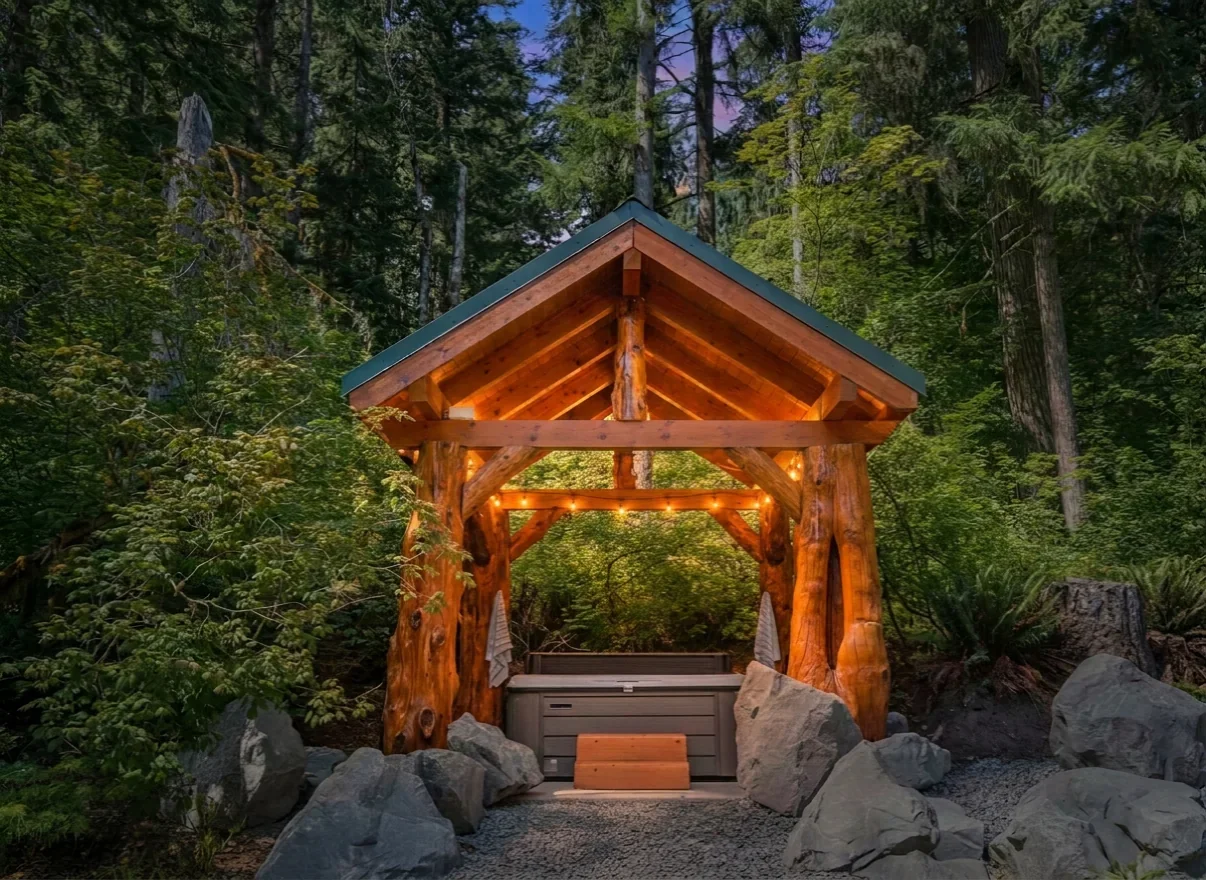
The most efficient version of this trip starts early. Leaving the cabin before eight puts a couple at Paradise ahead of the midday crowds and parking crunch, with the whole afternoon still open for a second hike or a slow drive back through Longmire. Coming back to the cabin afterward, rather than a hotel closer to the park entrance proper, means the day ends with the cedar sauna and the covered hot tub pavilion instead of a parking lot.
A two-night stay leaves room for one hiking day and one slower recovery day, which matters more in wildflower season than most people plan for. If a heavy snow year pushes the bloom later than usual, staying ten minutes from the entrance makes it easy to check conditions each morning and shift the hiking day without losing the trip to a bad forecast.
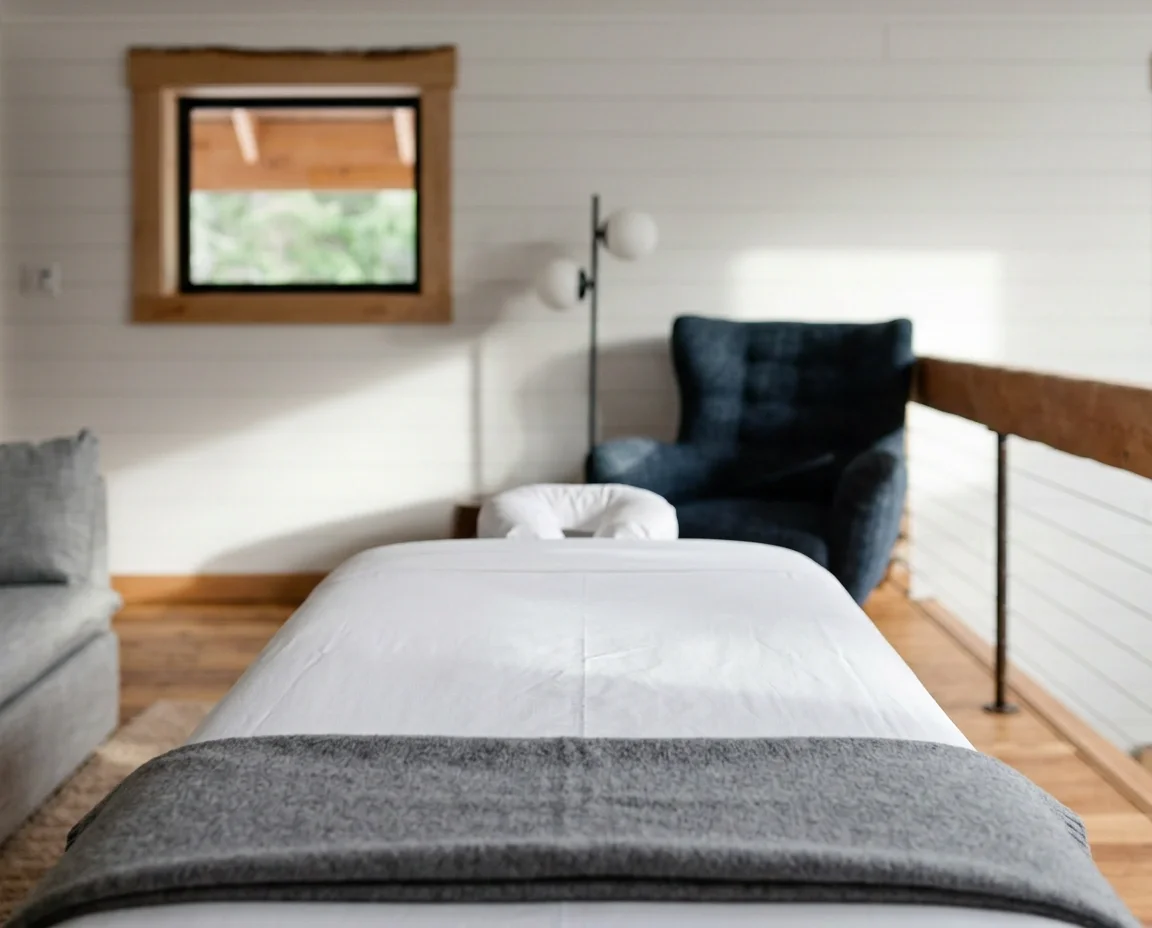
The recovery day is where the cabin earns its keep. After a full day on trail in the sun, the cedar-lined sauna and covered hot tub pavilion do more for sore legs than another hour of driving back to a hotel farther from the park ever could. Some couples treat the second day as its own destination rather than an afterthought to the hiking.
Wildflower season is short and weather-dependent, so a two-night stay leaves room for one hiking day and one recovery day. Book your stay at Fjellsangin, ten minutes from the Nisqually Entrance in Ashford, Washington, and check the experiences page for add-ons to round out the weekend.