Visiting Mt. Rainier for the First Time in 2026? Read This Before You Leave Ashford
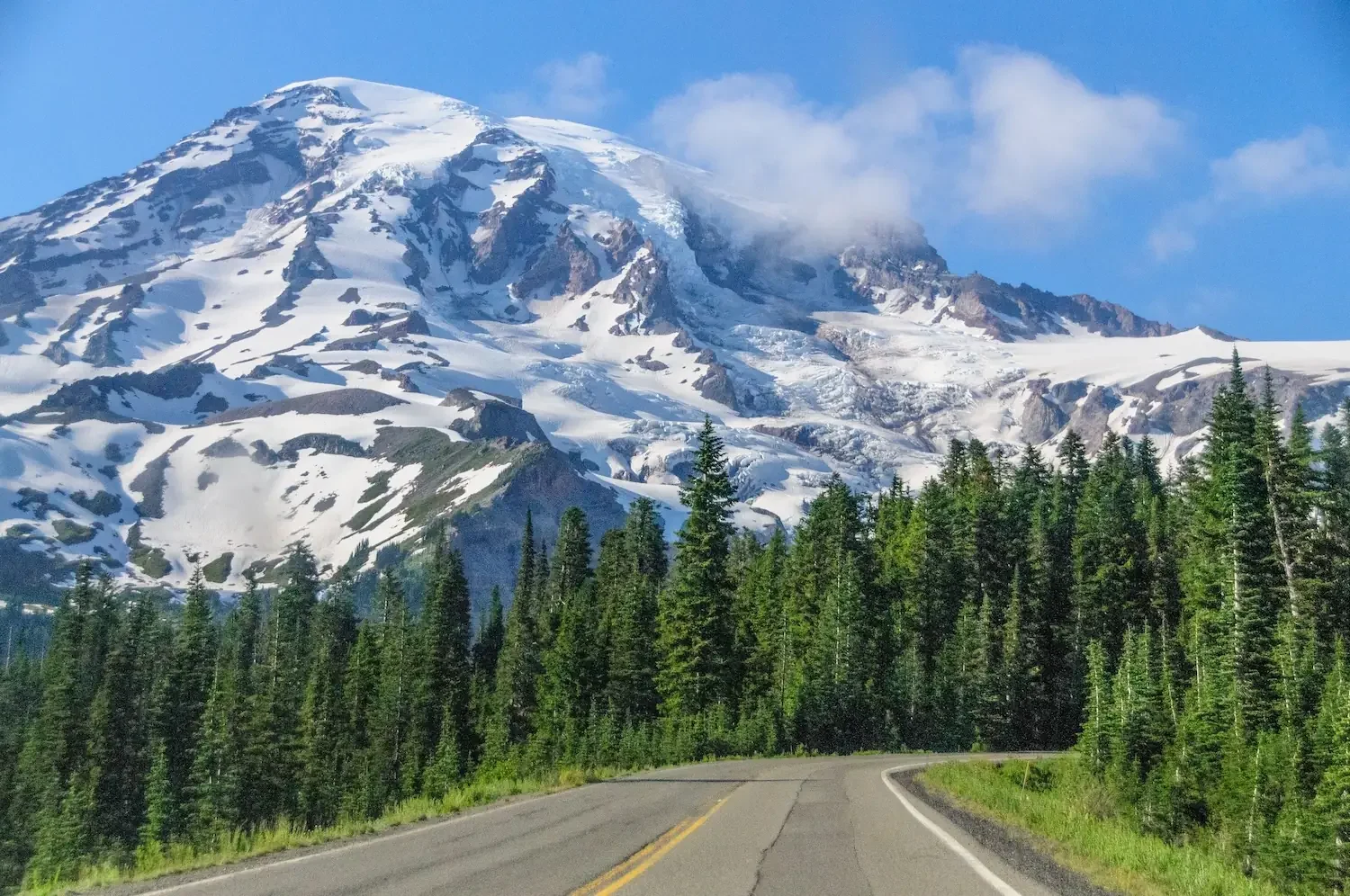
Mount Rainier doesn't run on your itinerary. It runs on elevation, weather, and whatever's posted on the park's alerts page that morning. Right now, that page has more on it than usual: a campground closed for the season, an entire corner of the park cut off by a bridge that failed structurally, and a fire ban that applies to every fire pit and grill inside park boundaries. None of it should keep you home. All of it should change how you plan the day.
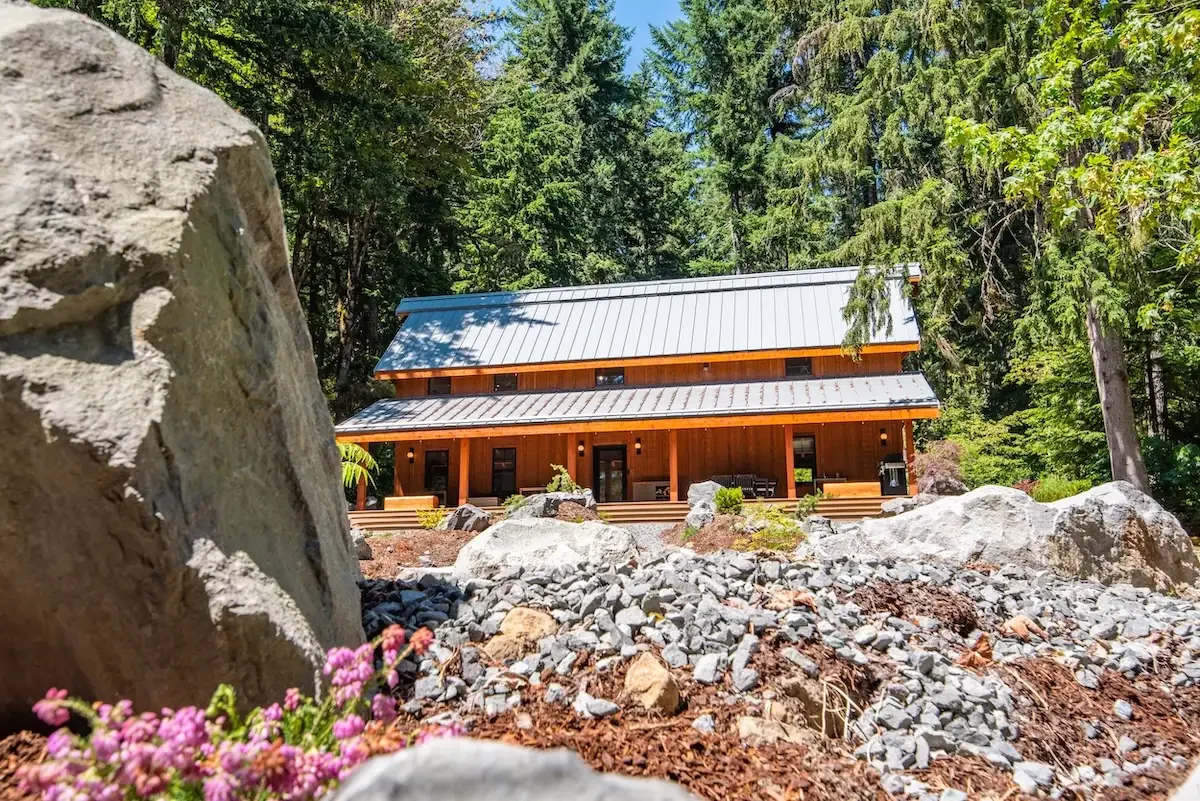
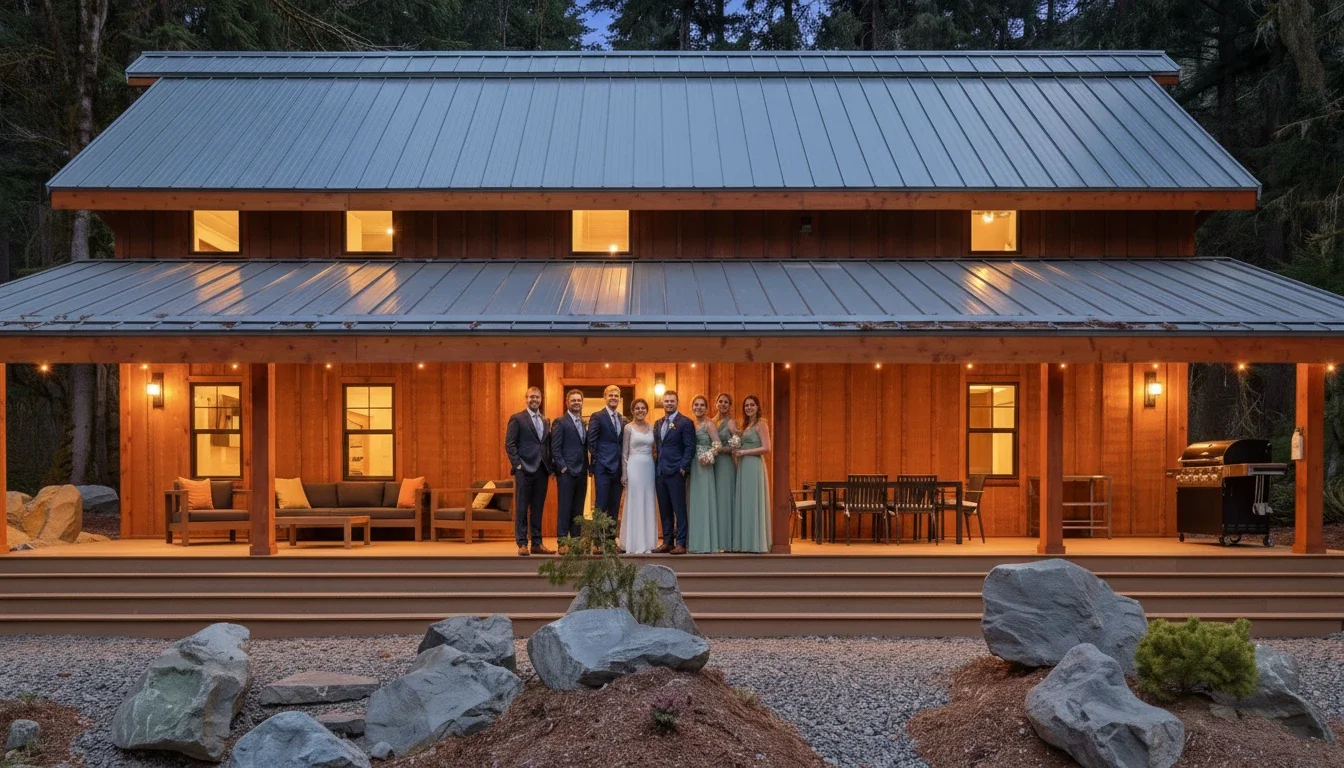
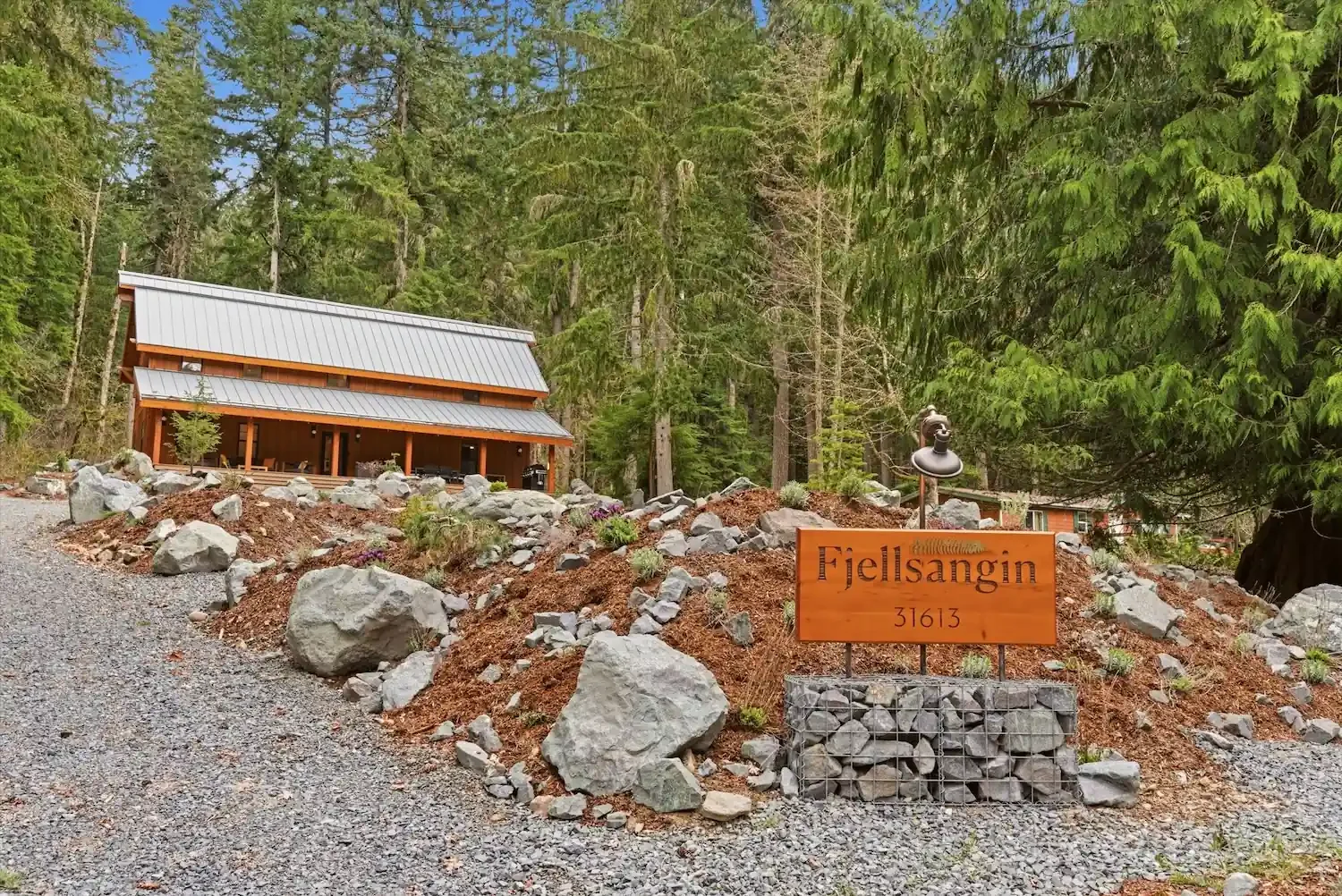
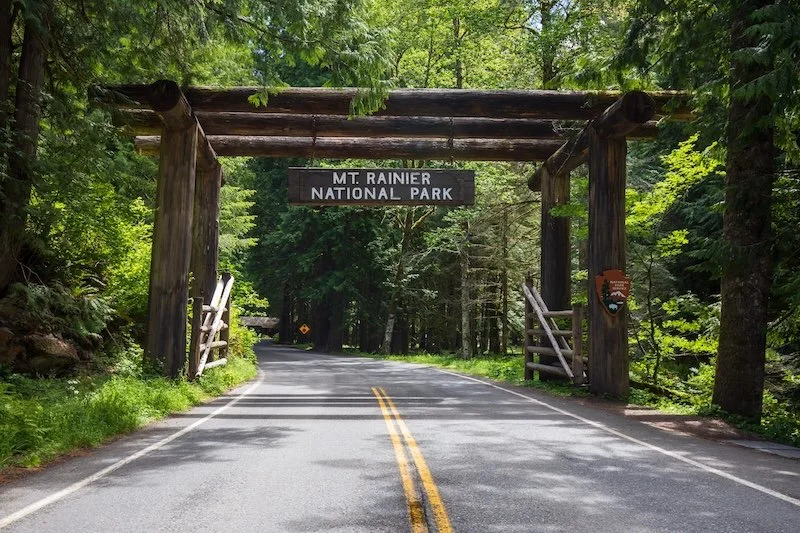
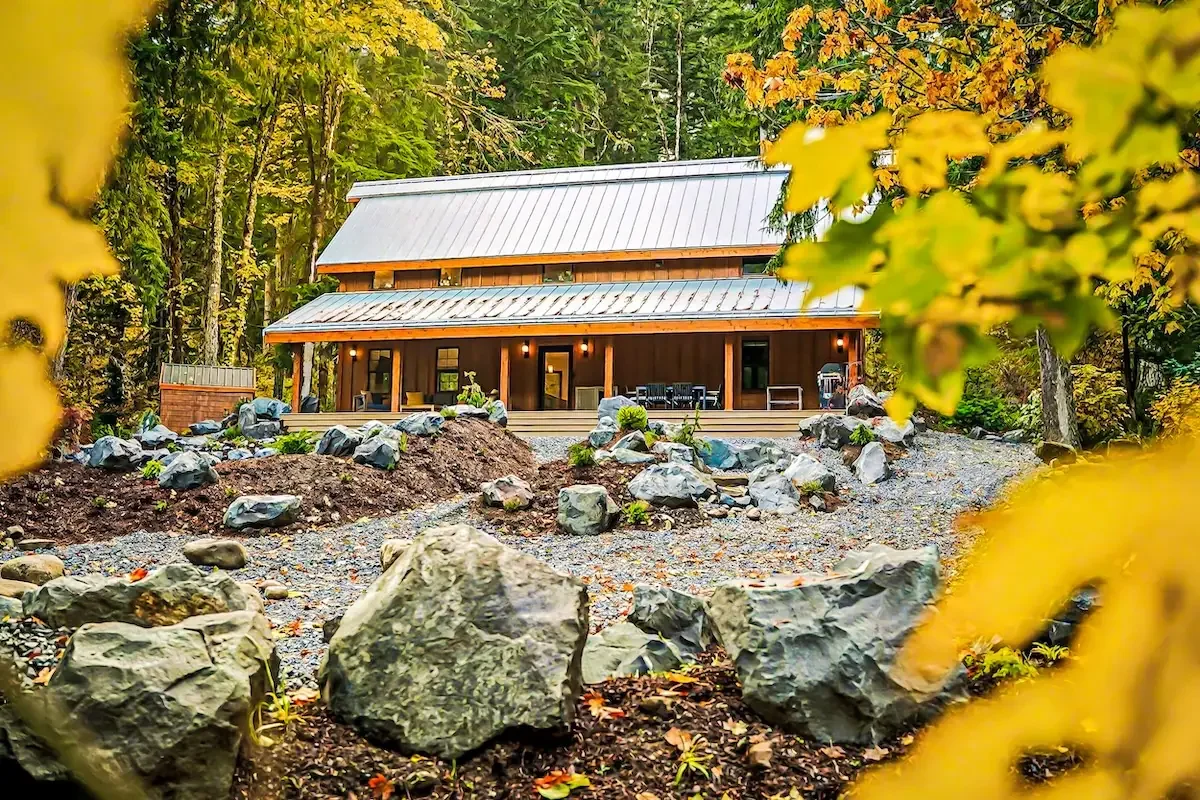
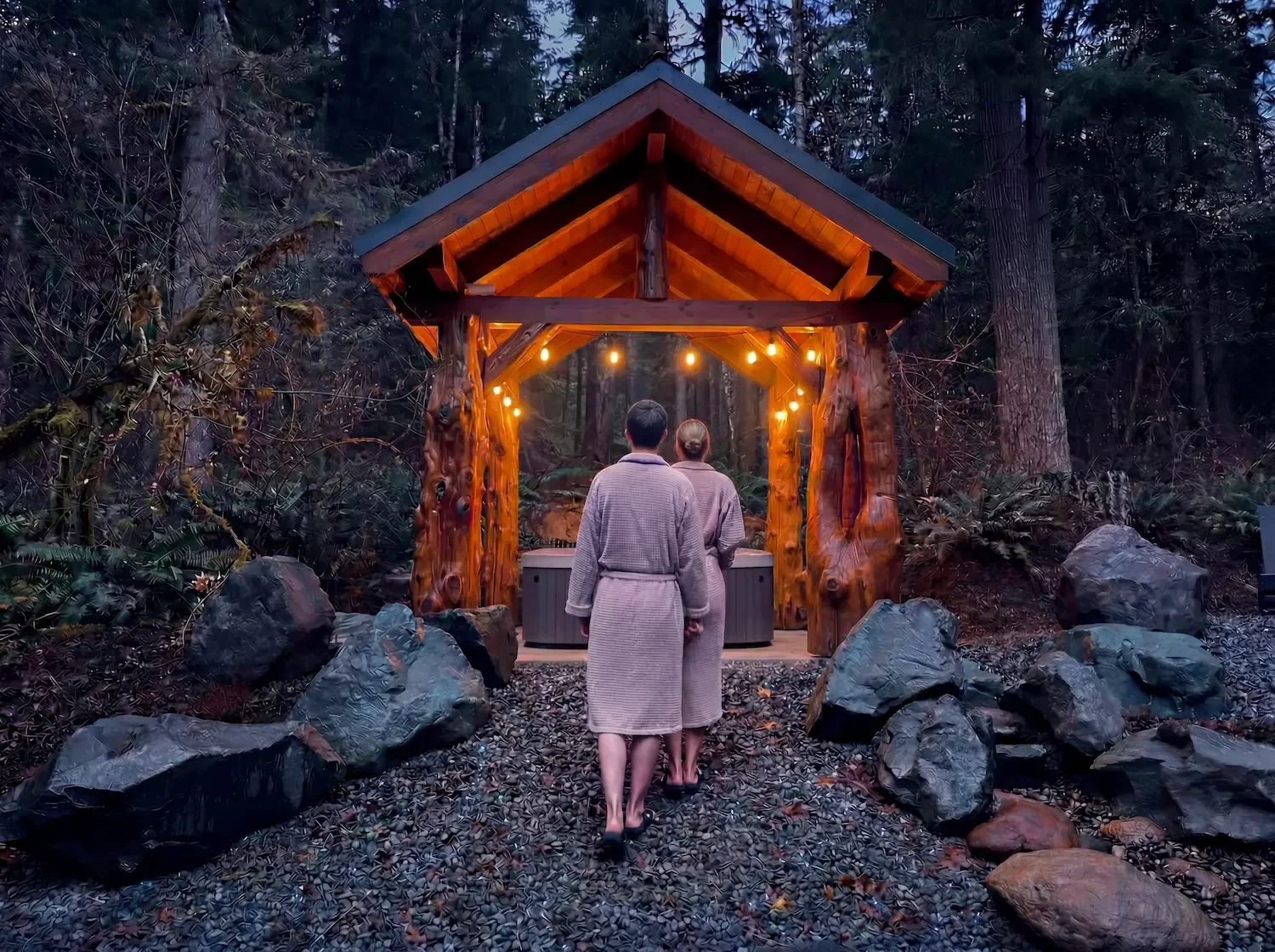
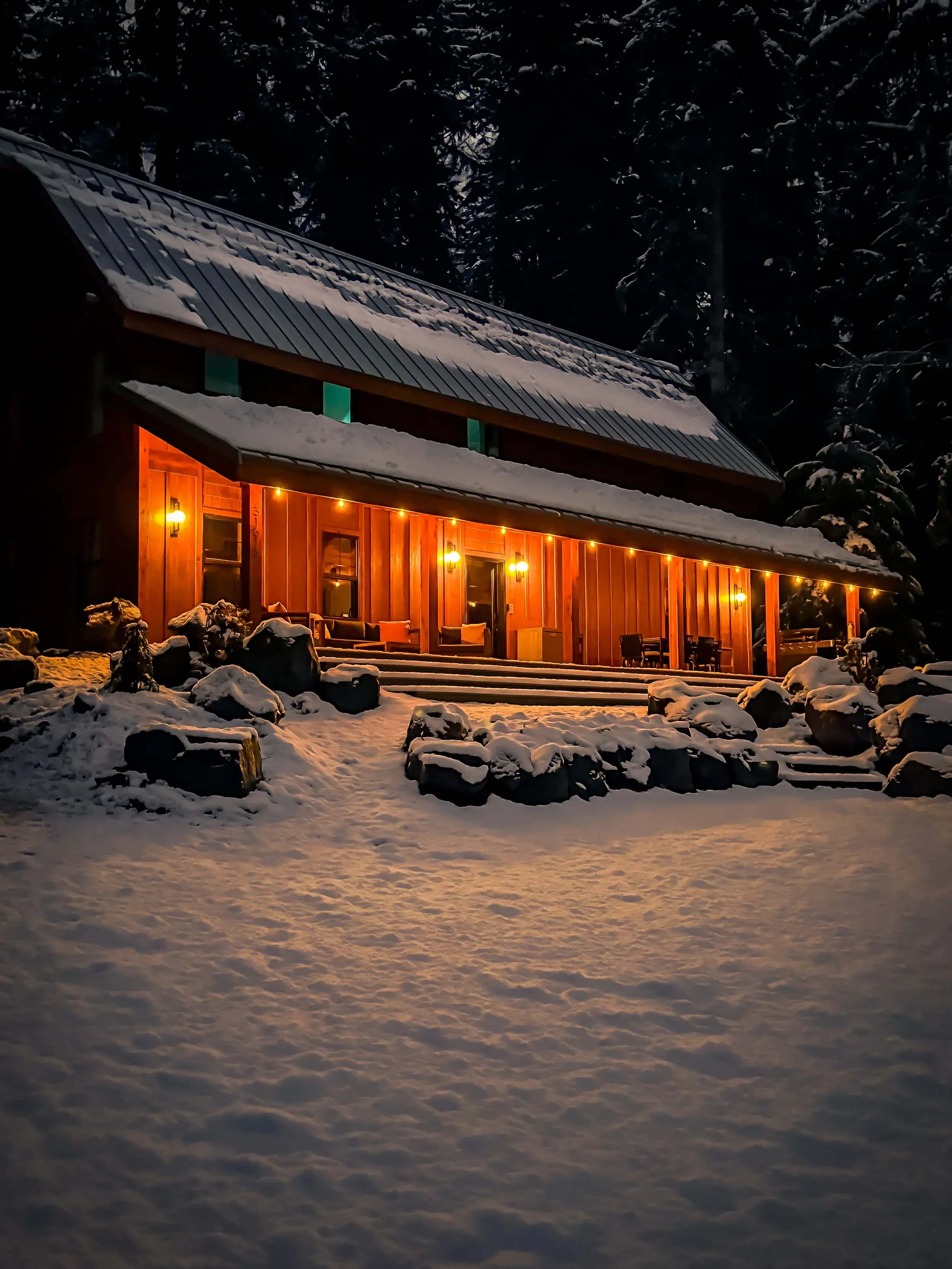
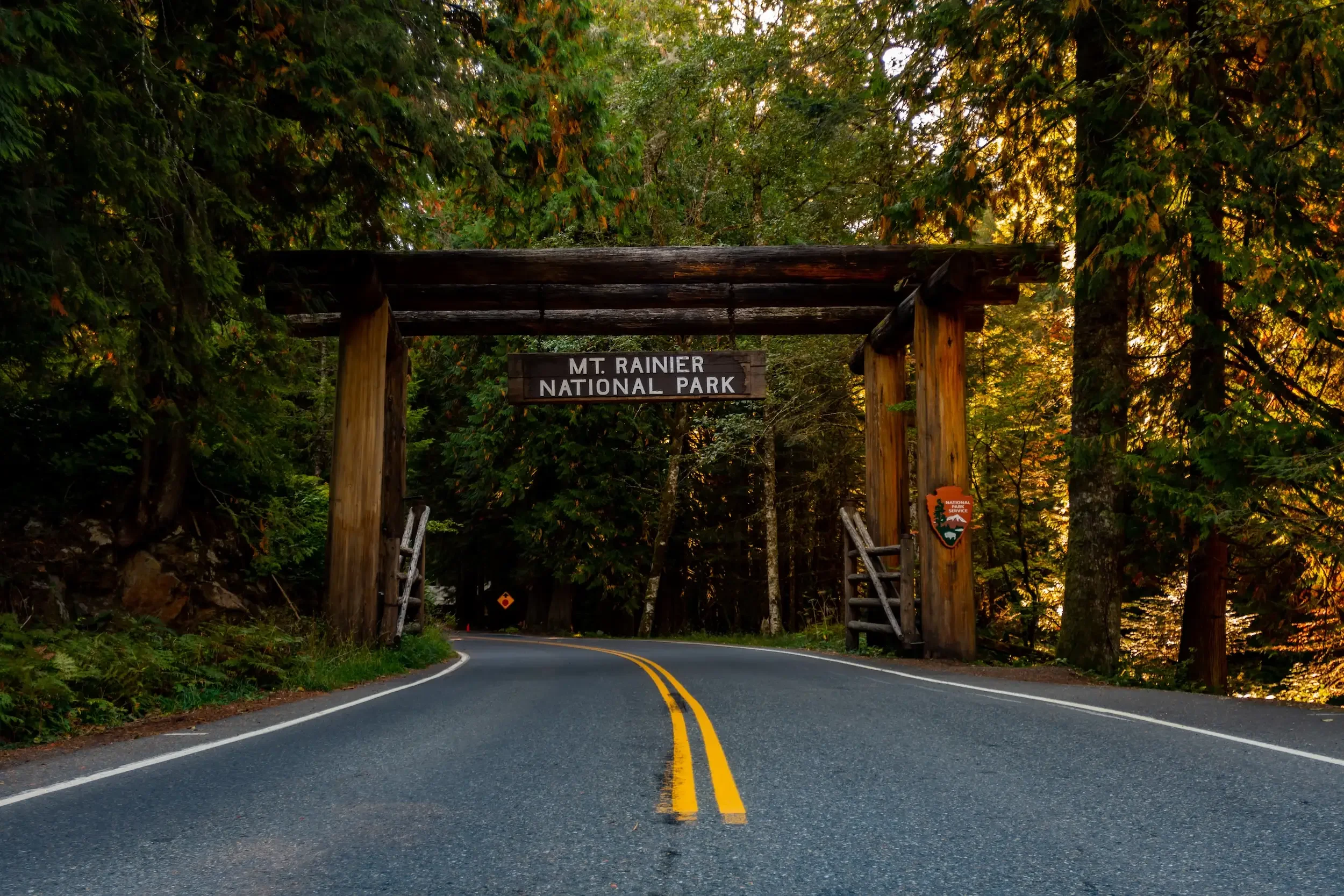
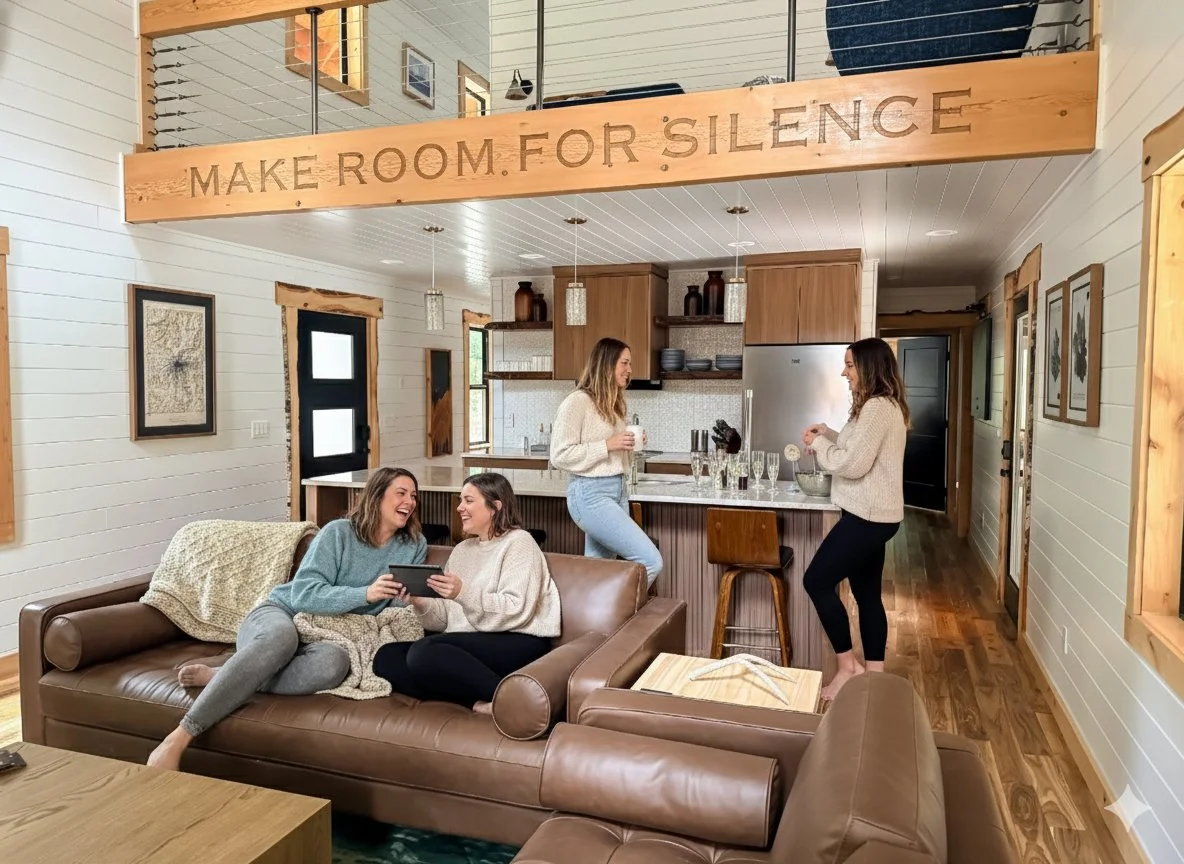
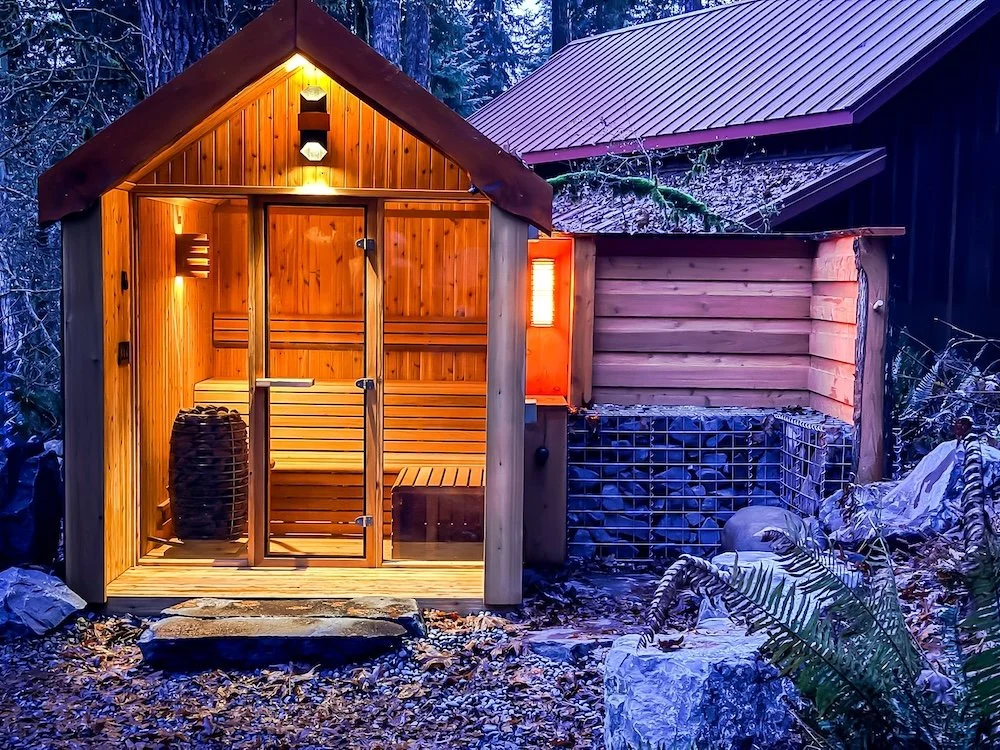
Fjellsangin is a Nordic-inspired luxury forest cabin at 31613 Mt. Tahoma Canyon Road E in Ashford, Washington, ten minutes from the Nisqually Entrance to Mt. Rainier National Park. For anyone visiting Rainier for the first time this summer, the short version is this: check the park's alerts page before you drive up, aim to be at Paradise before mid-morning or choose a quieter corner of the park instead, expect a full parkwide campfire ban, pack for sun and snow in the same day, and bring your own water. Everything below covers why each of those matters and what to do about it
What's Actually Closed at Mount Rainier Right Now?
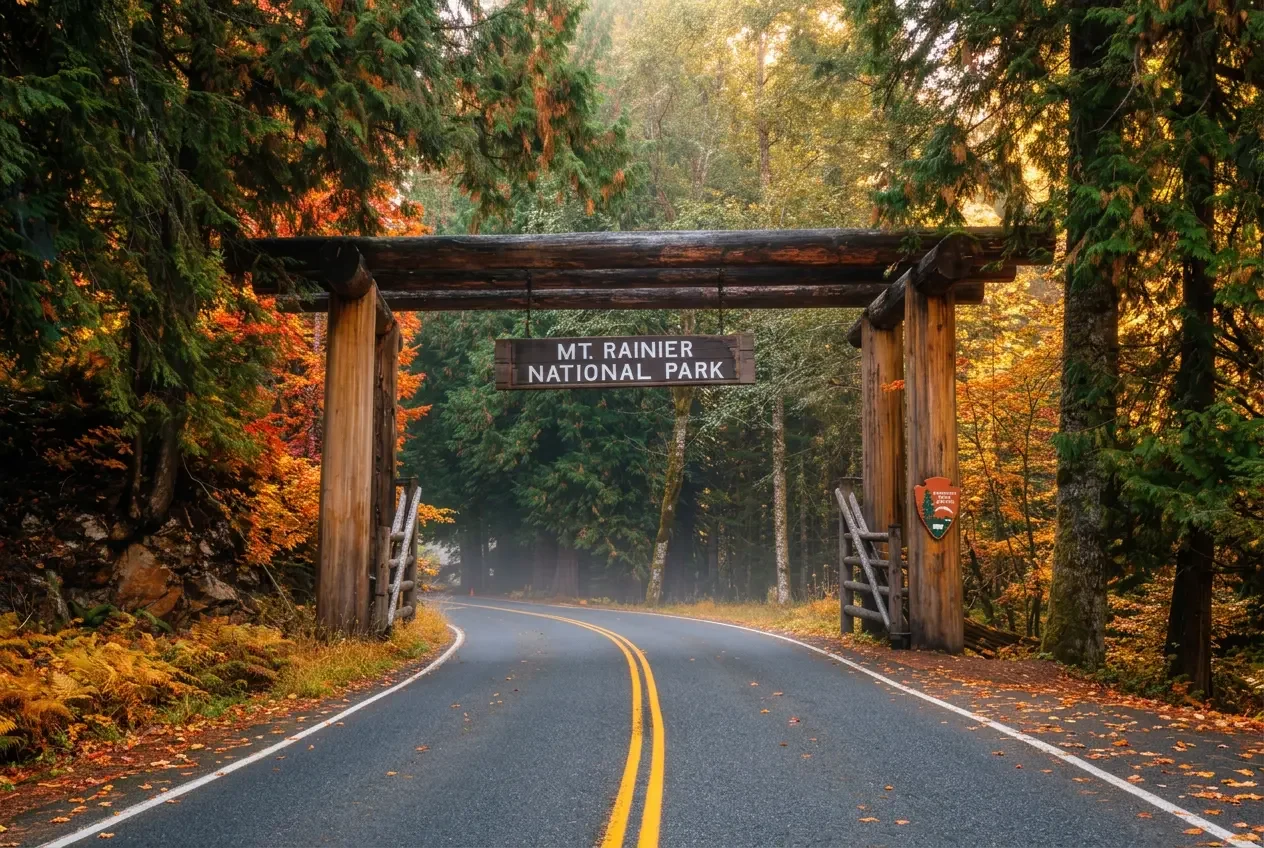
Ohanapecosh is closed for the entire 2026 season. Not just the campground, the visitor center, restrooms, picnic area, and river access are all part of a rehabilitation project that's been underway since 2025. If your plan included Silver Falls or a walk near the old hot springs site, you'll reach it from the Eastside Trail instead of the usual campground access road.
Further north, the Carbon River and Mowich Lake area has been off-limits by car since April 2025, when the Fairfax Bridge on SR 165 failed structurally. Washington's Department of Transportation doesn't expect that road to reopen before 2031. Neither closure is new or secret, but both catch first-time visitors who built a trip around an old blog post or a friend's photos from a few summers back. Check the park's road status page the morning you leave, not the week before. If this is your first visit to the mountain in general, our guide to what most first-time visitors get wrong covers the bigger-picture planning mistakes that have nothing to do with this year's construction schedule.
We're up at the park to hike or grab dinner several times a month, and the parking congestion this year is real, not exaggerated. Even a weekday afternoon at Longmire or Paradise can mean circling for a spot longer than you'd expect.
Does This Affect the Nisqually or Sunrise Entrances?
No. The Carbon River entrance is entirely closed to vehicles due to the Fairfax Bridge failure. Ohanapecosh, reached via the Stevens Canyon Entrance and SR 123, has its campground and facilities closed for construction. The Nisqually Entrance and the White River Entrance to Sunrise are both open and unaffected by either closure.
Expect delays of up to 30 minutes along a 2.8-mile stretch of SR 123 near the construction zone. Sunrise fills its own lot just as fast as Paradise does on a summer weekend, so arrive before 7 a.m. or plan for a weekday there too.
Where Can You Avoid the Paradise Parking Crush?
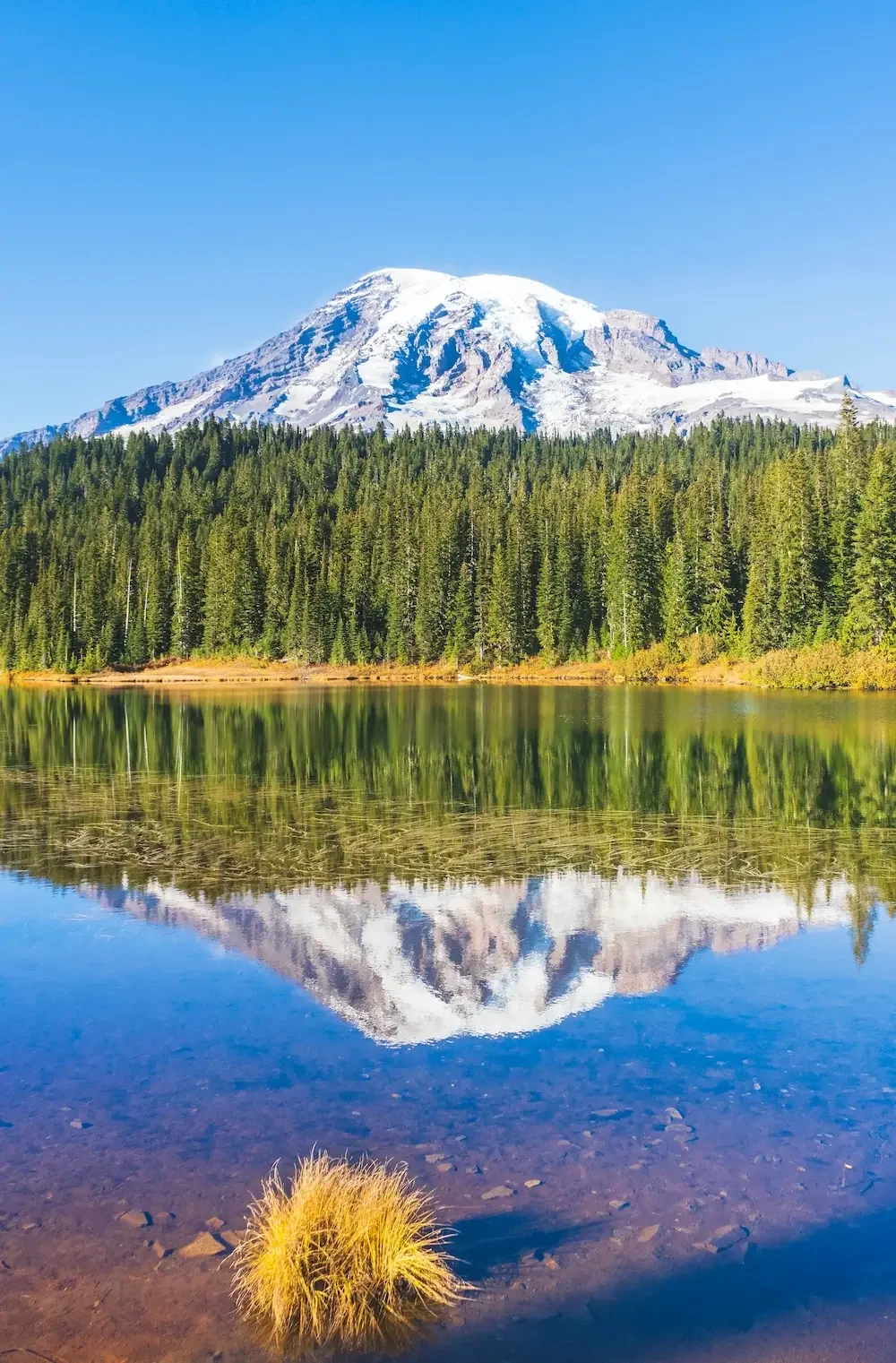
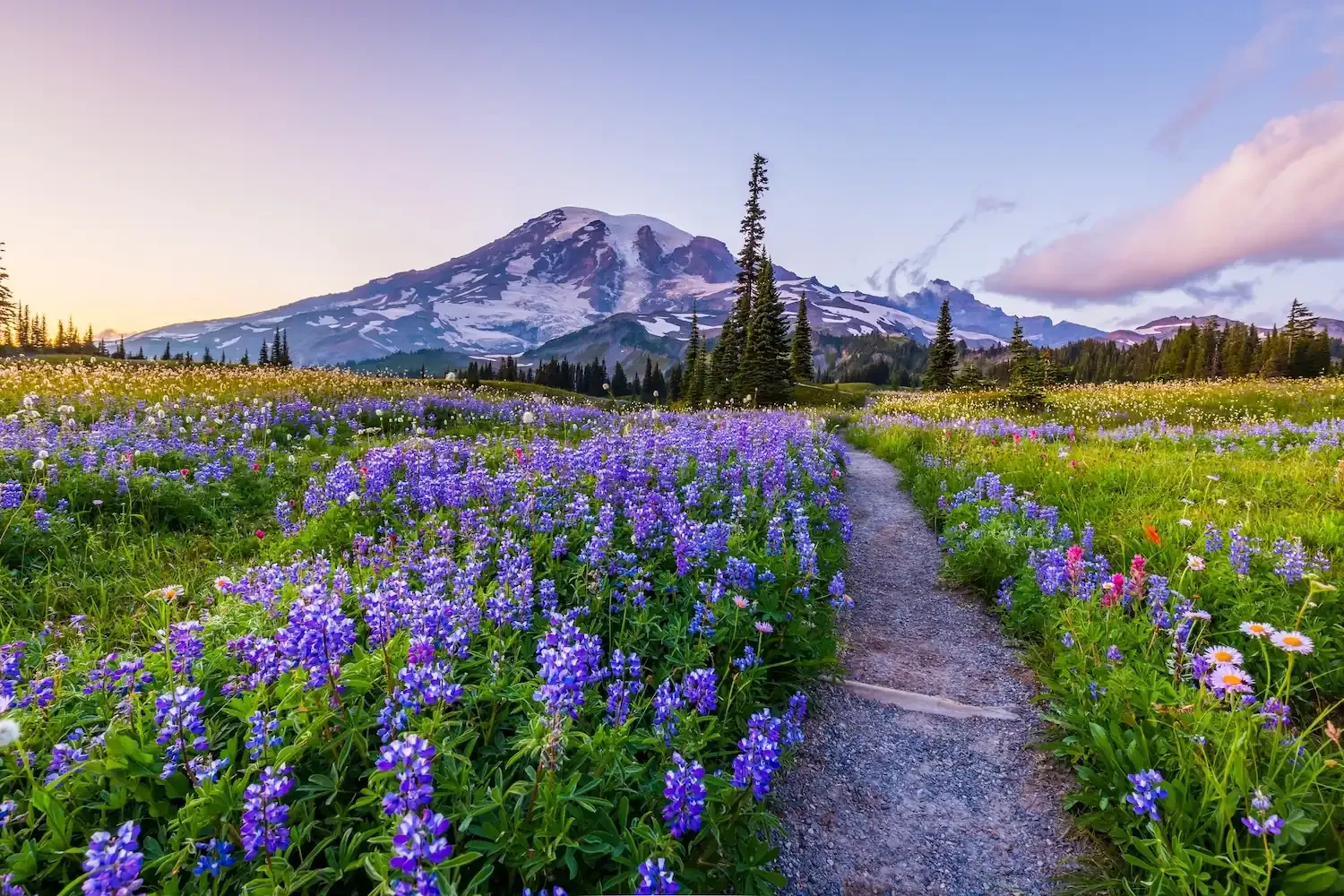
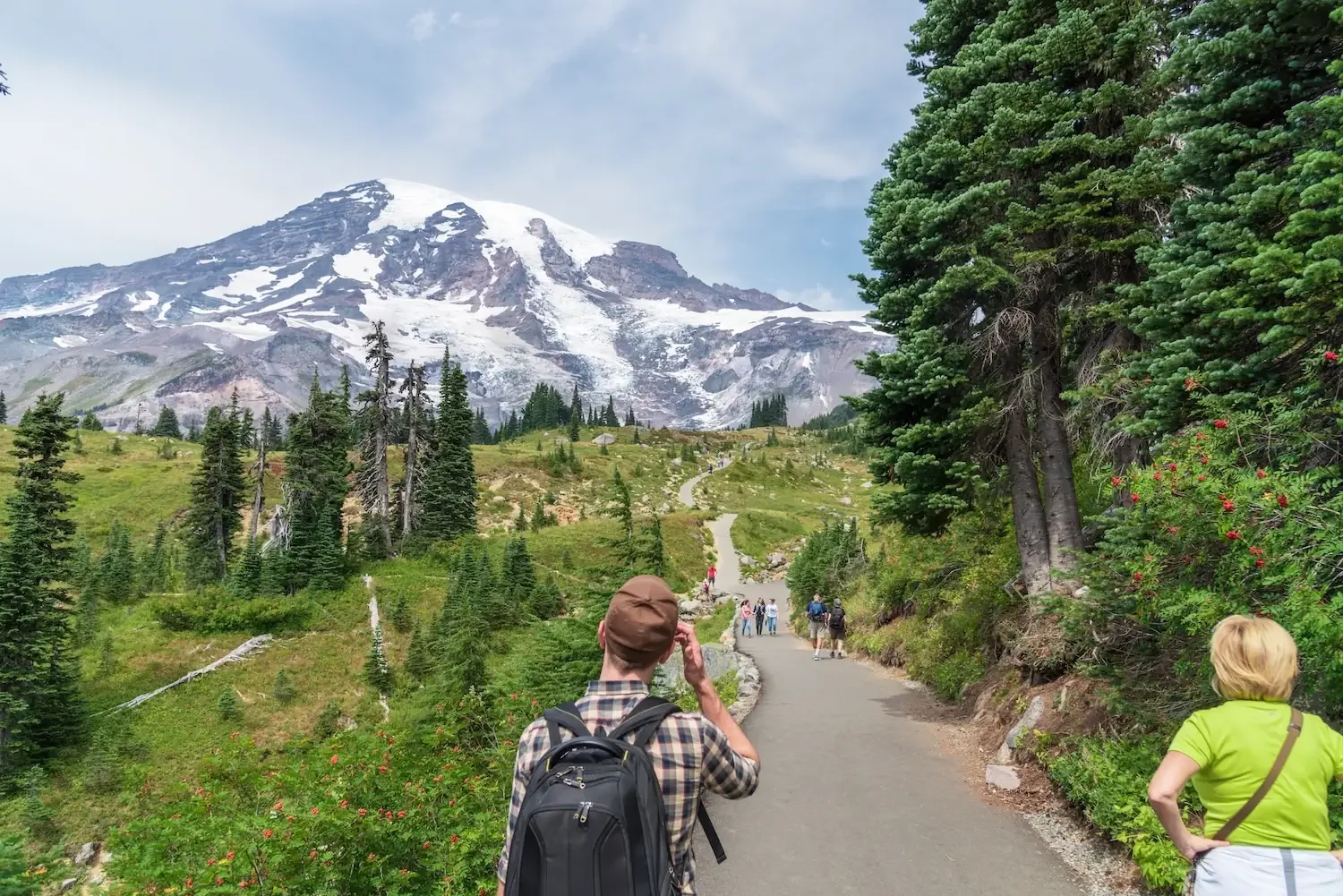
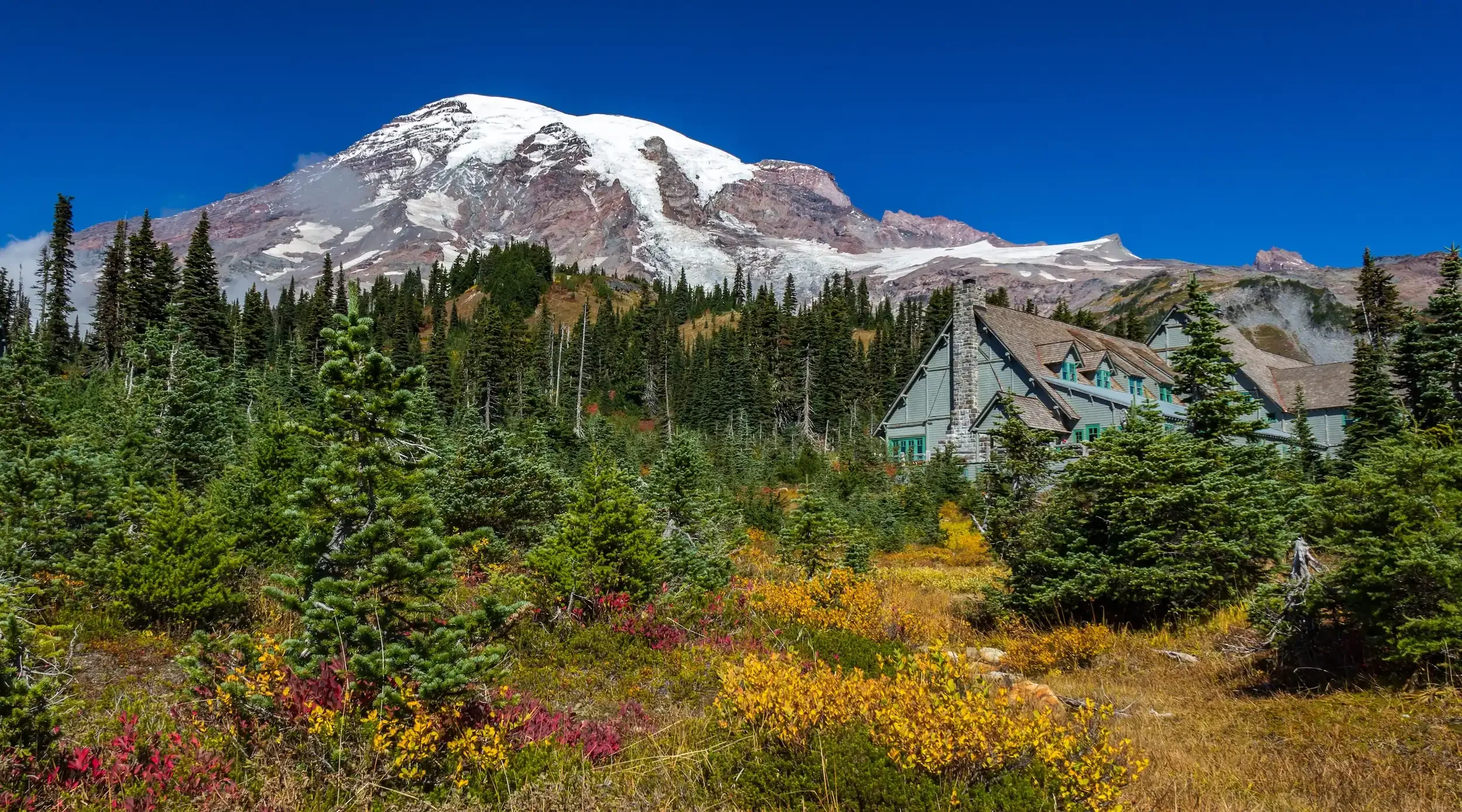
Paradise is the postcard, and everyone knows it. The parking lot fills before mid-morning on most summer days, sometimes well before. If you want that view, arrive before 7 a.m. or plan for a weekday instead of a weekend. If you'd rather skip the gamble entirely, there's a version of Rainier that gets a fraction of the traffic and delivers just as much.
Reflection Lakes holds the mountain's reflection on a still morning without the crowd that Paradise pulls. The Westside Road corridor is a longer, rougher drive, and it rewards you with quiet. SR 410 and SR 123, on the east side of the park, wind through terrain most day-trippers from Seattle never bother to reach. These are the areas our team returns to on our own days off, not because Paradise isn't worth seeing, but because a park this size has more than one good answer to where you should go. Our scenic drives guide from the Nisqually side and best hikes on the Nisqually side cover both in more detail.
Is There a Campfire Ban in Effect?
Yes, parkwide, and it isn't optional. No campfires, no charcoal, no lit fuel of any kind in a grill or fire pit, in a developed campground or anywhere else inside park boundaries.
The rule exists because dry conditions and downed trees around the campgrounds have pushed the risk of a human-caused fire past what the park is willing to gamble on. Portable propane stoves and lanterns are still fine as long as you can turn them off. If your plan for the evening involved a campfire, swap it for a headlamp and a good stove. Smokey Bear had a point.
What Should Actually Go in Your Pack?
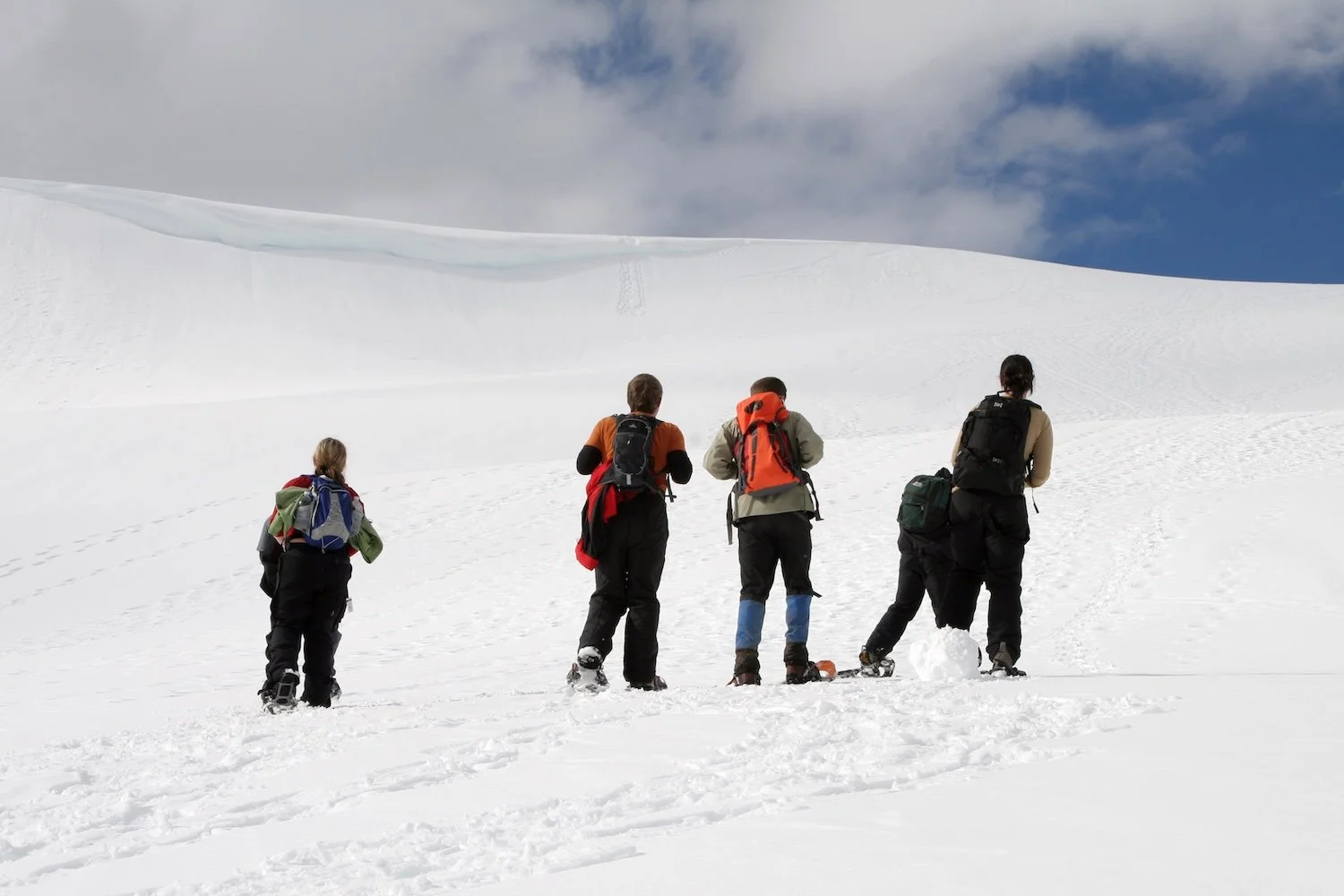
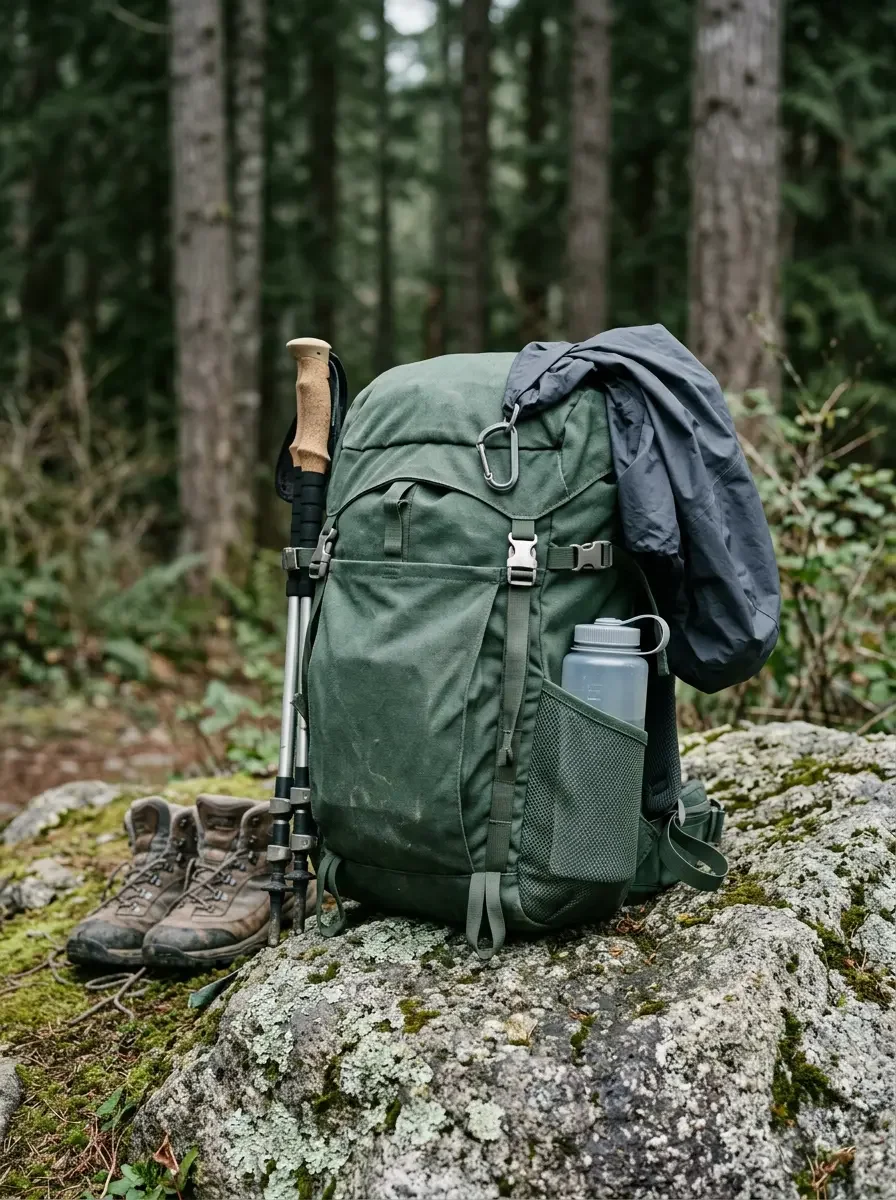
The sun at 5,400 feet does more damage than the same sun at sea level, and most first-time visitors underestimate it until they're sunburned at the trailhead. Pack sunscreen, a hat, and layers you can add or shed without much thought. Conditions shift by elevation more than by forecast. Higher trails can still be carrying snow and ice into summer while the parking lot at the trailhead sits in full sun and seventy degrees. Dress for the trail you're actually hiking, not the weather where you parked the car.
We're always amazed on the trail by how many people dress for the weather they left home in, not the weather they're about to walk into. Conditions here can turn in the time it takes to eat lunch. We never head out without layers and at least a jacket in the pack, right alongside the snacks.
Do You Need to Bring Your Own Water?
Yes. The park relies on snowmelt, and the potable water supply at most developed areas is limited this year, especially with facilities like Ohanapecosh out of commission. Fill up before you leave Ashford. Don't count on finding a tap once you're on the trail. Currently, the park is posting that they are having water shortages and are recommending that people make sure to bring their own water.
Are Ranger Talks Worth Your Time?
They're free, they run most days in summer, and they're one of the better ways to actually understand what you're looking at instead of just photographing it. The Plan Your Visit section of the park's website posts the current schedule, so you can build a talk into your day instead of stumbling onto one by accident. Check the park's calendar before you go.
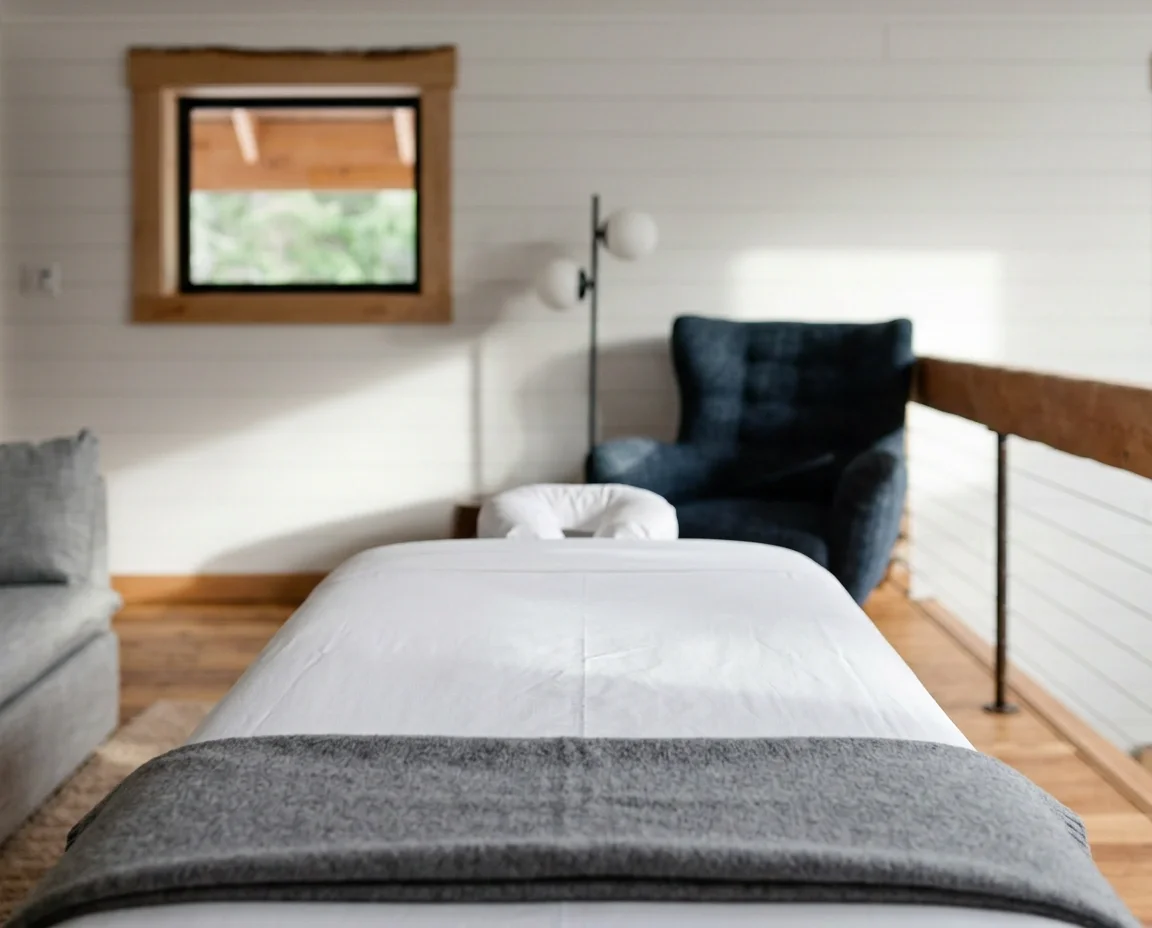
Stay ten minutes from the Nisqually Entrance at Fjellsangin, and the parking-lot math gets a lot more forgiving. Leave for Paradise before sunrise, or skip it altogether for a quieter morning at Reflection Lakes, and either way you're back at the cedar-lined sauna before the day is done