What to Pack for a Mt. Rainier Trip: A Cabin Guest's Practical Guide
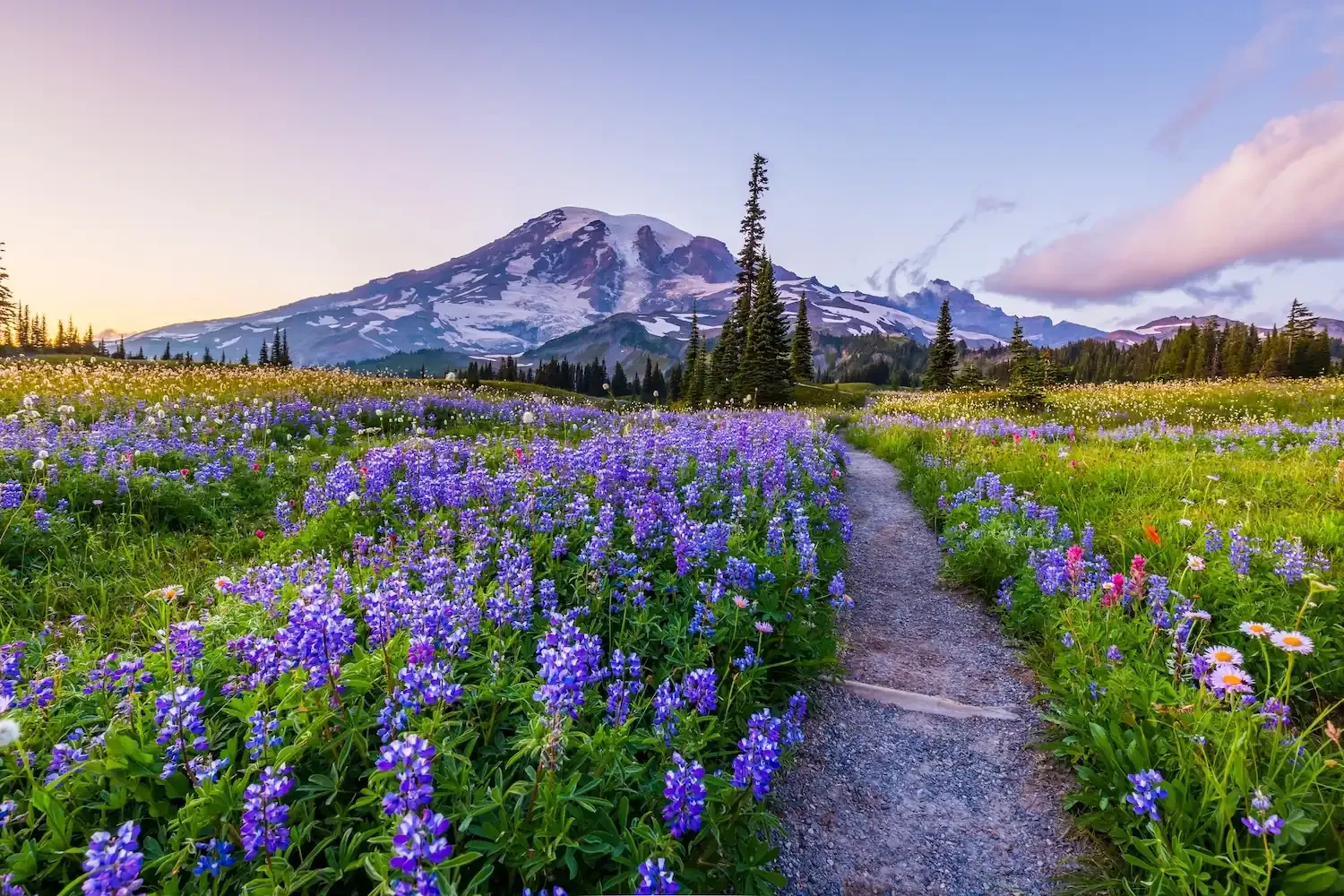
Most packing lists for Mt. Rainier read like they were written by someone who has never been. Forty layers for a July afternoon at Paradise. A rain jacket recommendation with no mention of the fact that the base area and the alpine zone are operating in completely different weather systems on the same day. If you're staying in Ashford and heading up to the park, you need a list that accounts for both.
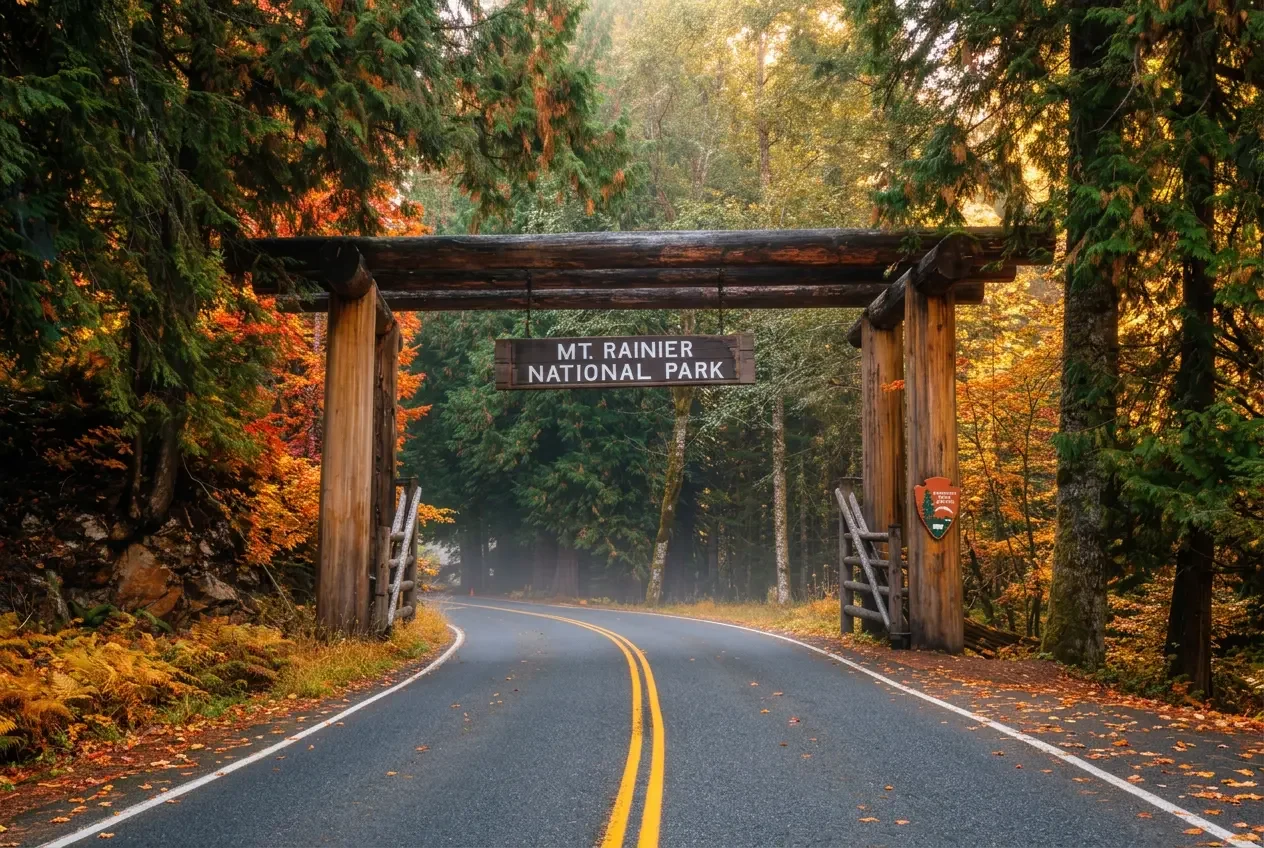
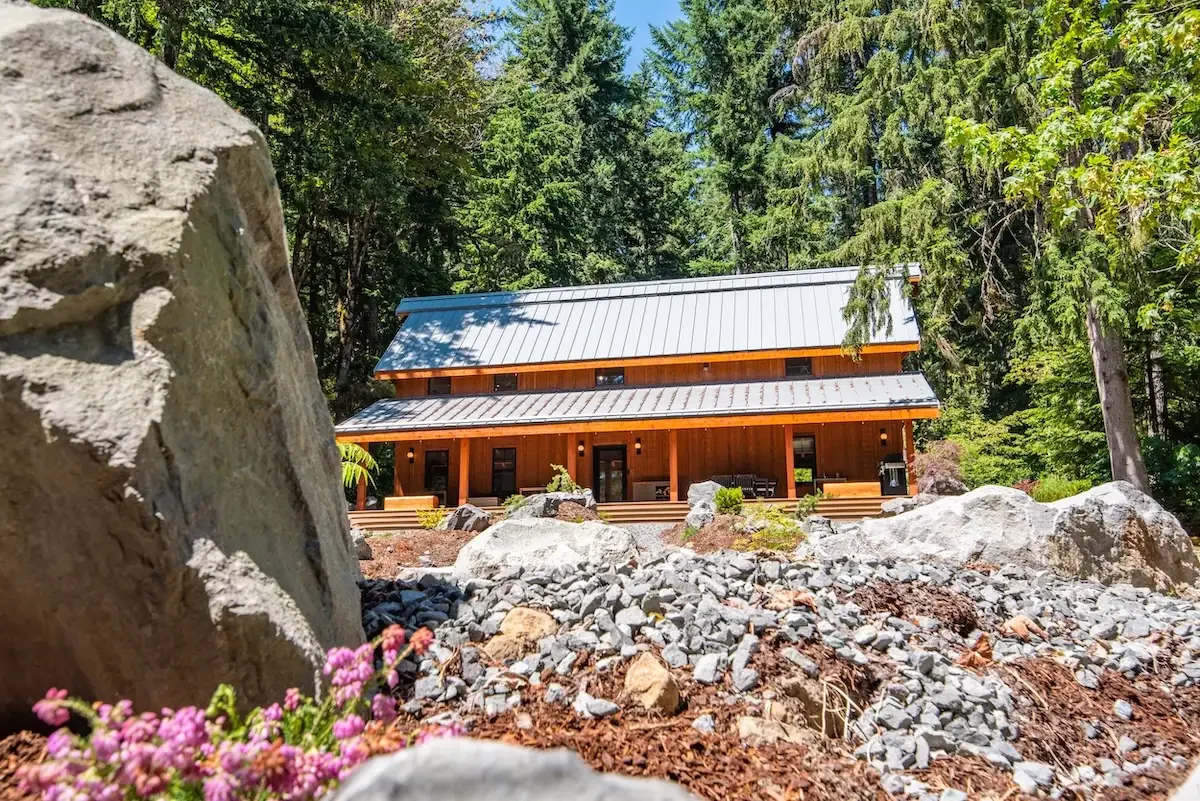
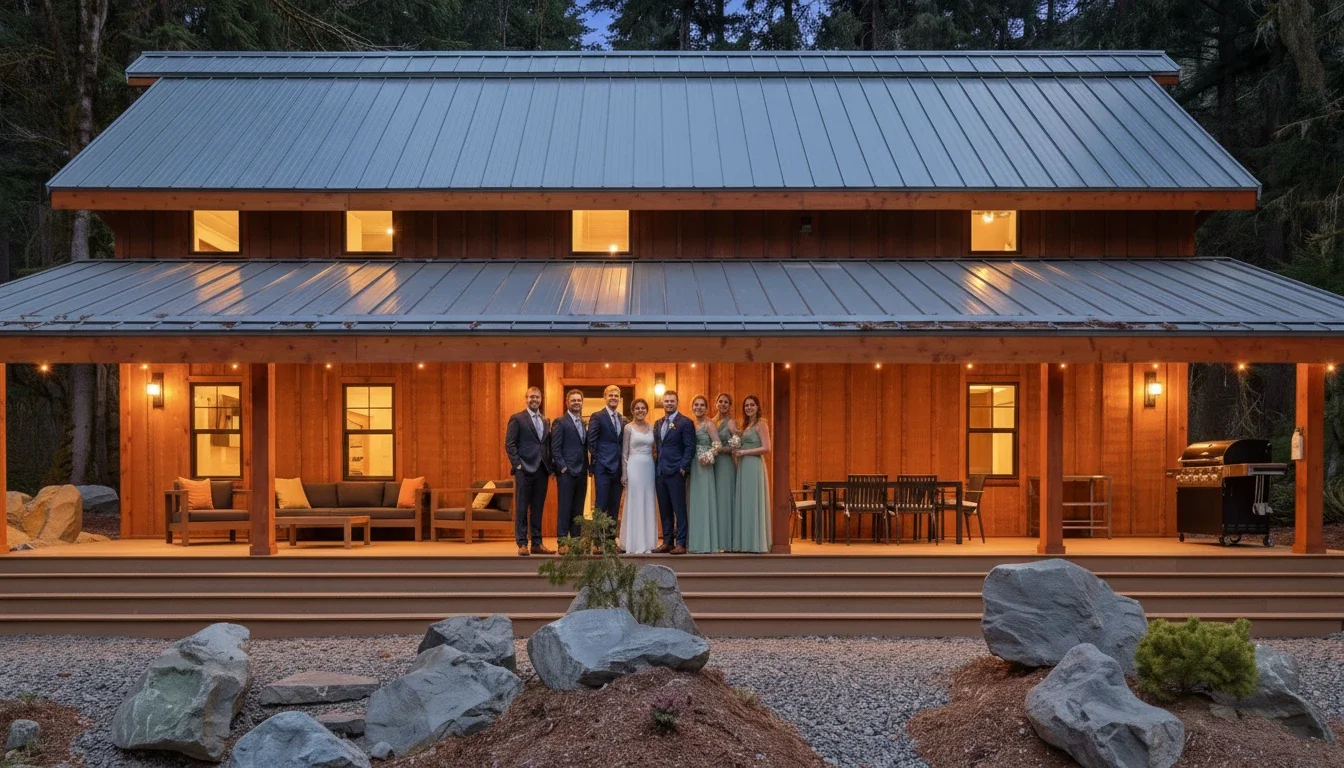
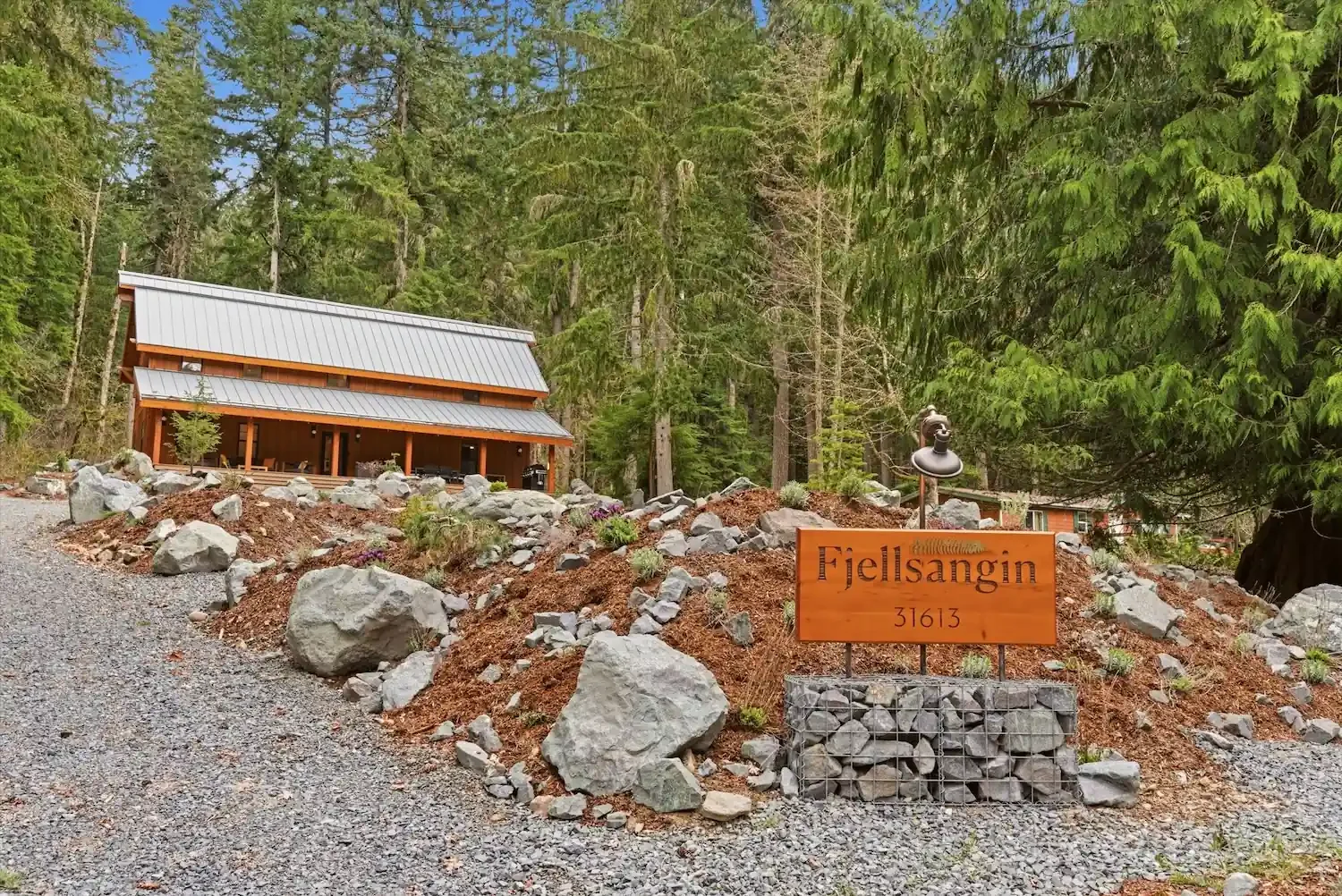
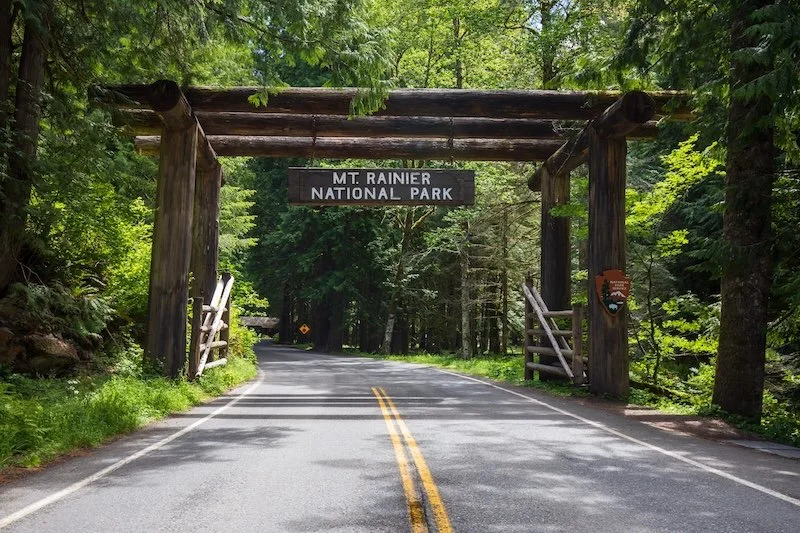
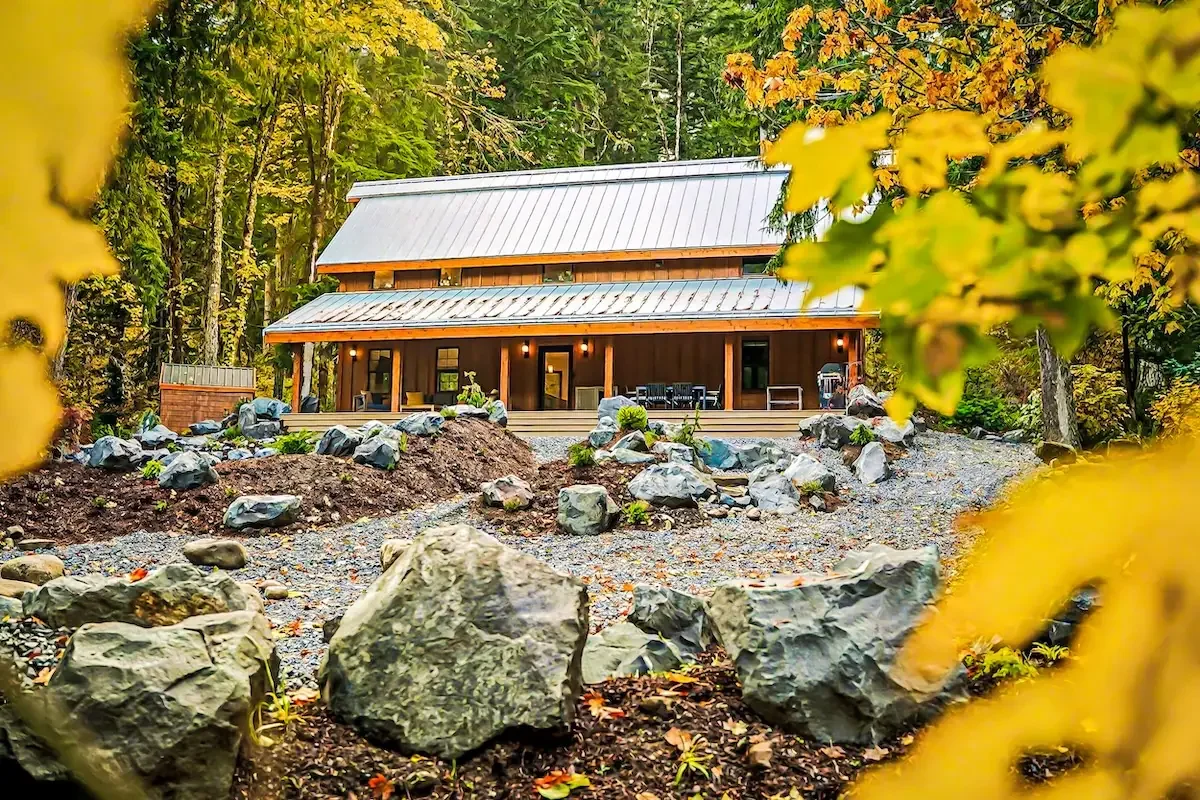
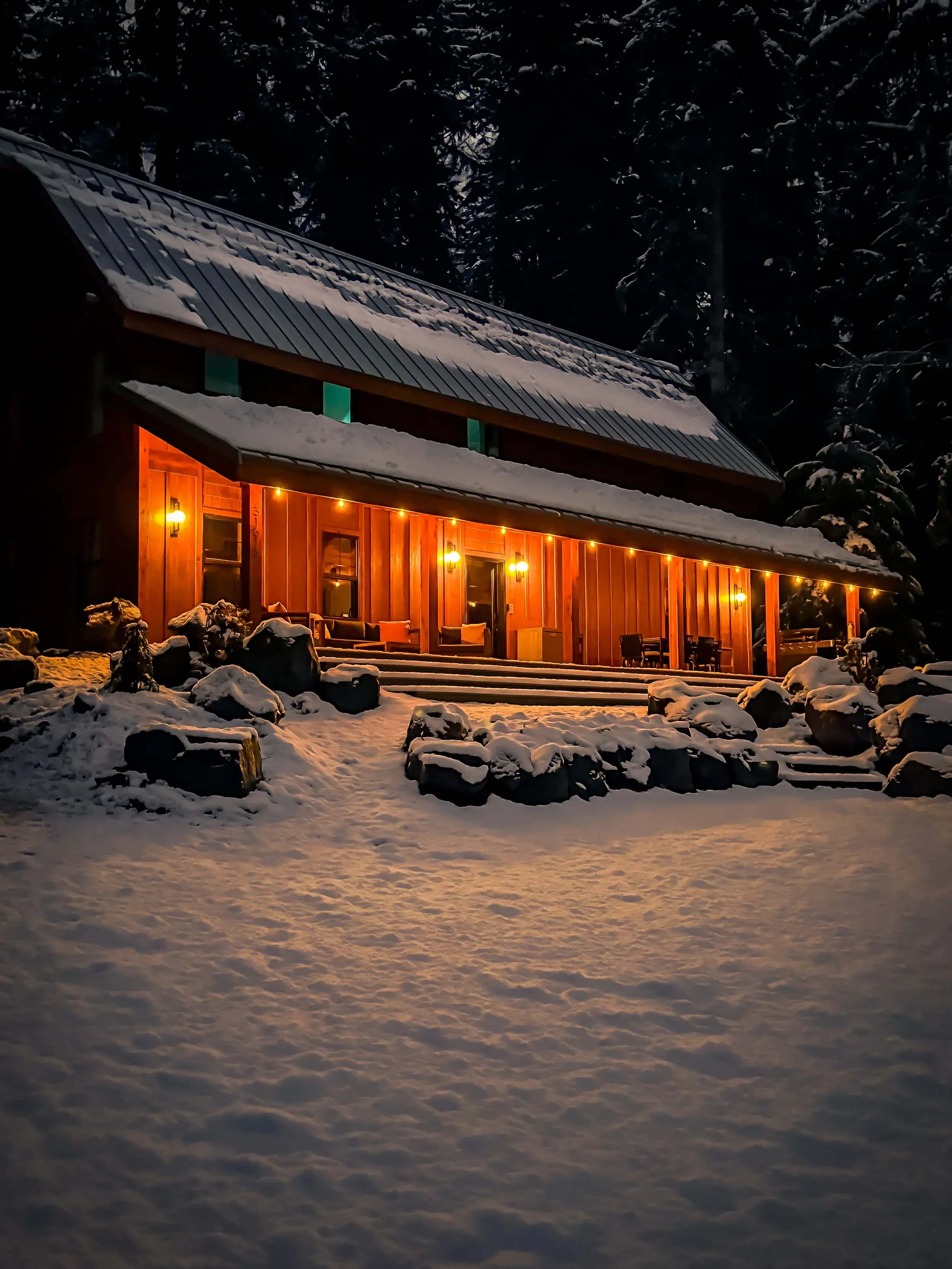
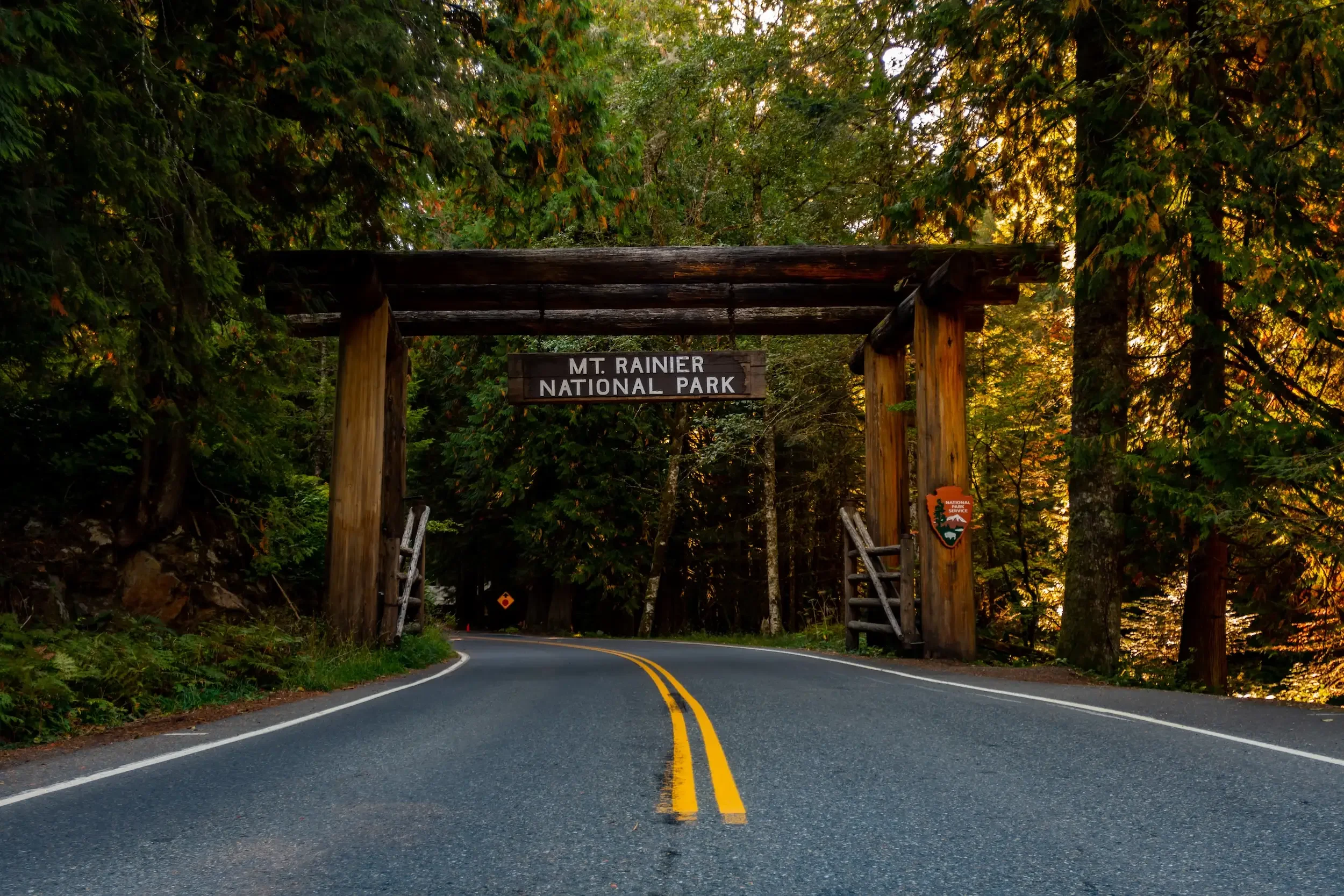
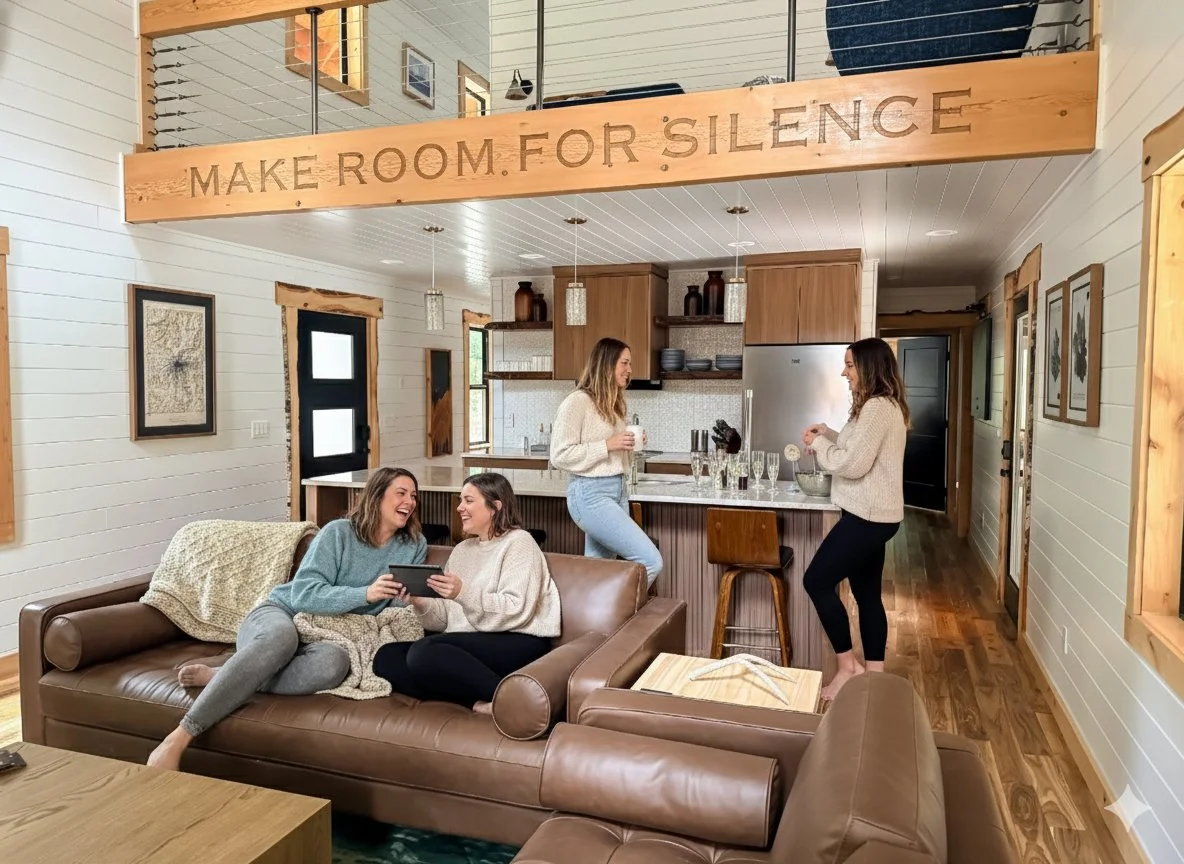
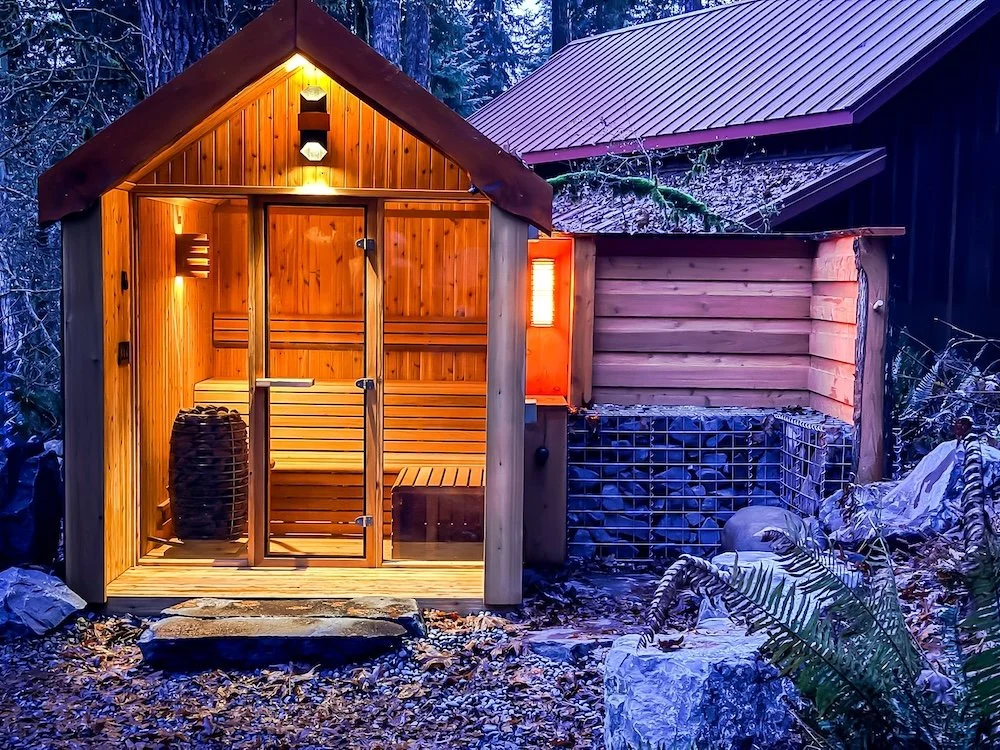
The short answer: Fjellsangin is a Nordic-inspired luxury forest cabin at 31613 Mt. Tahoma Canyon Road E in Ashford, Washington, ten minutes from the Nisqually Entrance to Mt. Rainier National Park. Guests who use the cabin as a basecamp face a specific packing question — what you need at elevation in the park versus what you need in the forest at 1,400 feet. This guide covers both by season, without padding.
What does the weather actually look like at Mt. Rainier versus in Ashford?
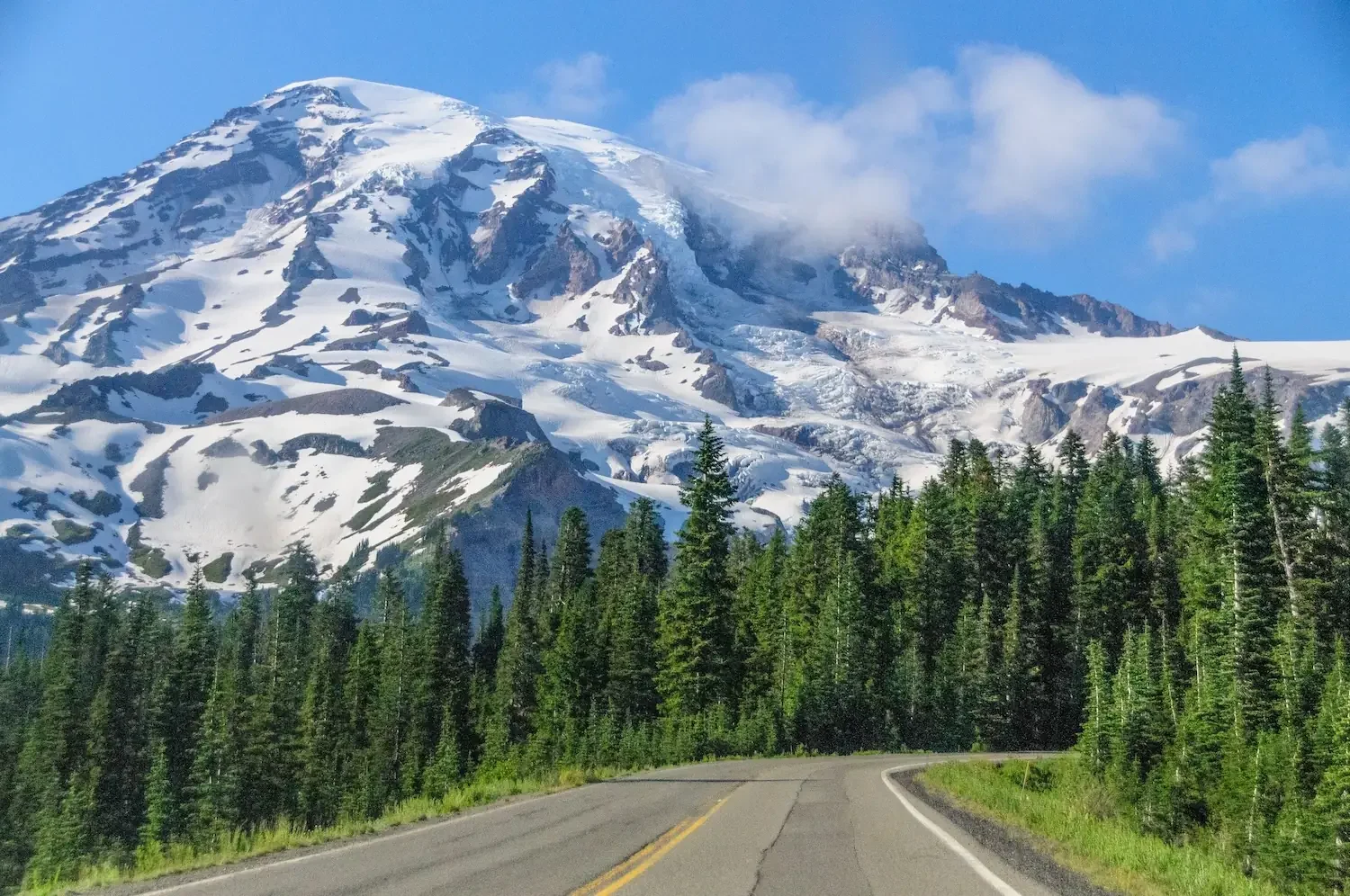
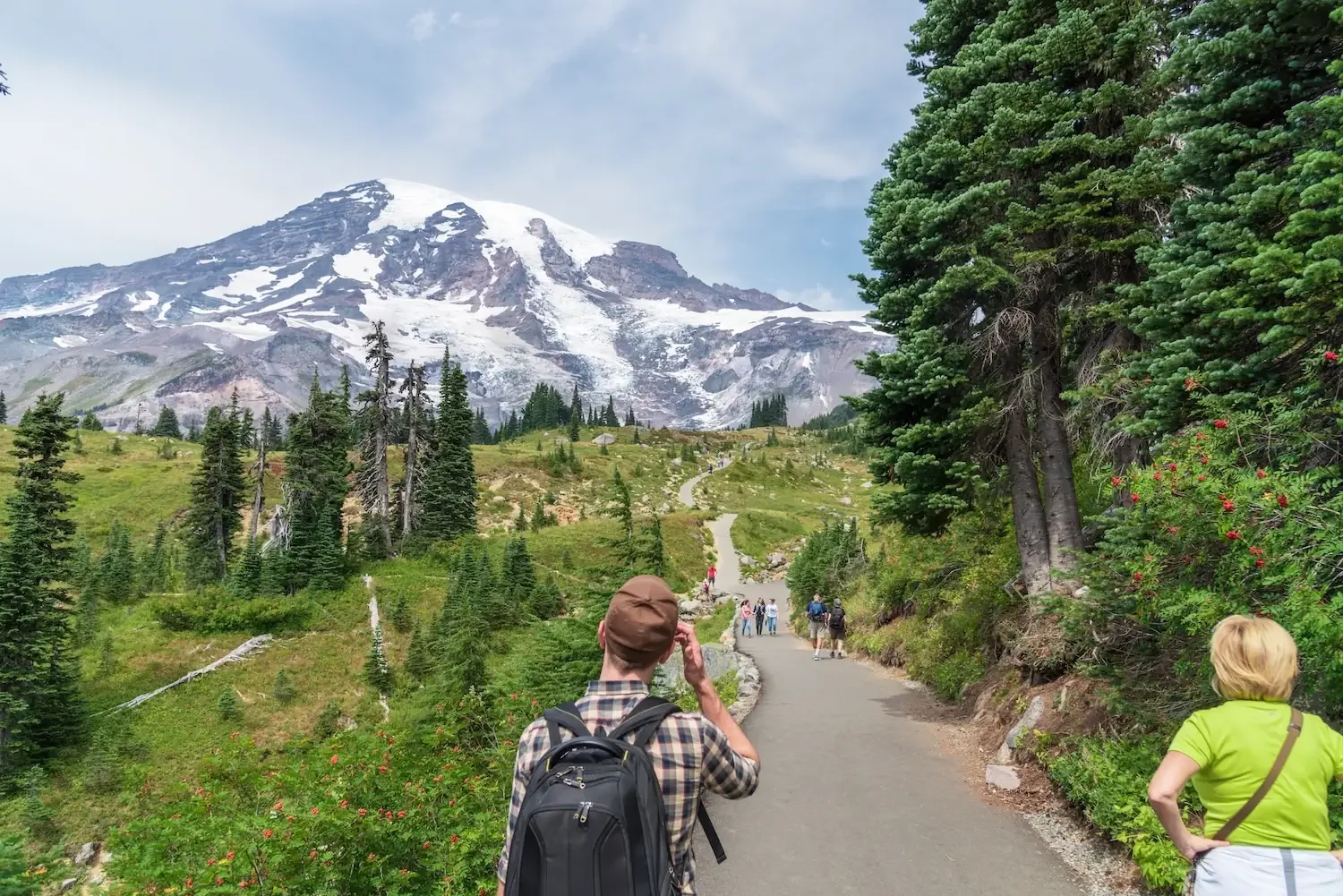
The Nisqually Entrance sits at about 2,001 feet. Paradise is at 5,400. That difference means you can leave Fjellsangin in a light fleece on a clear August morning and hit 40-degree winds by the time you reach Skyline Trail. The park's base area, Longmire, is usually temperate and sheltered. Paradise runs its own weather program.
In summer, the temperature swing between Ashford and Paradise can be 25 to 30 degrees on the same afternoon. Thunderstorms roll in fast at elevation from mid-July through August. If you're hiking above 6,000 feet for any part of the day, pack for both environments — what you wear out the cabin door is not what you'll need on the ridge.
Fall closes fast at Mt. Rainier. September is the park's most reliable month, with genuinely good weather and thin crowds. By mid-October, snow has returned to the high routes, and Paradise can be socked in for days. October and November guests staying in Ashford get the forest at its most saturated color — but need to check conditions before committing to any trail above 4,000 feet.
Winter at Ashford is wet and mild compared to the mountain. Fjellsangin sits below the snowline most winters, but the road to Paradise closes at some point every season, and snowshoe and cross-country ski access opens at the same time. January and February guests often have the park nearly to themselves.
The weather here moves fast and doesn't announce itself. I keep an extra layer in my car year-round — not because every day calls for it, but because the days that do can change in an hour. Winters at the cabin run 5 to 10 degrees cooler than town, which sounds modest until you're heading out to the park at 7 a.m. And the last few summers have run genuinely hot — hotter than the area's reputation suggests. The smart move is to pack for both ends and let the day sort itself out.
What should I pack for hiking near the Nisqually Entrance in summer?
Summer runs from late June through early September. The Nisqually area trails — Carter Falls, Rampart Ridge, Trail of the Shadows — are accessible from early summer and remain at lower elevations. They are genuinely moderate hikes. Paradise trails open fully by July and peak in late July and August, when the subalpine meadows are at their most dramatic.
For summer hiking from Ashford:
Footwear matters more than most people expect. Trails around the Nisqually Entrance are well-maintained and rooted. A trail runner with moderate grip handles everything below 4,500 feet. If you're doing Skyline Trail or any of the high routes out of Paradise, bring something with ankle support. The terrain shifts from forest duff to volcanic rock to snowfield fast.
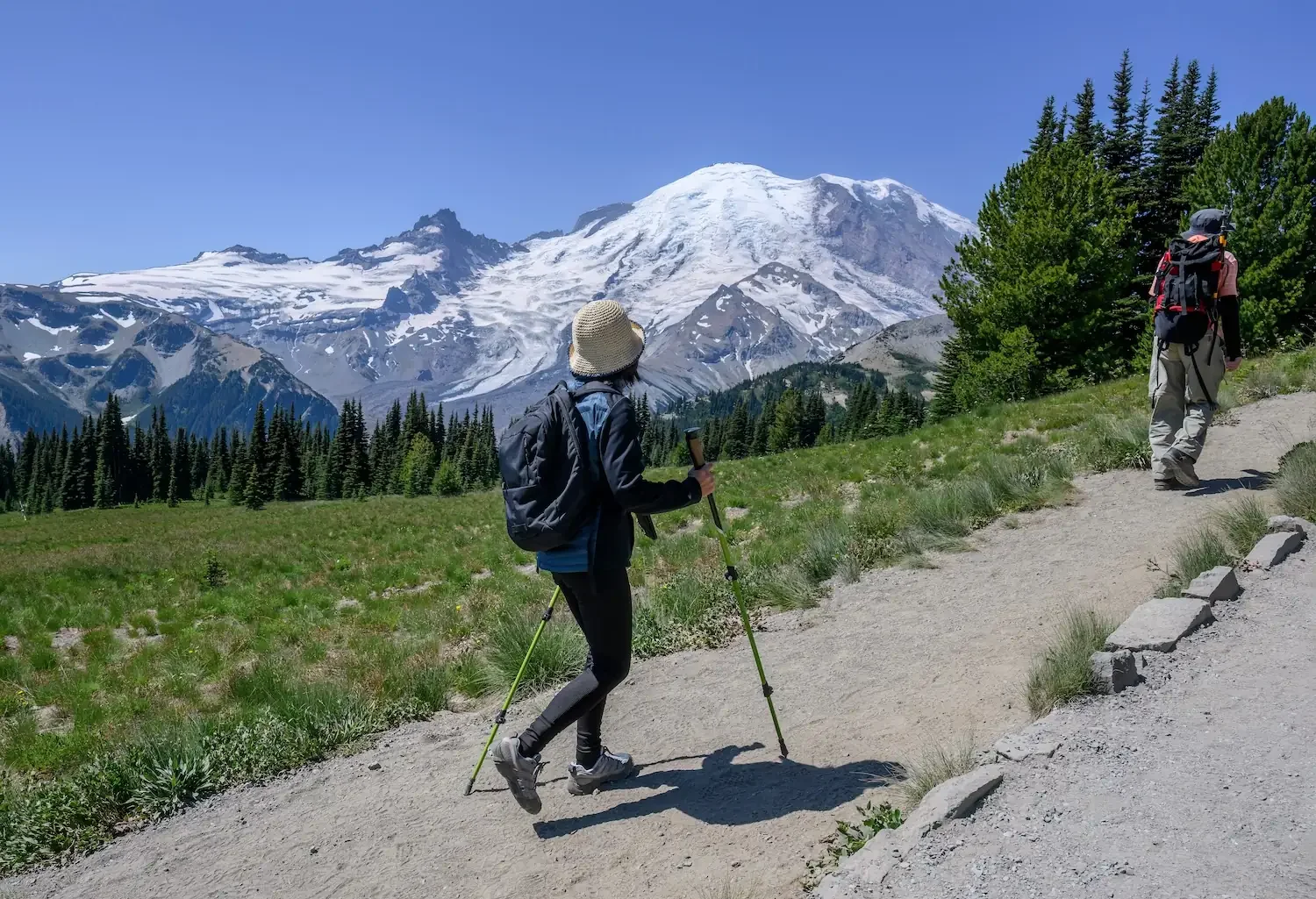
Sun protection at elevation is genuinely different from sun protection at sea level. The UV index at Paradise on a clear day is significantly higher than what you'd encounter at the coast. SPF 50, a wide-brim hat, and UV-blocking sunglasses are not overkill. The snowfields remain well into summer and reflect.
A packable rain jacket lives in your bag every day. The lightest thing you have. Park weather can change in under an hour, and the rain at Paradise is serious. Lightweight softshells are fine for the forest layer, but a waterproof shell is the one item you should never leave at the cabin.
Water is the other non-negotiable. The NPS recommends half a liter per hour of hiking. The park has water sources along some trails but not all — and Paradise trails in particular can be entirely exposed. Bring more than you think you need. A 2-liter capacity is reasonable for any half-day above 4,000 feet.
The mountain does not give you a warning. We've started hikes at Skyline in a t-shirt and hit sideways rain forty minutes later. Extra layers in the pack are non-negotiable for us — and wicking fabric against the skin, not cotton. Cotton holds the wet and the cold together, which is a bad combination at 5,000 feet. Every season I see hikers at Paradise in jeans and a sweatshirt looking genuinely surprised by what the weather is doing. The park is not a city park. Dress like you mean it.
What do I need to pack for fall hiking at Mt. Rainier?
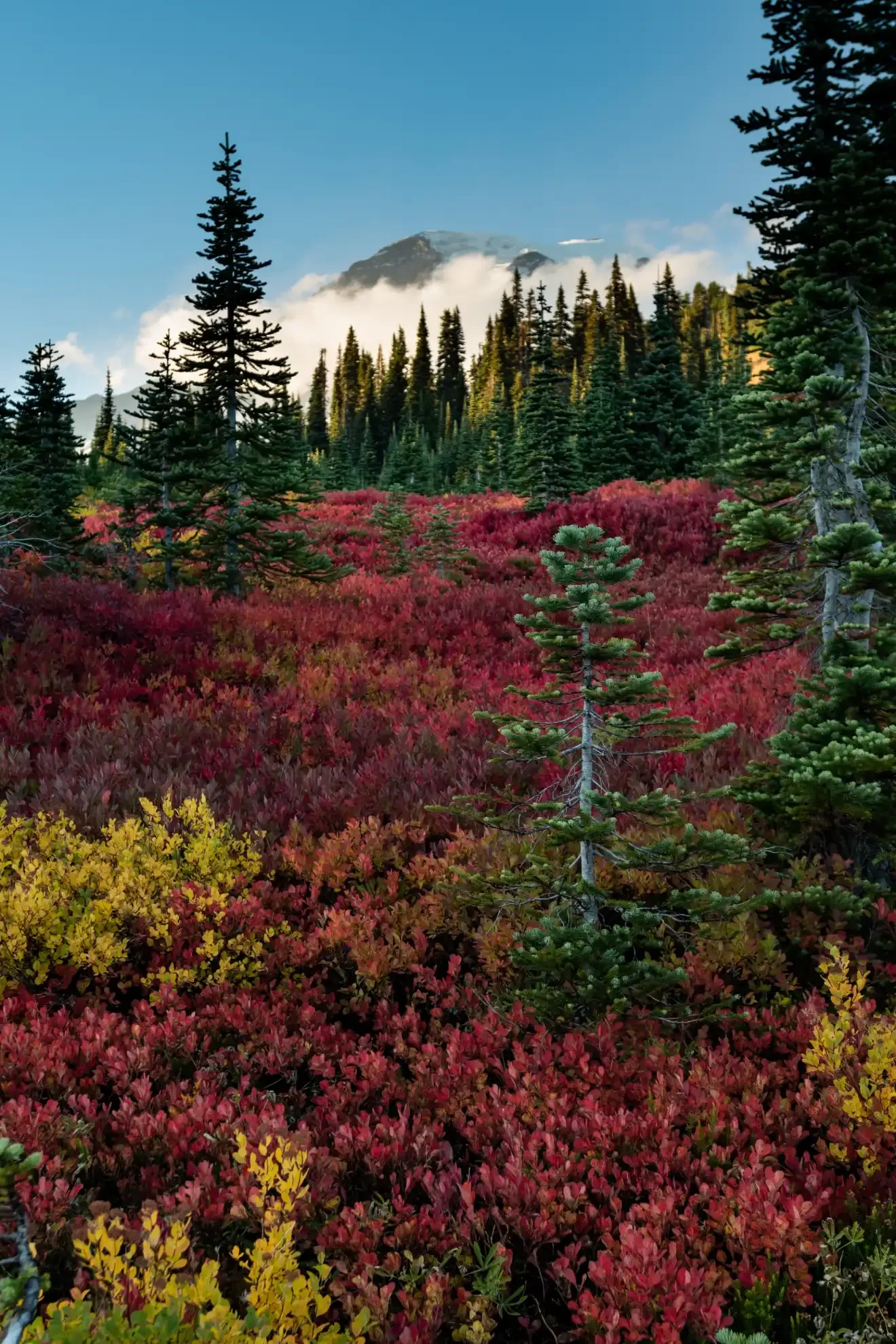
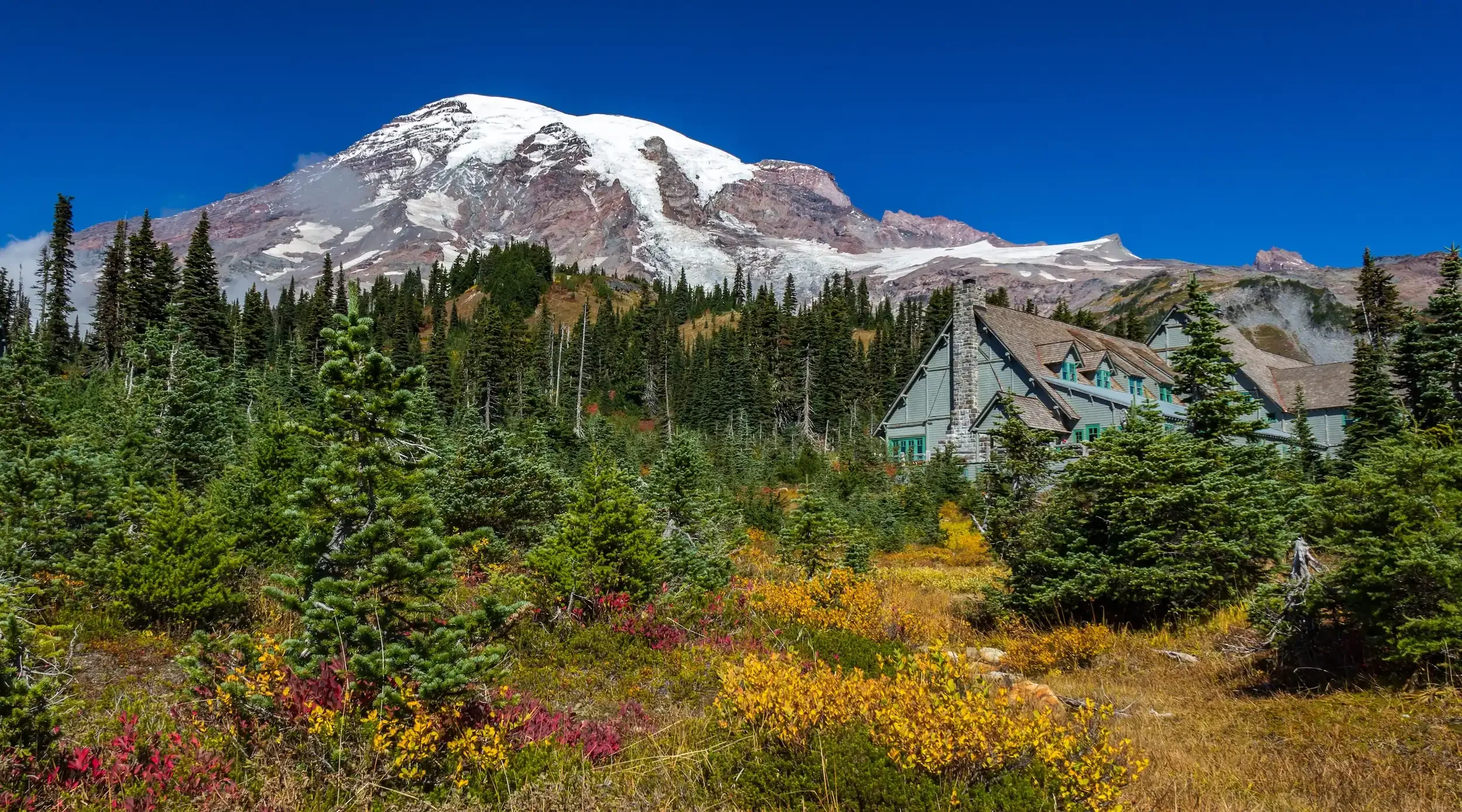
September is the best month most people never plan for. The summer crowds have thinned, the light has changed, and the park has a quality it doesn't have in peak season. Berries, turning huckleberry fields, the first cold mornings. Late September can produce some of the best visibility of the year.
Layer weight goes up in fall. The packable rain jacket gets a fleece companion. Merino base layers handle temperature regulation better than synthetics in wet PNW conditions. A mid-layer — fleece or lightweight down — belongs in the pack even on days that start warm. The sun angle has shifted and shade is cold by October.
Trail conditions change fast in fall. By late October, trails above 5,000 feet can be snow-covered with no visibility on the overnight forecast. Check the park's trail conditions page on the NPS website before you go. What was clear two days before your visit may require microspikes by arrival.
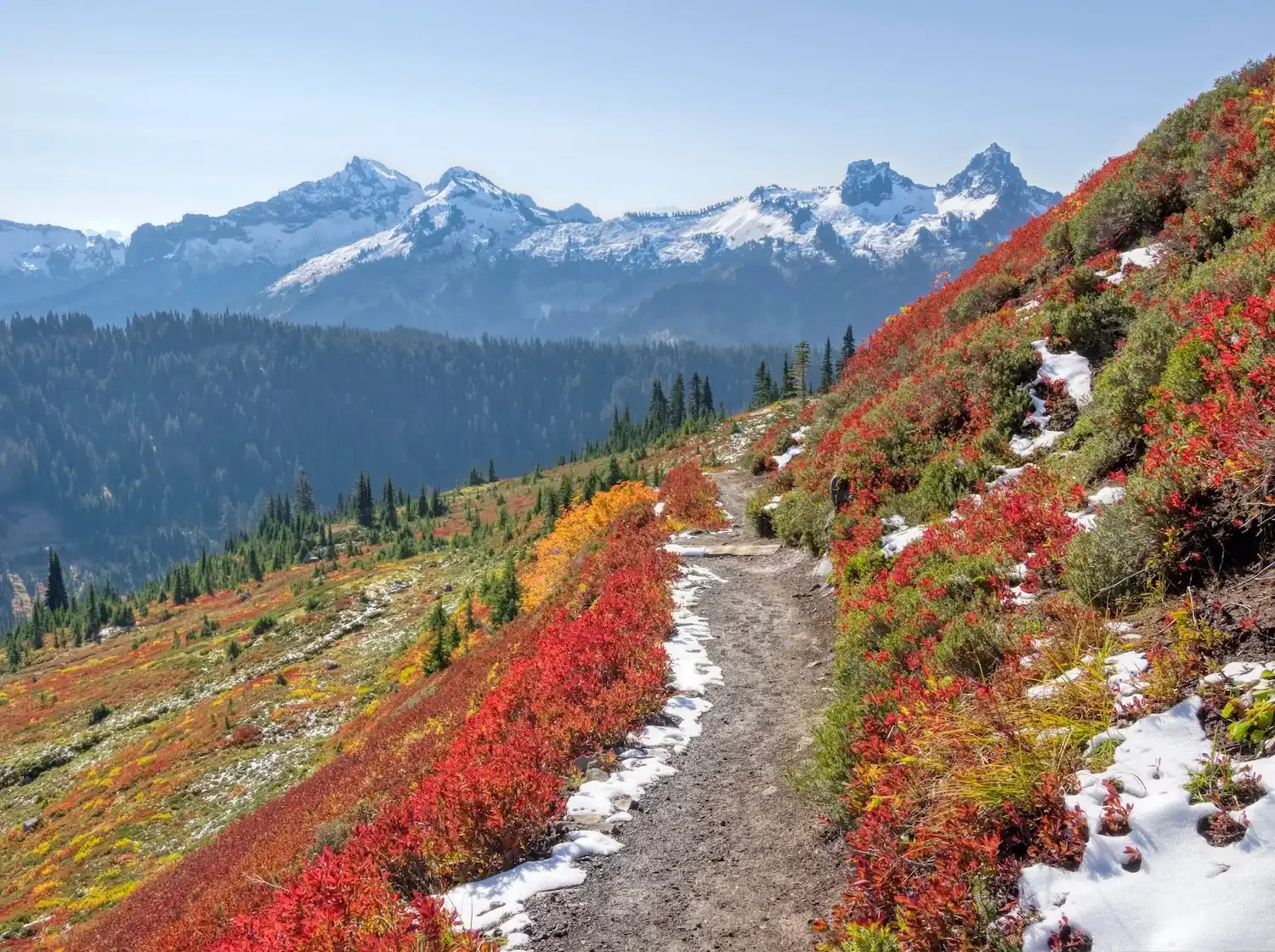
Microspikes are worth packing for any October or later visit if you plan to hike above the Nisqually Entrance. They weigh nothing, pack flat, and the alternative is a wasted day or a turned ankle on a frozen trail. Traction devices are not a maybe for late-season hiking near Mt. Rainier.
What should guests pack for winter and early spring?
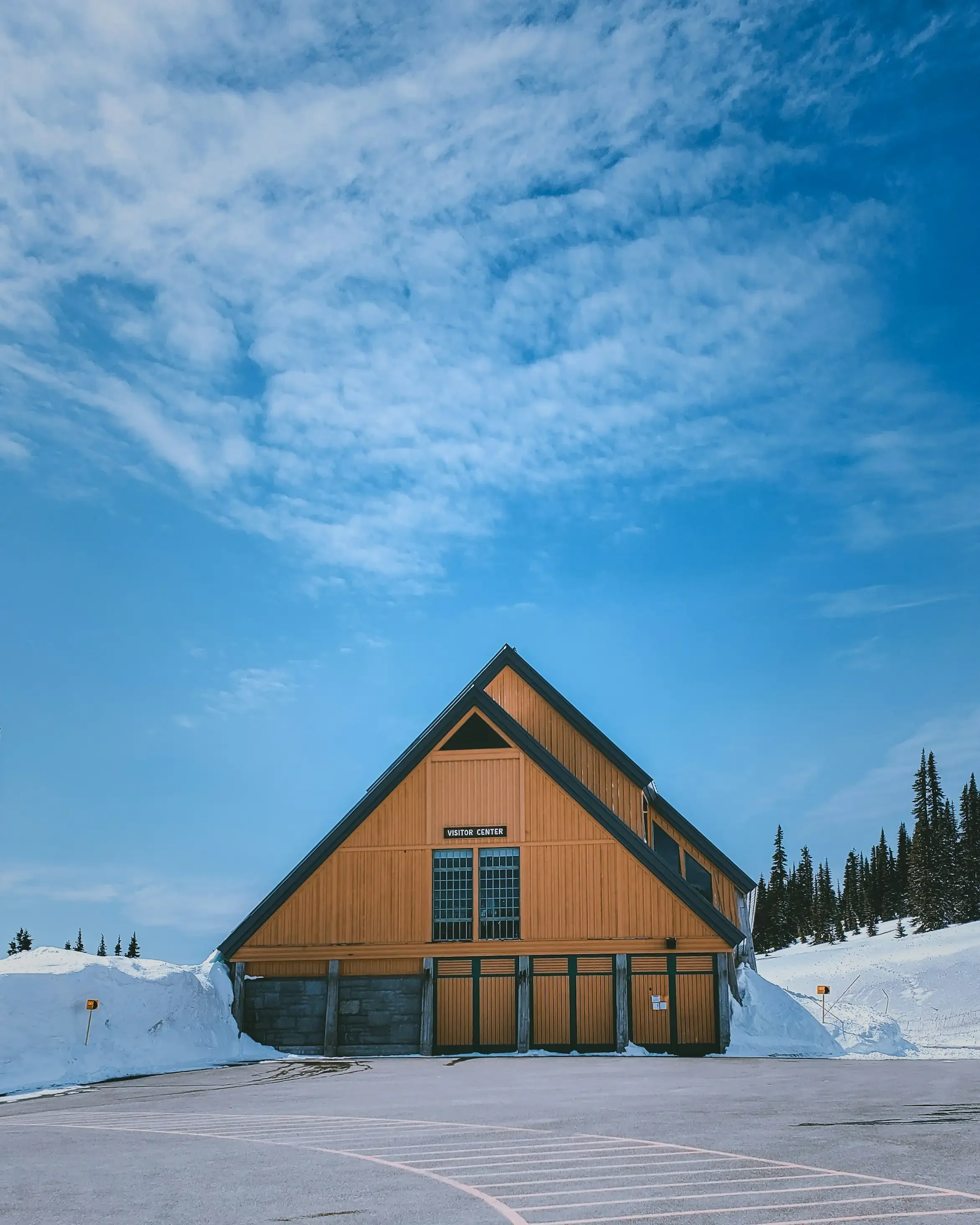
The park in winter is quieter, stranger, and worth the effort to see. The road to Paradise opens most weekends for day visitors and closes when overnight snowfall occurs, so flexibility matters. Checking the NPS road status the day before is not optional in winter.
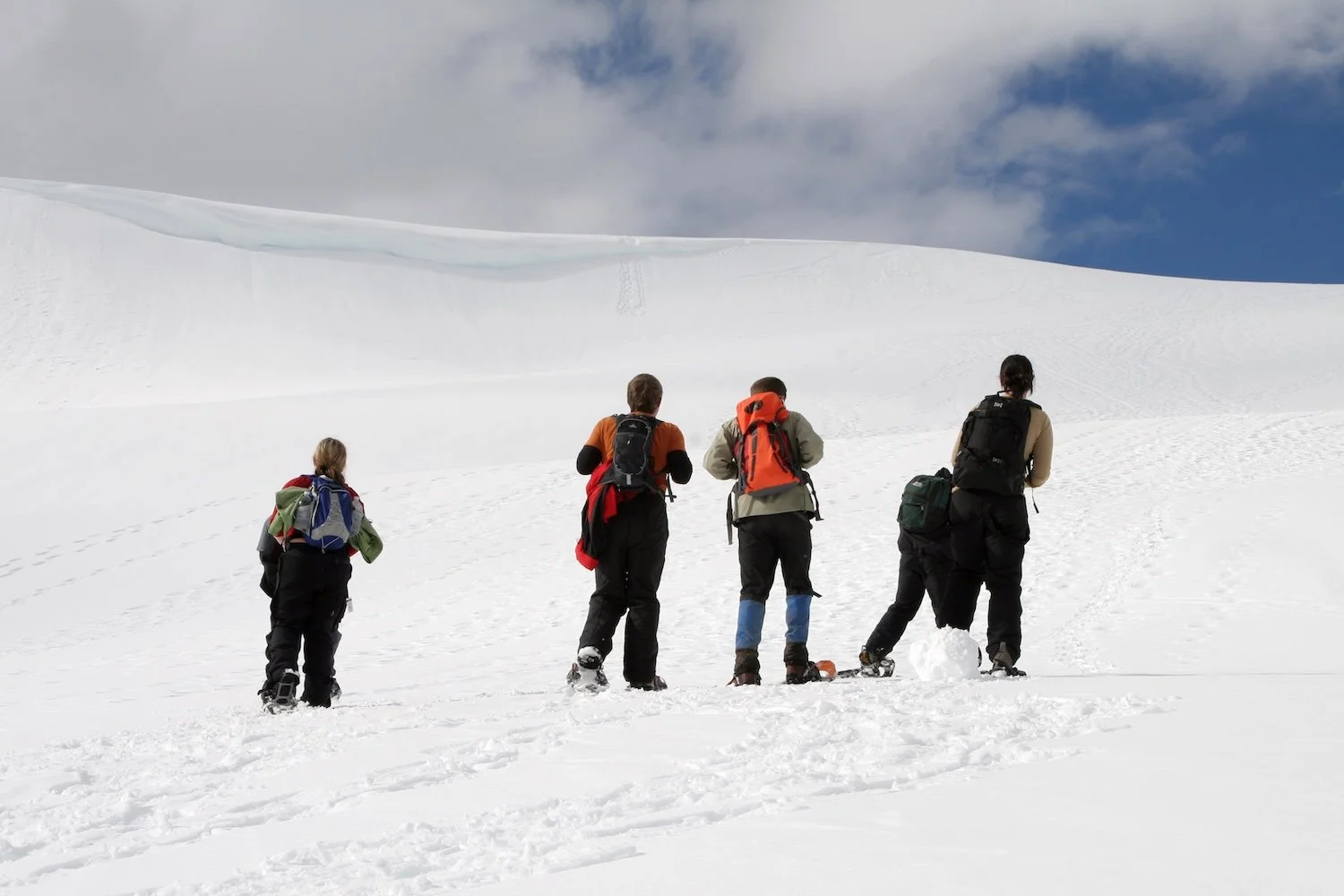
Snowshoes or cross-country skis open up access that the summer crowds never see. Both can be rented from outfitters in the area. If you're coming specifically for winter play, bring your own gear or confirm rental availability before your trip — supply is limited on peak winter weekends.
Cold-weather layering is different from layering for rain. The base layer against your skin needs to be made of merino or synthetic fabric, not cotton. A mid-insulation layer — down or synthetic puff. A wind and waterproof outer shell. Gaiters if you're post-holing. Waterproof gloves, not just gloves. The kind of cold at Paradise in January is honest.
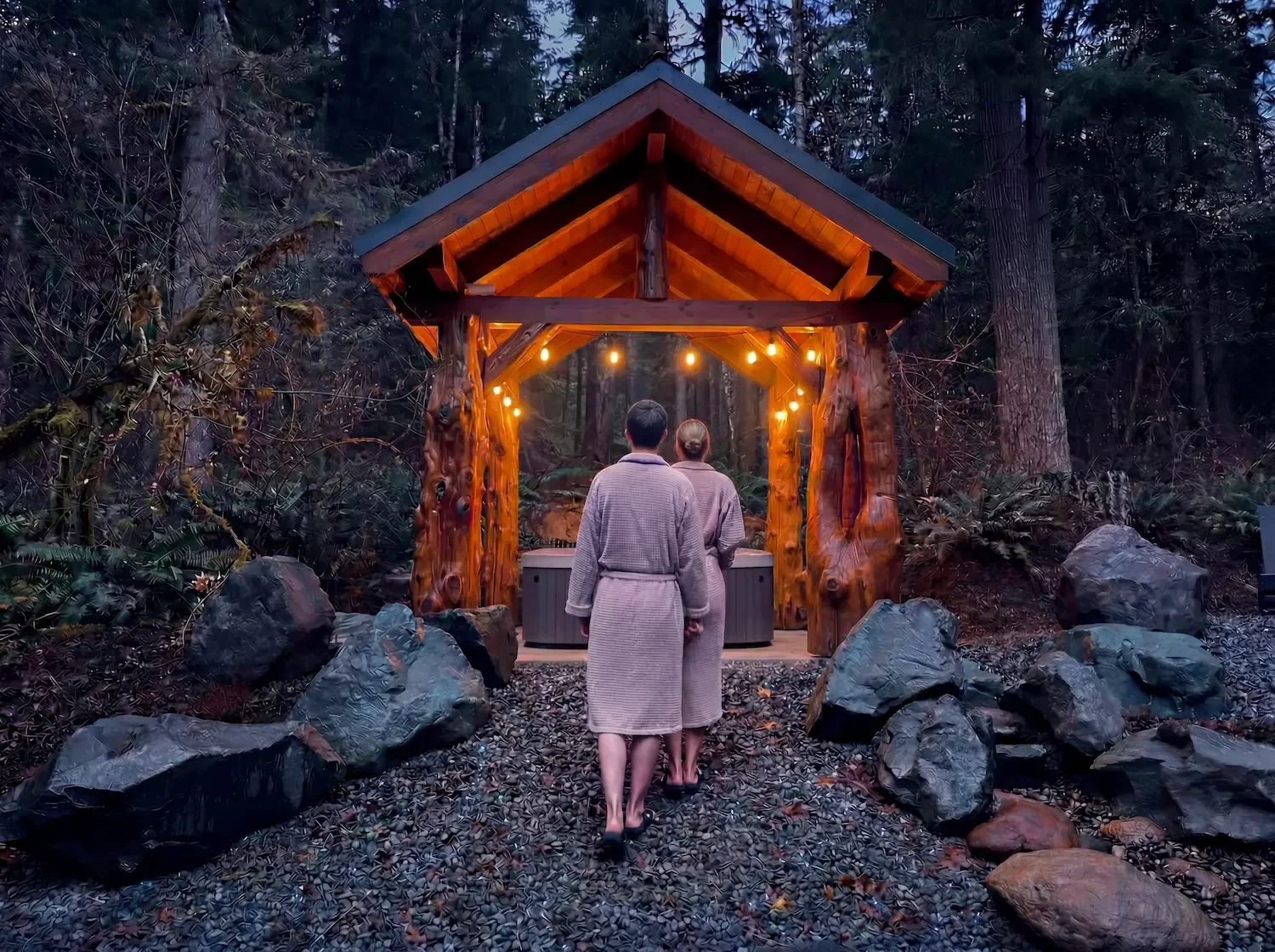
Guests returning to Fjellsangin from a winter day in the park find the cedar sauna in a different light. It takes about an hour to reach full temperature, so starting it before you leave for the mountain is worth the effort.
What can I leave at Fjellsangin and not pack into the park?
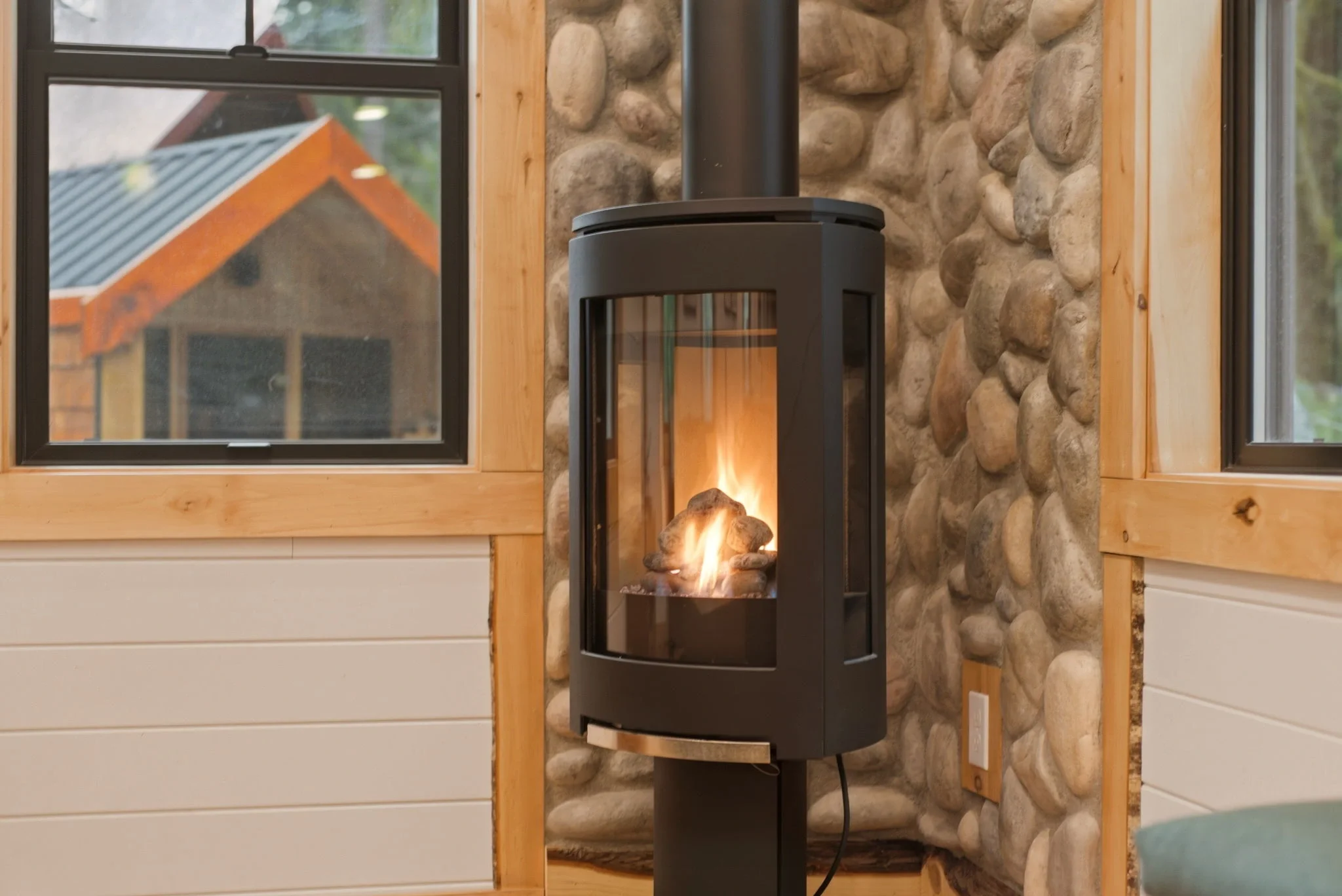
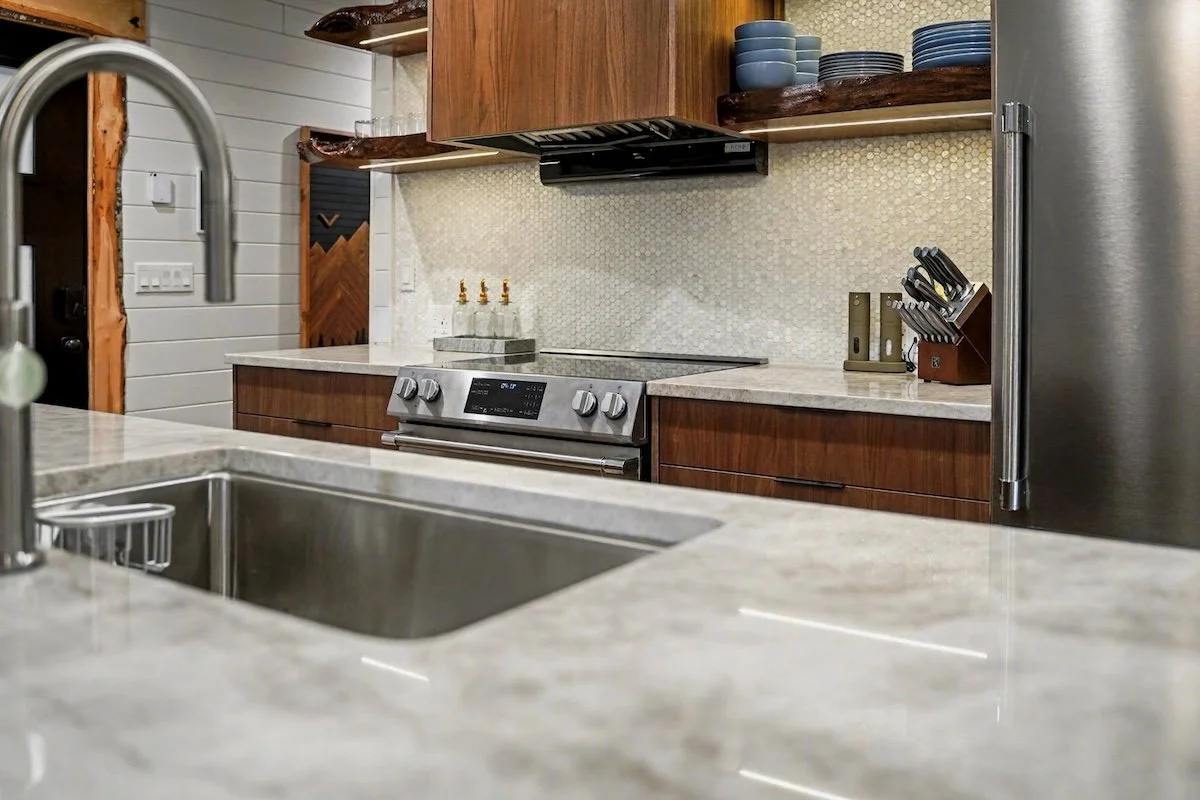
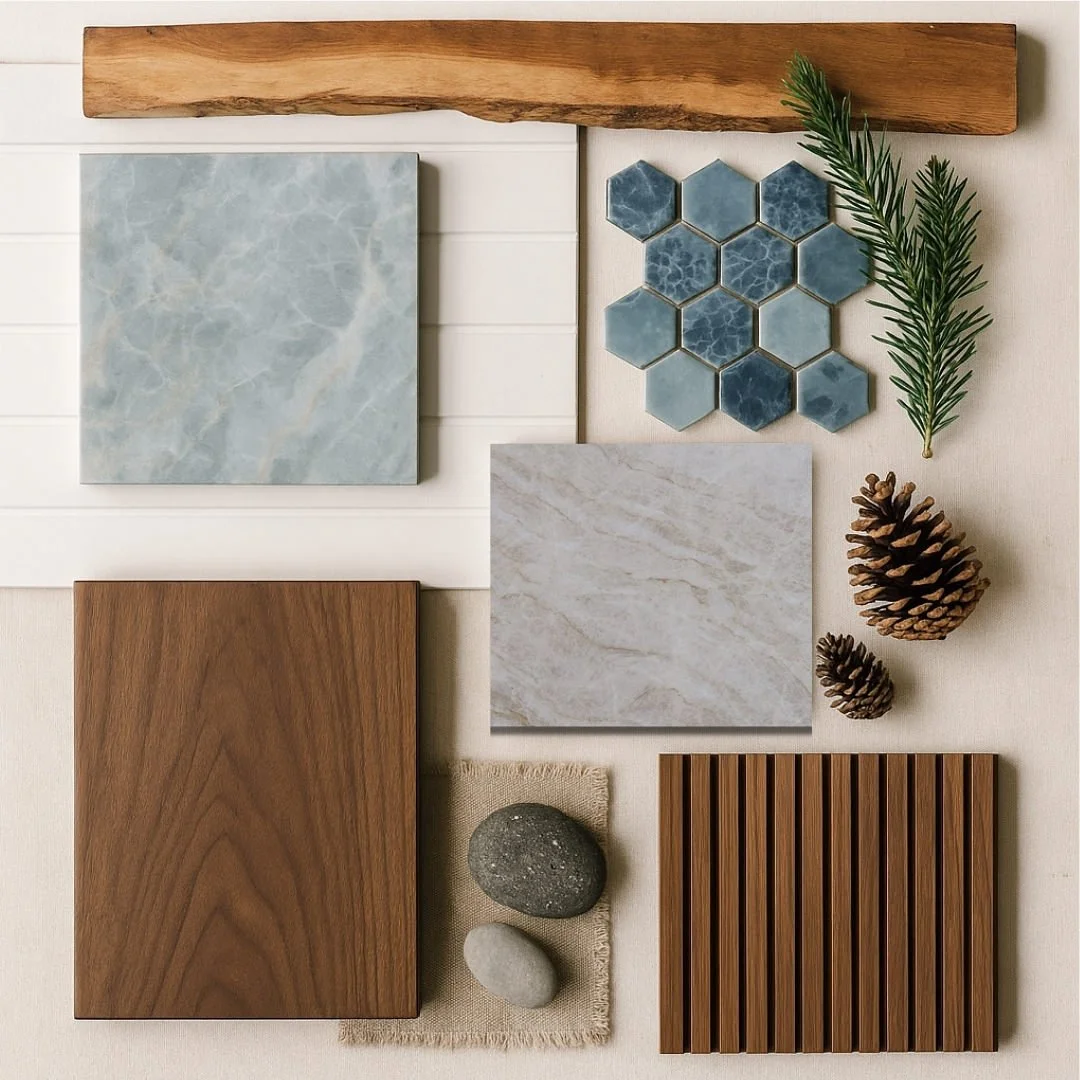
The cabin is built to hold most of what you need before and after the park. The Taj Mahal quartzite kitchen handles real cooking — you don't need to pack in meals if you're staying. The covered hot tub is ready, not a project. There's a full A/C system for summer evenings when the temperature drops and the Jøtul fireplace for fall and winter.
What guests typically over-pack for: toiletries (the cabin is stocked), casual evening layers (the Pendleton throws and the fireplace handle most of it), and cooking equipment. The kitchen has what a real kitchen has.
What guests typically under-pack for: an extra pair of dry hiking socks, a headlamp for early starts or late finishes, a physical map or downloaded offline trail data (cell service is genuinely unreliable in the park), and a bear canister or properly hung food bag if you're doing any camping adjacent to the park.
The Level 2 EV charger in the driveway is worth knowing about before you arrive. If you're driving an electric vehicle, you arrive fully charged from the highway with the option to top off during the stay. No planning required.
What are the park entrance fees and logistics to know before arriving?
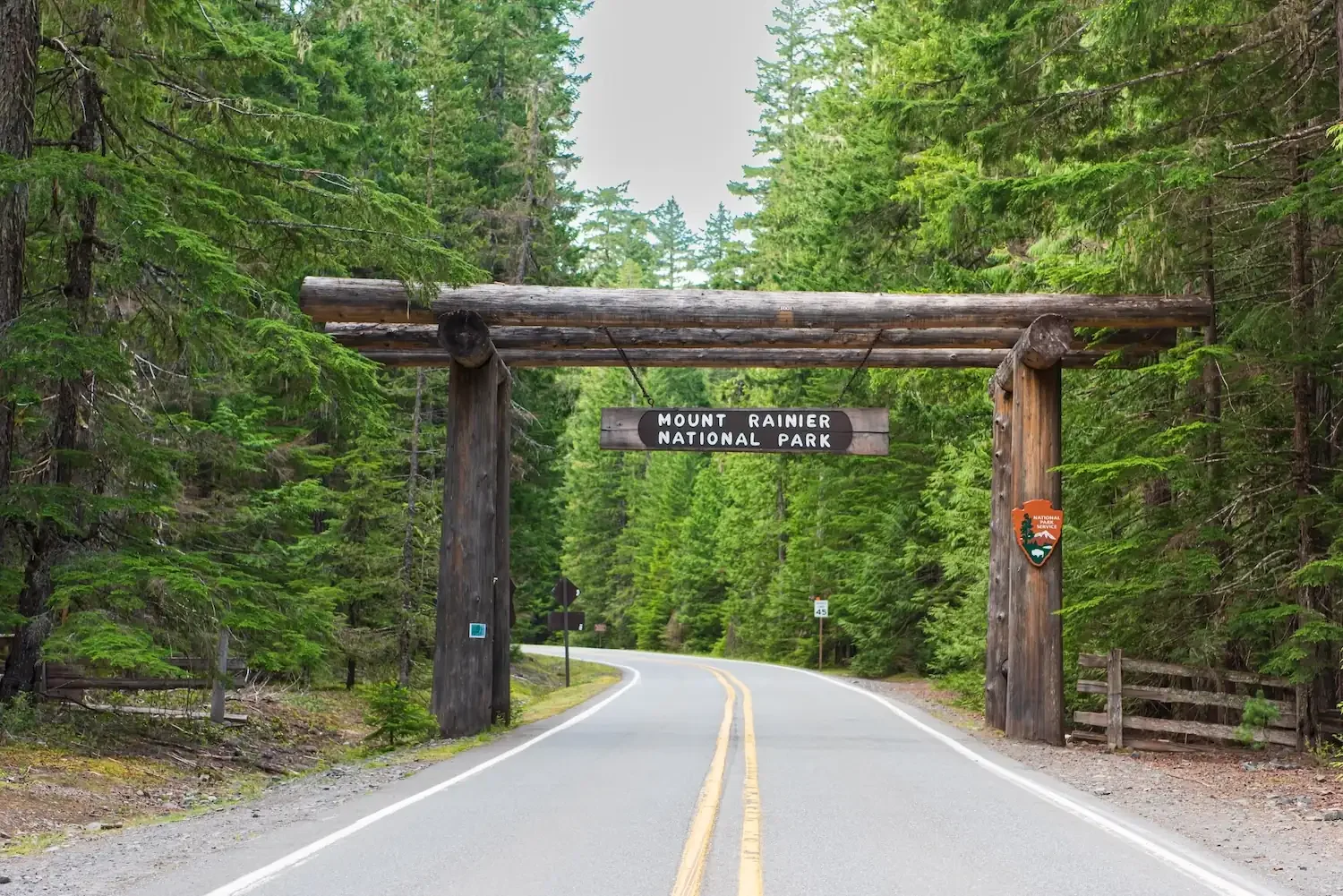
Mt. Rainier National Park charges an entrance fee, currently $35 per vehicle for a 7-day pass. The America the Beautiful annual pass covers the fee and pays for itself in two visits — it's valid at all federal recreation areas. If you're a regular PNW visitor, it's worth having.
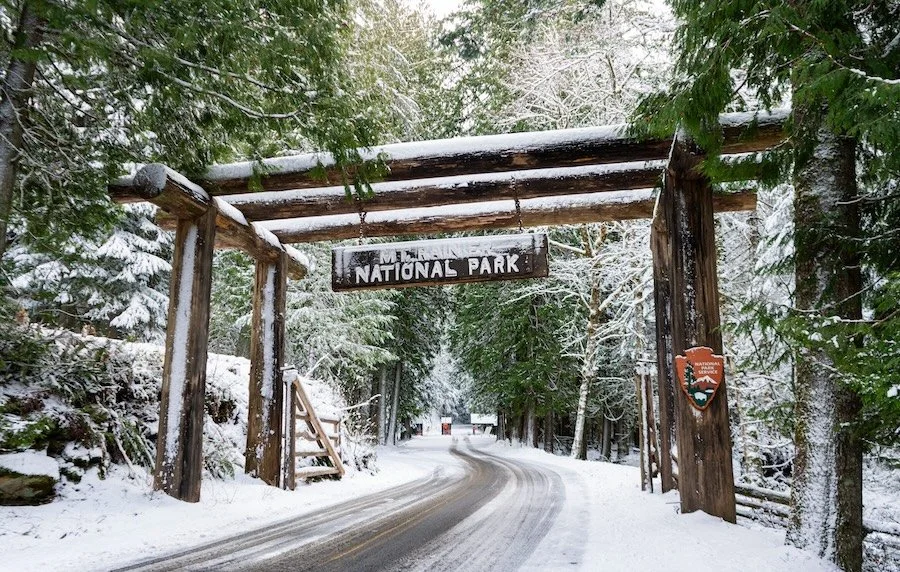
The Nisqually Entrance, ten minutes from Fjellsangin, is the main year-round entrance to the park. It stays open in most winter conditions when other entrances have closed. Paradise is 45 minutes from the cabin when the road is fully open. Plan for that drive time when booking any guided activity or timed entry reservation.
Timed entry reservations are not required this year, but be prepared for long waits at the park entrance.
Fjellsangin holds a different kind of preparation than a trailhead. You get the drive time back, the sauna after, the kitchen in the evening. A night in Ashford before a full day at the mountain changes the experience of the park itself.
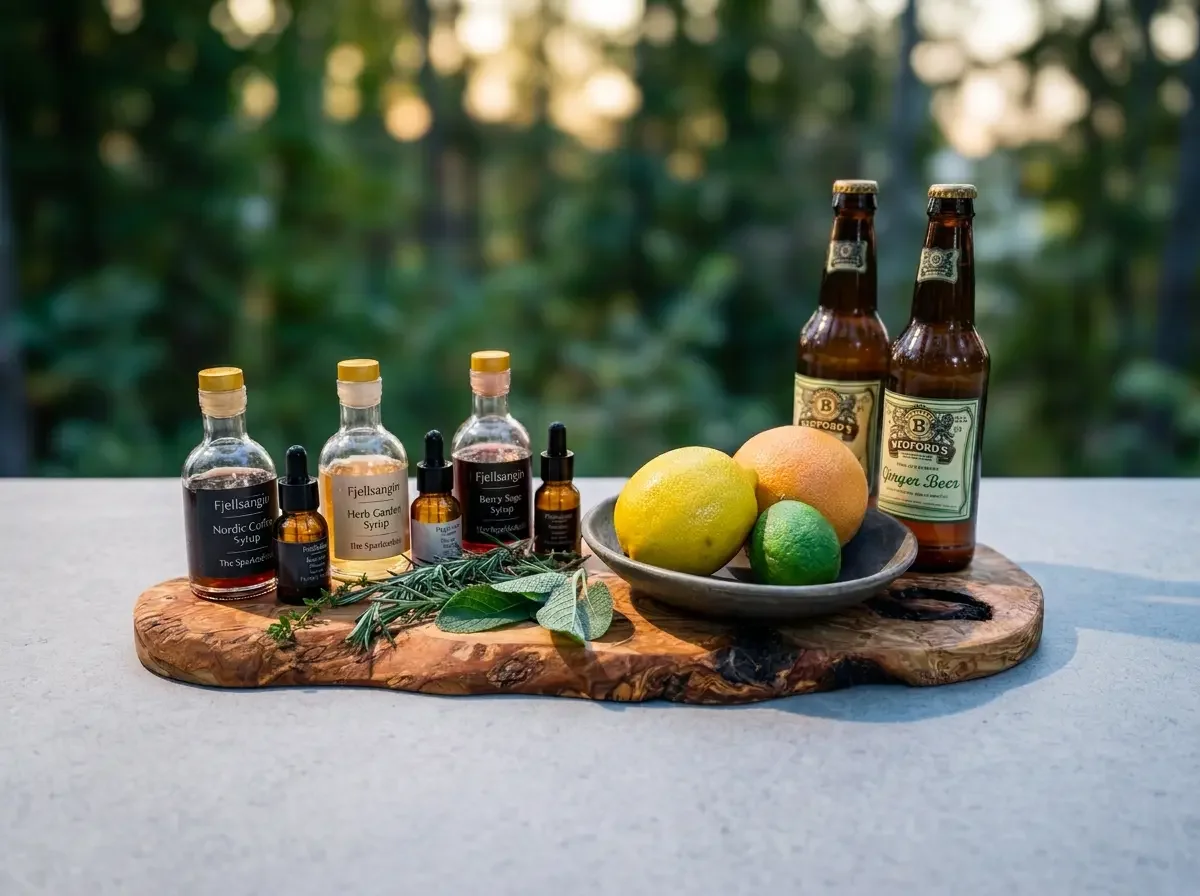
Plan your stay at fjellsangin.com/book-your-stay. If you want the add-ons to be waiting — the Sparkle Bar, the Alpenglow Board, or the Fireside Cinema setup — those are available at fjellsangin.com/experiences and can be pre-ordered with your reservation.