How Many Days Do You Need at Mount Rainier?
The Paradise parking lot fills earlier than people plan for, and the lot isn't even the first obstacle. Arrive at the entrance mid-morning expecting an easy drive in and you'll find a line at the gate before you're anywhere near a parking spot. Lee has been hiking midweek through August and has watched the lot itself fill anywhere from 5:30 to 6:30 in the morning, and right now it's on the early end of that, with the back-to-school rush pushing everyone toward the mountain at once. The window moves through the season. Early summer gives you more room; late July into mid-August is the tightest it gets.
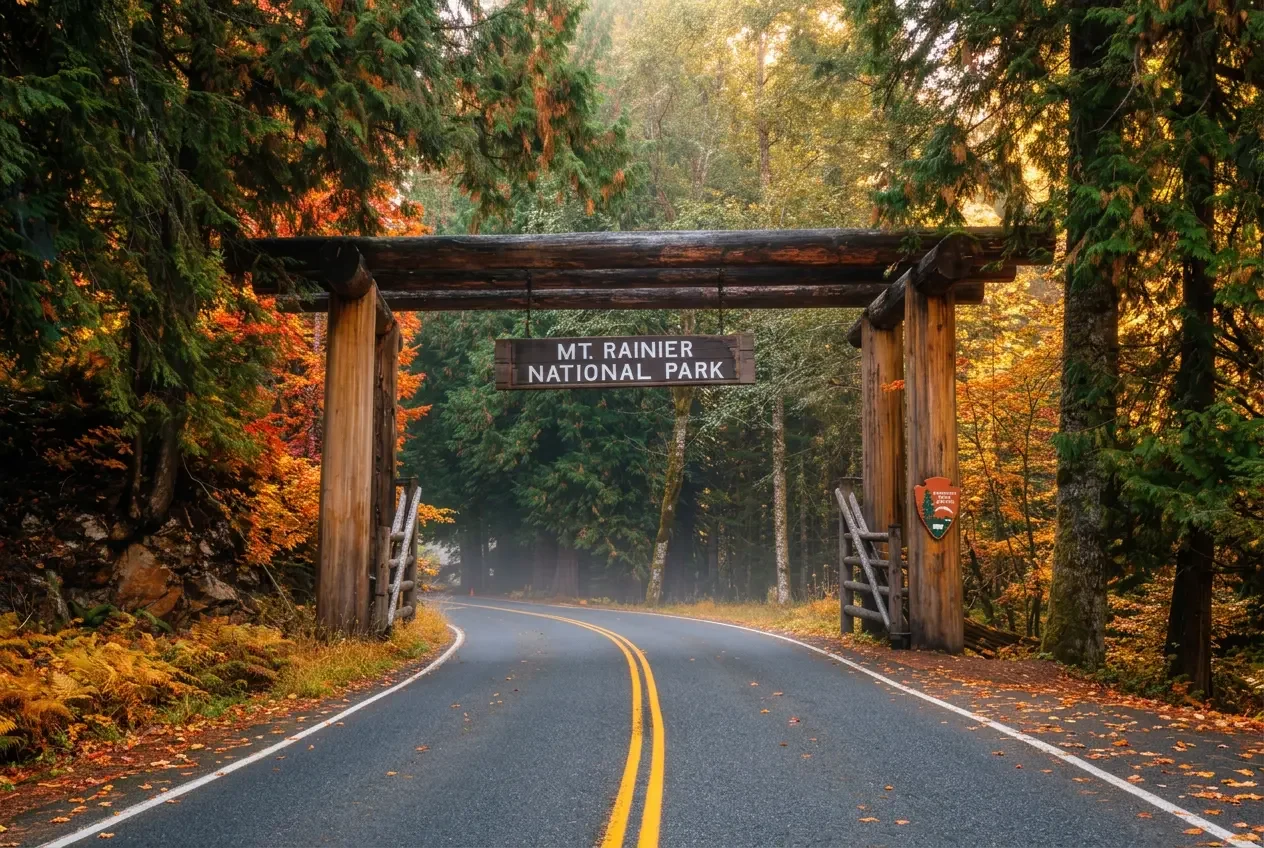
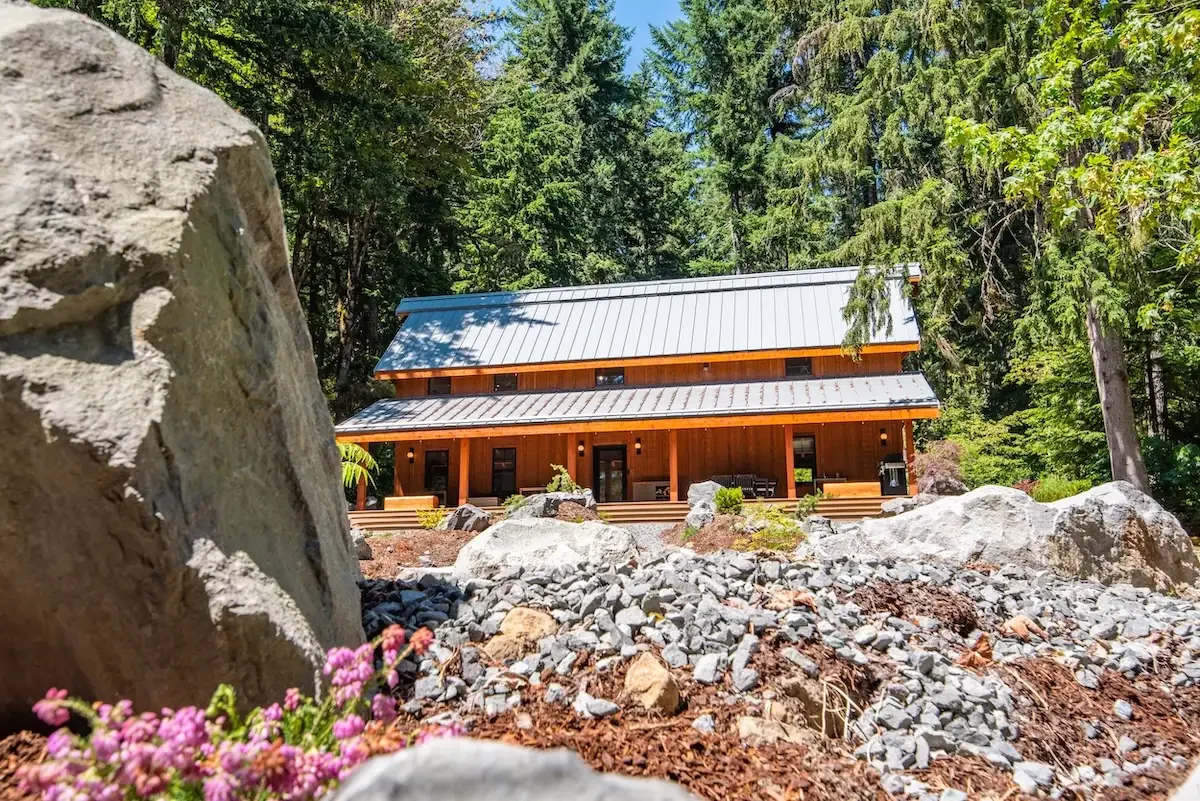
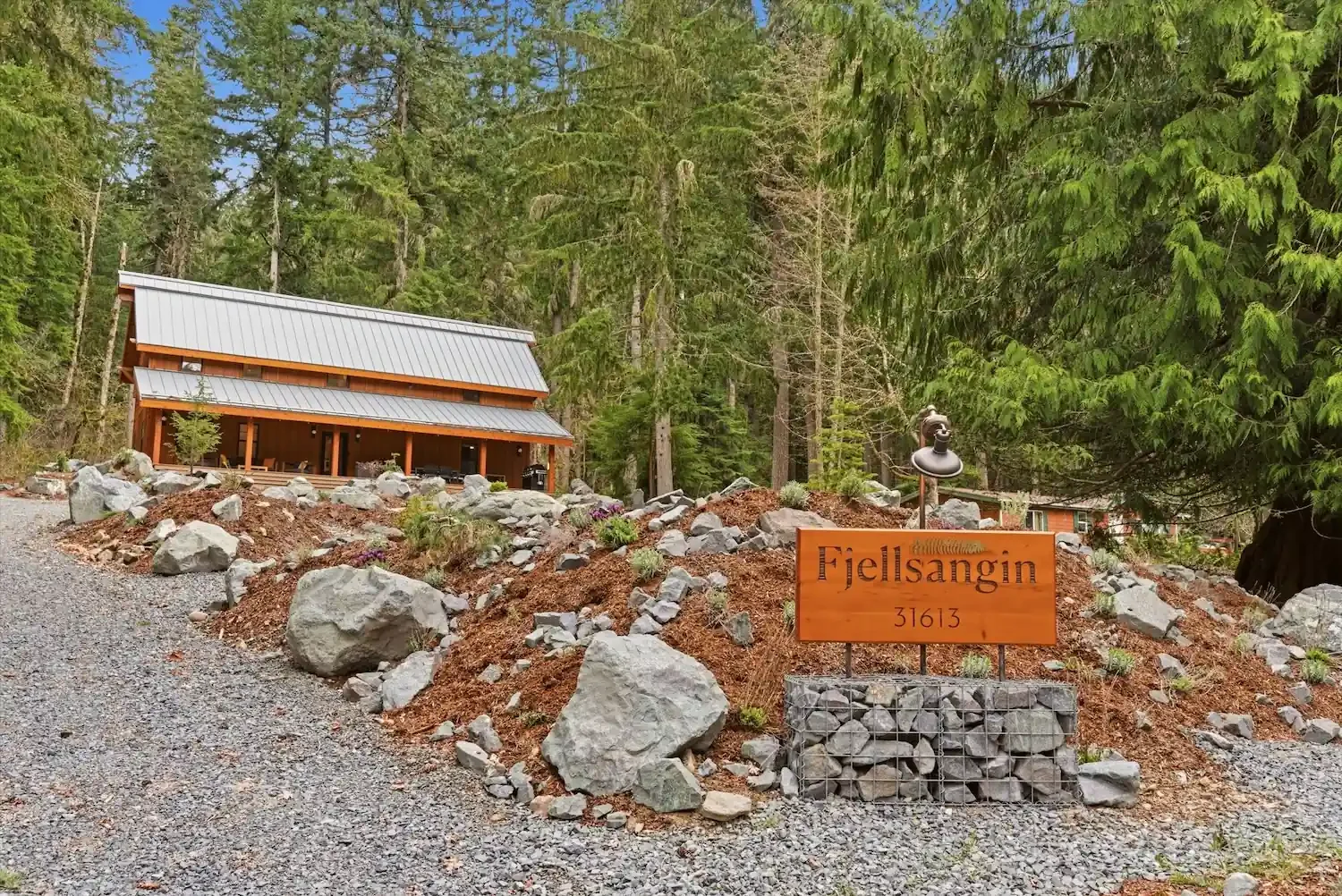
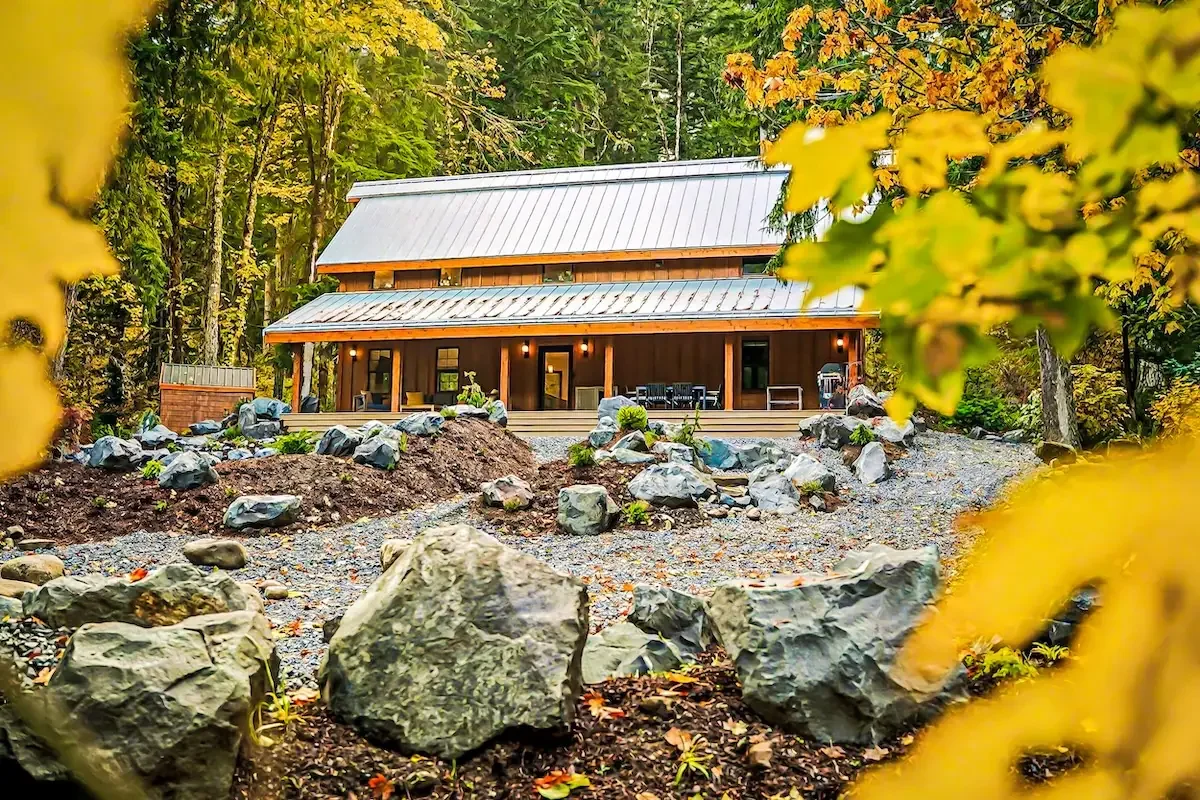
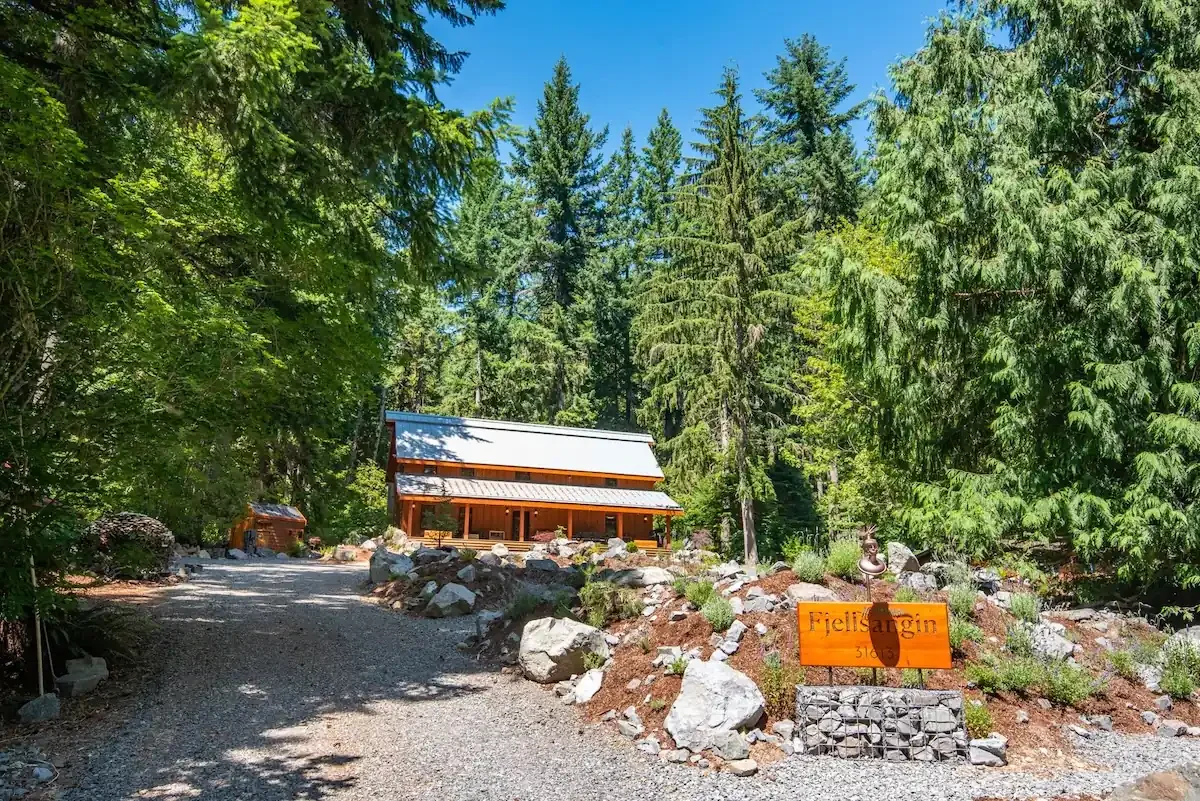
Two days is the honest minimum at Mount Rainier, and three if you want to see more than one side of the mountain. A single day gives you four or five hours in the car for a few hours on a trail, and that math only works if you are already close to a gate when it opens. Fjellsangin is a Nordic-inspired luxury forest cabin at 31613 Mt. Tahoma Canyon Road E in Ashford, Washington, ten minutes from the Nisqually Entrance to Mount Rainier National Park and forty-five minutes from Paradise. That distance is the difference between leaving at five in the morning and leaving well before four.
Is One Day Enough for Mount Rainier?
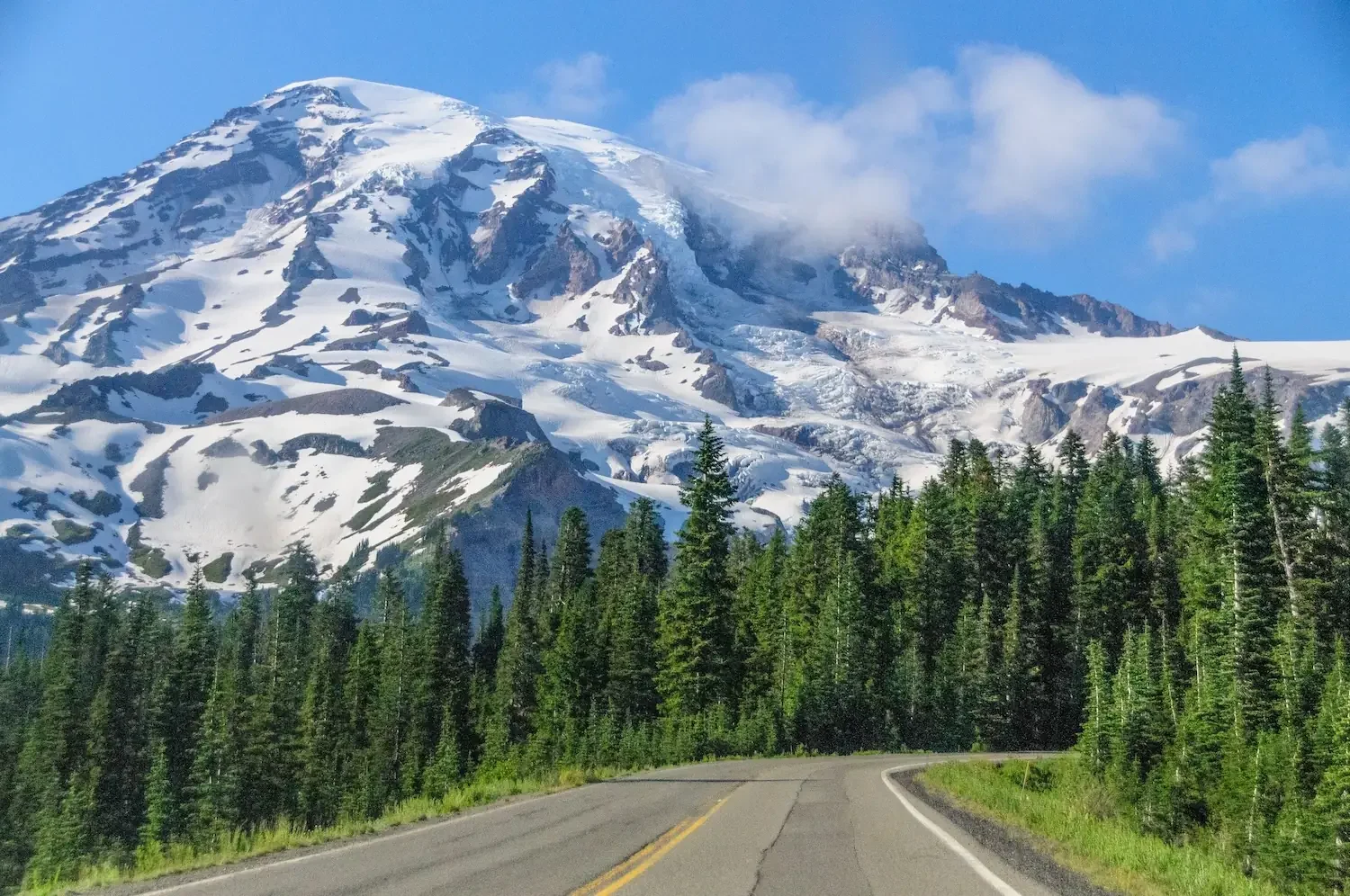
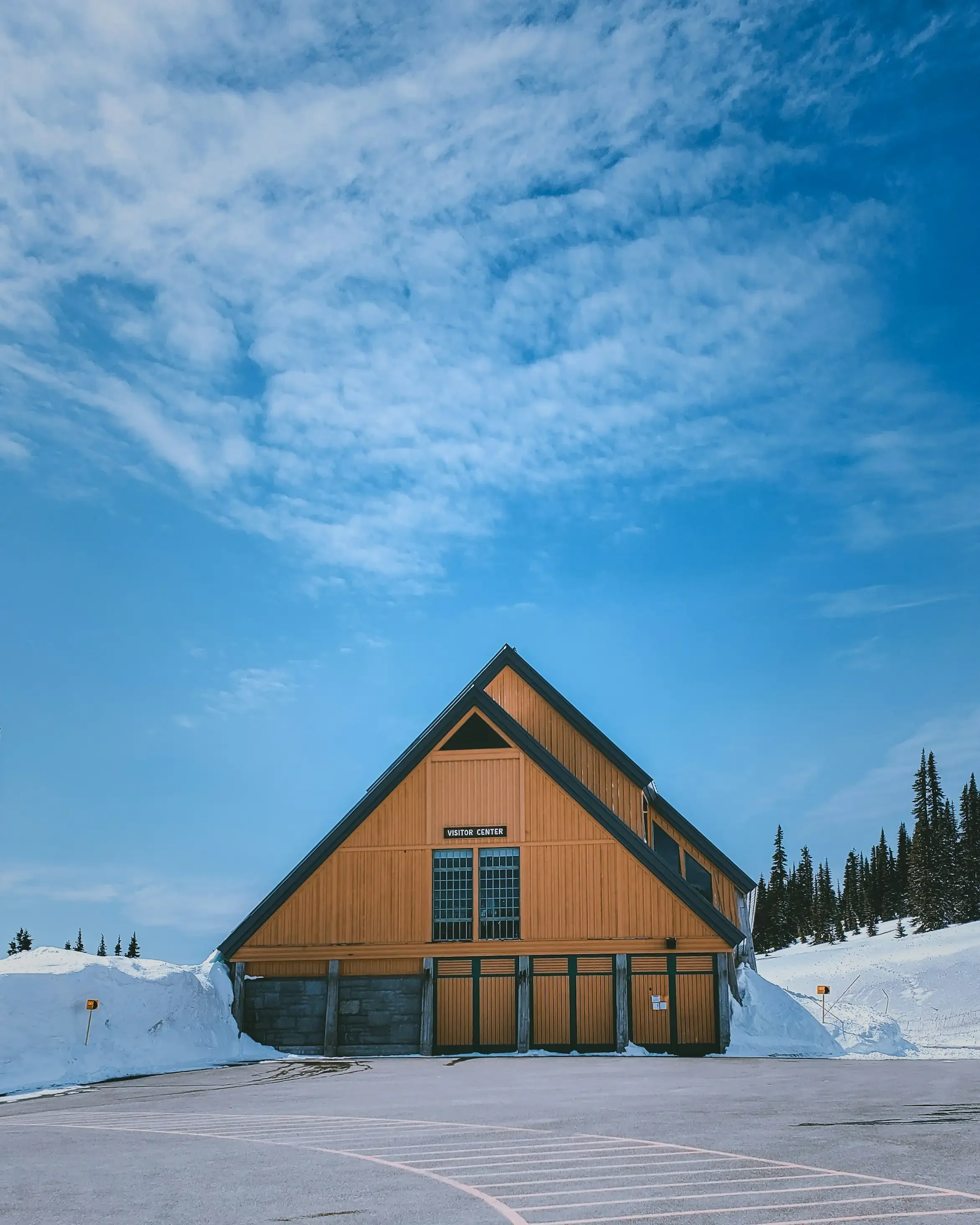
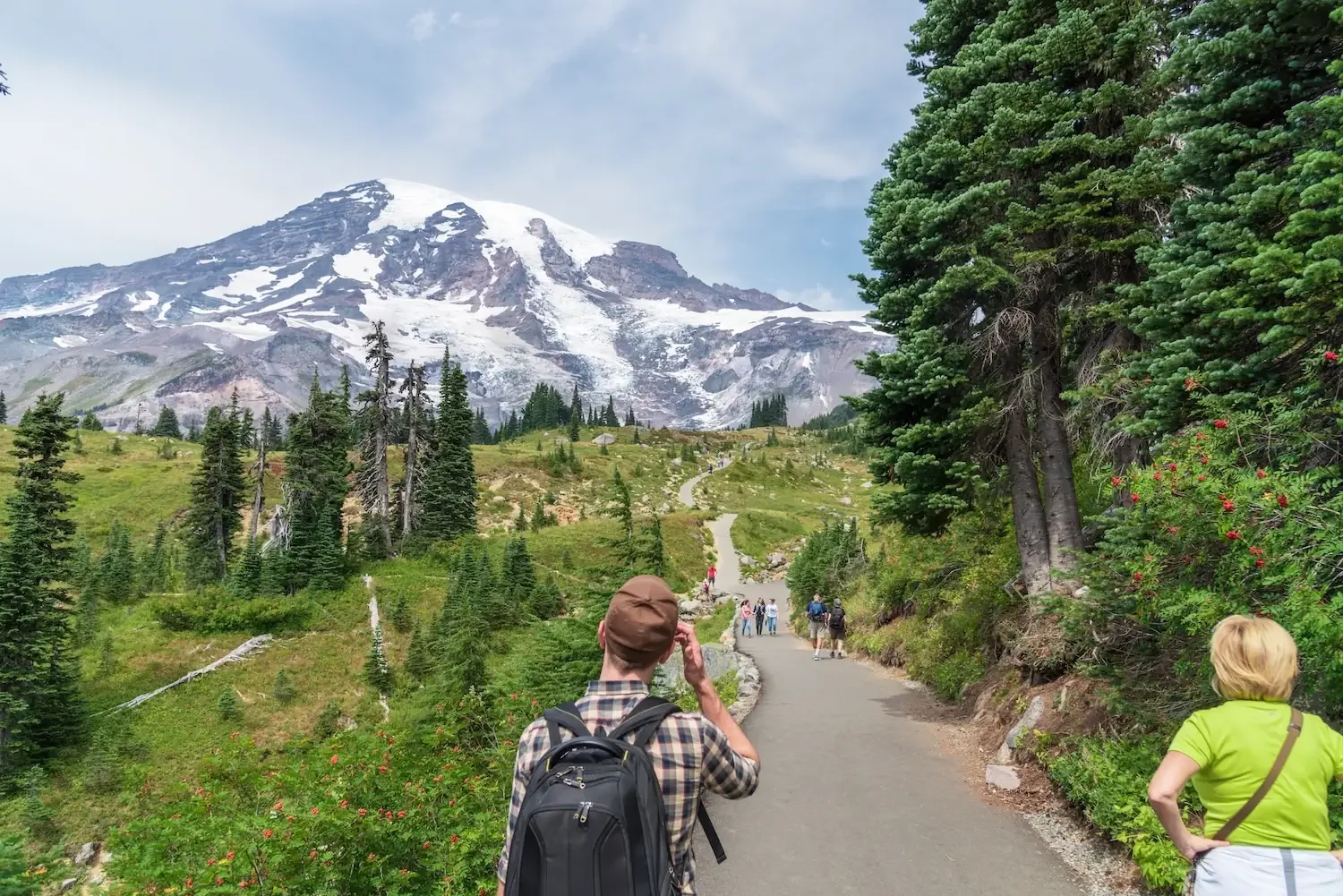
One day covers one area. Usually Paradise, because it holds the visitor center, the Skyline Trail, and the views most people picture when they picture this mountain. It does not cover the park.
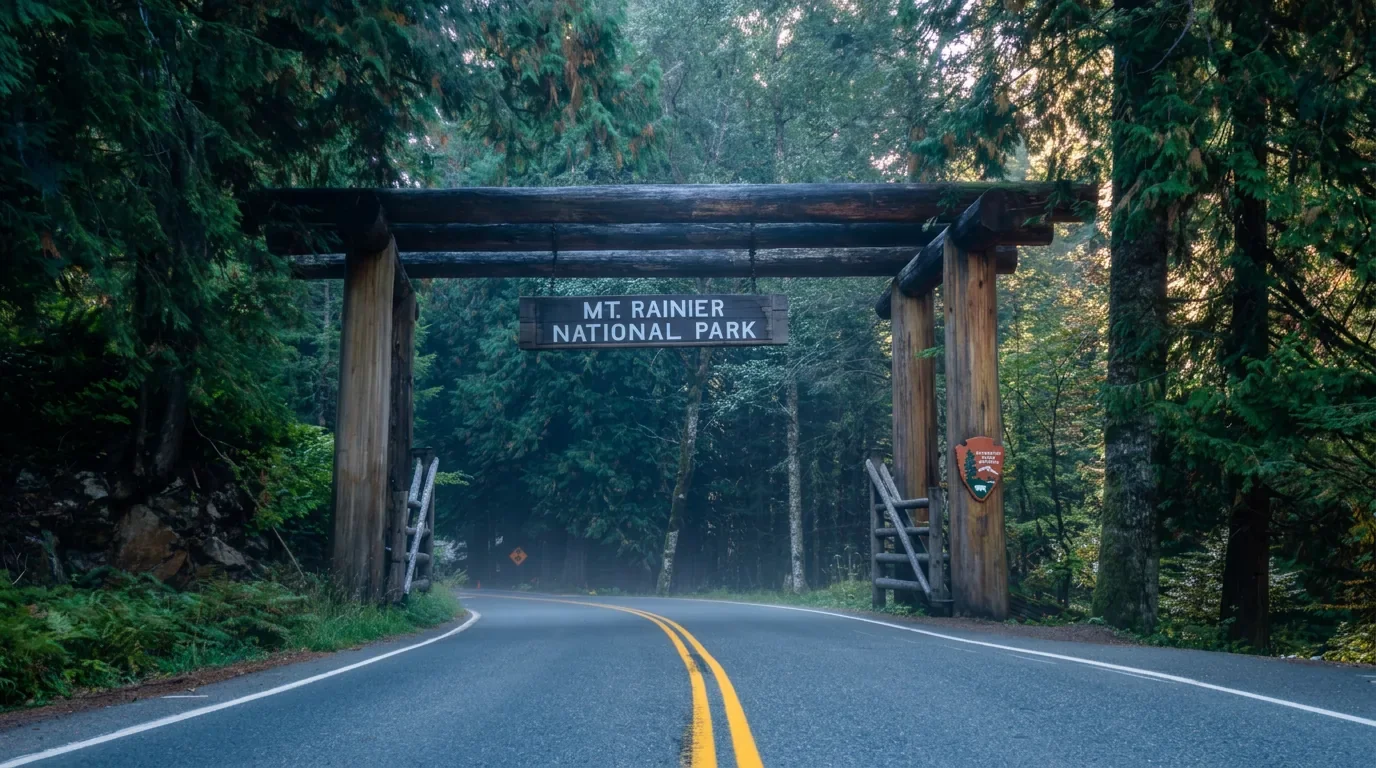
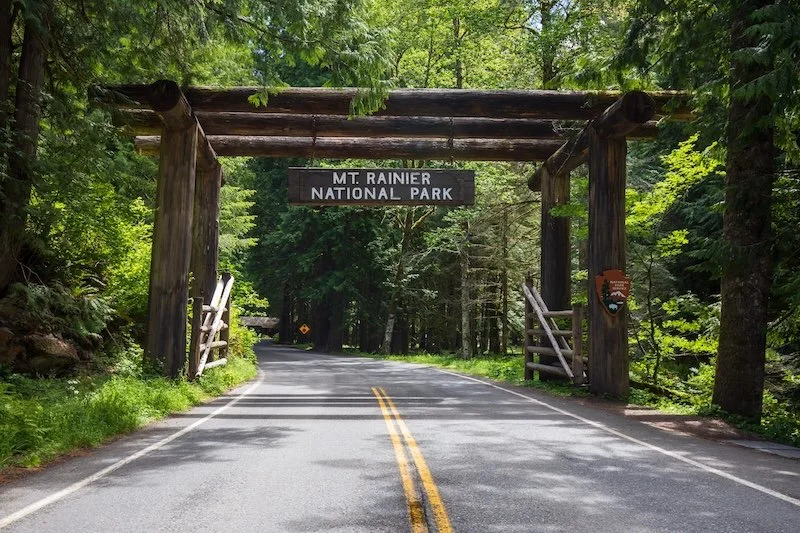
The problem is arrival time. Paradise has a finite lot and no overflow, and in summer it is full by seven. Coming from Seattle that means leaving around four-thirty in the morning. Coming from Tacoma, a little after five. People who leave at a reasonable hour arrive to a full lot and a ranger waving them onward, and they end up driving to Longmire or Reflection Lakes and calling it a day at the mountain.
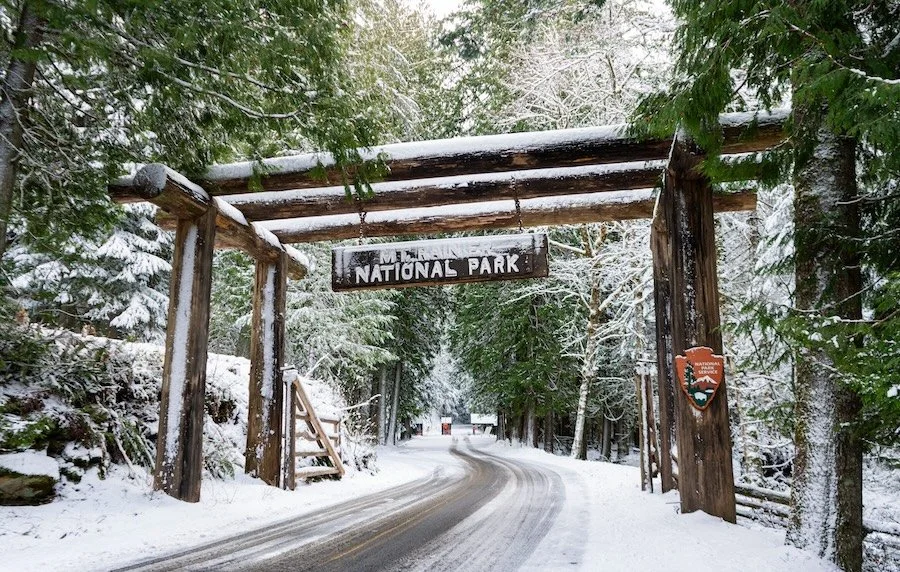
A day trip is not nothing. You will see the mountain, walk something short, and eat a sandwich somewhere with a view. But you will spend more of the day in the car than out of it, and you will make every decision under time pressure. And the entrance line catches people who think they've solved the problem by leaving early. Getting to the gate before it backs up is only half the drive; the lot fills on its own schedule, and in peak season that schedule starts before six.
How Many Days Do You Need to See Both Paradise and Sunrise?
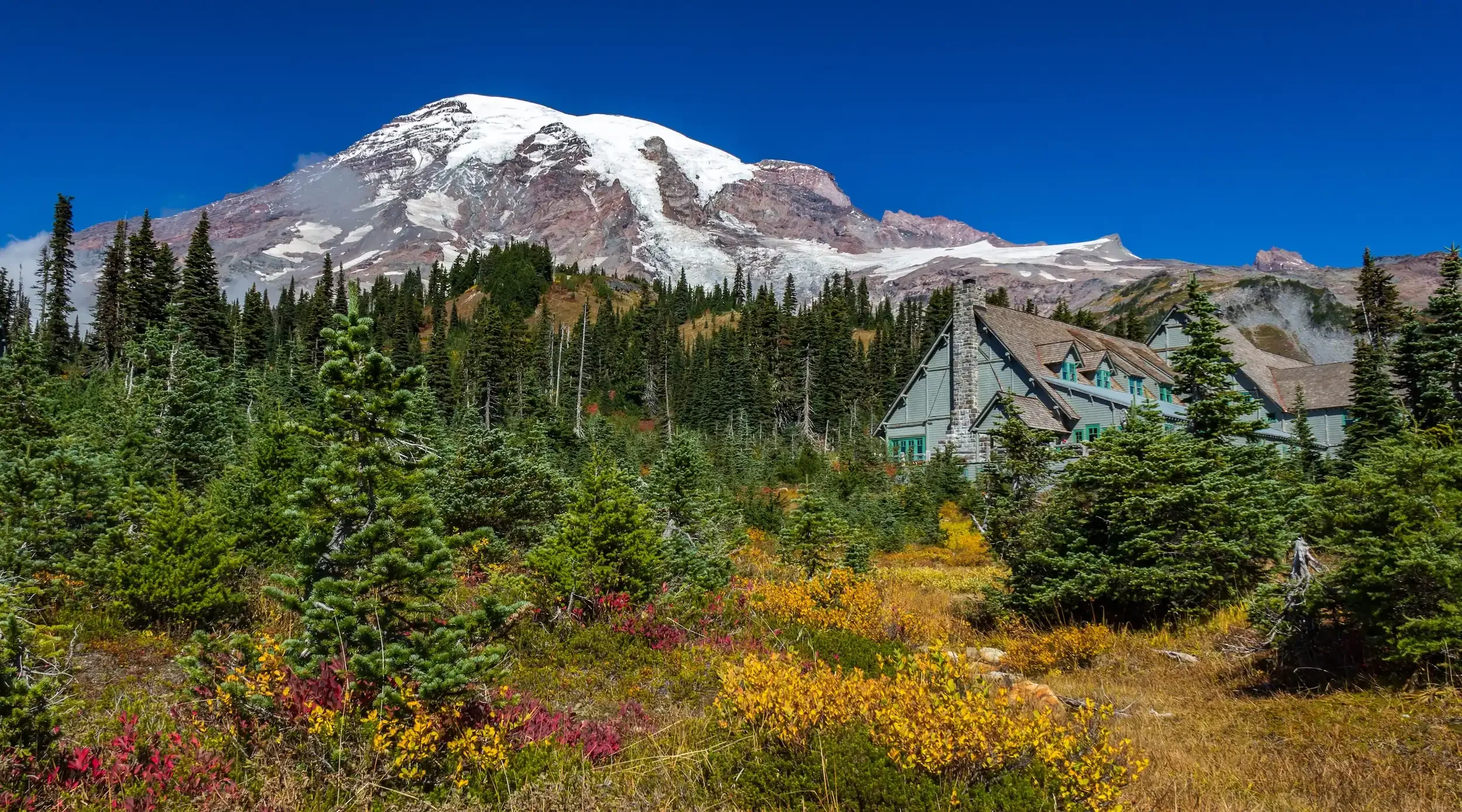
Three. Paradise sits on the southwest side of the mountain and Sunrise sits on the northeast, and there is no road over the top. Getting between them means going around, which is a couple of hours each way depending on which route is open. Each one is its own day.
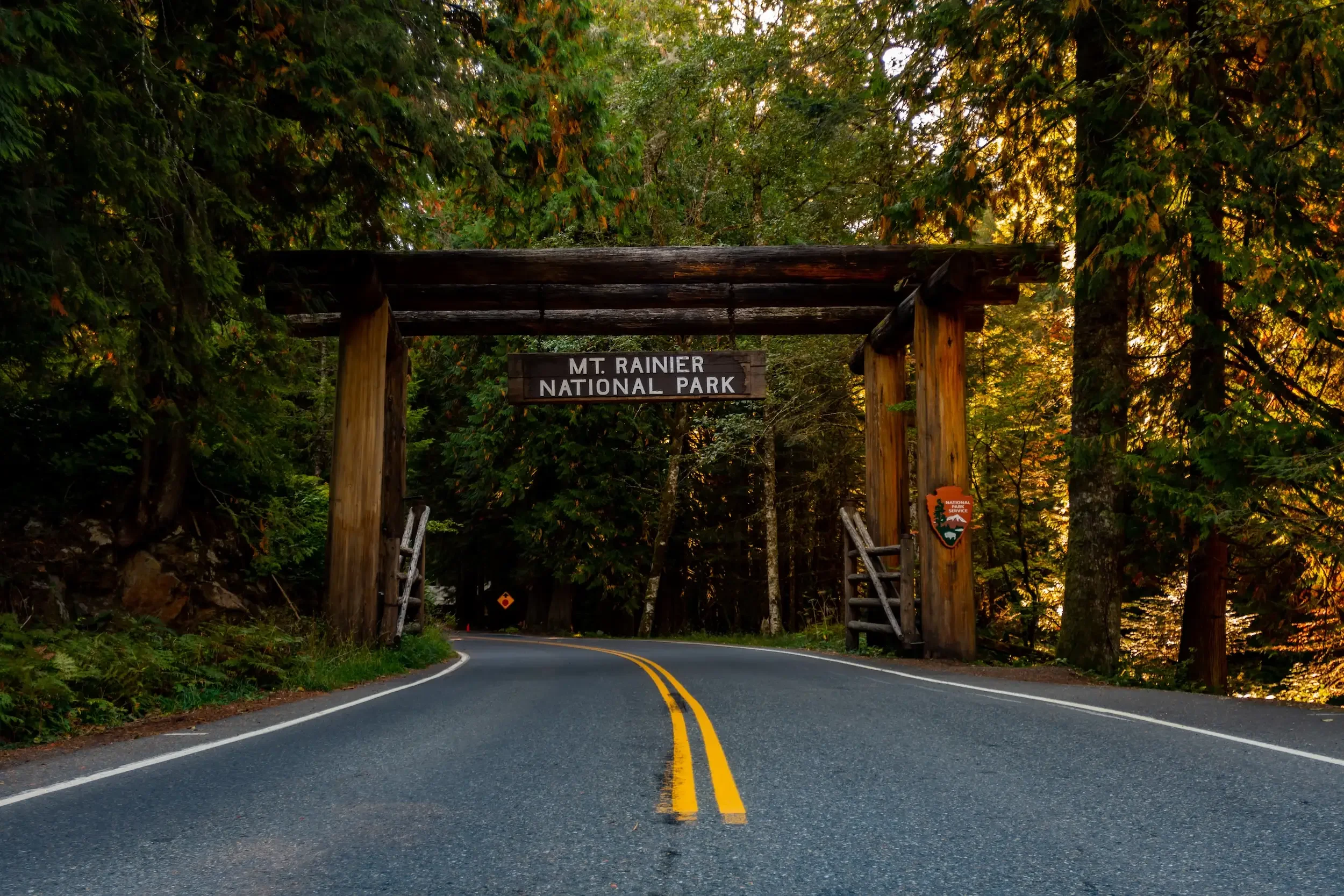
The two are also open on different calendars. Paradise runs year-round by way of the Nisqually Entrance, the only gate that stays open through winter. Sunrise opens late, usually not until July, and closes with the first serious snow. Its road is the highest you can drive in the park, which is exactly why it closes first.
If you have two days, take Paradise and use the second for the Nisqually corridor at a slower pace. Longmire, Comet Falls, and the Grove of the Patriarchs when it is open. If you have three, Sunrise earns the third, and you should treat it as a full day rather than an afternoon.
What Is the Best Month to Go to Mount Rainier?
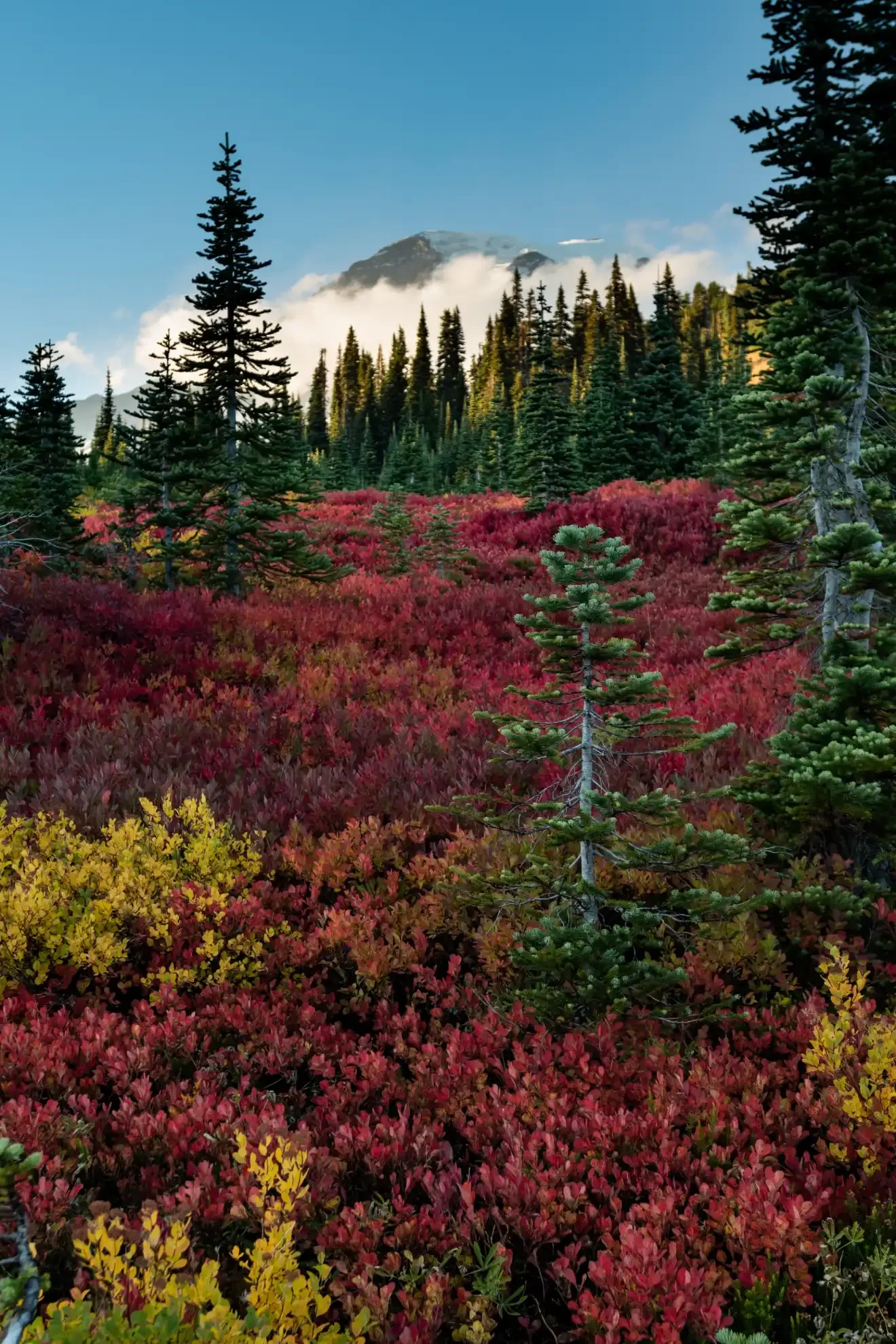
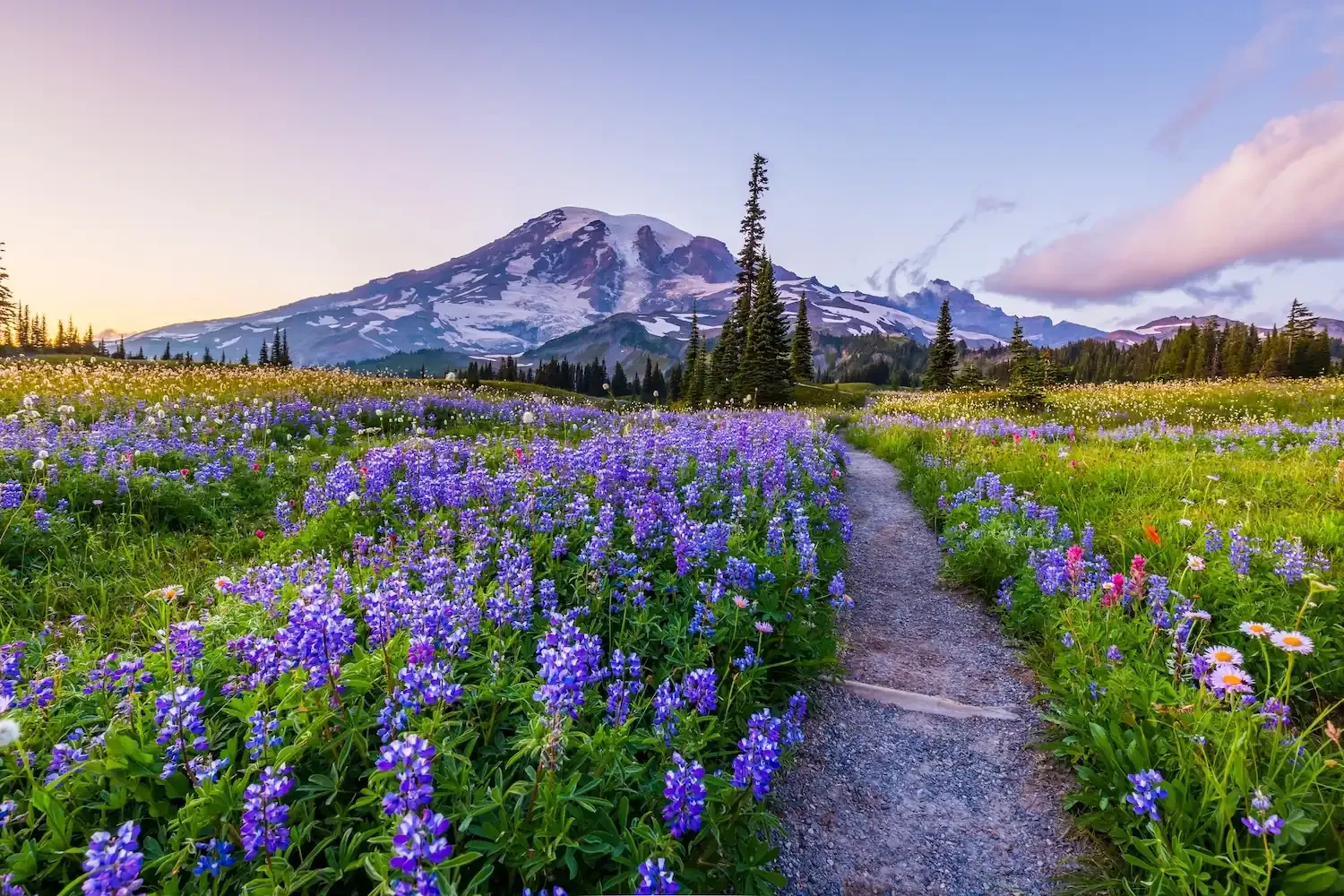
Late July and August. The wildflowers at Paradise come in then, not in spring, and that timing surprises people who have seen the photographs and booked for May. Snow lingers at elevation well into summer, and the meadows do not bloom until it goes.
September is the quieter version of the same trip. Trails are open, the crowds thin after Labor Day, and the light gets long and low in a way that flatters everything. October brings color at lower elevations and closes roads at higher ones.
Winter narrows the park considerably. The Nisqually Entrance stays open, and the road to Paradise is plowed, but chains are required for every vehicle from November 1 through May 1, including all-wheel drive. That is a legal requirement, not a suggestion, and rangers check. Plan for a shorter day and a slower drive.
Check current conditions and closures before any trip. Roads inside the park change with weather, sometimes overnight.
How Long Does It Take to Drive to Paradise?
Forty-five minutes from Ashford, after the ten minutes it takes to reach the Nisqually Entrance. From Seattle it runs closer to two and a half hours before you enter the park at all. From Tacoma, about two.
From Fjellsangin, that math means leaving around five in the morning to arrive ahead of the lot filling. Lee left at 5:15 on a recent midweek trip and made it in comfortably. Earlier in the summer that window relaxes; by mid-August, when everyone is trying to get one more trip in before school starts, five is closer to the right call than a guess.
Those numbers assume you are not stopping, and you will stop. The road between Longmire and Paradise climbs through switchbacks with pullouts at nearly every one, and Christine Falls sits under a stone arch bridge that people brake for whether they meant to or not.
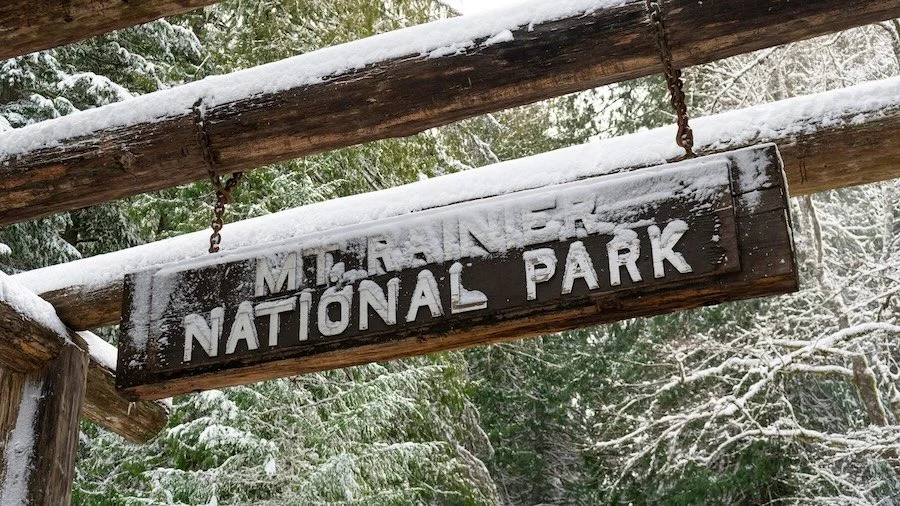
Two more things worth knowing before you go. Cell service disappears inside the park, so download your maps at the cabin. And entry is $35 per vehicle for seven days, or $80 for an America the Beautiful pass if you are visiting more than a couple of parks this year.
Where Should You Stay to Make an Early Start Possible?
Ashford. Not because it is charming, though it is, but because of what the clock does from anywhere else. In peak season, beating the lot means leaving Ashford by five. From lodging another forty-five minutes down the valley, that same target means a four-fifteen alarm. Over three days that difference compounds into a genuinely different trip.
It also changes what the evenings are for. When the drive home is under an hour, you are not committing to a two-hour return in the dark after a full day of walking, which means you stay later at the mountain and still get back with the night intact.
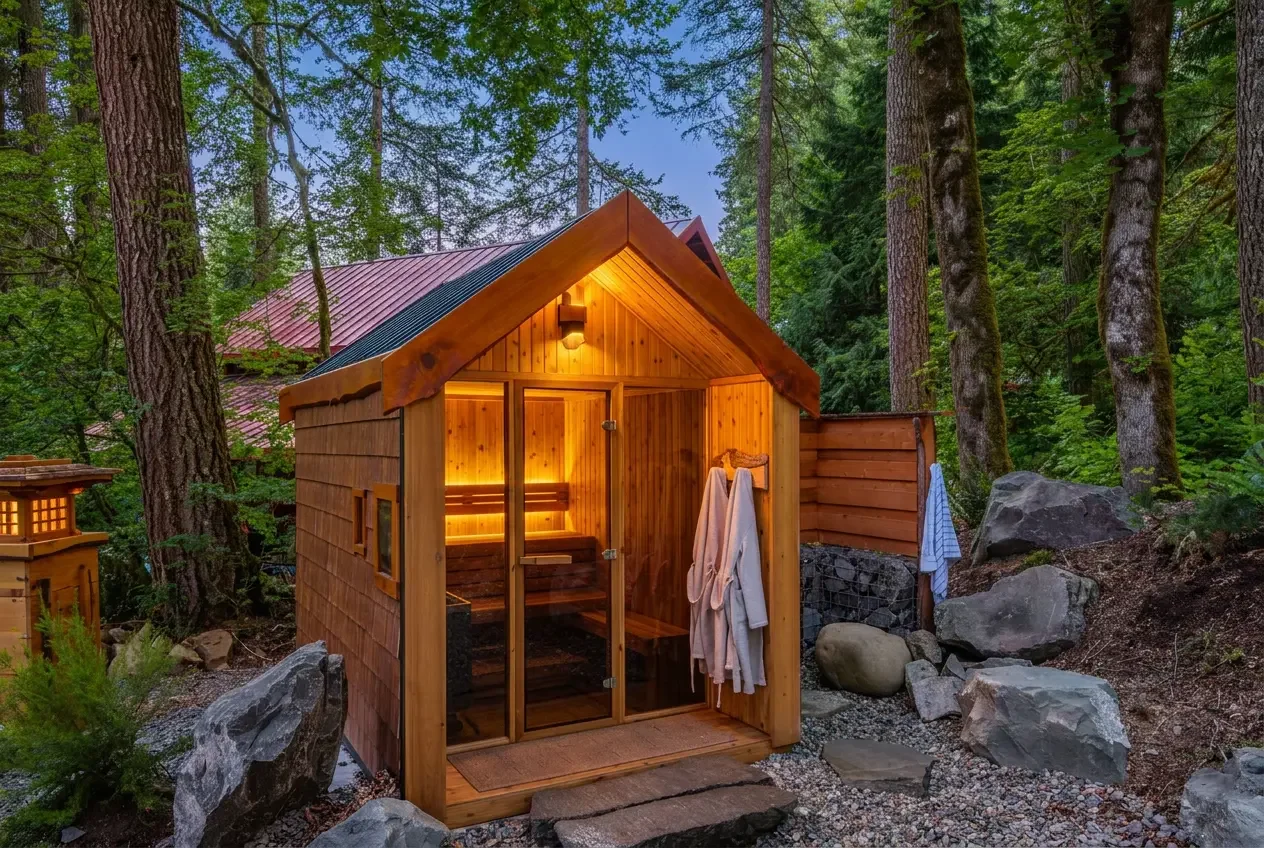
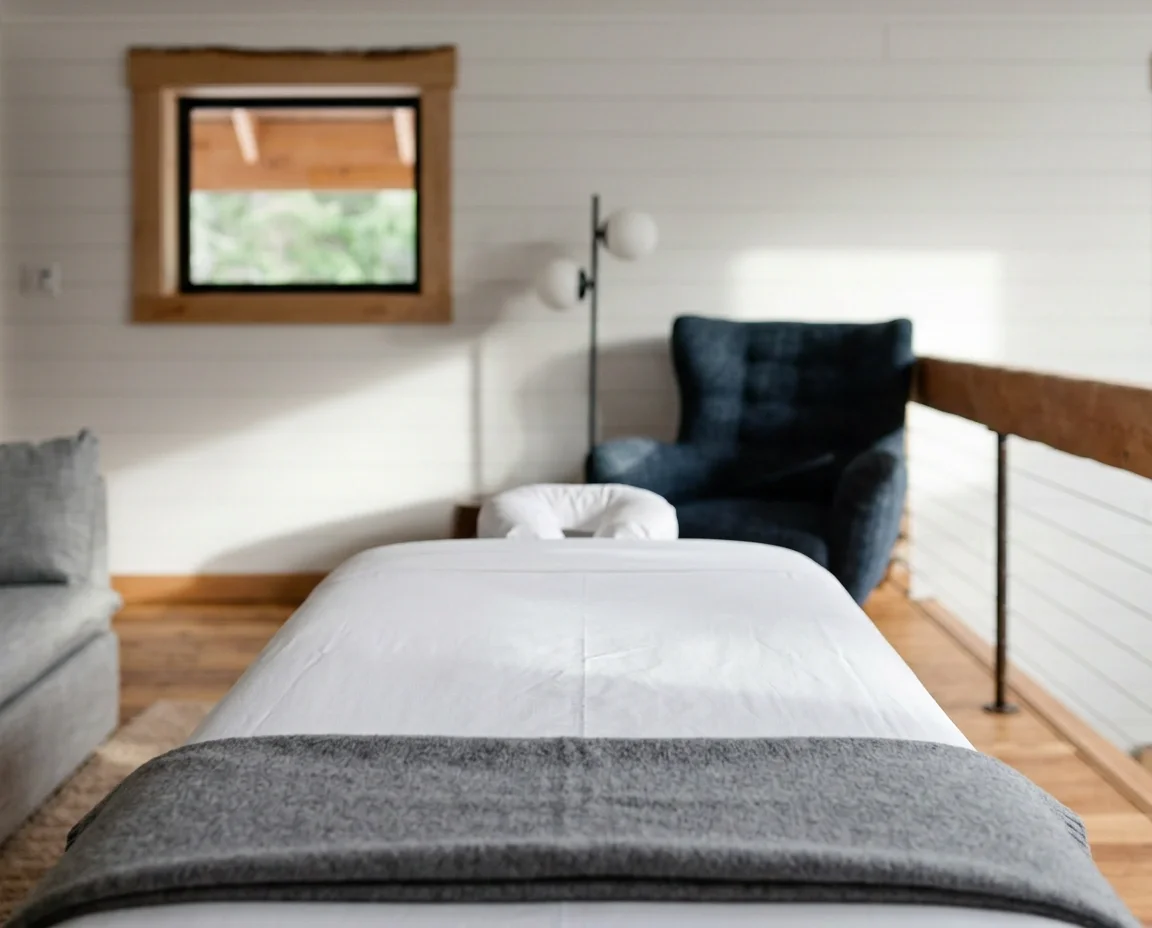
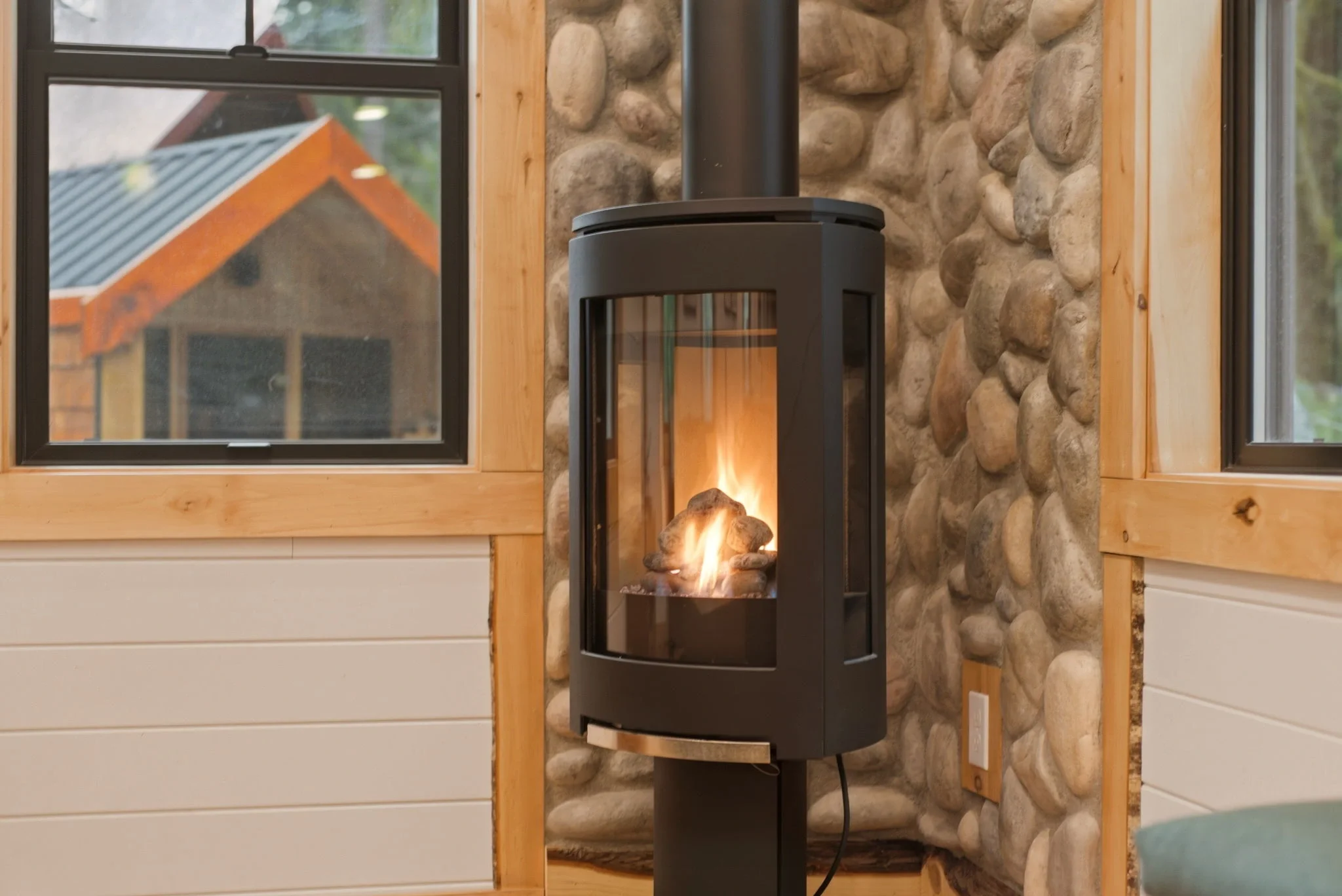
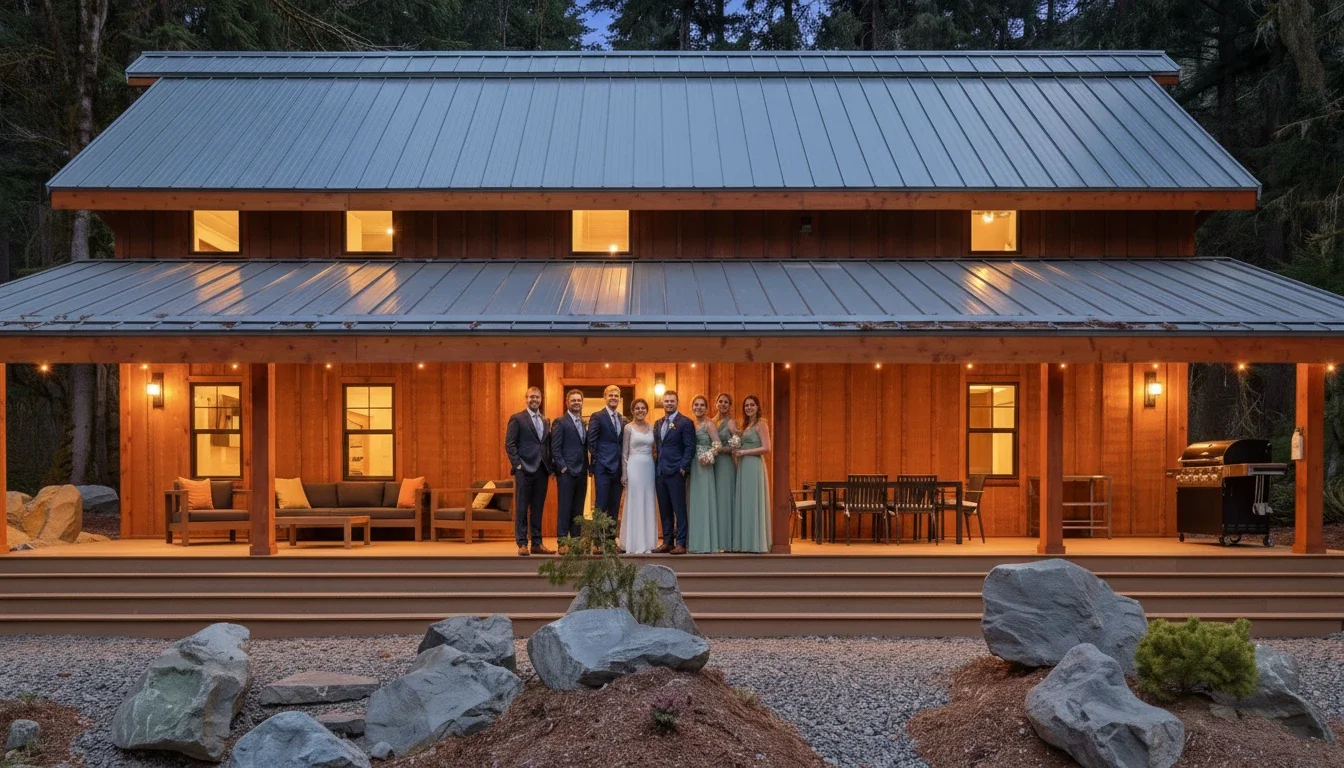
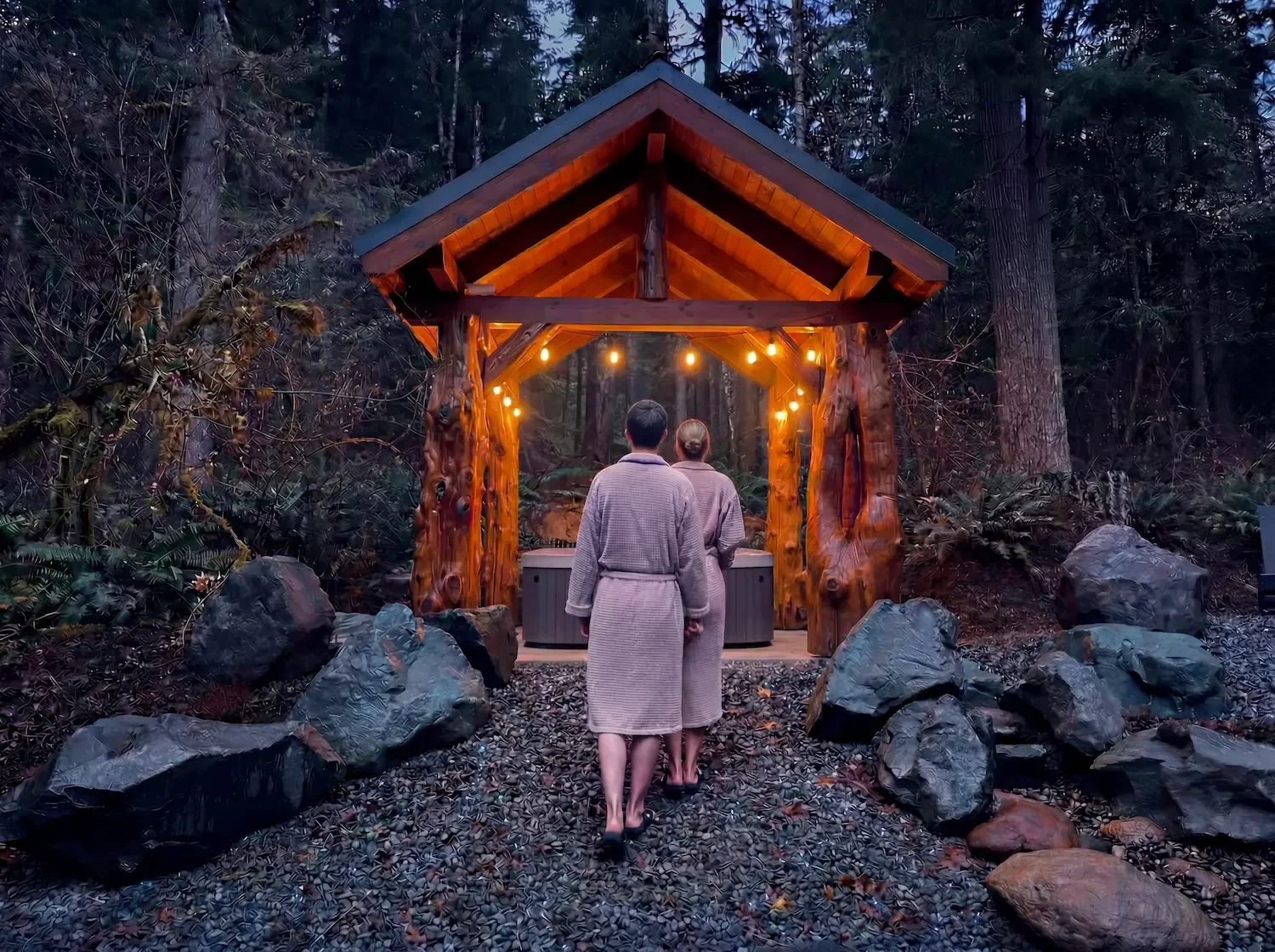
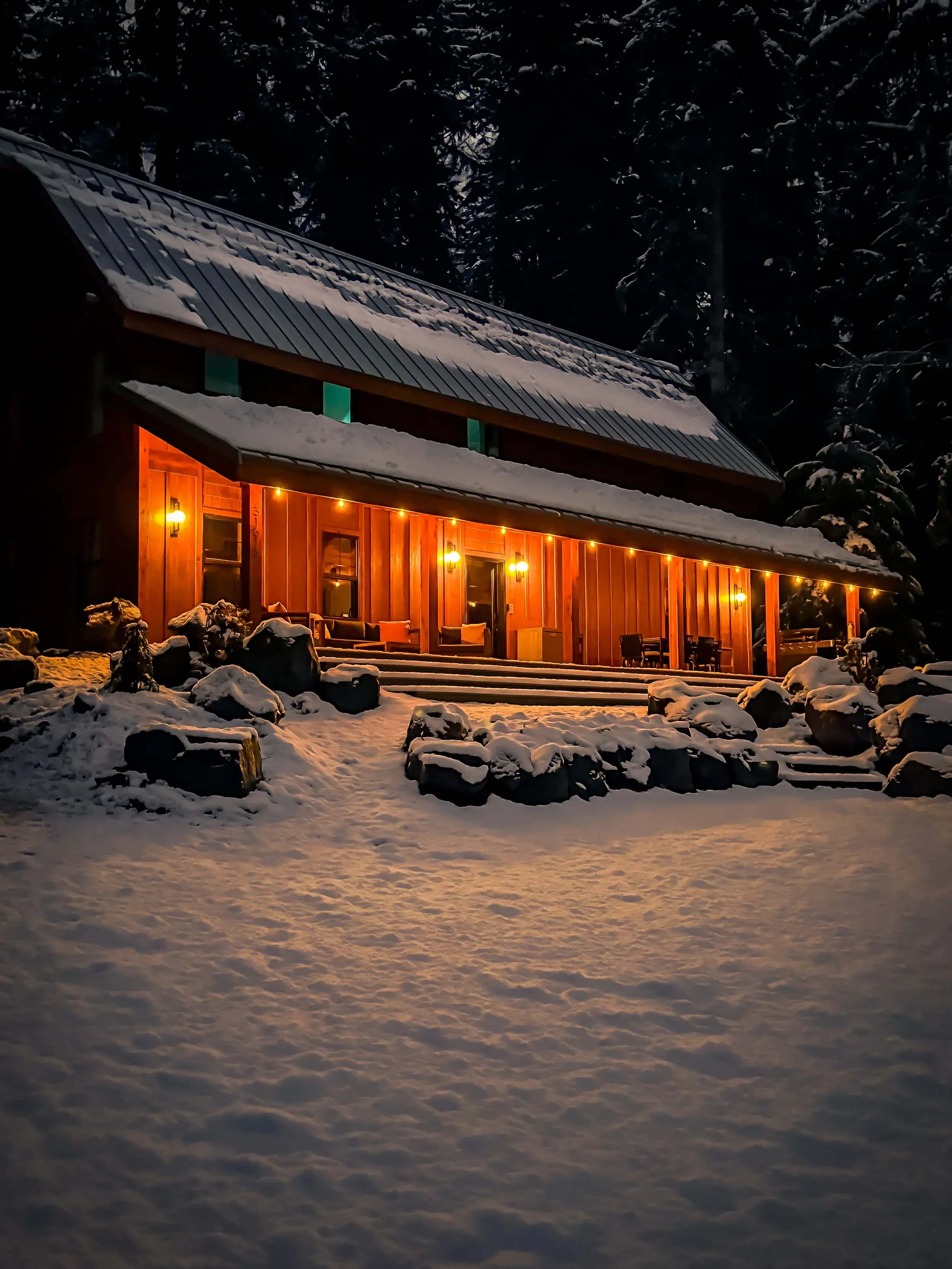
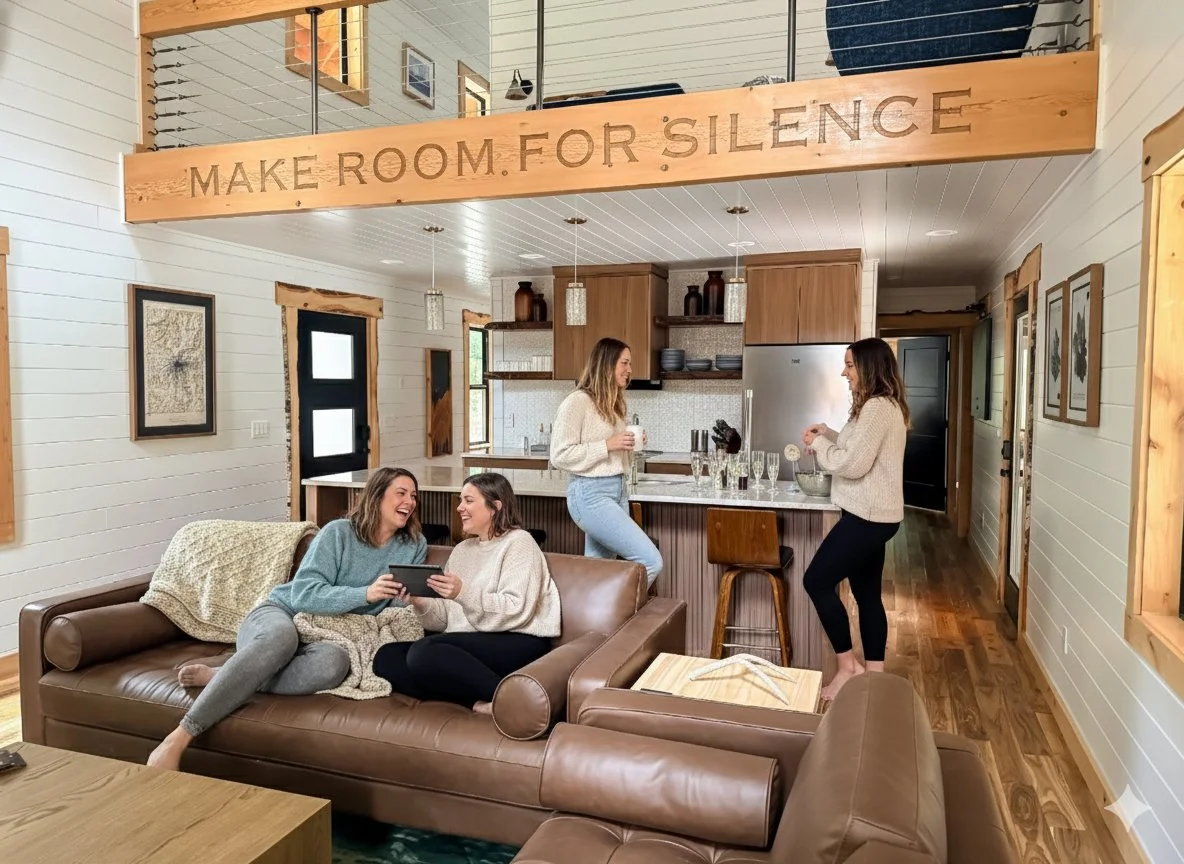
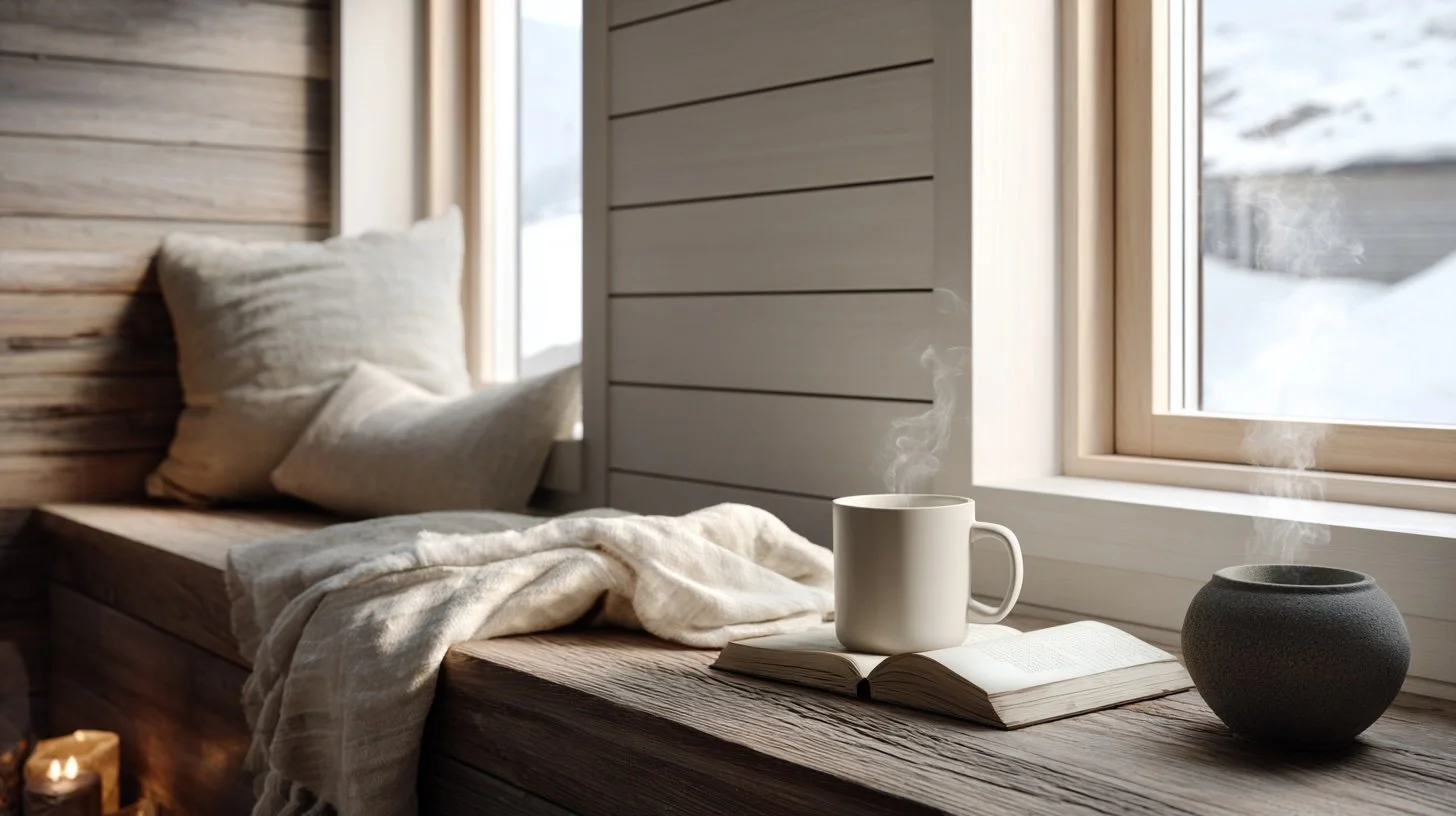
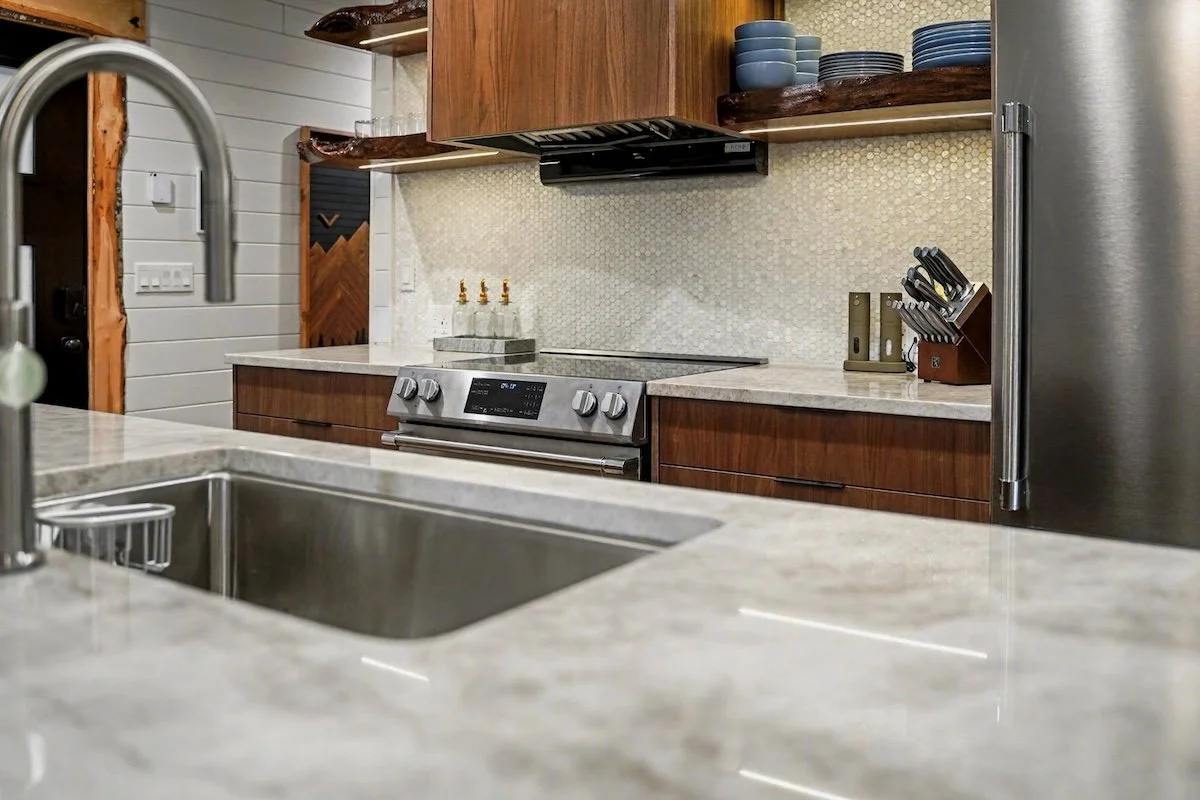
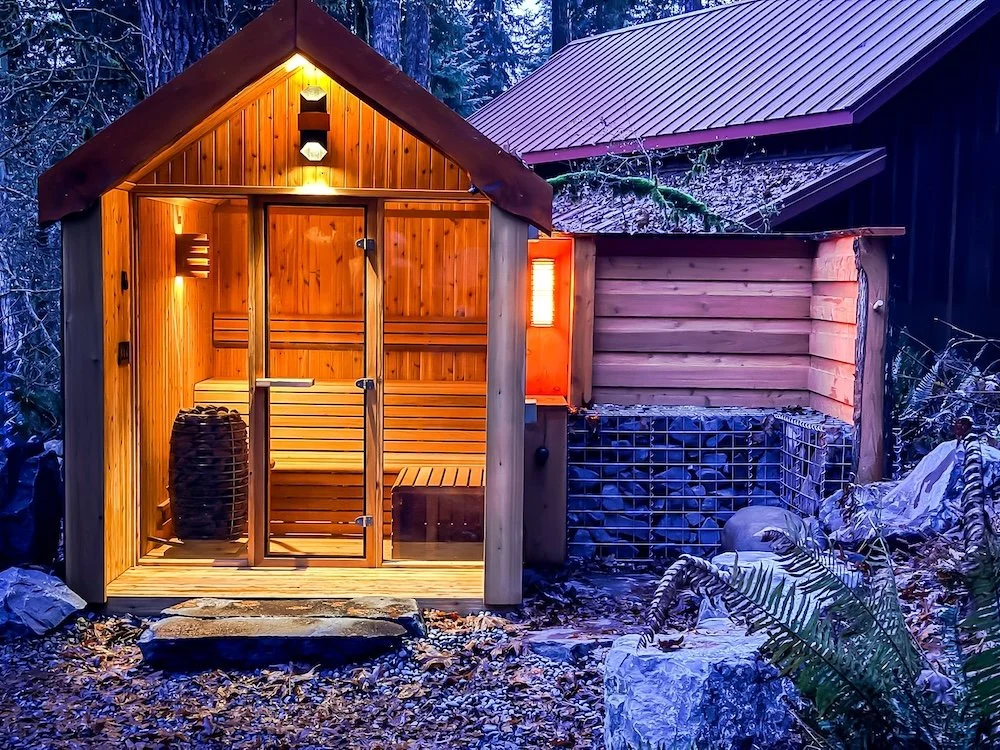
Fjellsangin sits ten minutes from the Nisqually Entrance in Ashford, with a cedar-lined sauna, a covered hot tub pavilion, and 4,436 acres of permanently protected Nisqually Land Trust forest behind the property. The sauna takes about an hour to heat, which is roughly the time it takes to get back from a Paradise day, land on the couch, and let it catch up to you. That's what a short drive actually buys. Guests come back from a hard hike and crash for a while before the sauna's ready, then move straight into the hot tub without another mile of driving between the trail and the heat. It's consistently the thing people mention afterward, that circuit at the end of a park day. Two king bedrooms and a queen sleeper loft, up to six guests, two-night minimum.
If three days is what the mountain asks for, the room you come back to matters as much as the trail you walked. Check availability and plan your stay at Fjellsangin.