The Pacific Northwest Road Trip You Keep Putting Off
Why Fjellsangin and Mount Rainier Make the Case for Drive-To Travel
Flying somewhere takes planning. It takes airport runs, security lines, luggage fees, and a particular kind of mental preparation that feels less like vacation and more like logistics management. Drive-to destinations have always been different — and right now, with travel costs rising and people reconsidering what a good trip actually looks like, the road trip makes more sense than it has in years.
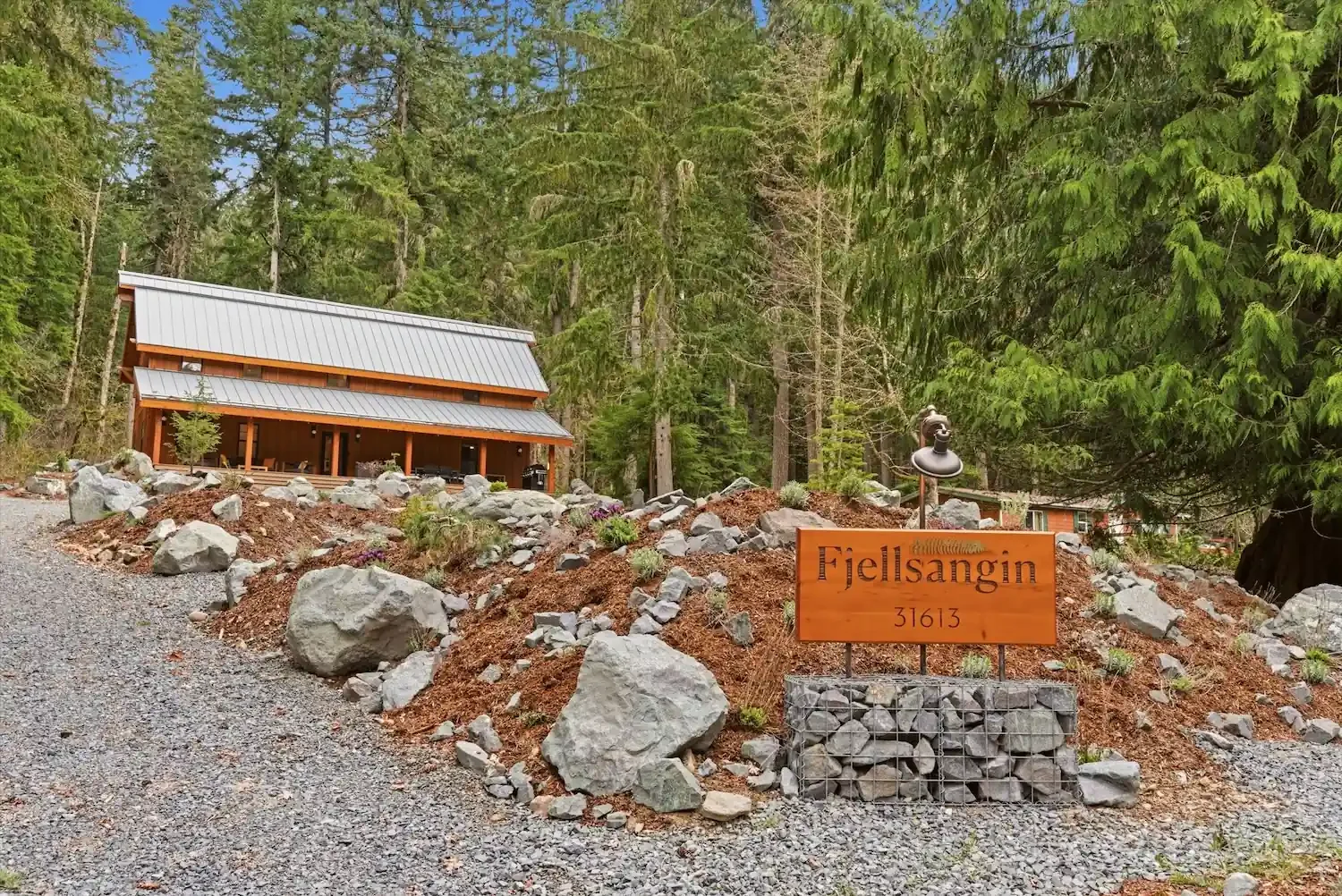
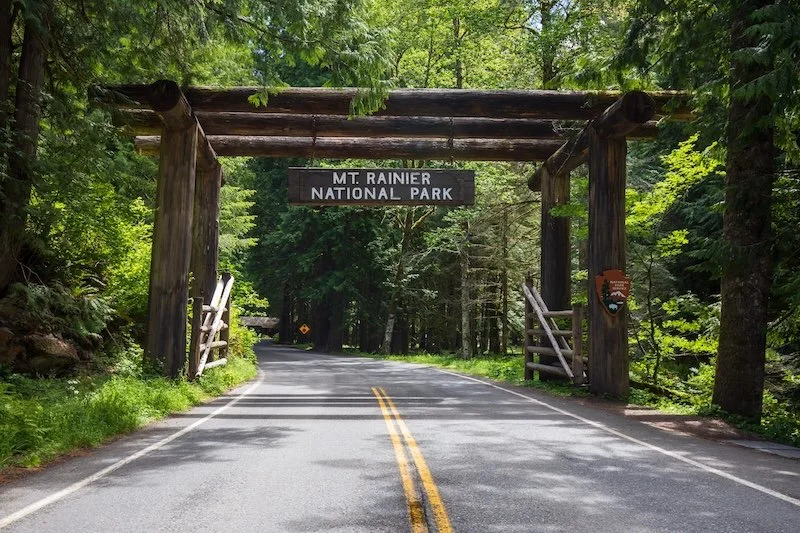
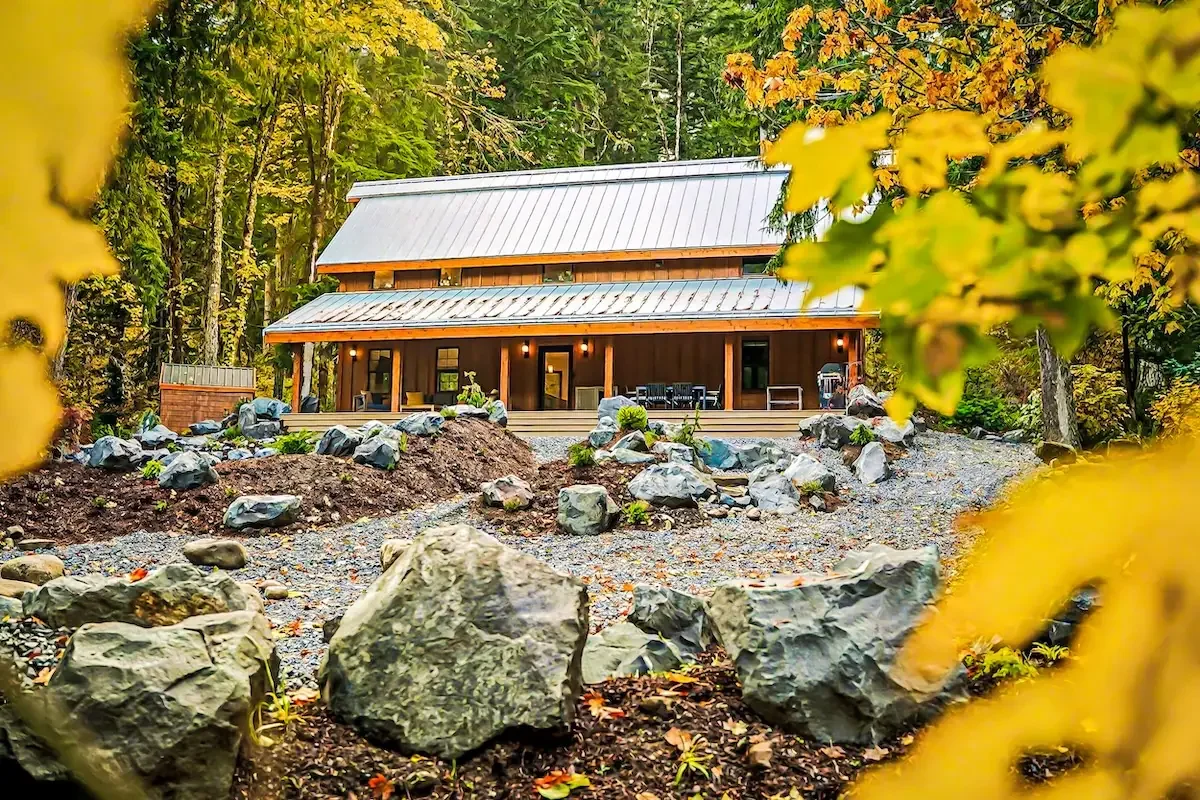
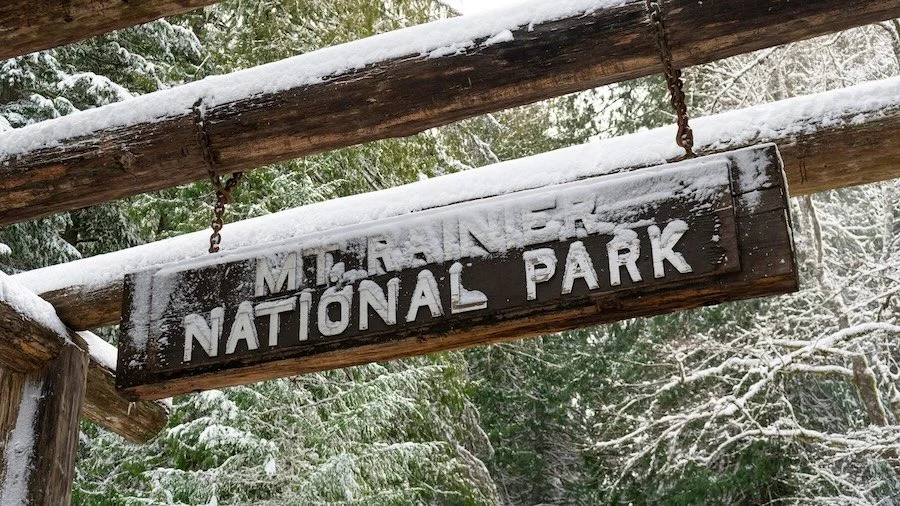
Mount Rainier National Park is two hours from Seattle and two and a half from Portland, making it one of the most accessible major national parks in the country for a weekend road trip. Fjellsangin is a luxury forest cabin in Ashford, Washington — ten minutes from the Nisqually entrance, backed by 4,436 acres of permanently protected Nisqually Land Trust forest — and it makes a better basecamp for the park than most people realize is available. This guide covers the drive in, what to do once you’re here, where to eat in Ashford, and why staying overnight changes the trip entirely.
This post is for them.
The mountain is there. The cabin is in the trees, ten minutes from the Nisqually entrance. The only thing between you and this trip is the decision to stop putting it off.
Why Is a Mount Rainier Road Trip Worth It Right Now?
Flying compresses time in ways that feel efficient but often leave you arriving without having actually arrived. The drive does something different. It gives you the transition. It gives you the landscape.
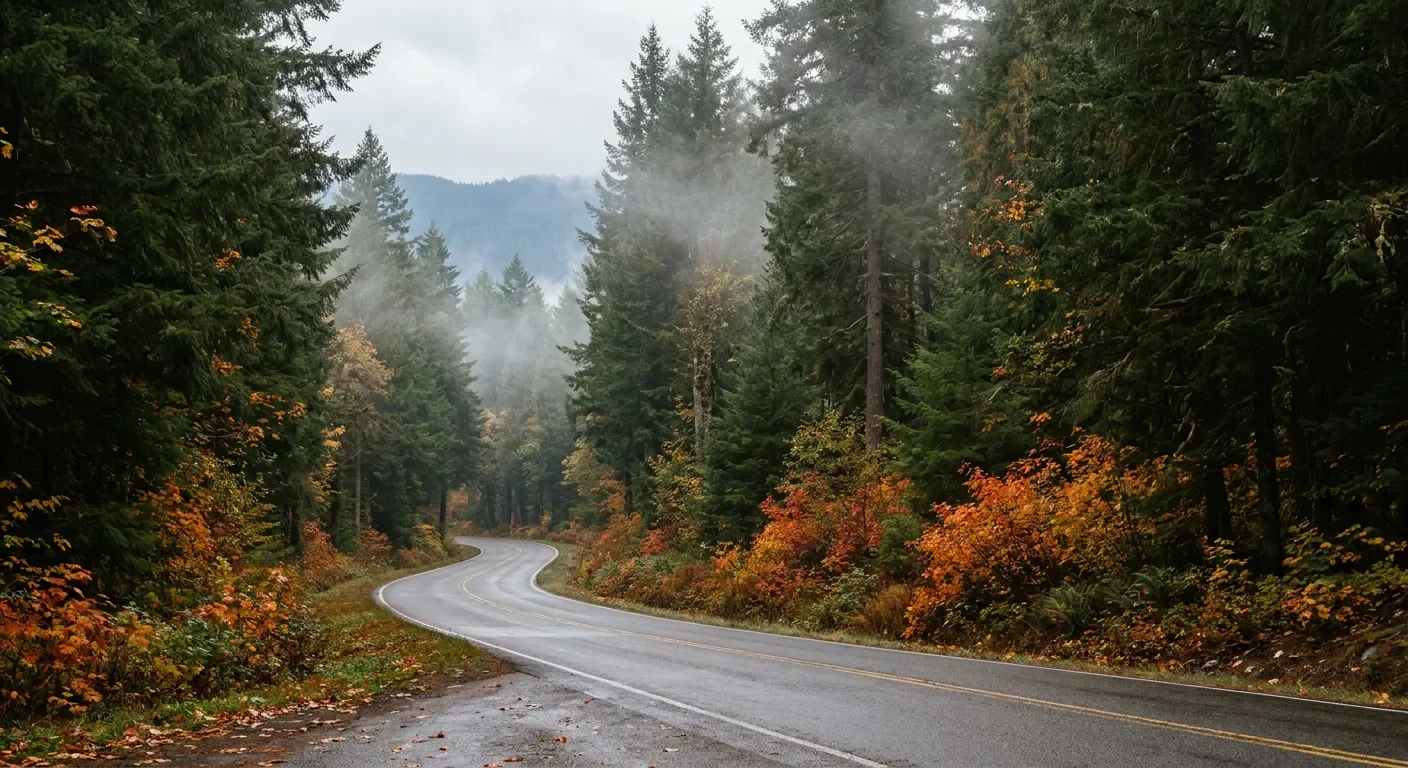
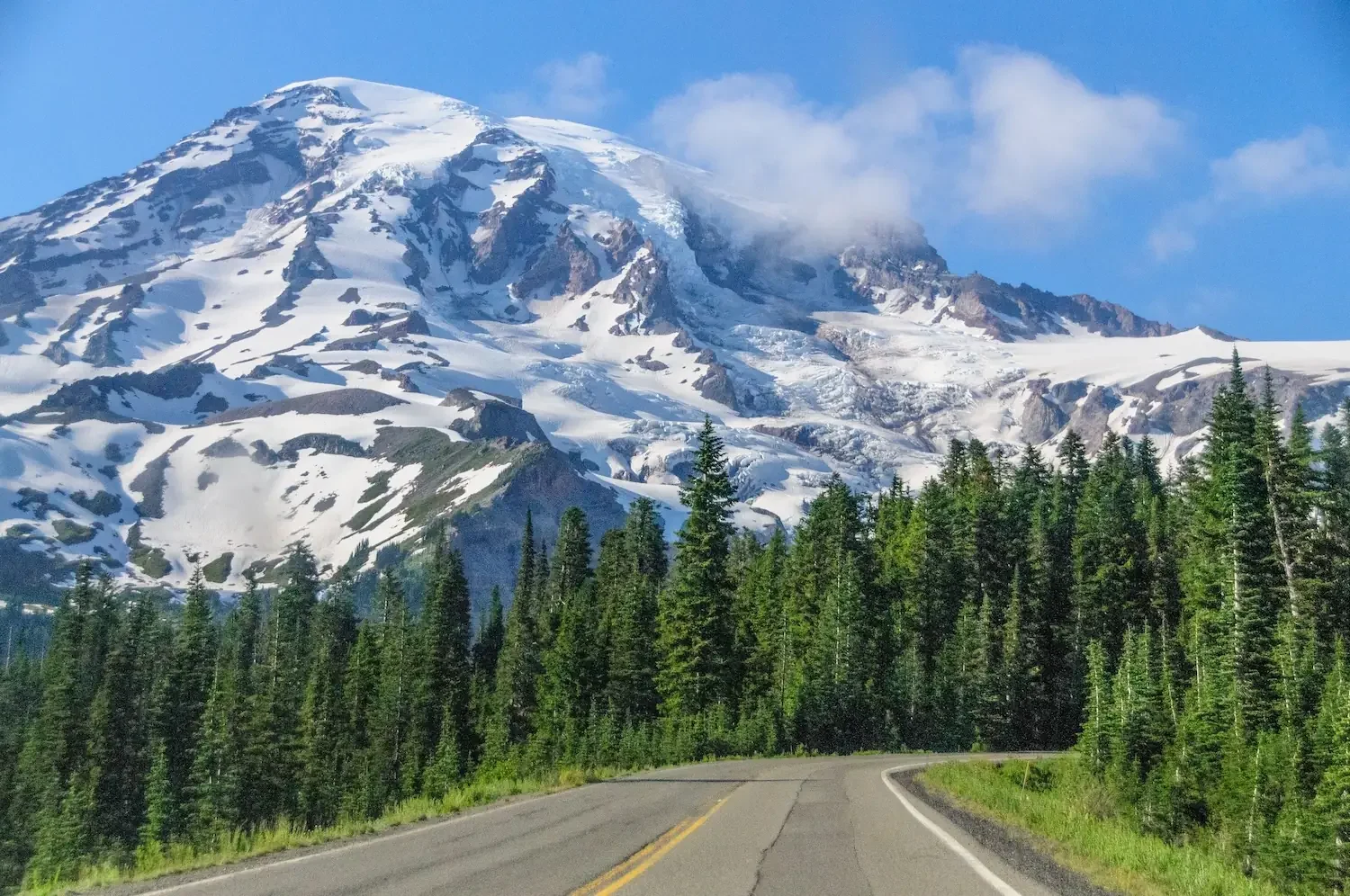
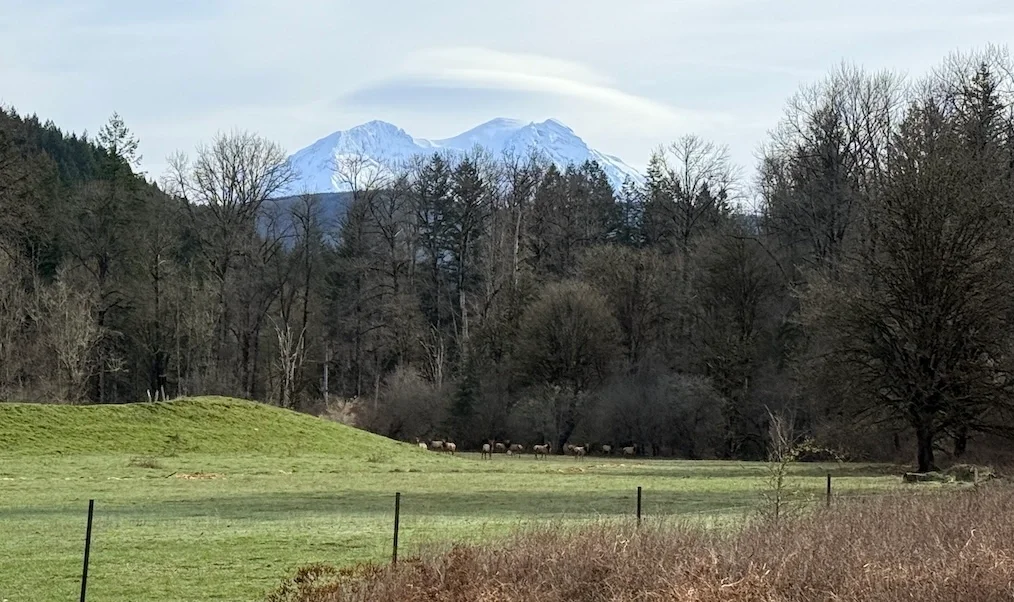
Highway 7 south from Tacoma into the Nisqually River valley is a case in point. The drive takes you past Alder Lake, a reservoir where old tree stumps break the surface when the water is low — stark and quietly eerie, the kind of thing you don't expect on a mountain road. There's a photograph of those stumps on the wall of the lower king bedroom at Fjellsangin; guests notice it. Closer to Ashford, the tall trees close in on both sides and the highway narrows into something that feels like a different world. Jennifer thinks it every time: I’m on the Parkway. The first glimpse of the mountain comes just before Ashford, over the open field locals call the Elk Field, across from a metal sculpture park. On a clear day, the scale of what you're looking at lands before you've had time to process it.
This is the drive. It's not a price-of-gas calculation. It's a better trip.
When travel costs push people toward proximity, the Pacific Northwest benefits more than almost anywhere else in the country. The concentration of landscape here — Cascades, protected forest, coastline, national parks — within a few hours of two major metros is unusual. Mount Rainier has been drawing people from Seattle and Portland for over a century. Most of them don't stay long enough.
How Far Is Mount Rainier from Seattle and Portland?
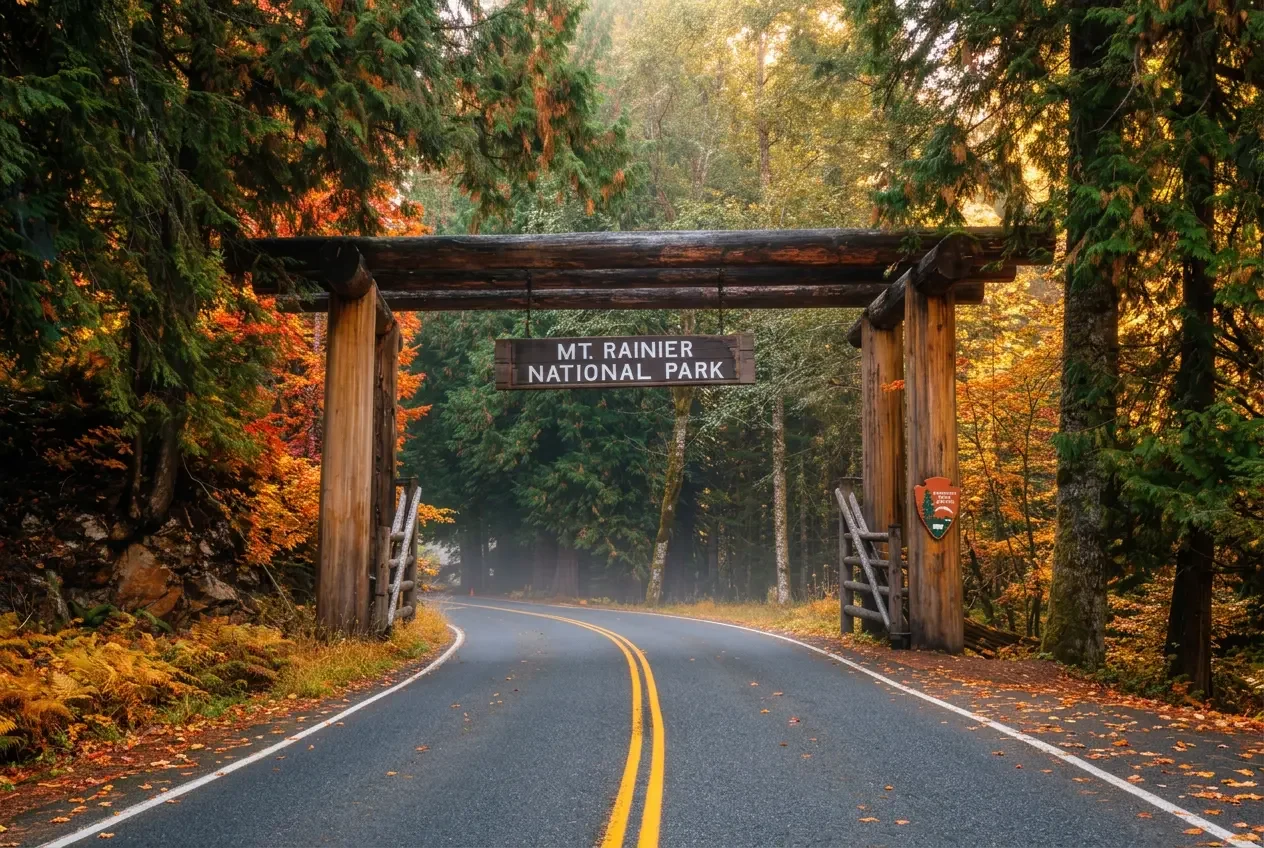
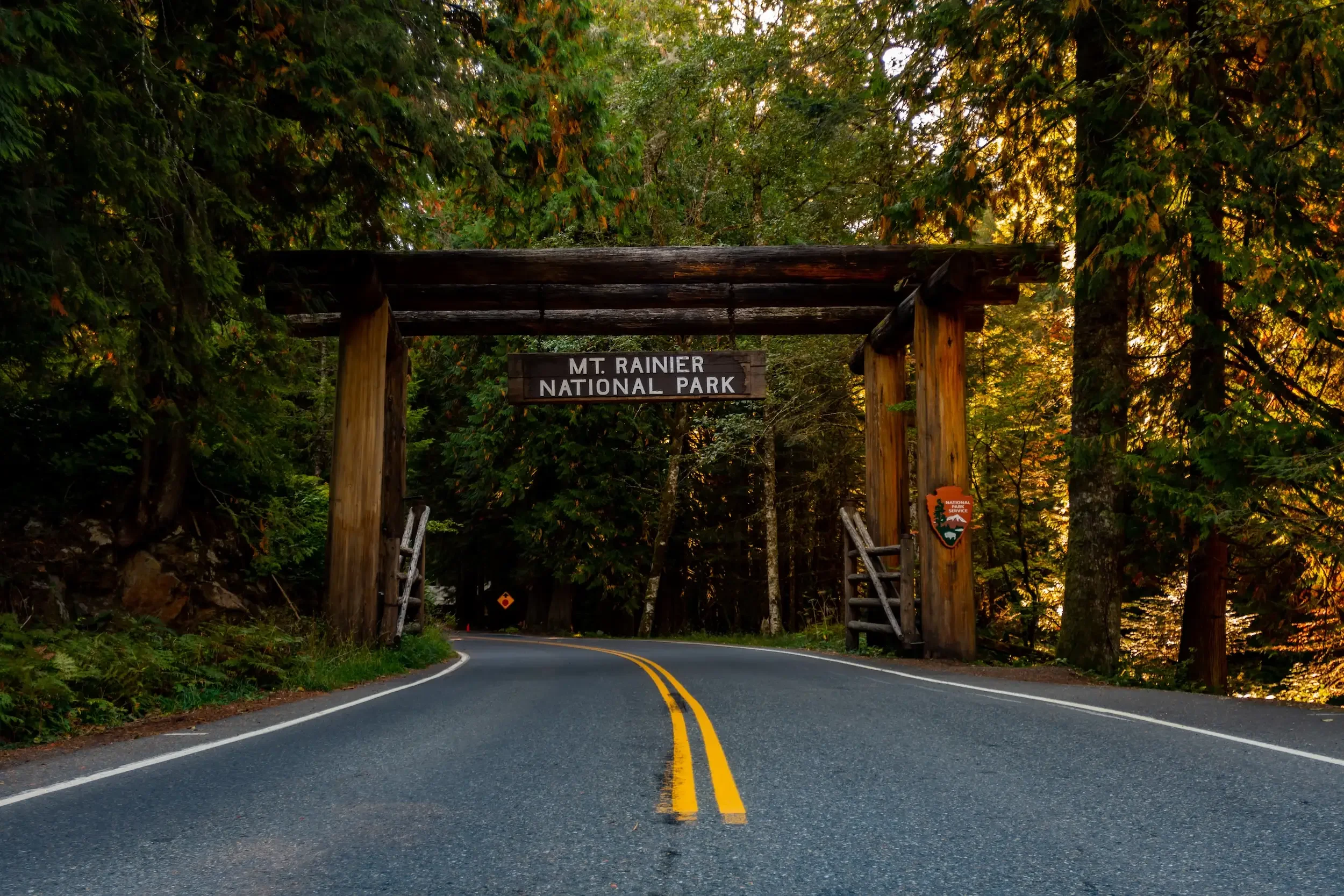
From Seattle, Mount Rainier via the Nisqually entrance is roughly 90 miles — about two hours without traffic, a little longer on Friday afternoons when half the city has the same idea. From Tacoma, it's closer to an hour. Portland to the Nisqually entrance runs about 175 miles, typically two and a half to three hours depending on how you route through the Cascades.
Most people drive from the north route through Eatonville on Highway 7, which is the slower but more scenic option. Eatonville itself is where Northwest Trek Wildlife Park is — a 700-acre free-roaming wildlife park operated by Metro Parks Tacoma, where bison, elk, wolves, and black bears move through something close to their natural habitat. If you have kids in the car or just want to see a moose at a reasonable distance, it's worth building time into the schedule. Elbe, a few miles further south, has a train car restaurant that's been feeding park-bound travelers for decades and is the departure point for the Mount Rainier Scenic Railroad, which runs vintage steam and diesel trains through the foothills.
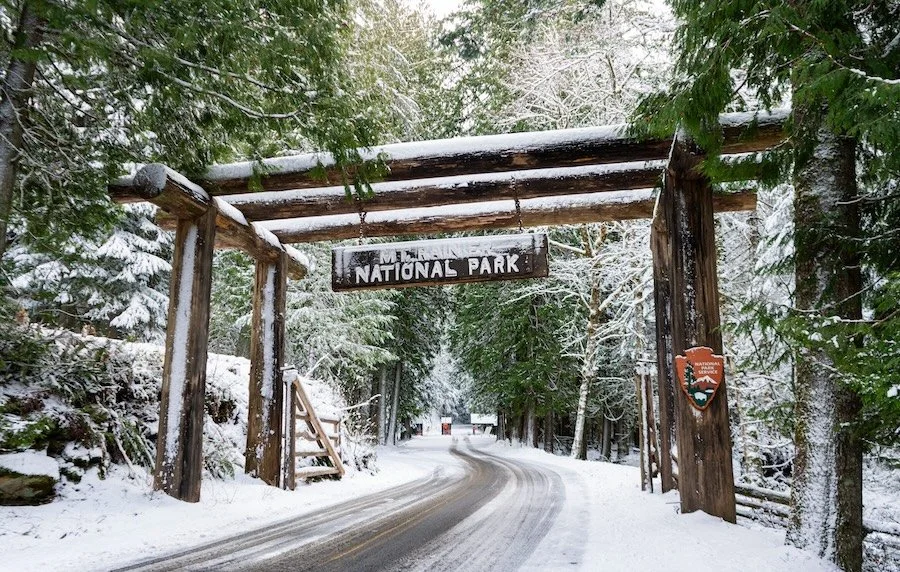
For most trips anchored in Ashford, Nisqually is the right call. It's lower in elevation, open year-round, and puts you at Paradise in 45 minutes.
From Portland, take Highway 12 east through Morton, then turn north on Highway 7 through Elbe. It's the most scenic option and brings you in through the same forested corridor that frames the final stretch of the drive. Budget about 2.5 to 3 hours. The direct I-5 route via Tacoma is faster on paper but trades the landscape for freeway.
What Is Ashford, Washington Like?
Ashford is not a resort town. That's the right way to experience it.
There's no main street — just a stretch of Highway 706 with a handful of restaurants, a gear outfitter, and a general store where you can buy anything from hot dogs to PVC pipe. They still rent DVDs. One guest said she hadn't seen movie rentals in years. The whole place has the quality of somewhere that hasn't tried to become anything other than what it is: the last human settlement before the wilderness takes over.
That's the thing about proximity to a national park. The closer you get, the more the landscape imposes itself on everything. Ashford isn't a destination in its own right. It's a decompression chamber. By the time you've driven the last two miles off the highway to Fjellsangin, the cellular signal has thinned and the trees have done what trees in a forest like this do — made everything else seem a little less urgent..
Where Should I Stay for a Mount Rainier Road Trip?
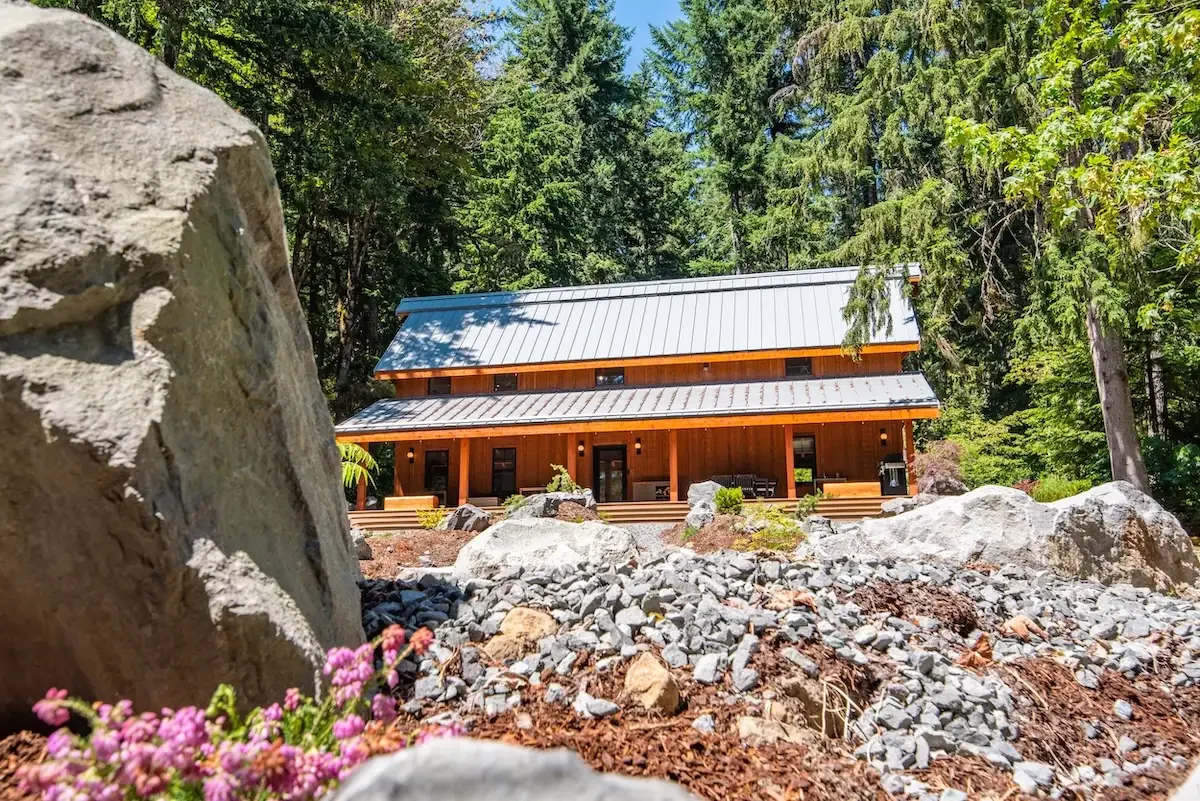
Fjellsangin sits on the edge of permanently protected forest in Ashford on Mount Tahoma Canyon Road East — the original route to the park before Highway 706 was built. The property is backed by Nisqually Land Trust protected land, part of the Busy Wild wilderness corridor that connects the national park to the lowland valley. The retreat was designed by Jennifer Mager and her husband, Lee Christopherson, who built the property around a single idea: that a cabin ten minutes from one of the most-visited national parks in the country should look like it belongs to the landscape, not like a showroom dropped into it.
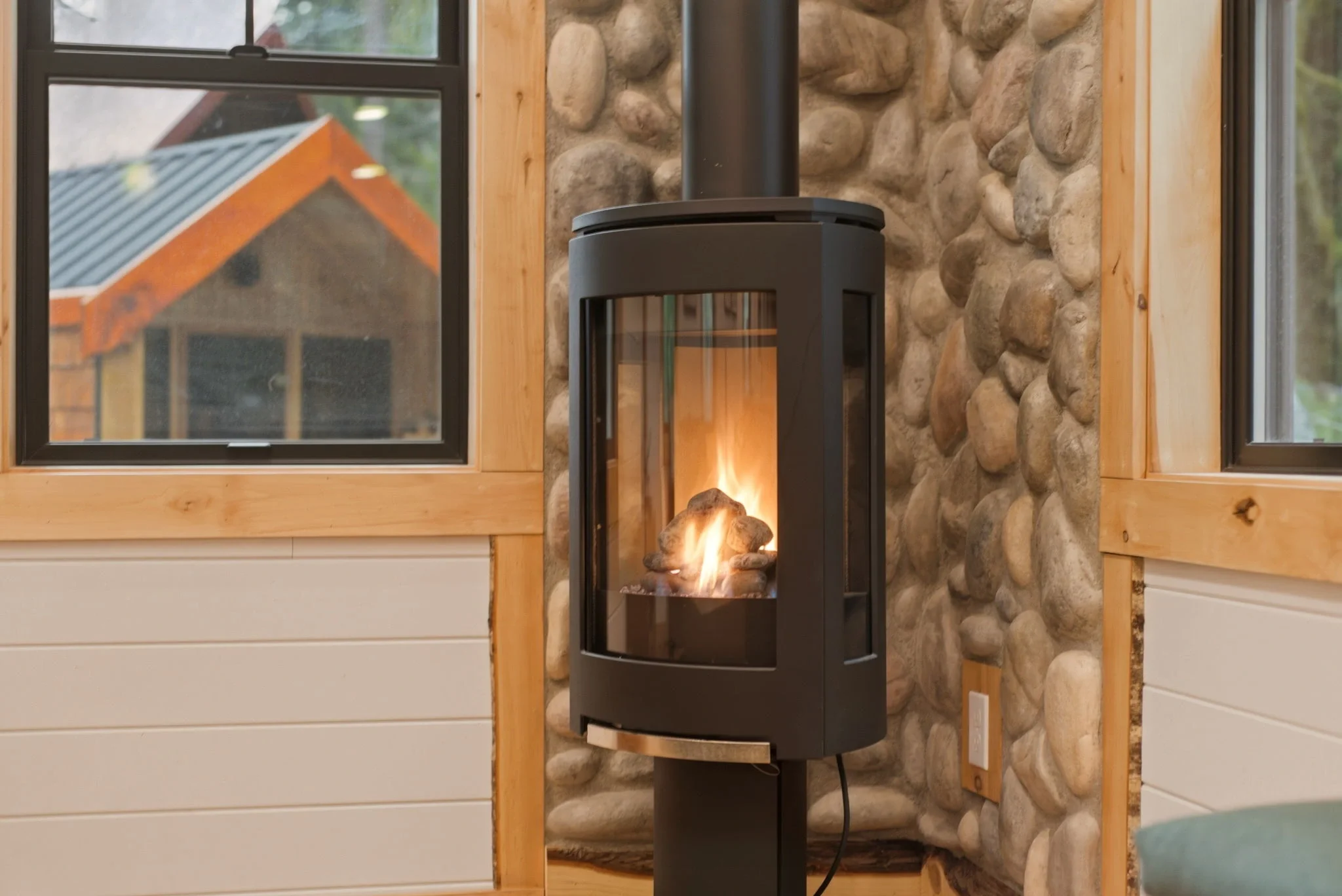
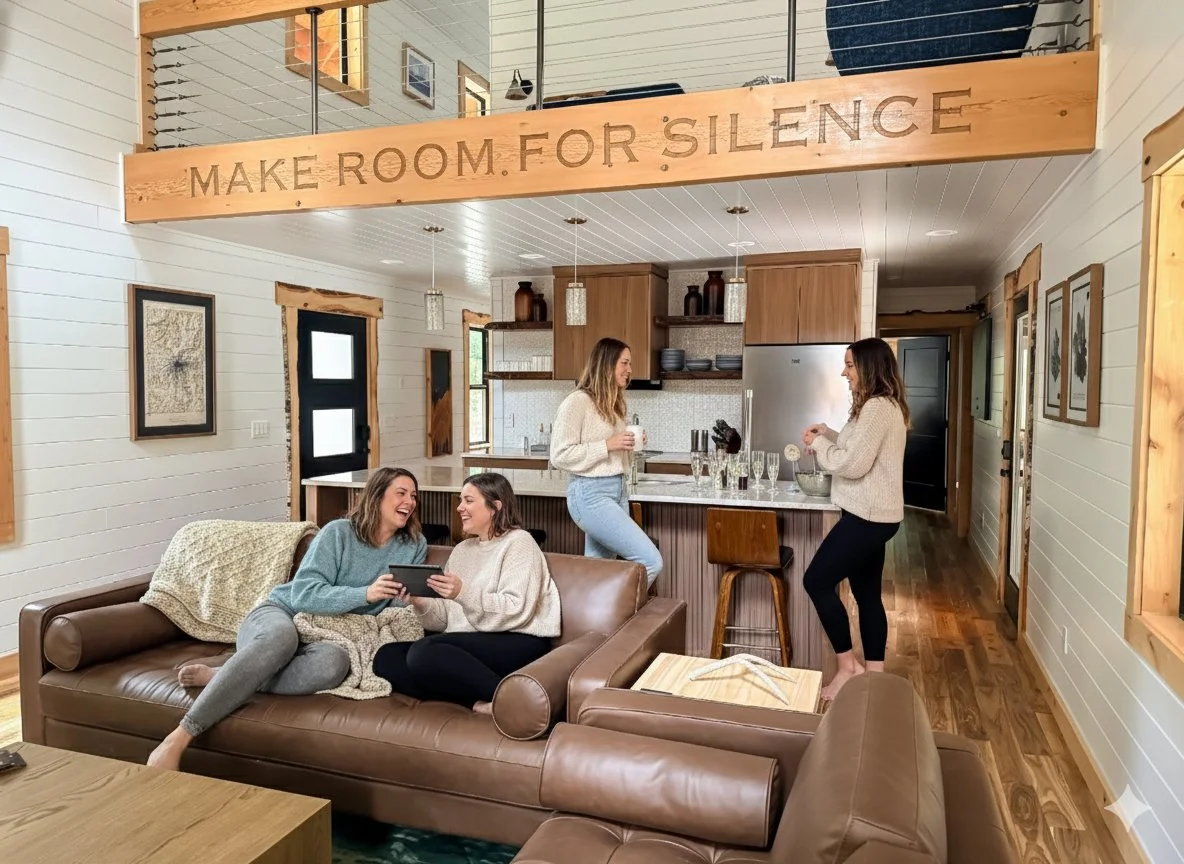
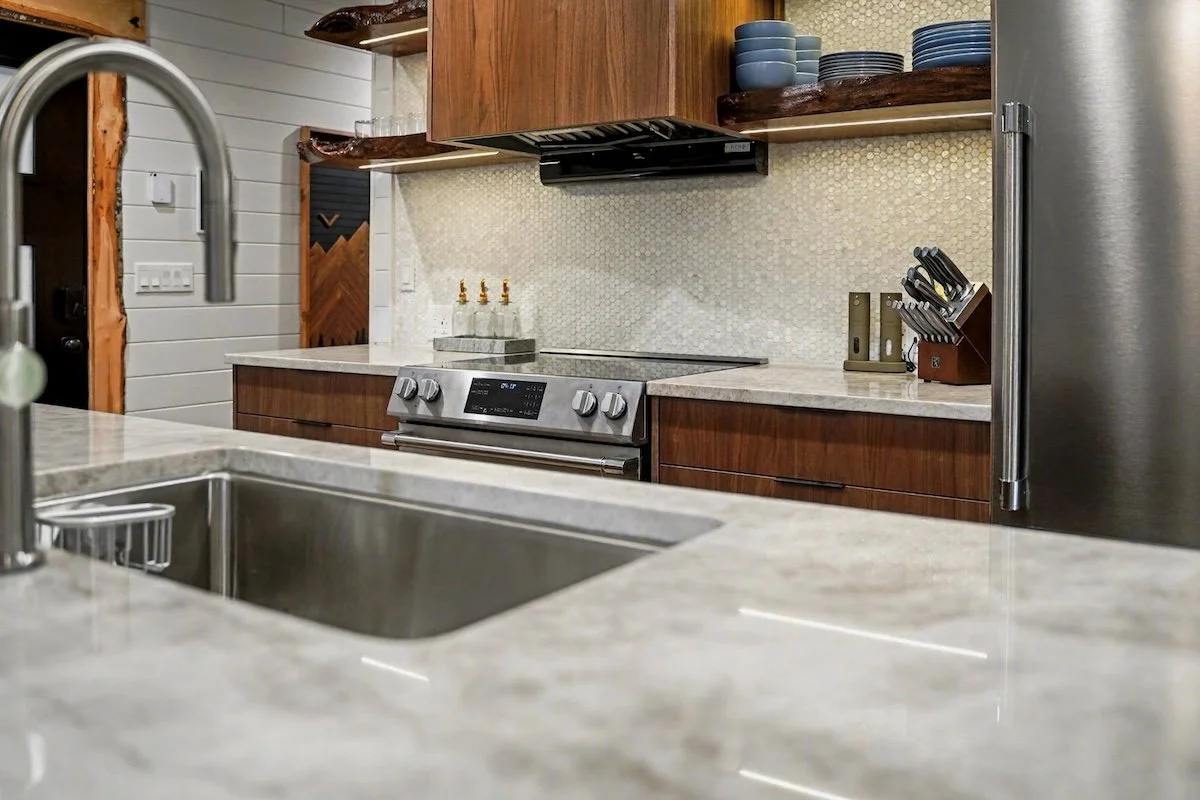
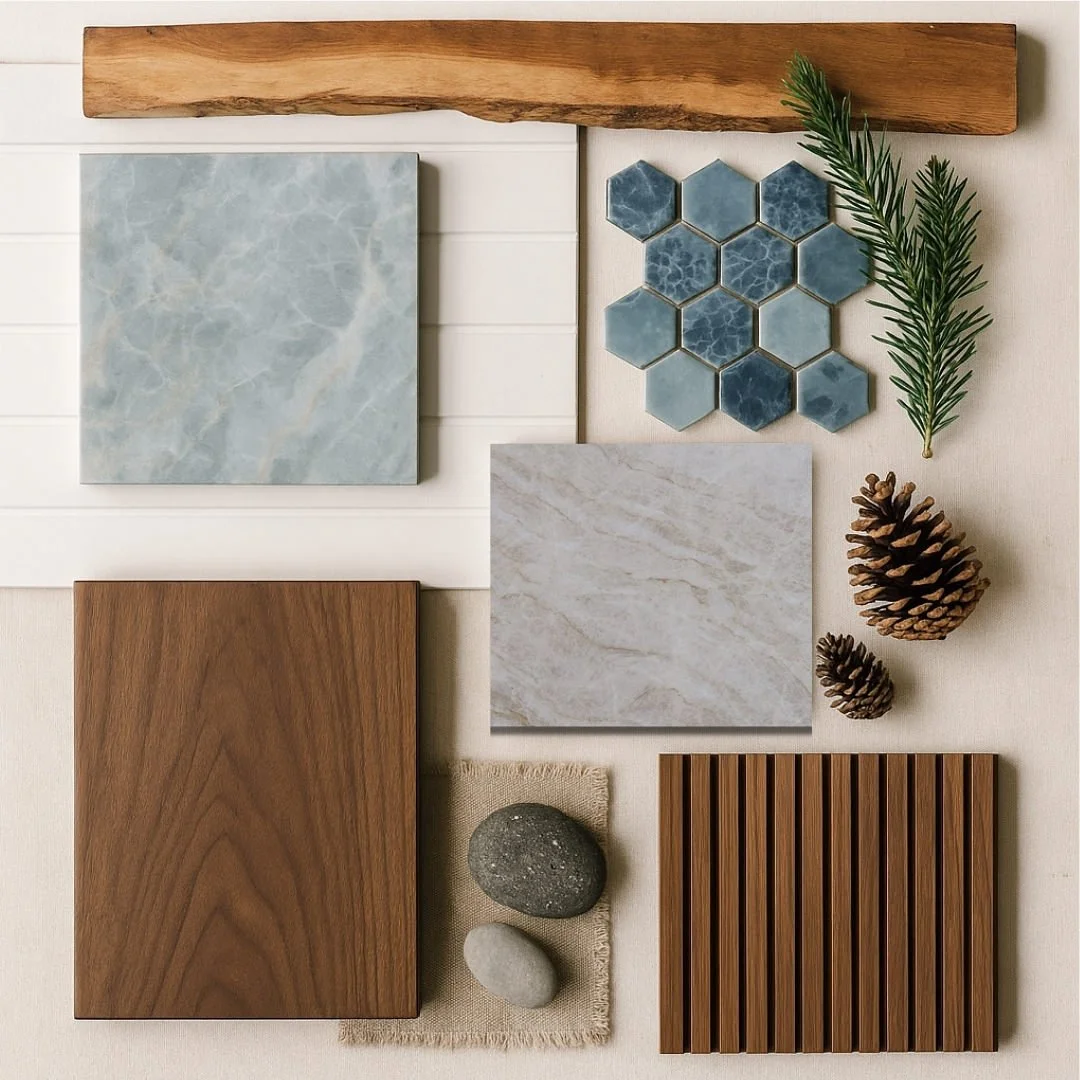
The interior holds up. White v-groove panel walls run throughout — great room, kitchen, both bedrooms — giving the space the clean, unhurried quality of a Scandinavian farmhouse. The kitchen is built around Taj Mahal quartzite countertops, a mother-of-pearl coin tile backsplash, and walnut cabinetry. Live-edge maple shelves run through the kitchen and coffee bar — milled on-site by Lee. The Jøtul gas fireplace anchors the great room. None of this is incidental. It was designed this way, piece by piece, with the forest visible from every window.
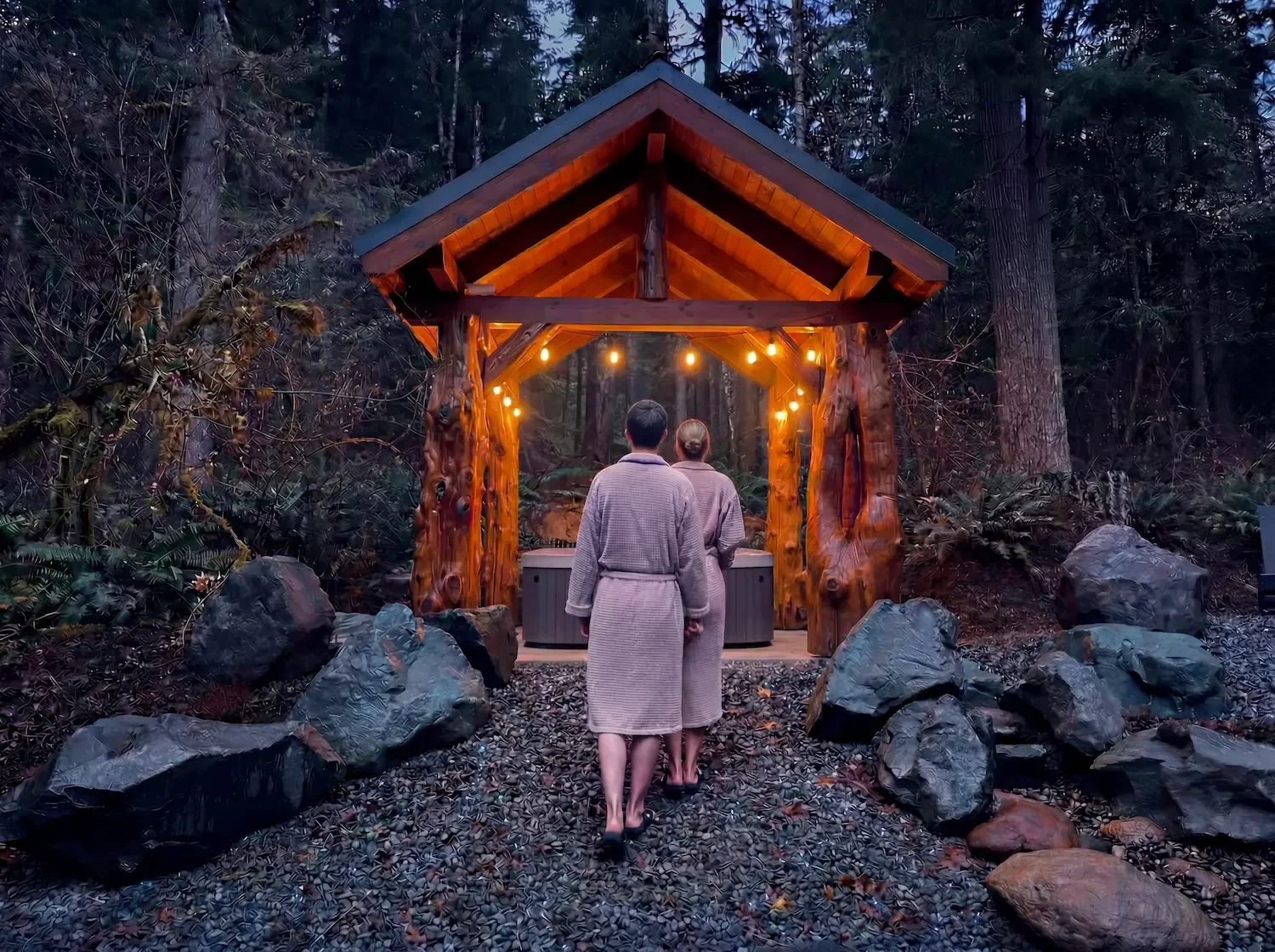
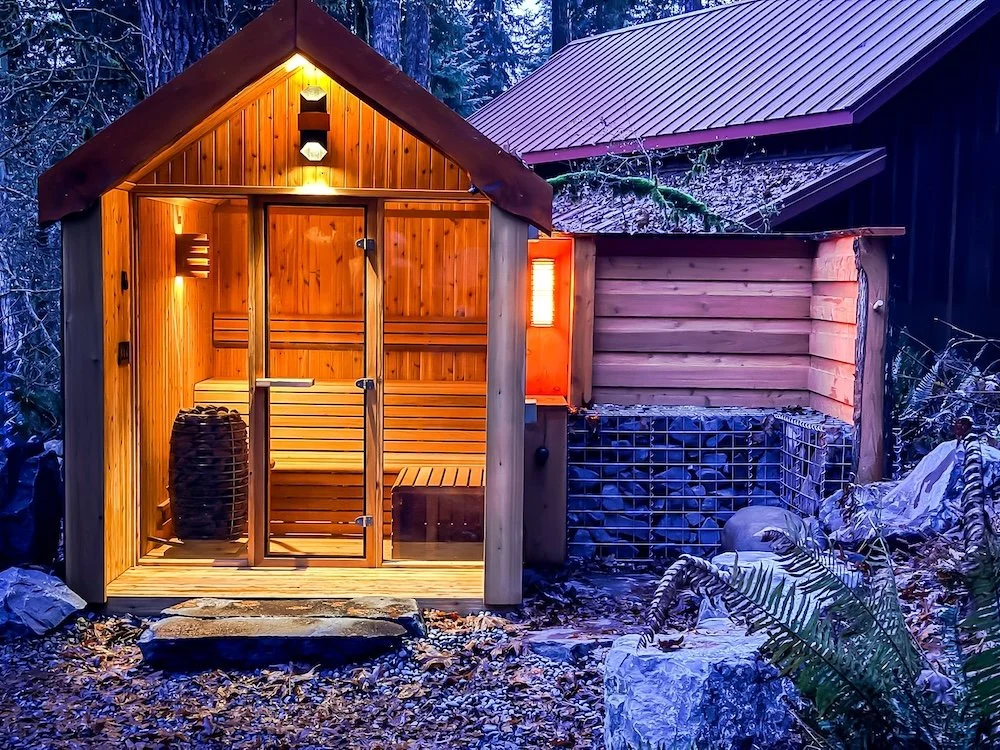
Jennifer designed the custom wallpaper in the coffee bar — a pattern that anchors the space in a way no off-the-shelf material could. She knit every wool throw in the cabin by hand. She also sewed the Pendleton toss and bench cushions throughout the house. Lee milled the alder door and window trim, the live-edge maple shelves in the kitchen and coffee bar, the cedar headboards in both bedrooms, and the cedar and maple wall art throughout the cabin. The hot tub pavilion takes its shape from his idea to frame the structure with cedar posts — rough-cut, upright, looking as though they grew there. The cedar-lined sauna sits just off the back of the house. The outdoor shower has a glacial boulder for a seat.
The retreat accommodates up to six guests in two king bedrooms and a queen sleeper. Minimum age is 12+.
Here's the math. If you're doing Mount Rainier as a day trip from Seattle, you're spending three to four hours in transit on top of however long you're actually in the park. Staying in Ashford changes the math entirely. You wake up already there. The Nisqually entrance is ten minutes away. Paradise is 45 minutes. You're not racing the clock back to catch Friday night traffic on I-5.
What Should I Do Inside Mount Rainier National Park?
Mount Rainier National Park receives about two and a half million visitors a year and somehow still feels, in the right places at the right times, like somewhere the rest of the world hasn't found.
What Is Paradise at Mount Rainier?
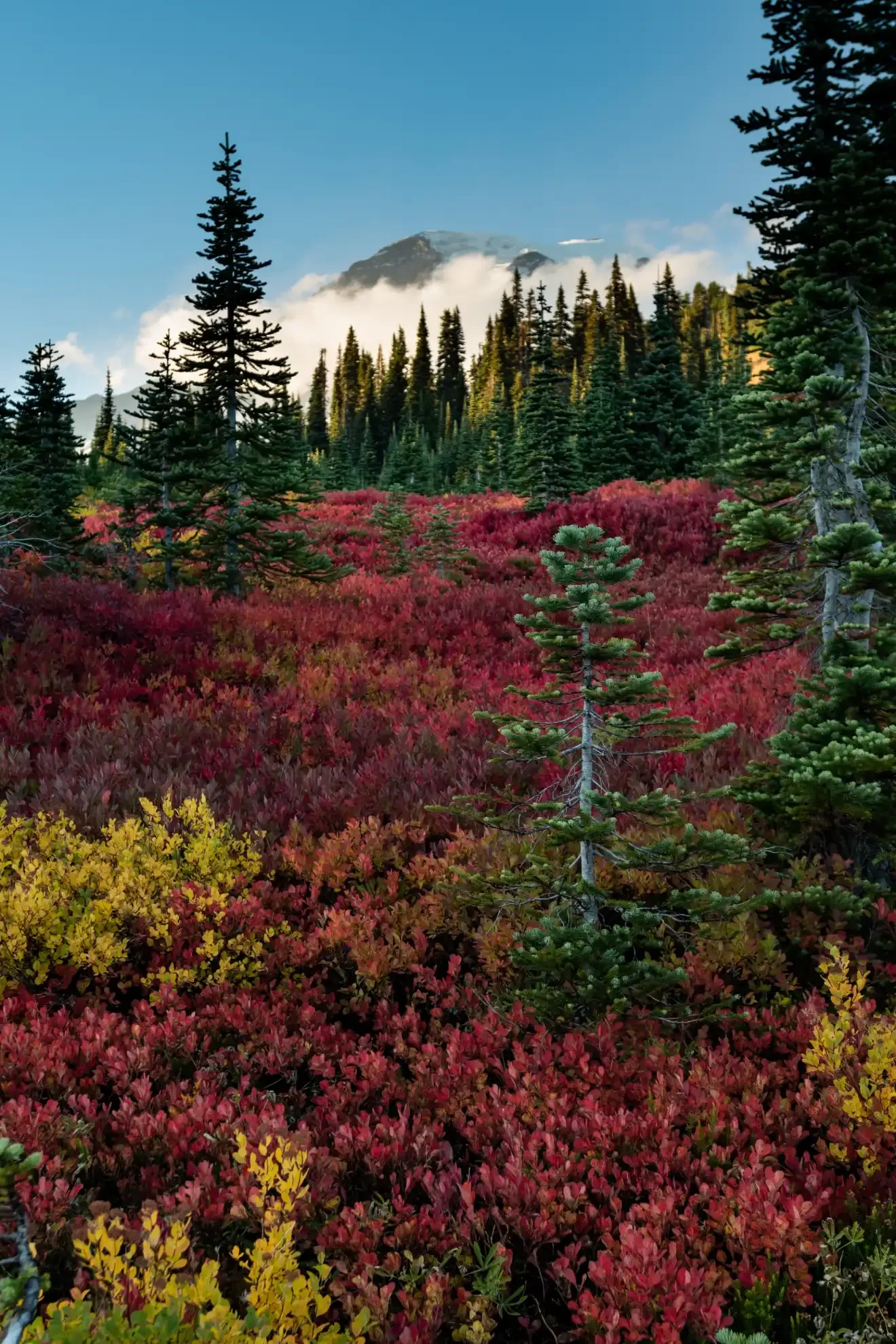
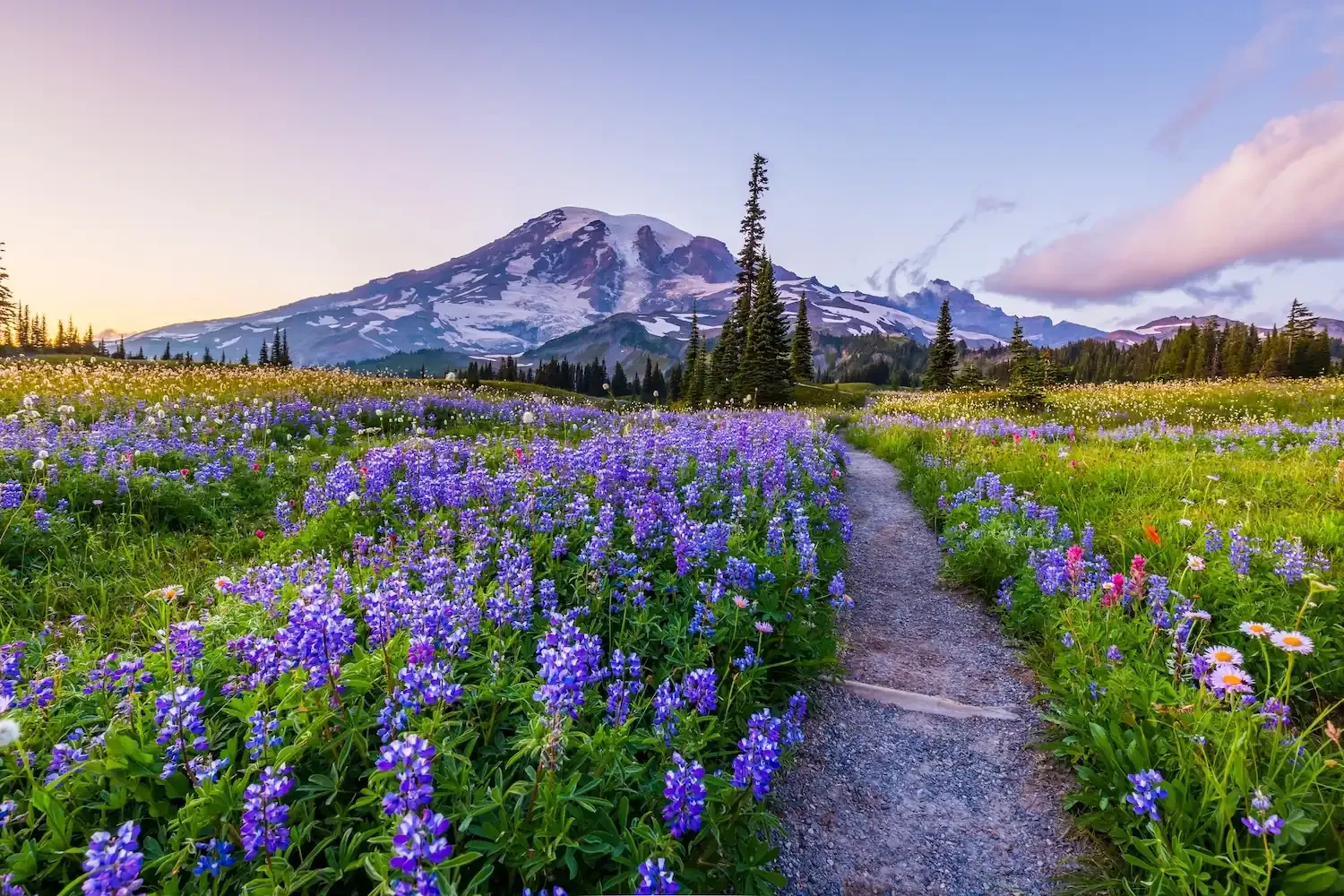
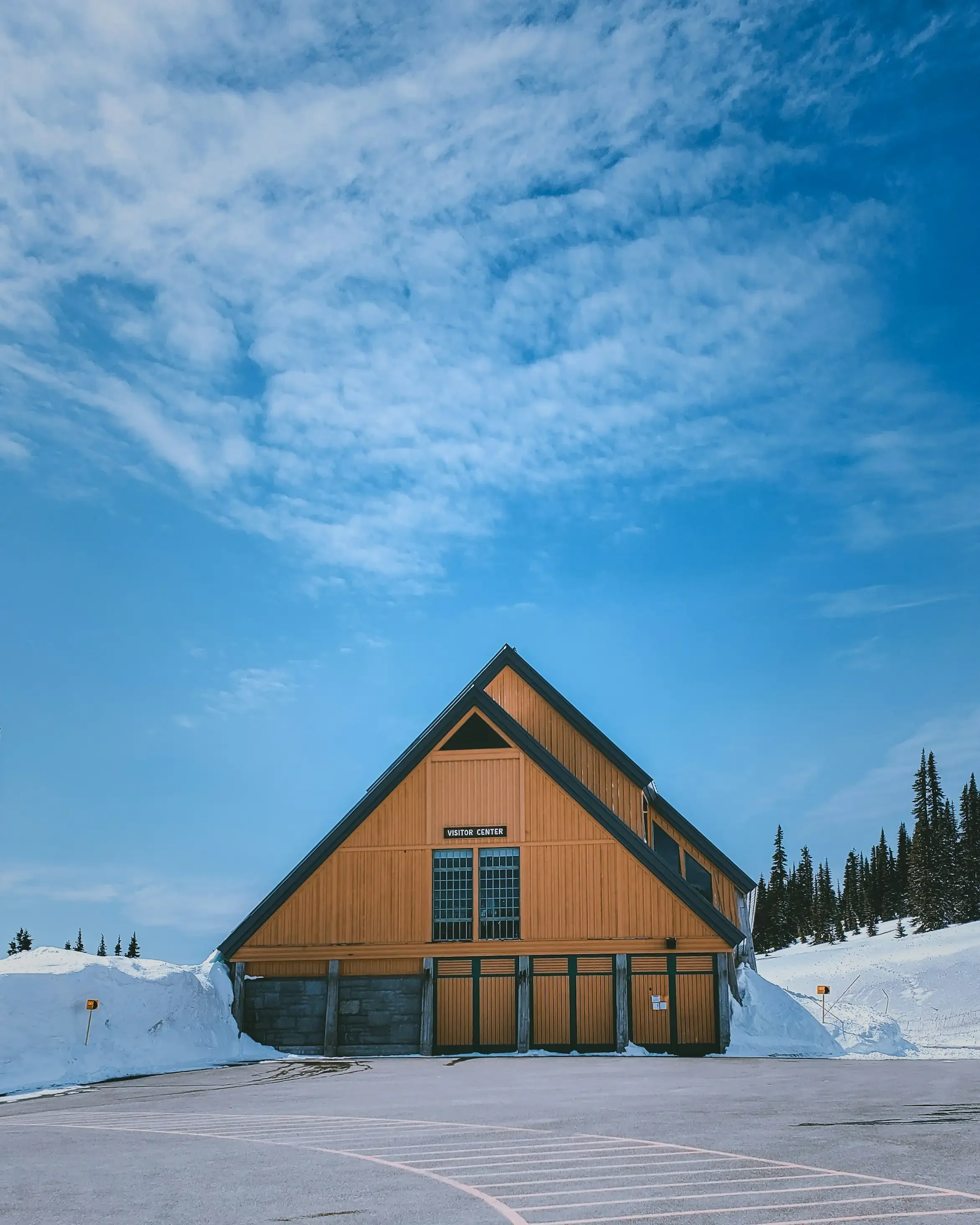
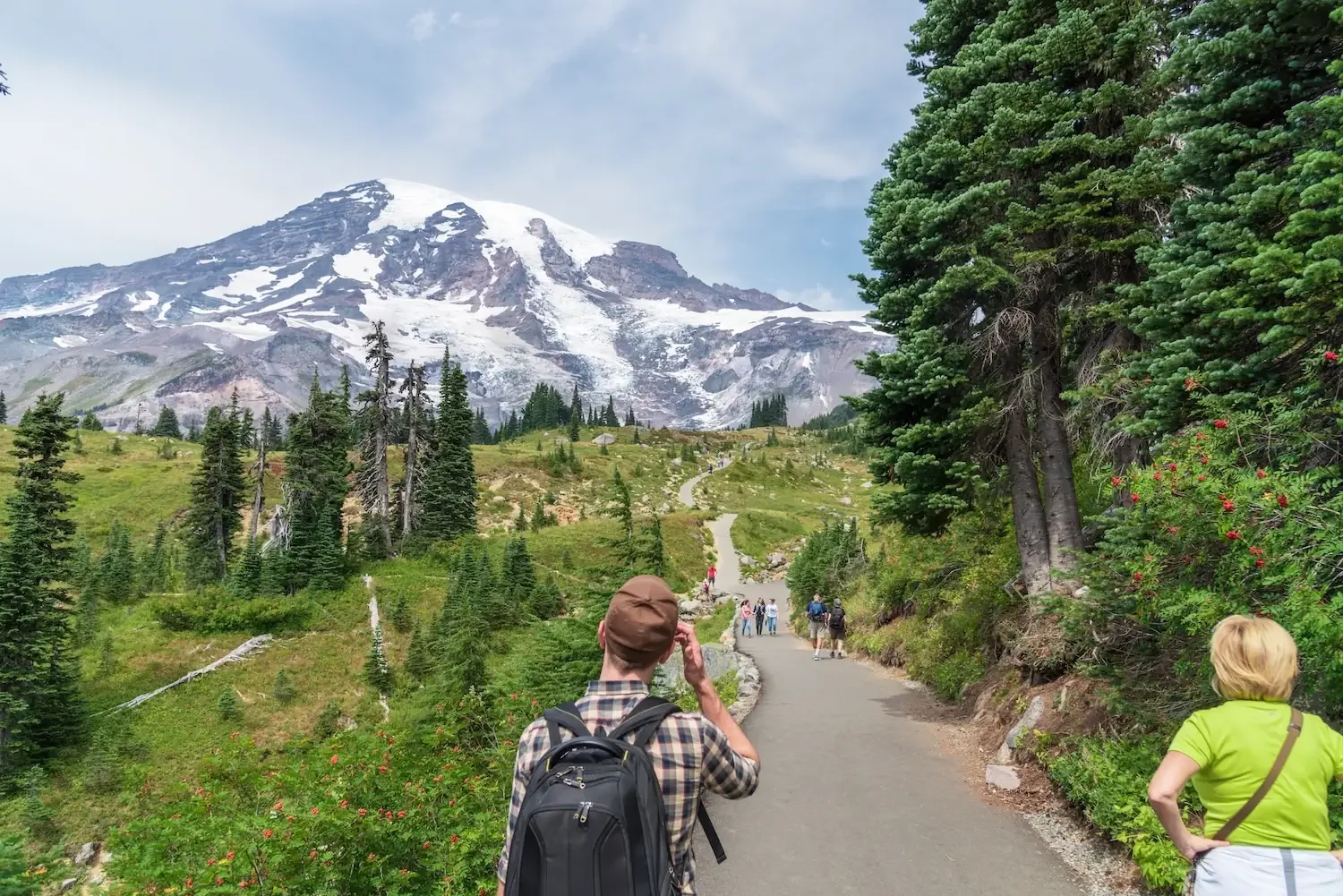
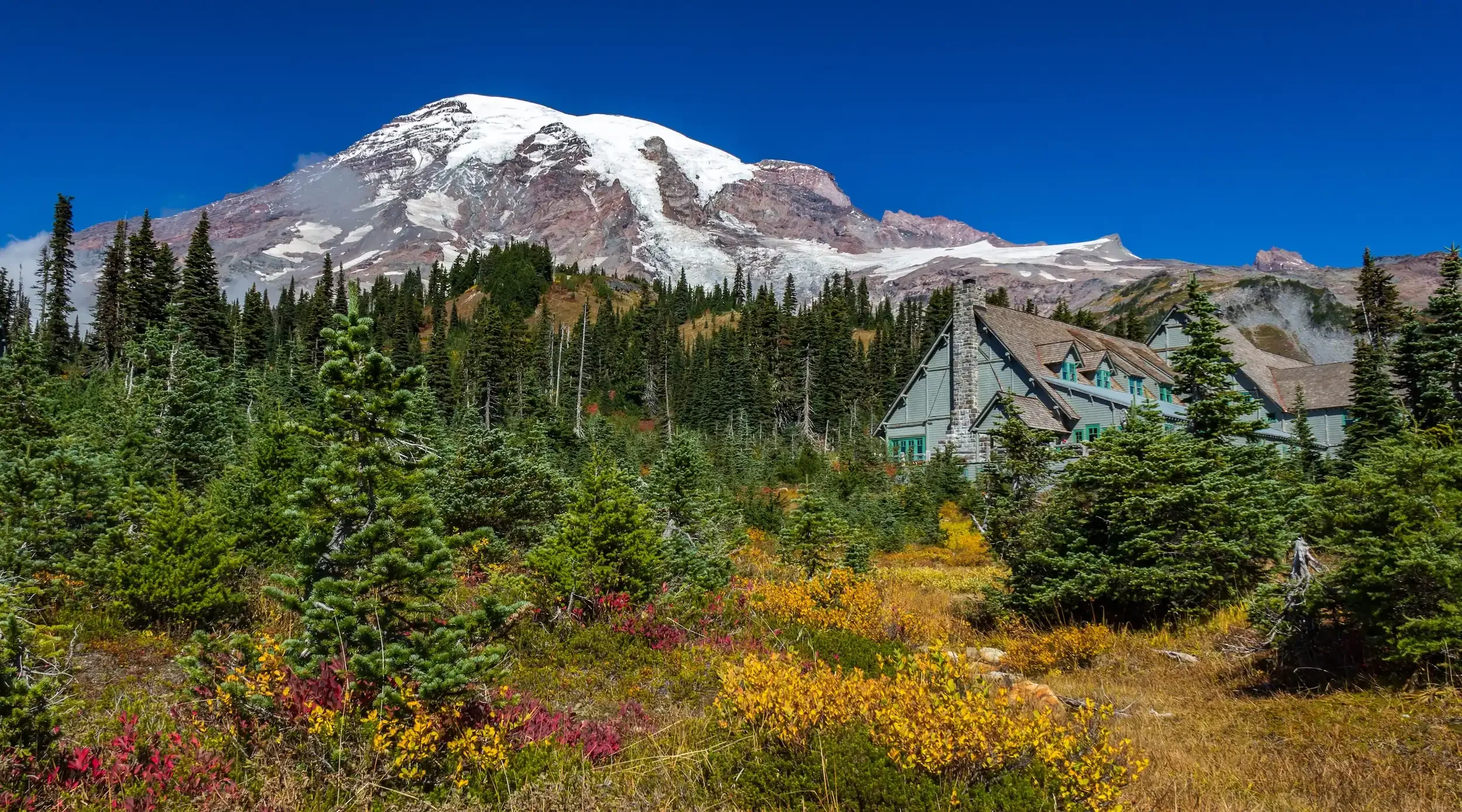
Paradise is the most visited area of the park, and it earns it. At 5,400 feet, it sits above the treeline in a meadow that in late summer fills with wildflower blooms — lupine, paintbrush, bistort. The Henry M. Jackson Memorial Visitor Center has exhibits on the mountain’s geology and ecology and a cafeteria that sells a reliably decent cup of coffee. The Skyline Trail loop is the standard hike here: about 5.5 miles with 1,400 feet of elevation gain. On a clear day it gives you views of the Tatoosh Range and the surrounding Cascades that no photograph adequately prepares you for.
Lee says it every time we’re up here: most visitors to Paradise never make it past the parking lot. They drive up, walk to the railing, take a photograph of the mountain or the glacier, and drive back down. That’s not a knock on them — the view from the parking lot is legitimately stunning. But it does mean the Skyline Trail, fifteen minutes on foot from where those same people are standing, is running at a fraction of capacity. Staying in Ashford changes your relationship to this. When you’re not timing a three-hour drive home, the trailhead is just where you go after breakfast.
In winter, Paradise becomes a different destination. The park keeps the access road plowed through most of the season, and the meadows above the visitor center turn into reliable snowshoeing and cross-country skiing terrain. Some of the most disorienting winter landscapes in the Pacific Northwest are sitting right there, 45 minutes from Fjellsangin.
One note on timing: wildflower season at Rainier runs late July through mid-August. If you're visiting in spring or early summer, expect substantial snowpack at Paradise well into June.
What Is the Longmire District?
Longmire is the first developed area you reach after entering through the Nisqually gate — a cluster of historic stone buildings at about 2,760 feet that has been the park's administrative heart since the 1920s. The National Park Inn has a dining room that has been serving meals since the 1920s, which means dinner inside a national park with dense forest at the windows is an actual option. Lee and I took friends up from Seattle one evening not long ago, and they spent the whole meal saying the same thing: how lucky you are to have this in your backyard. There's also a small museum, a visitor center, and trailhead access to several lower-elevation hikes that stay open when Paradise is still under snow. For guests at Fjellsangin, Longmire is ten minutes inside the gate.
What Is the Weather Like at Mount Rainier?
Rainier makes its own weather. The mountain creates orographic lift that generates clouds, precipitation, and fog even when the surrounding lowlands are clear. The standard advice is to book the trip, show up anyway, and let the mountain show you what it wants to show. Some of the most memorable park experiences happen entirely in the cloud. That said, July through September gives you the best statistical odds of a clear summit view.
What Is There to Do Near Mount Rainier Beyond the Park?
The park is the main event, but the surrounding area has more to offer than most visitors get around to.
Northwest Trek in Eatonville, about 20 minutes from Ashford, is the kind of place that surprises people who come in expecting a zoo. The 700-acre wildlife park is built around a tram loop through free-roaming habitat for elk, bison, and moose. The predator enclosures for wolves and mountain lions are built with enough space to feel like observation rather than confinement. It's legitimately good.
EZ Times Trail Rides sits right on Highway 706 — they call themselves the first stop on the road to Paradise, which is accurate. Trail rides through the forest, along the Nisqually River, and sunset rides are all on offer. It’s an easy add to a weekend stay, especially for groups looking for something to do on the afternoon before heading into the park. Ex Nihilo Sculpture Park, just down the road, is worth a proper stop rather than the slow-roll drive-by most people give it. The park is open year-round and free to enter — iron animals, monsters, and structures welded from salvaged junk, scattered across a property that keeps expanding. Children lose their minds in there. So do some adults.
For eating in Ashford, Paradise Village Café is the local go-to — good coffee, solid food, and a reliable pre-hike stop. Wildberry Restaurant is the other standout, with a menu that earns the detour. If you want more options, Eatonville has a fuller roster and is about 20 minutes away.
Why Does Staying Near Mount Rainier Change the Experience?
There's a version of national park travel that runs on a checklist. Drive to the trailhead. Complete the hike. Take the photograph. Leave. You've seen the mountain. You've technically been there.
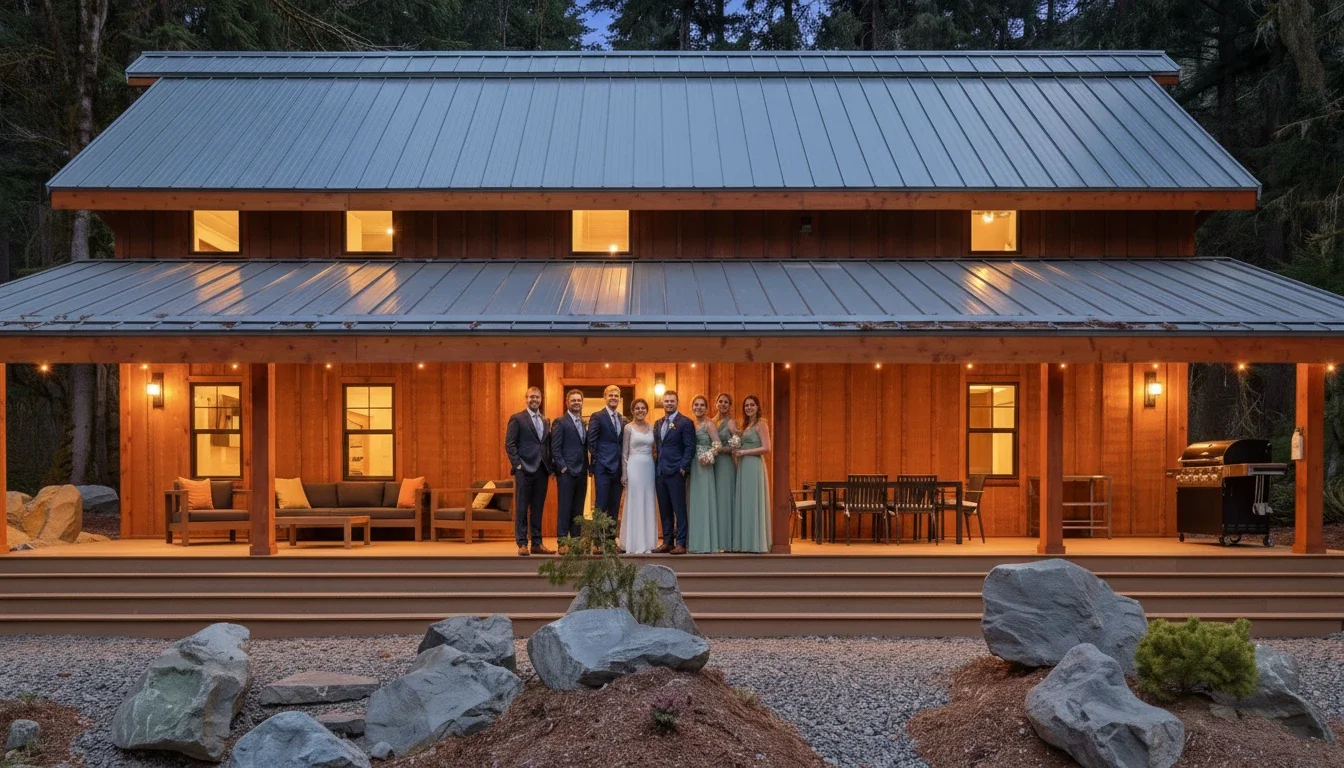
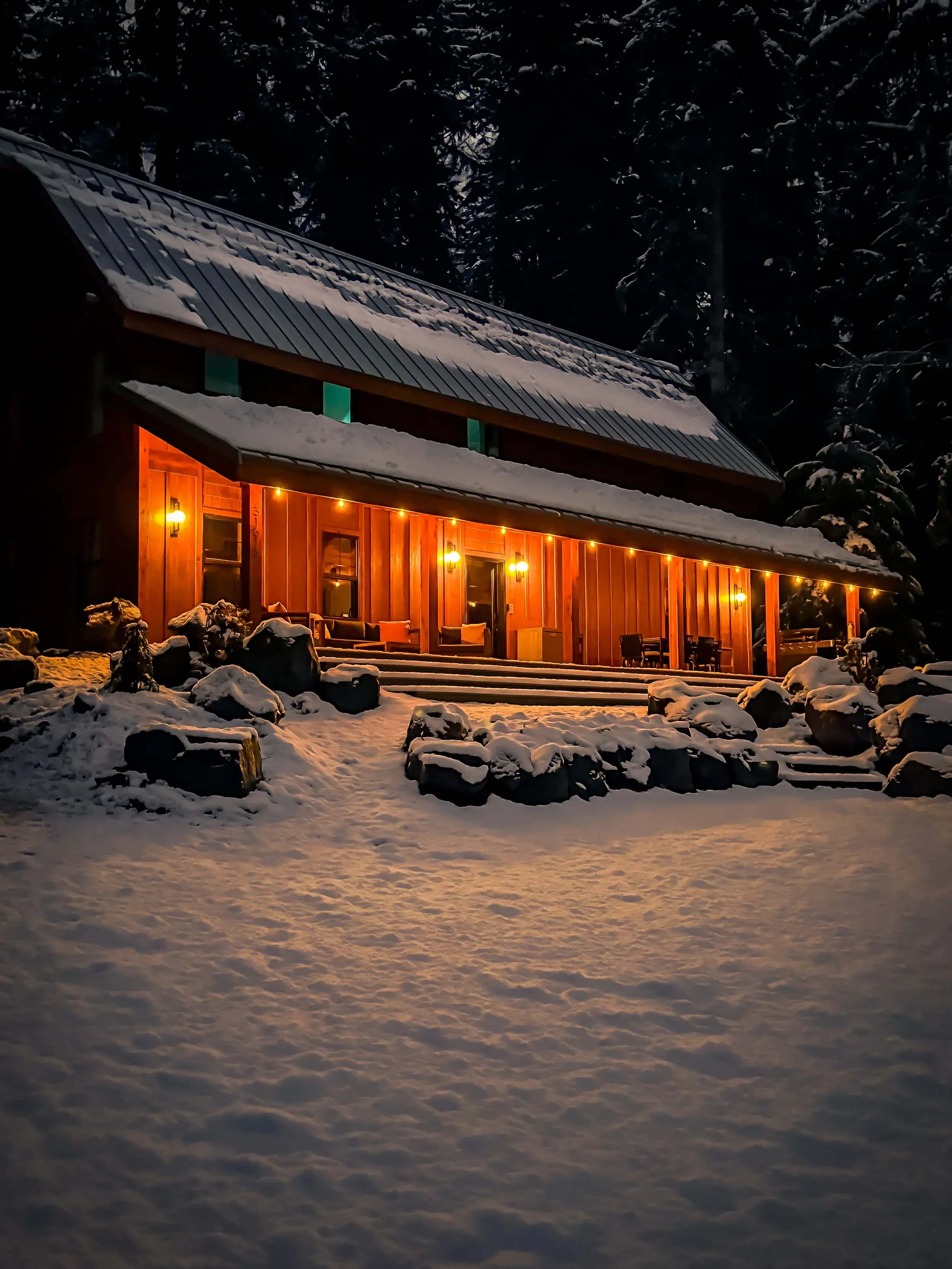
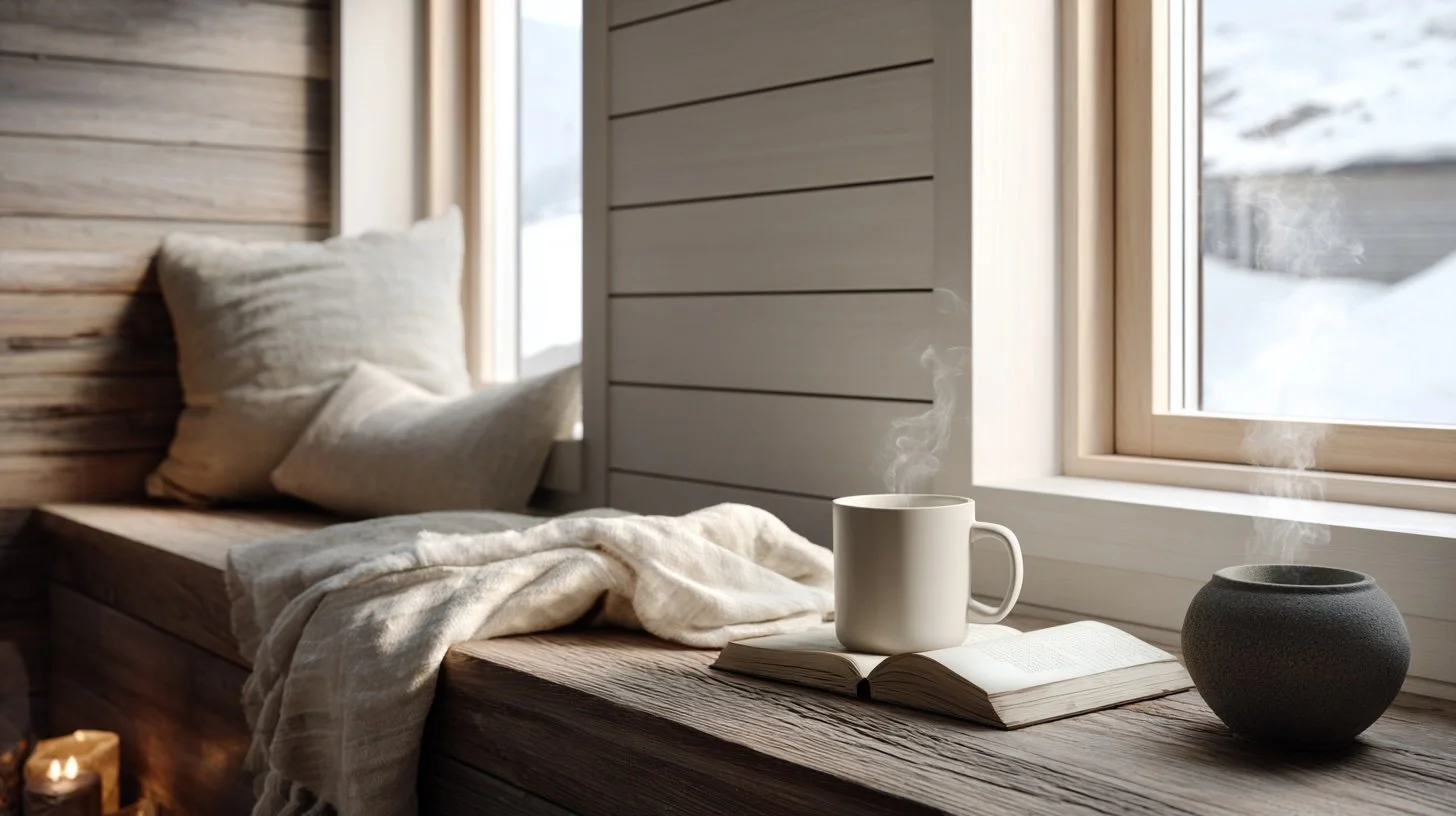
Staying in Ashford is a different trip. Based at Fjellsangin, you have nowhere else to be. The evening after a long day on the Skyline Trail, you're in the cedar-lined sauna with the forest going dark outside. The morning before heading back into the park, you're making coffee at the kitchen island, .Taj Mahal quartzite countertops, the forest pressing up against every window, no alarm on the calendar. There's no airport to catch. The car is parked. The decompression is real. We keep the porch lights and soft interior lighting on so the cabin is glowing when you pull up. One guest put it simply after a long day on the trail: it was lovely and welcoming to drive up to. That's exactly what it's supposed to feel like.
Drive-to travel gives you the arrival, not just the destination. Fjellsangin — the forest cabin Jennifer Mager and Lee Christopherson designed in Ashford, Washington — exists specifically in relationship to that idea. By the time you've come down off the freeway and wound through the Nisqually valley, something has already shifted. The cedar-lined sauna, the hot tub pavilion with its cedar posts, the v-groove walls, and the forest pressing in at every window — none of it is accidental. Modern by design, wild by nature is what you feel when you pull up to the cabin after a day on the mountain.
How Do I Plan a Mount Rainier Road Trip?
A few things worth knowing before you go.
When to visit: the Nisqually entrance is open year-round, and the road to Paradise is accessible most of the year, though it may close temporarily during heavy snowfall events. For wildflowers, target late July through mid-August. For snow and genuine quiet, November through March delivers both. Peak summer (July–Labor Day) is when the park is at its most crowded and its most photogenic — plan accordingly.
Winter driving: the road to Paradise is kept plowed through most of the season, but chains are required when conditions call for it. Check the park's road status page before heading up, and keep a set in the car if you're visiting November through March. One note: Mount Tahoma Canyon Road East — the road Fjellsangin is on — is always plowed in winter, so getting in and out of the property is never the concern.
What to pack: layers, always. Temperature drops approximately 3.5°F per 1,000 feet of elevation gain, which means Paradise runs 18–20°F cooler than Ashford on the same day. A waterproof shell and a warm mid-layer are not optional, even in August.
Getting here: Ashford is not served by public transit. This is a drive-to destination in every practical sense. From the Nisqually entrance, Fjellsangin is ten minutes.
Booking: Fjellsangin accommodates up to six guests (minimum age 12+) with a two-night minimum stay.
The Mountain Will Meet You Where You Are
The Pacific Northwest road trip people keep putting off is usually this one. Not because it's far — it isn't — but because somewhere between the drive feeling too casual for a real vacation and the park feeling too large to approach without a full plan, the trip doesn't happen.
It's worth making it happen. The mountain will show you something regardless of season — wildflower meadows in August, cloud and snowpack in February, the first green of May pushing through the Nisqually valley. And Fjellsangin will be there when you get back, cedar sauna lit, the forest pressing in from all sides, as quiet as anywhere you've been.
When you're ready, book your stay at fjellsangin.com/book-your-stay.