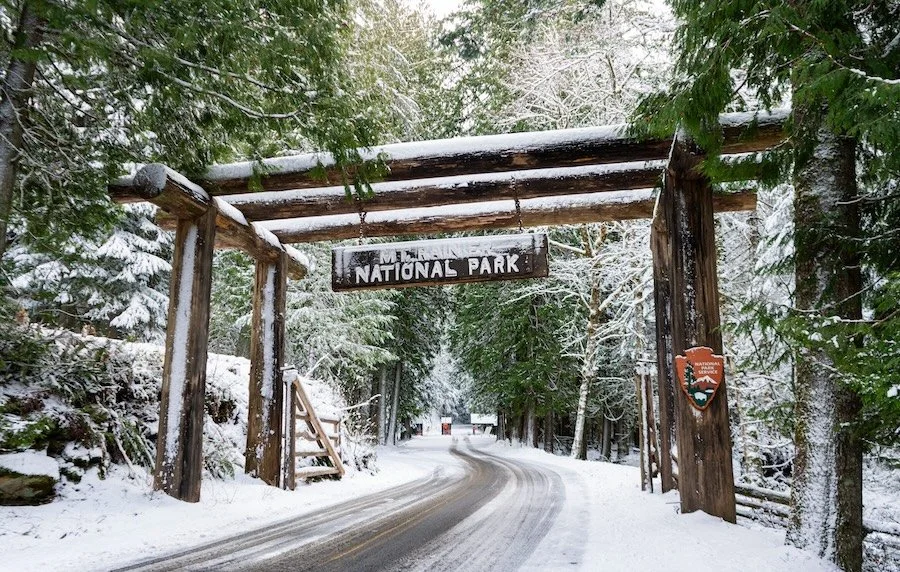
Mount Rainier Spring Trail Conditions: What to Expect Right Now
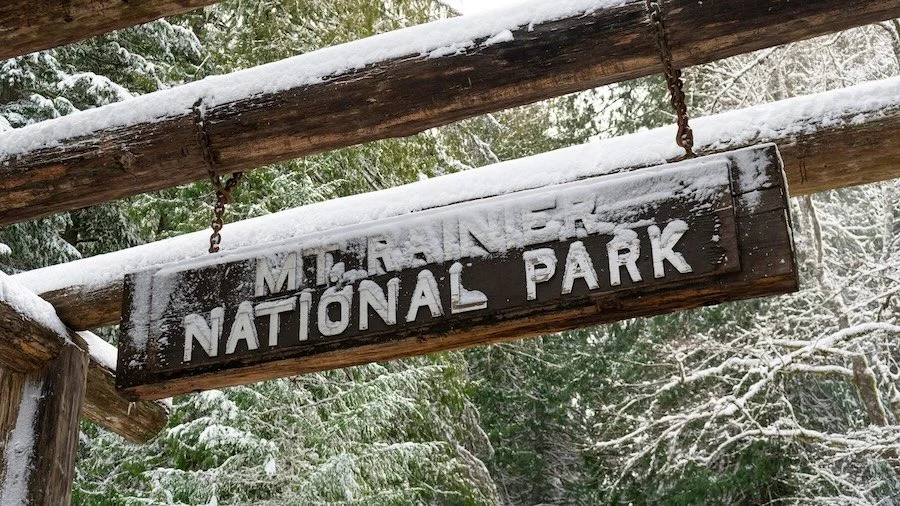
Last week, it snowed at low elevation near Ashford. Not a light dusting — actual accumulation on the ground. And yet the melt is underway. Both are happening at Mount Rainier right now, which makes spring trail conditions so variable, and why checking before you drive to the trailhead matters more this time of year than at any other.
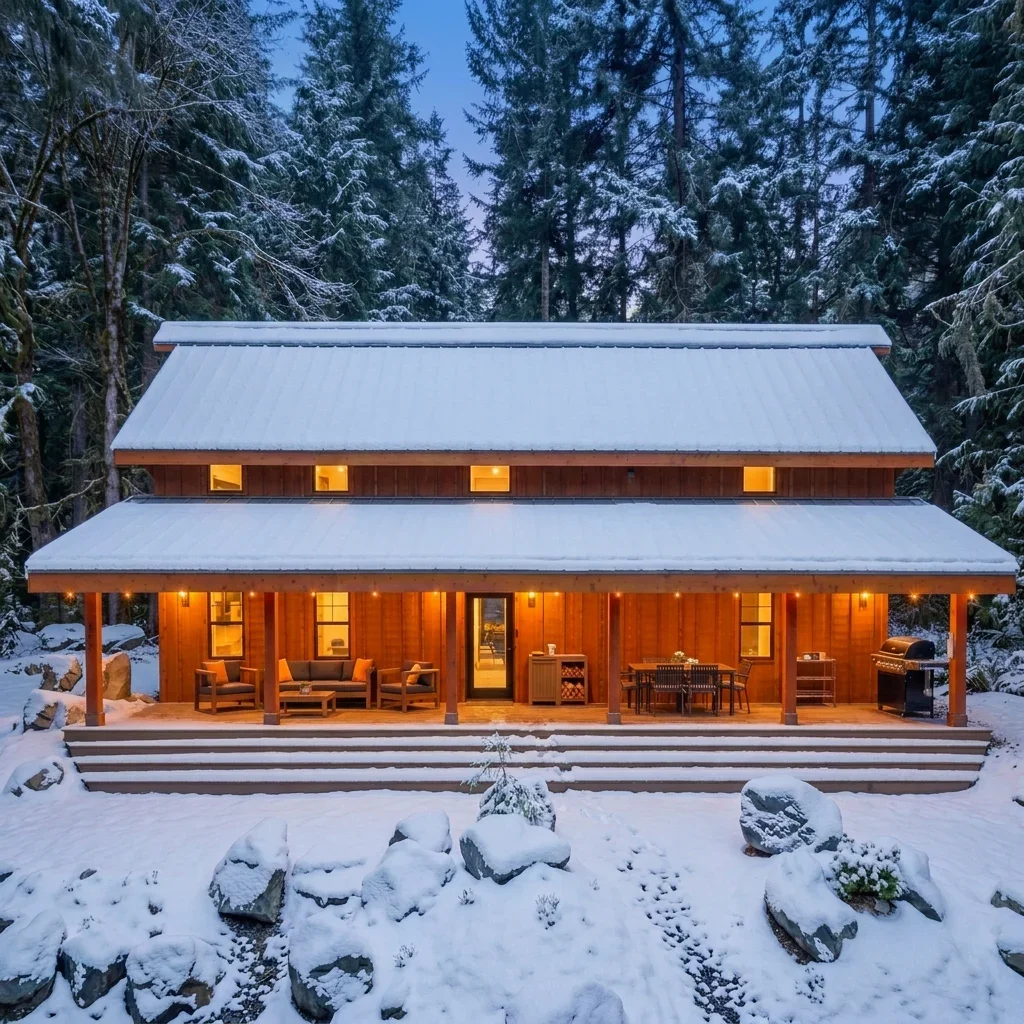
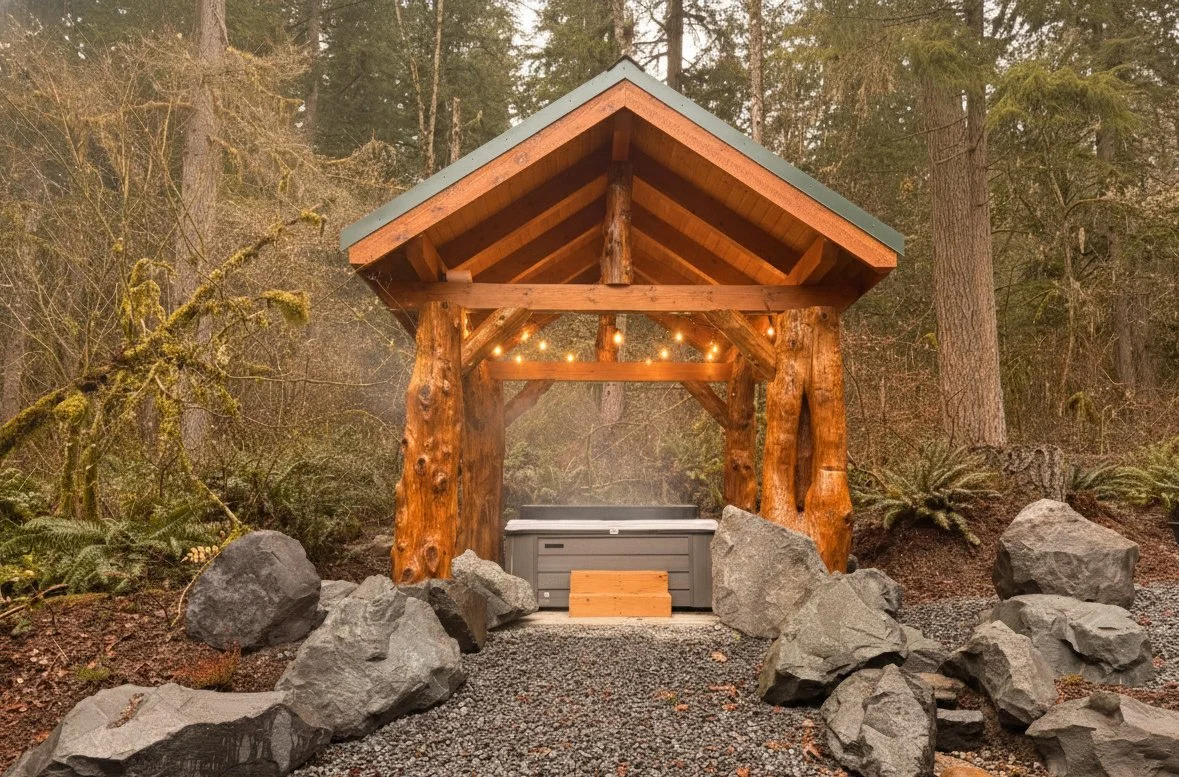
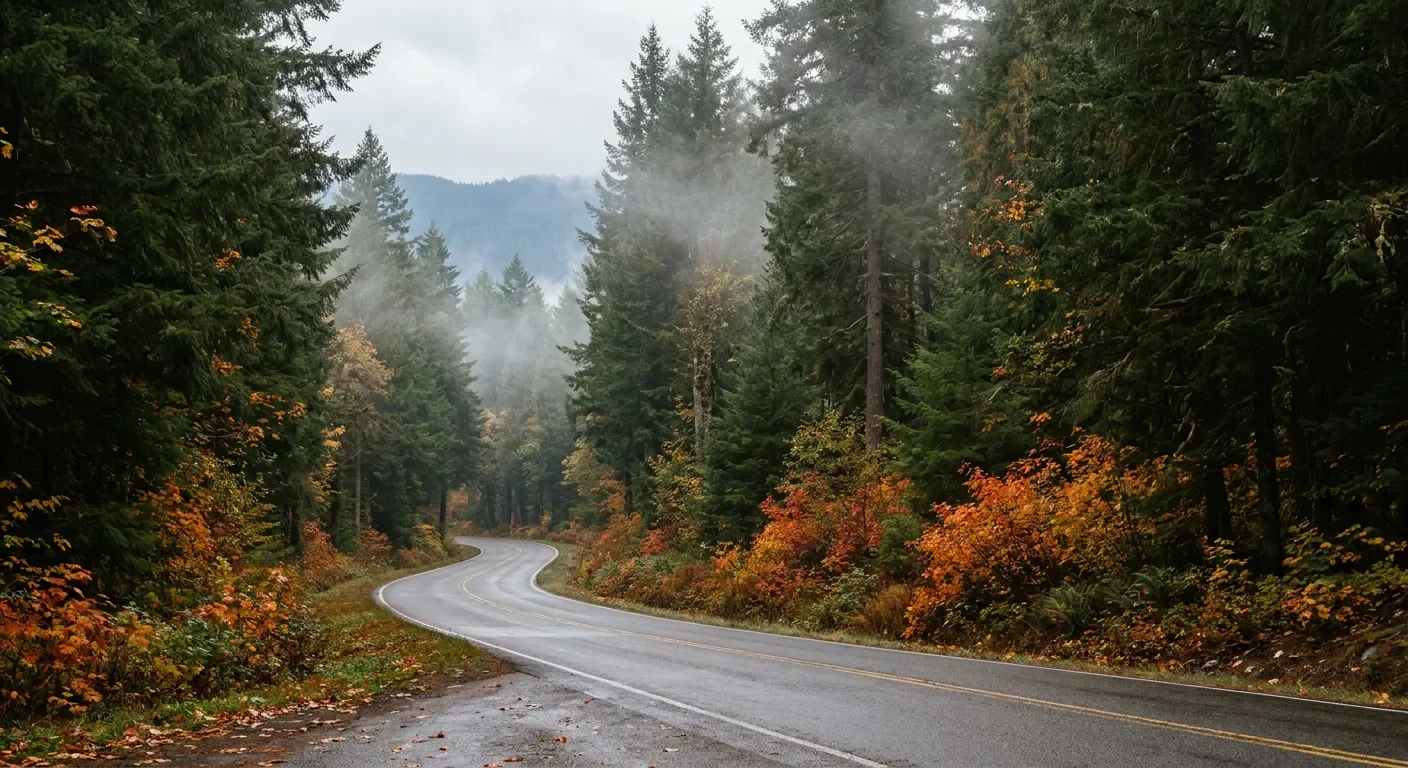
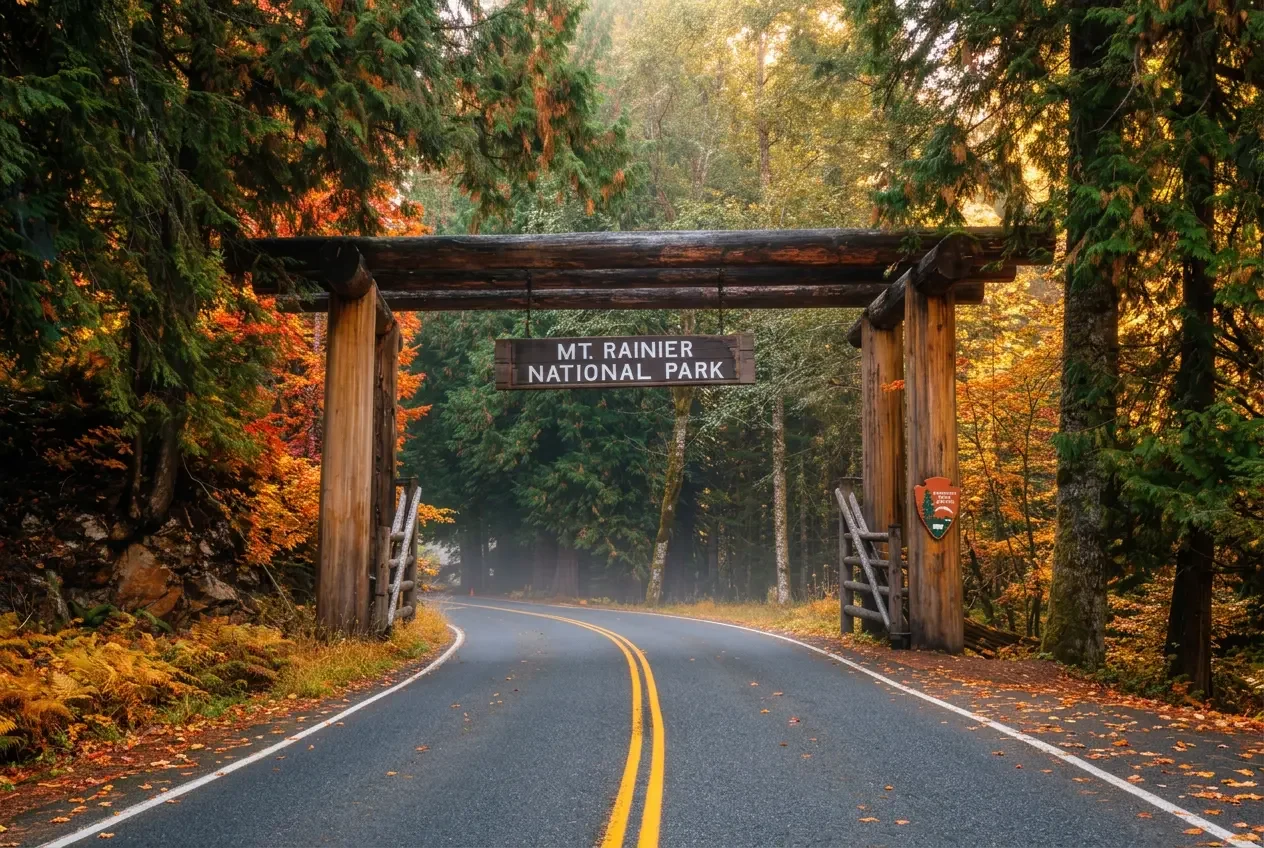
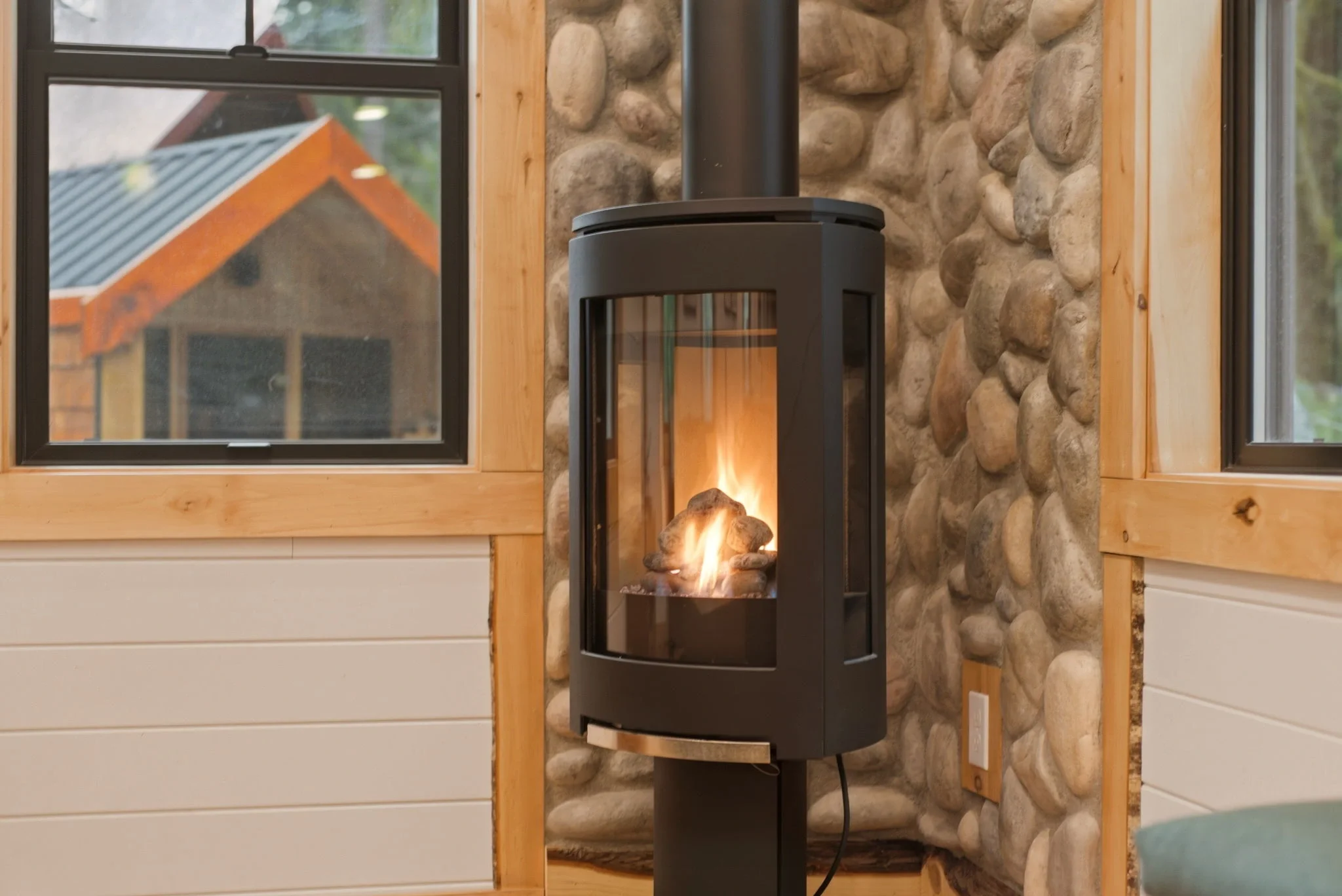
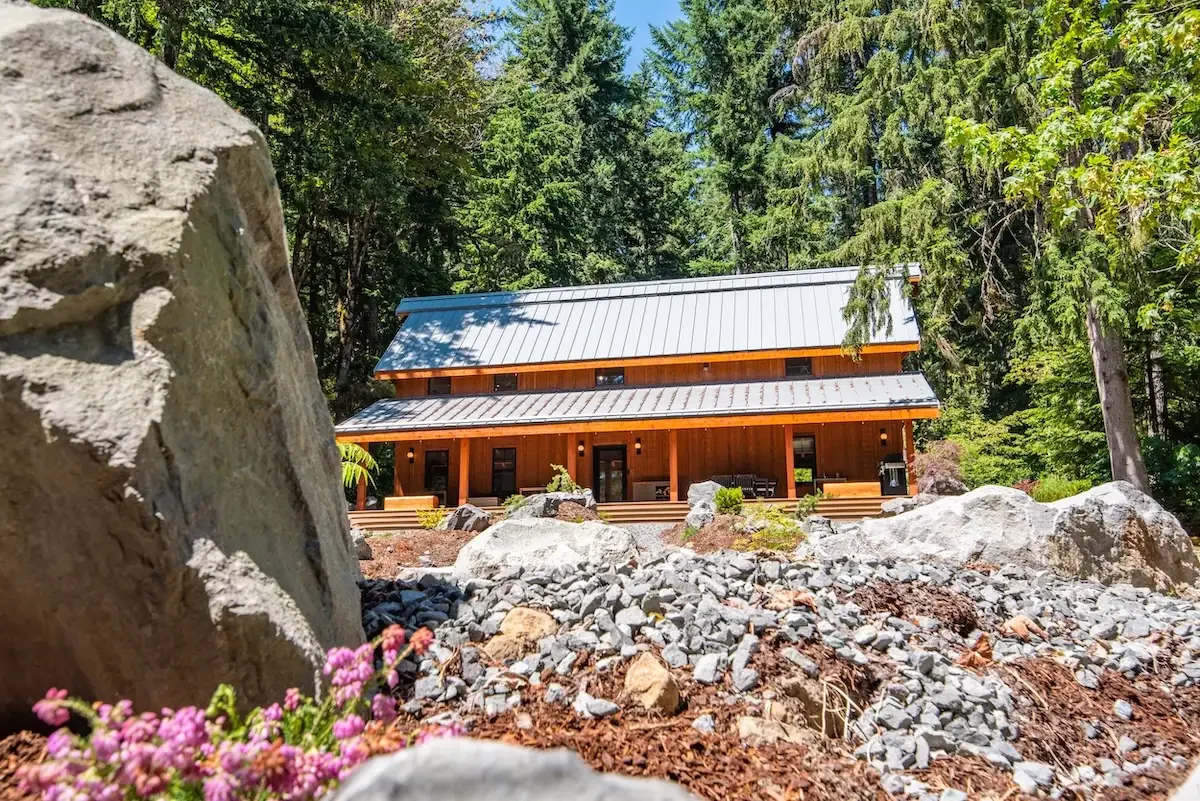
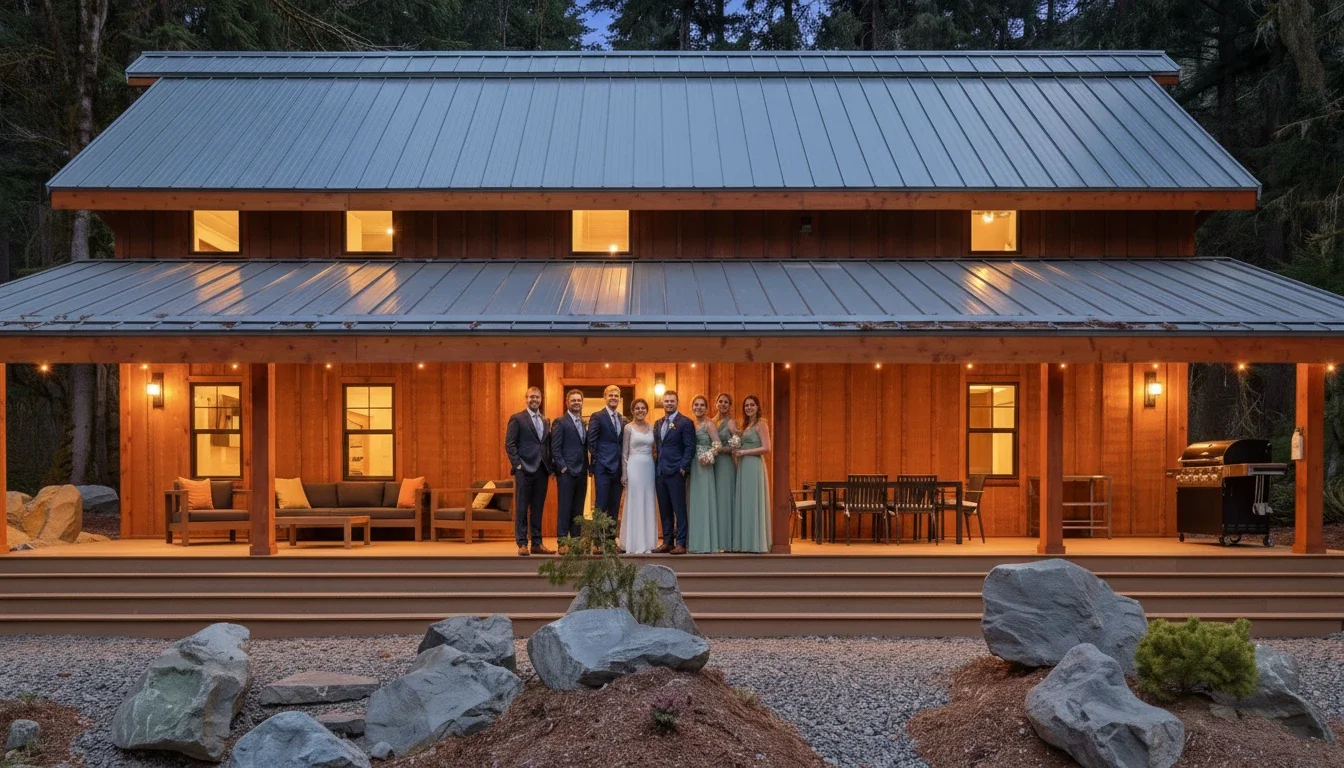
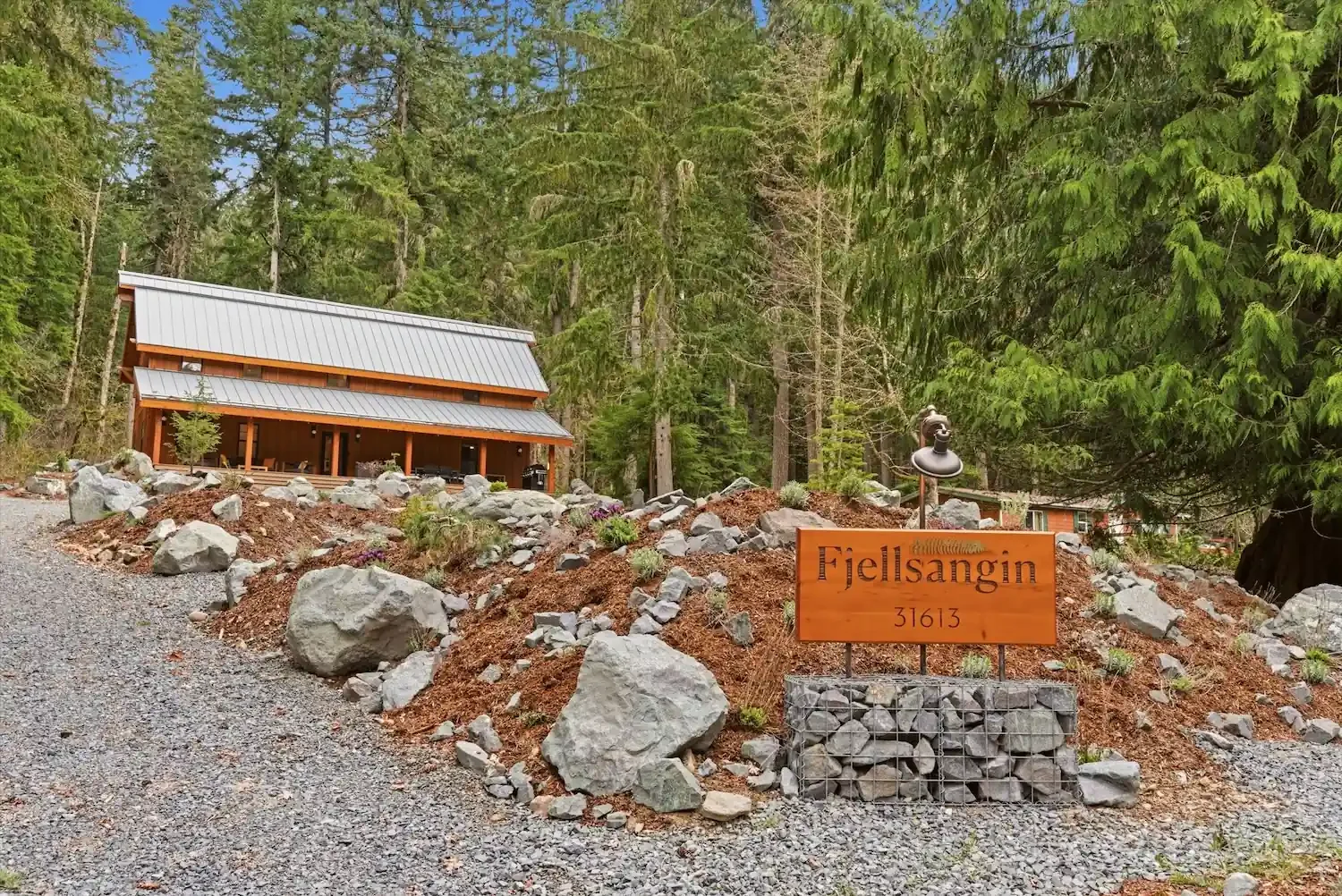
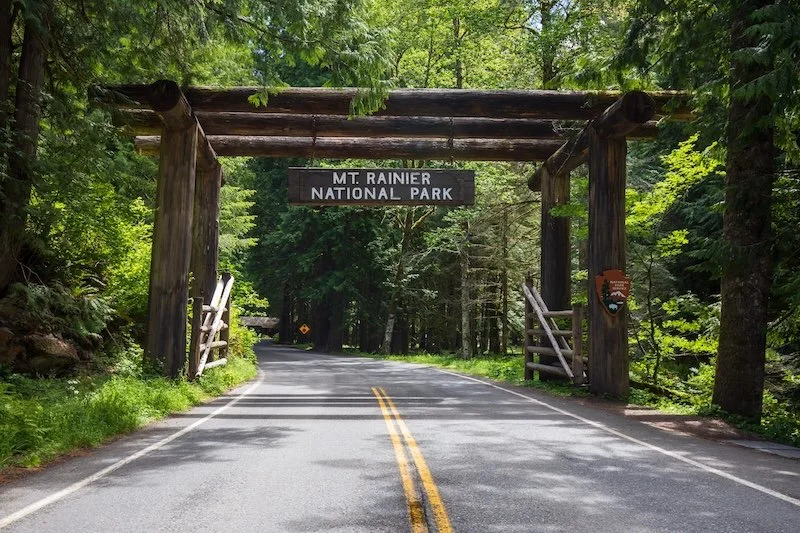
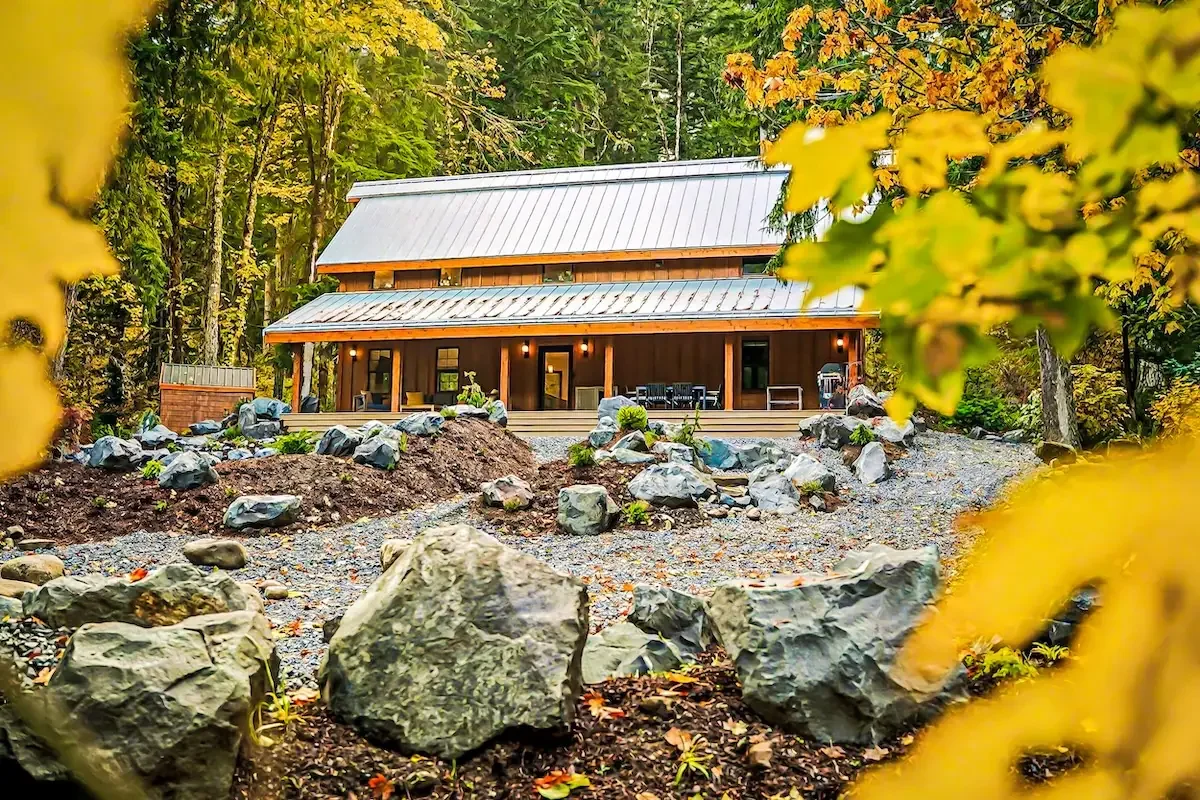
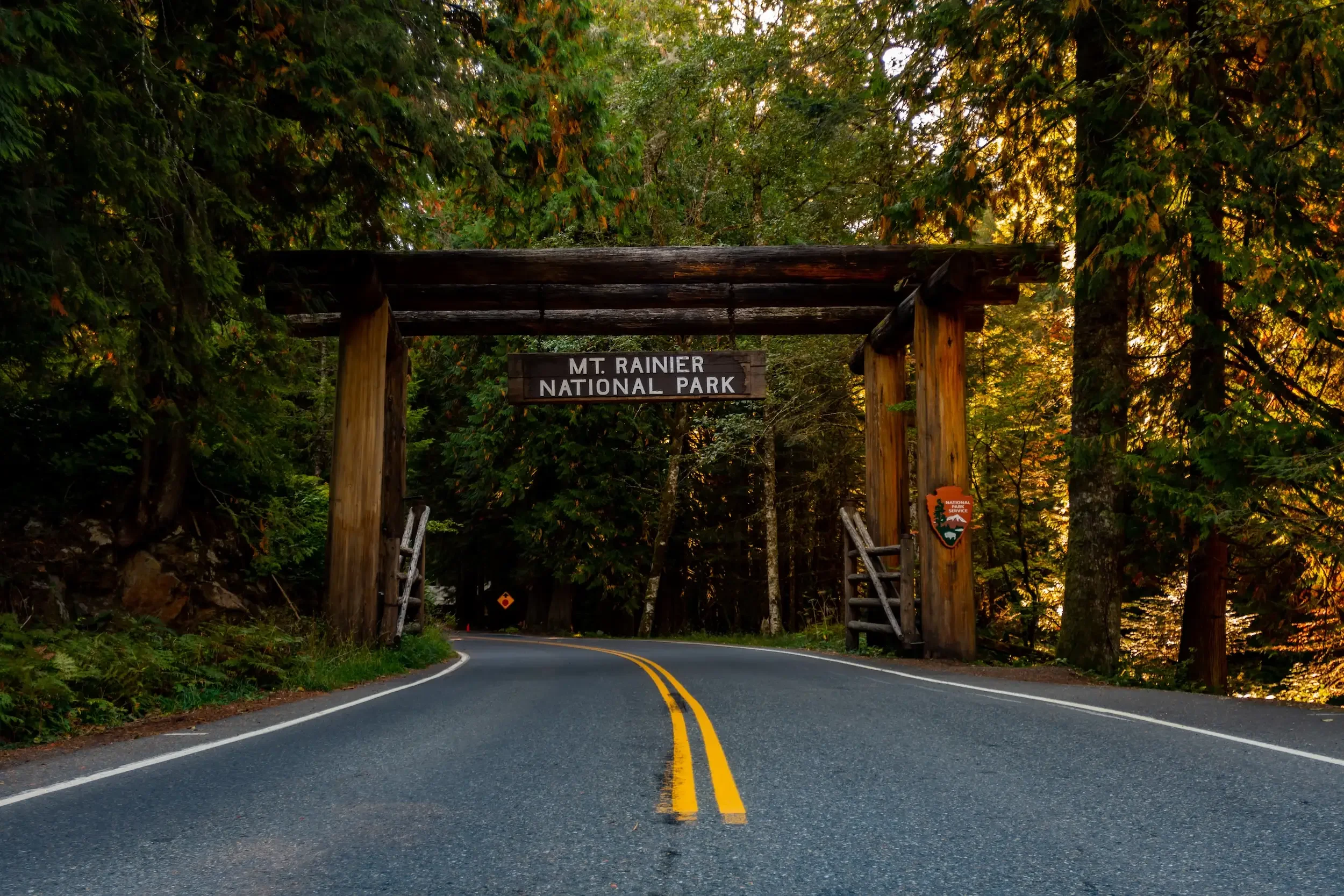
If you're planning a hike and wondering what you'll find, the short answer is: it depends entirely on elevation. Fjellsangin is a Nordic-inspired luxury forest cabin at 31613 Mt. Tahoma Canyon Road E in Ashford, Washington, ten minutes from the Nisqually Entrance to Mt. Rainier National Park. Guests use it as a base for day hikes into the park, and right now, the lower and upper areas of the park look almost nothing alike.
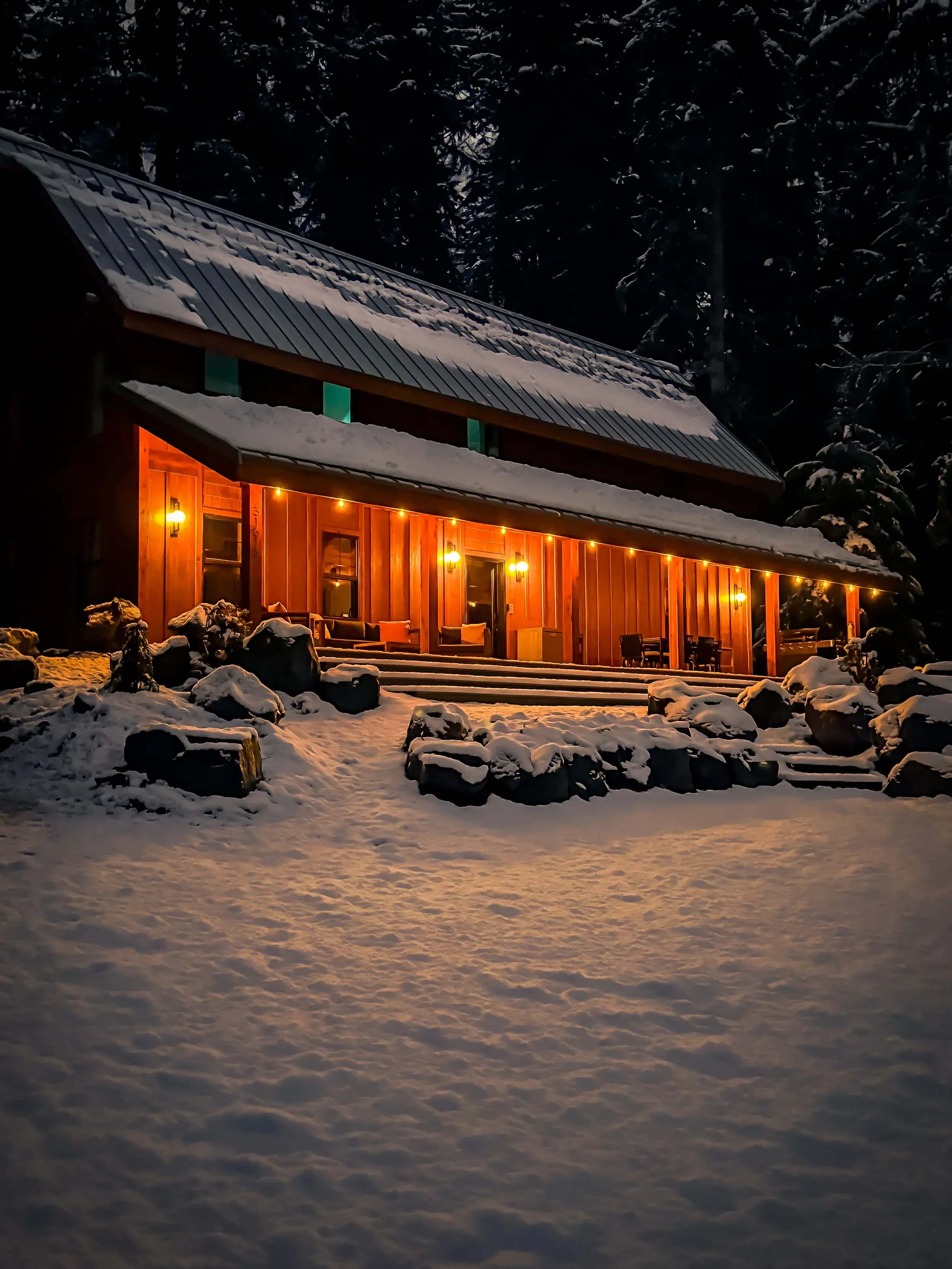
We actually had snow here at Fjellsangin last week. It didn’t stick, but it was real enough to coat the deck and remind you that spring at this elevation is still negotiating with winter. The park felt it too.
What Are Trail Conditions Like Right Now at Longmire vs. Paradise?
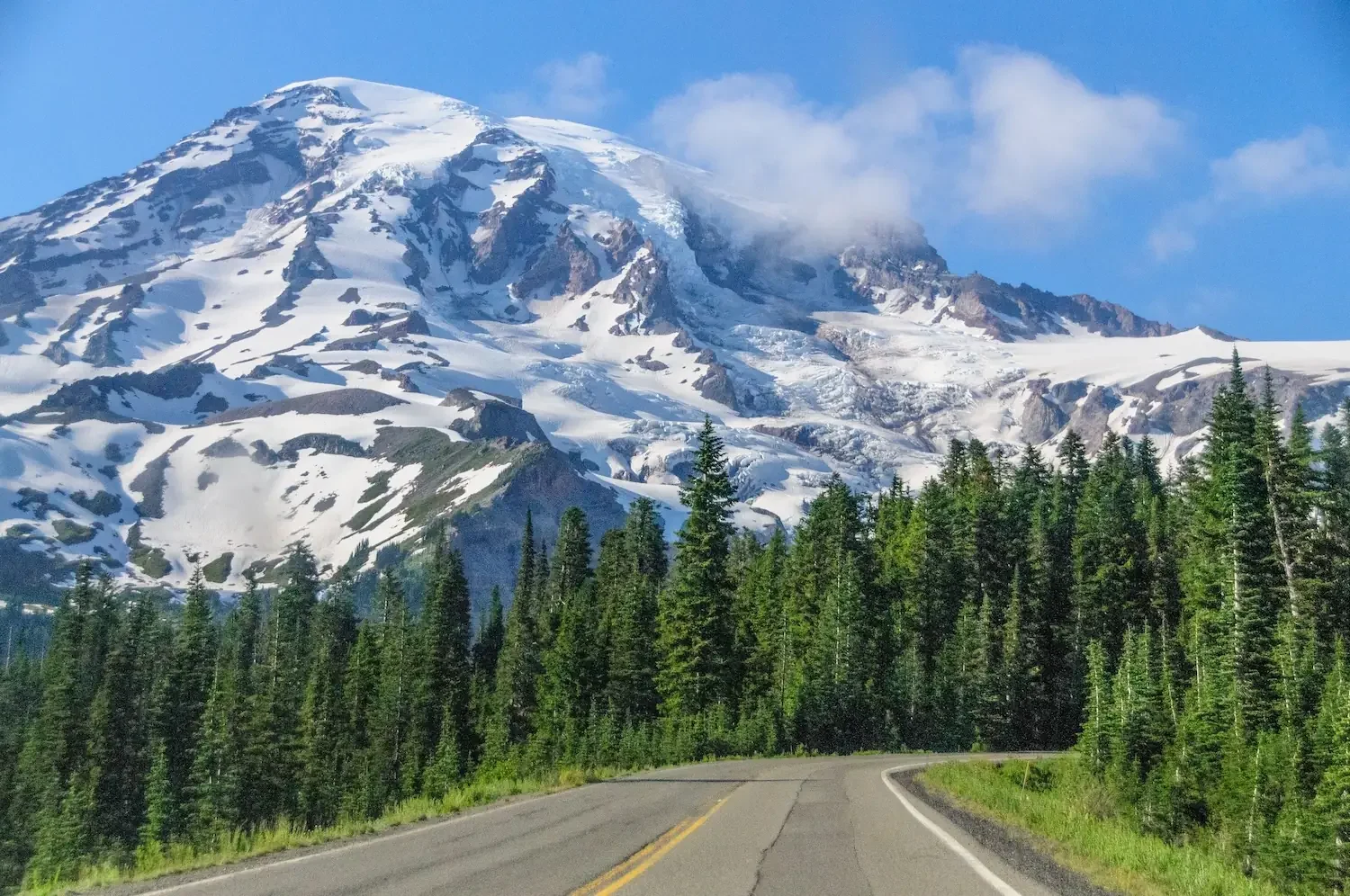
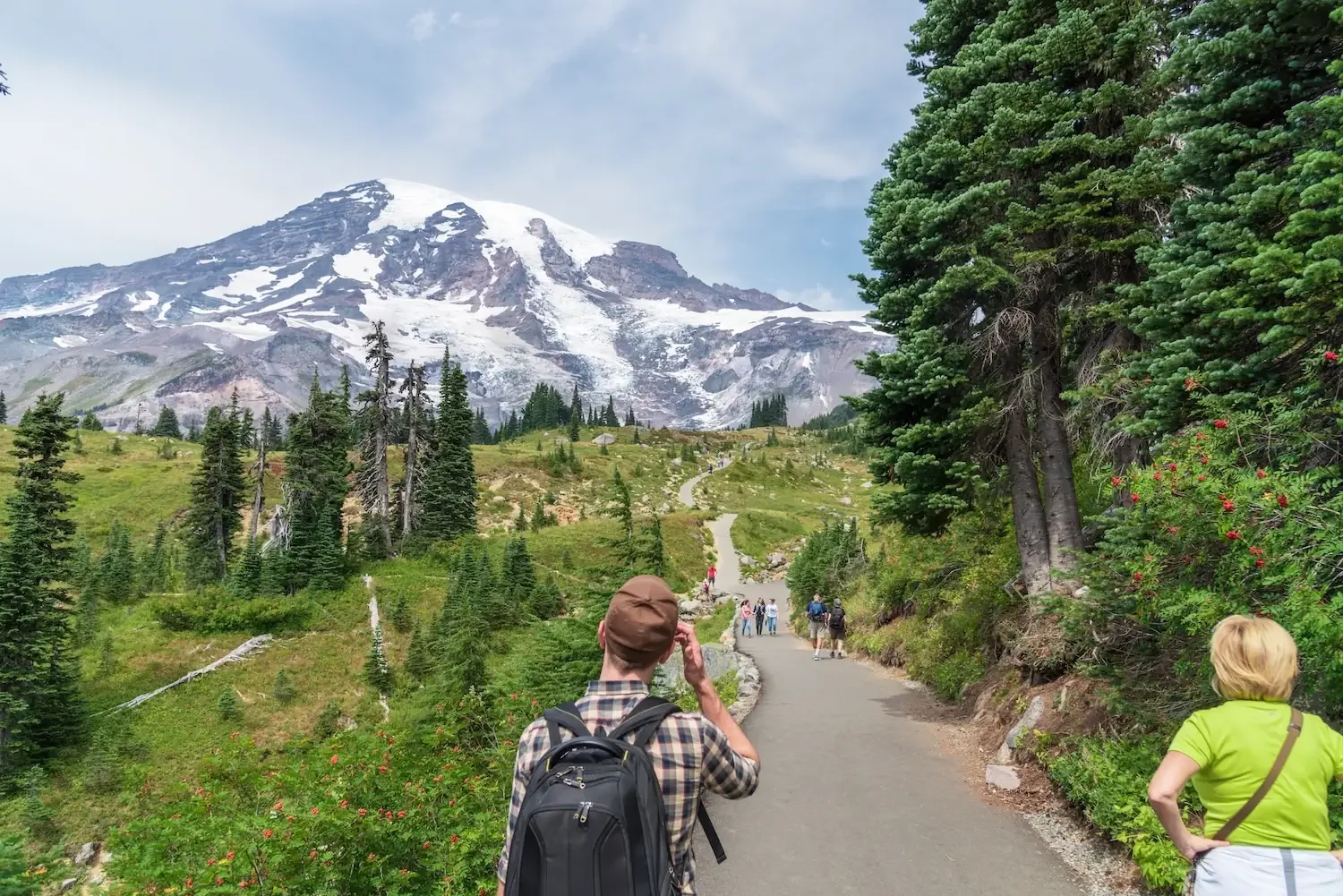
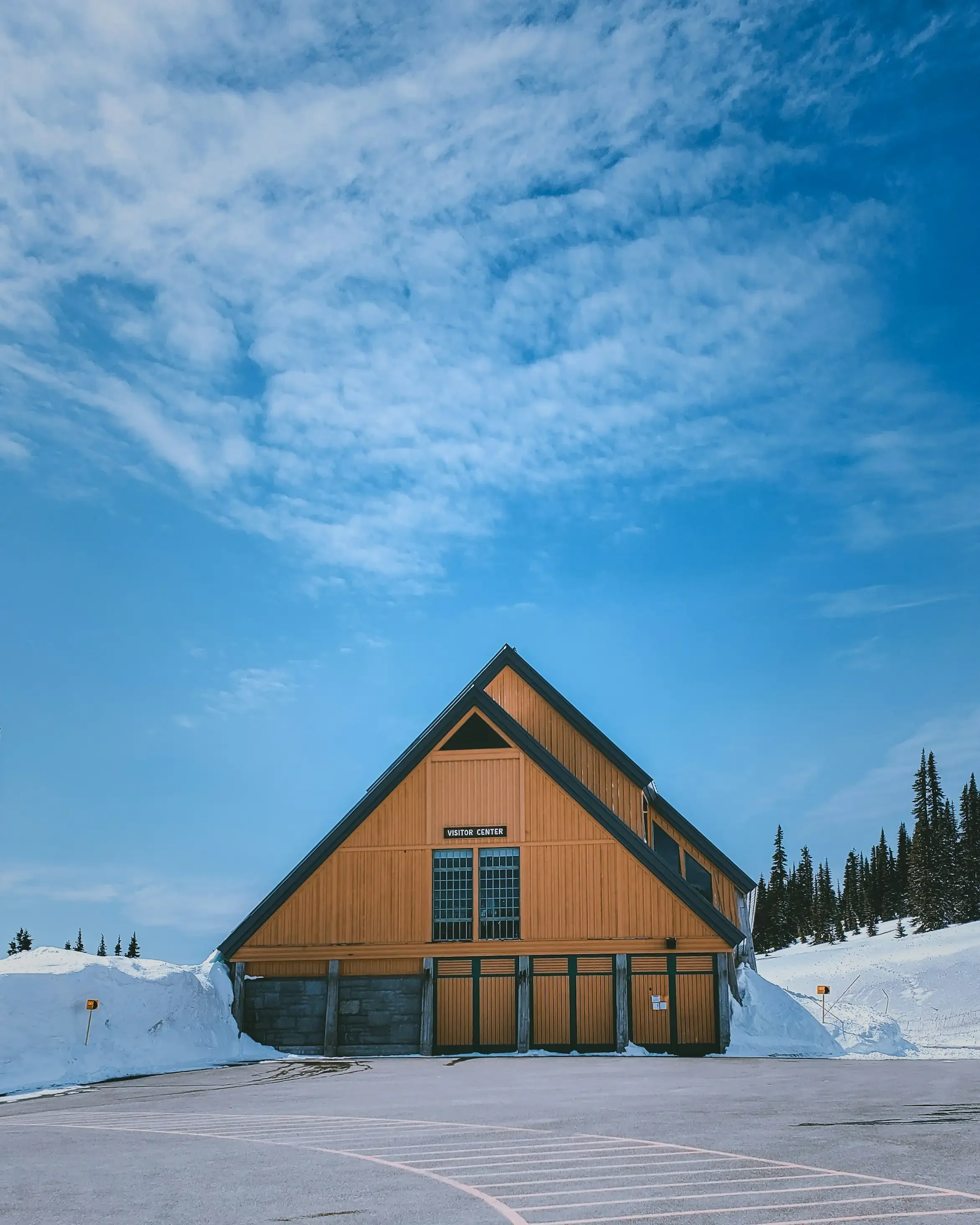
At Longmire, the lower-elevation trails have cleared. You can walk on established tread without traction devices and follow the route. That changes as you gain elevation. Paradise is sitting under roughly eight feet of snow, and the melt is creating instability — thinning in places, forming bridges over gaps, covering foot-logs that would normally mark where trails cross wet sections.The NPS has confirmed that snow-covered trails at Paradise are not marked. If you go up, you navigate by skill, not by signage. That's not a reason to skip it. It is a reason to go prepared.
What Do You Need for Spring Hiking at Mount Rainier?
The real list is longer than most people pack. Extra boot traction is at the top — microspikes are worth throwing in even if the lower trail looks dry. Icy slopes hold on north-facing aspects long after south-facing ones have melted out.
Post-holing is the other thing to build time around. Warm afternoons soften the snowpack, and a step that holds at 8 am can drop you knee-deep by noon. Any route that climbs above the snow line will move more slowly than the mileage suggests.
Stay off frozen lakes. The same melt-and-refreeze cycle that makes trail conditions hazardous also applies to lake surfaces. Ice that looks solid may not support weight.
What Are the Biggest Hazards on Snow-Covered Trails?
The NPS has flagged three specific ones: post-holing, snow bridges, and missing foot-logs.
Post-holing is exactly what it sounds like — breaking through softened snow crust with each step. It's exhausting and can wrench ankles when you drop into a gap unexpectedly. Snow bridges form where snow spans a creek, depression, or gully. They can look stable and aren't.
Missing foot-logs are the hazard people underestimate most. These wooden crossings sit across wet or marshy trail sections. Under eight feet of snow, they're invisible. You won't notice they're gone until you're searching for them.
Map and compass - not just phone GPS—are the navigation tools that matter here. Snow can obscure the track entirely. The ability to orient without a visible trail is a real requirement at Paradise this time of year, not a nice-to-have.
How Do You Protect Meadow Vegetation When Hiking on Snow?
Meadow protection at Rainier doesn't get talked about enough in spring. When snow covers the ground completely, the instinct is to spread out and walk wherever seems easiest. The NPS asks hikers to stay on established trail corridors or on thick patches of solid snow. Early-season vegetation is just beginning to push through, and it's easy to damage before it becomes visible.
If you can't see the trail, stay on snow solid enough that you're not compressing the soil beneath. The meadows at Rainier are part of what makes the park worth coming back to.
How Do You Check Current Conditions Before You Head Out?
Two resources worth bookmarking before any spring hike at Rainier:
The NPS has a late-season snow hazards guide at go.nps.gov/334qsp with specific advice for the conditions that exist right now.
Live webcams at Paradise and Longmire let you see current conditions before you head to the trailhead. Check them at go.nps.gov/RainierWebcams.
The Washington Trails Association carries current trip reports from hikers who've been out recently — often the most accurate picture of what a specific route looks like on any given day.
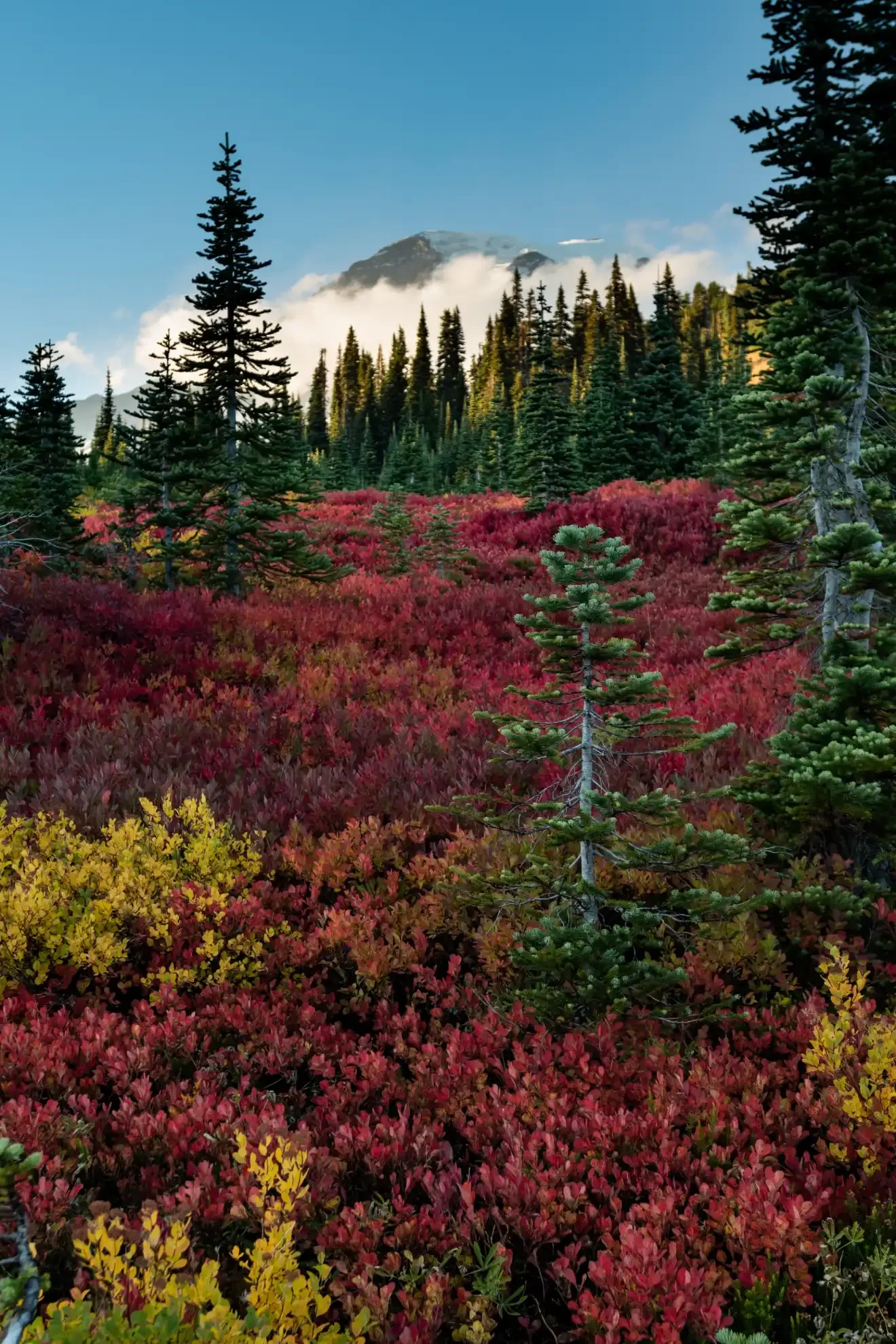
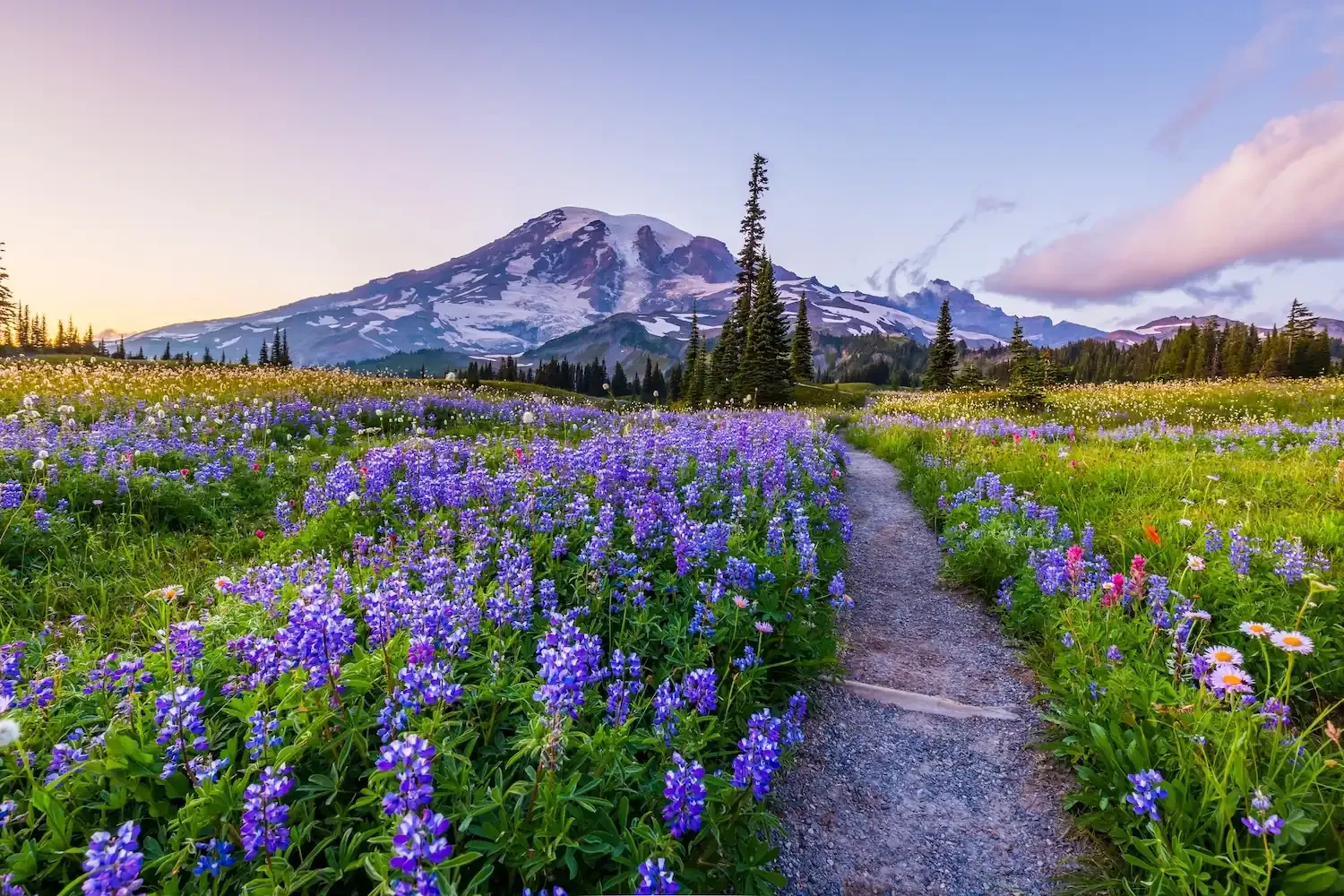
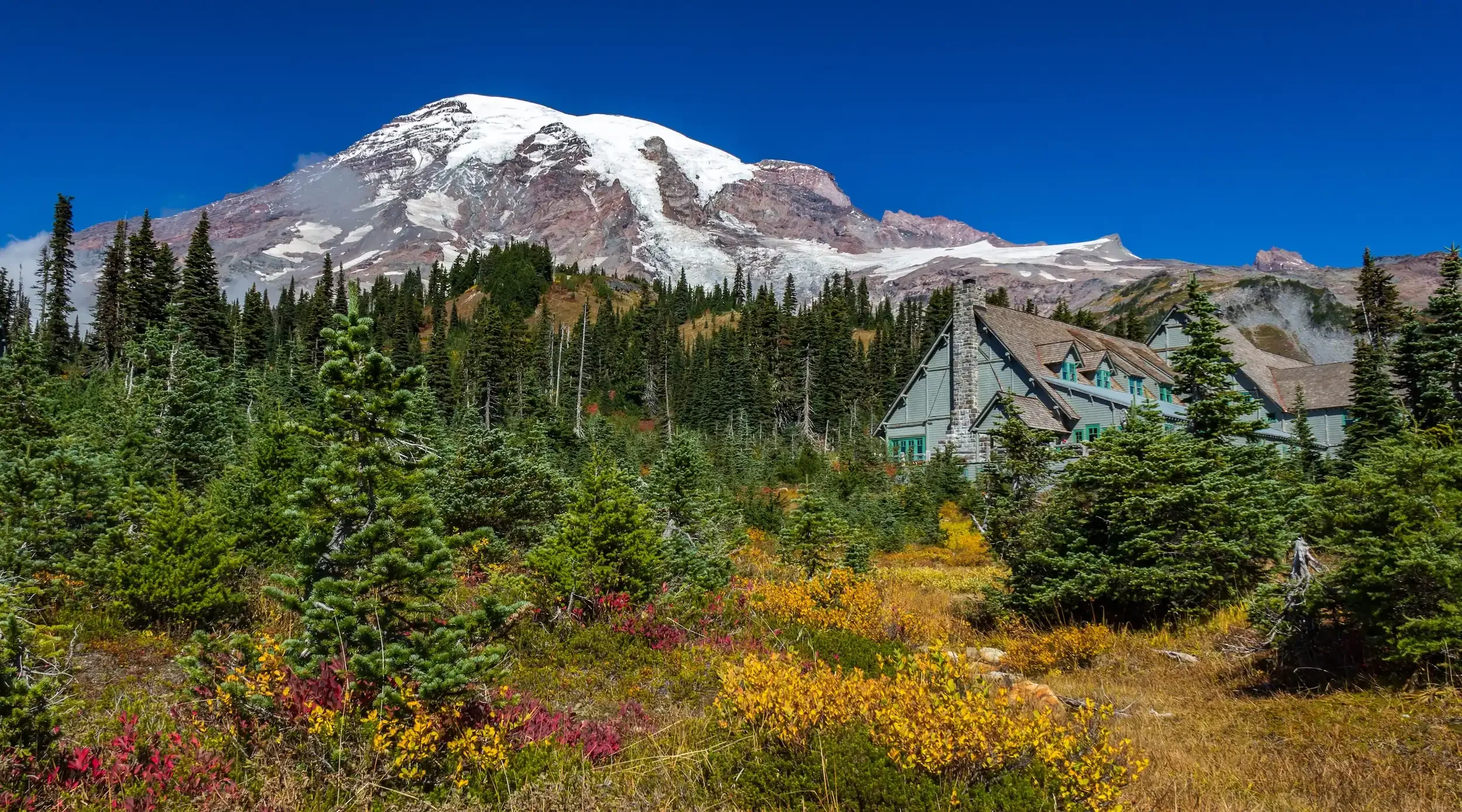
One thing worth knowing before you plan a spring trip expecting wildflowers: they don’t bloom in spring at Mt. Rainier. It’s one of the most common misconceptions we hear. The meadows don’t start showing color until mid to late summer. Spring at this elevation is beautiful, but it’s a snow-and-silence kind of beautiful — not the flower fields you’ve seen in photos.
Spring hiking at Rainier is genuinely different from summer. The crowds haven't arrived, the light is long, and the park carries a quiet that disappears by July. You just need the right gear and realistic expectations before you go.
Fjellsangin sits ten minutes from the Nisqually Entrance and sleeps up to six, making it a practical base for a multi-day Rainier trip. Check availability and plan your spring visit at Fjellsangin.