What First-Time Visitors to Mt. Rainier Often Get Wrong (And How to Do It Better)
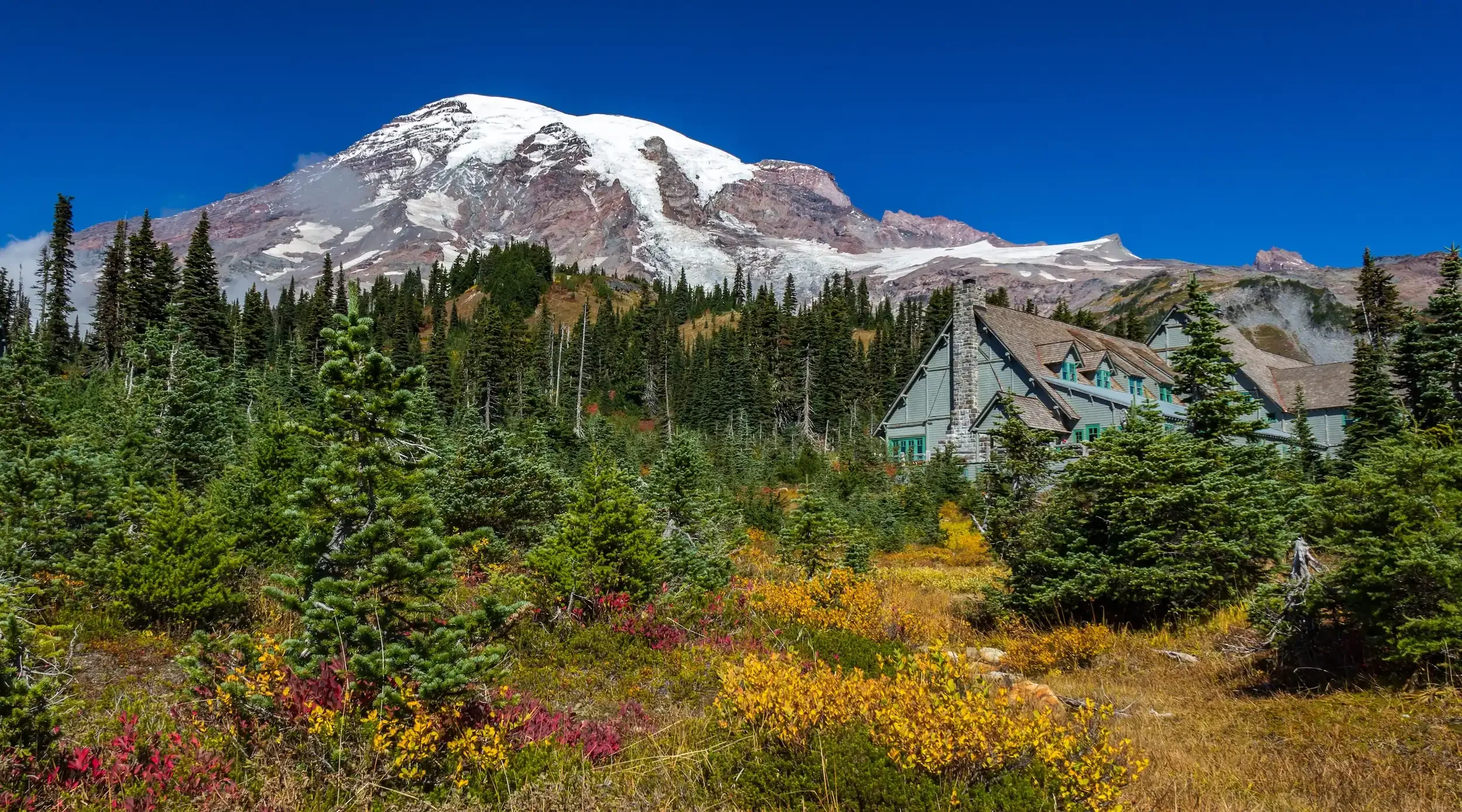
Visiting Mount Rainier National Park for the first time is exciting — and it's also where a lot of well-intentioned plans quietly fall apart. Not because the park disappoints, but because most first-time visitors arrive with expectations shaped more by social media highlight reels than by the reality of a massive, weather-driven volcanic landscape that operates on its own terms.
The good news: the adjustments are simple. And when you make them, the experience shifts from overwhelming to grounding — the kind of visit you remember not for what you checked off, but for how the mountain made you feel.
Here's what we see most often, and what works better.
Trying to See Everything in One Day
This is the most common mistake, and the most forgivable. Mount Rainier National Park looks manageable on a map. In practice, the roads wind slowly through elevation changes, distances between areas are greater than they appear, and weather can close a road or obscure a view with almost no warning.
Visitors who try to hit Paradise, Sunrise, and Longmire in a single day often spend more time behind the wheel than outside of it, arriving at each stop slightly more rushed and slightly less present than the one before. The drive between major areas can take well over an hour each way, and by the time you've navigated parking, conditions, and the mountain's own schedule, the day feels like it happened to you rather than with you.
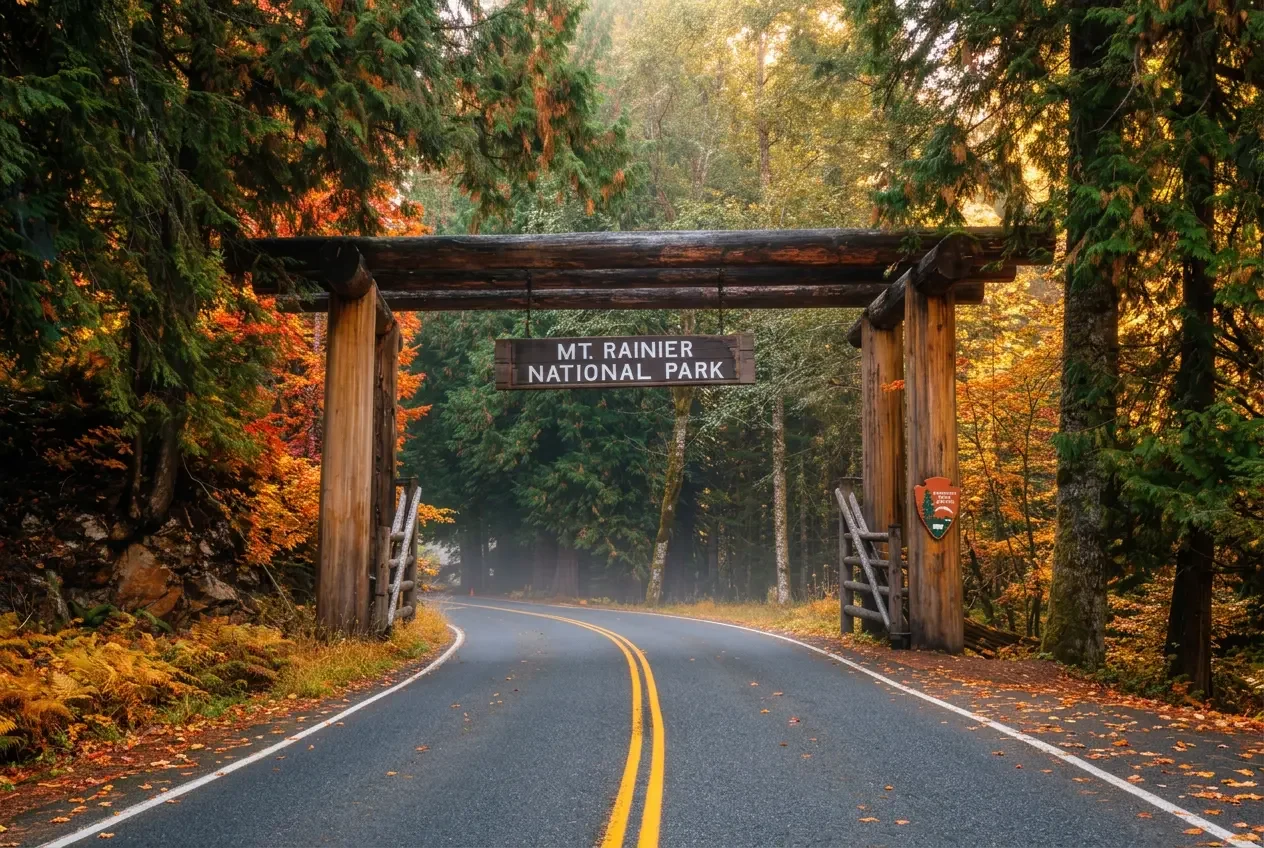
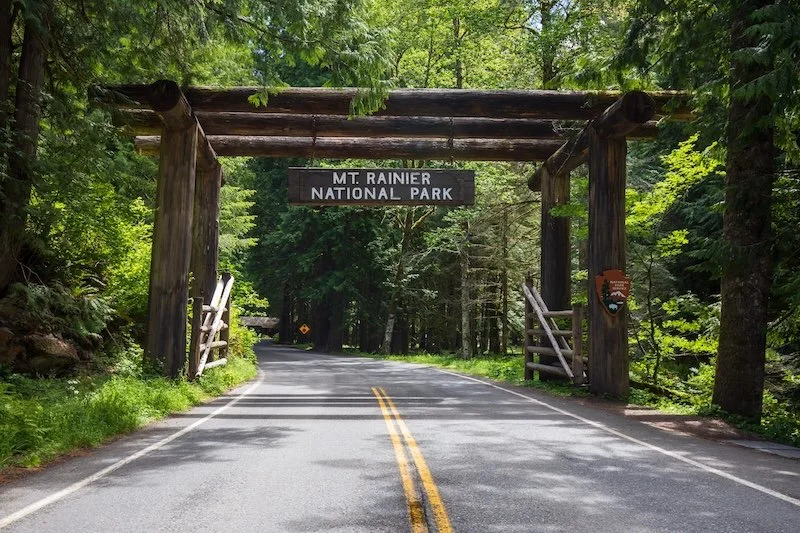
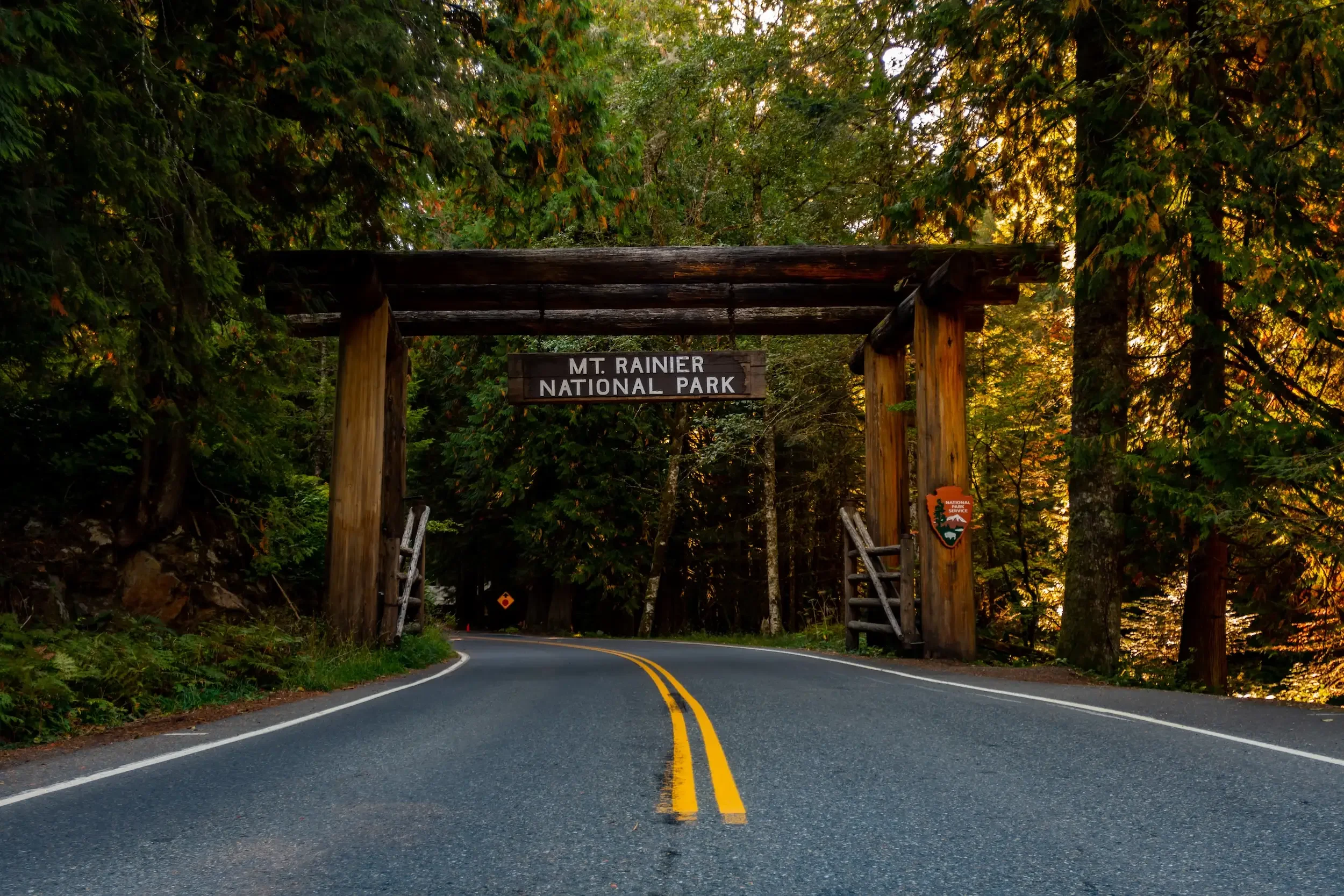
A better approach: choose one entrance area and explore it well. The Nisqually Entrance offers year-round access and some of the park's most iconic scenery within a relatively compact stretch of road. If you'd like a clearer picture of what to expect in each season, our guide to the Nisqually Entrance year-round covers access, road conditions, and timing.
Assuming You Need to Hike to Experience the Park
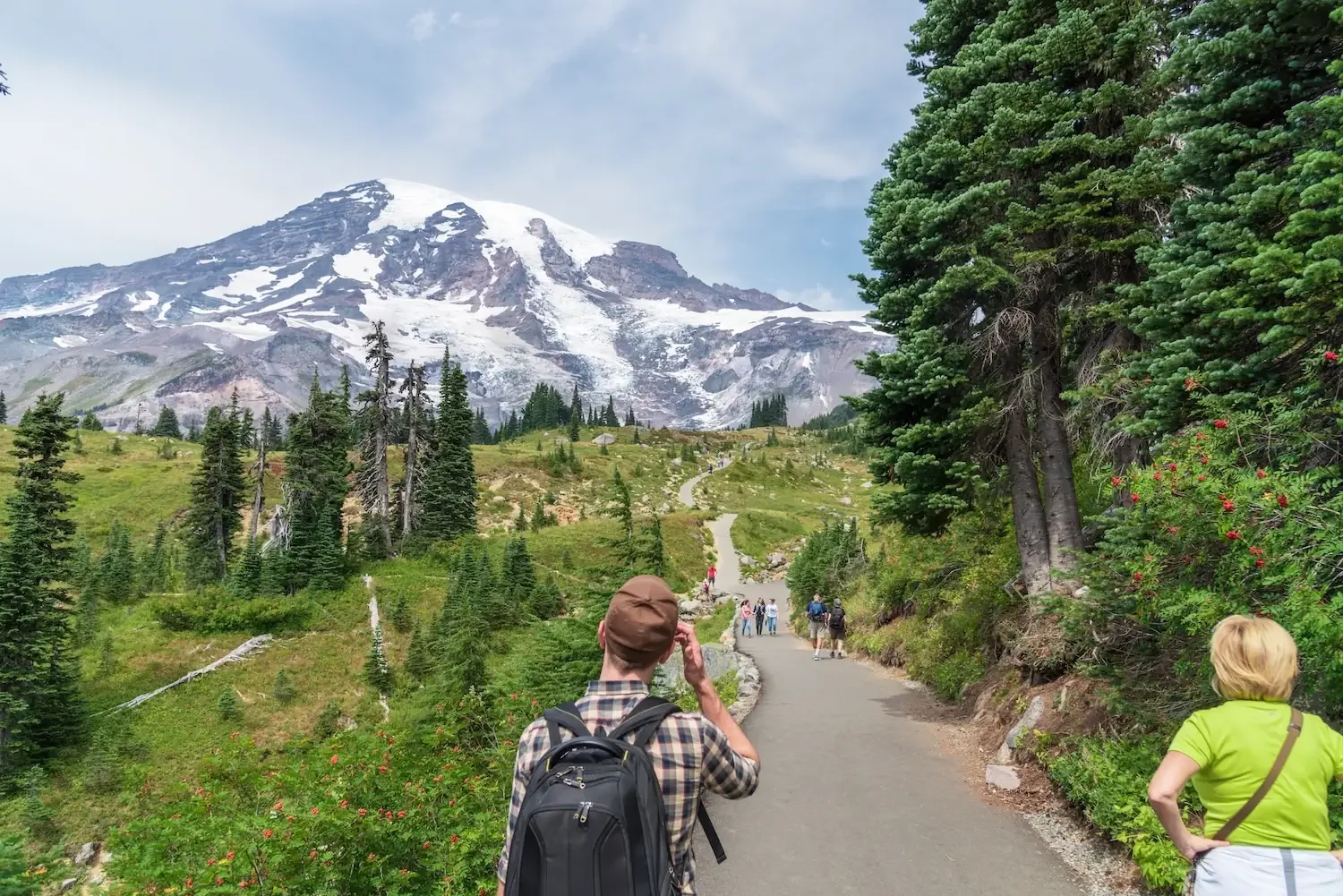
Mount Rainier has extraordinary hiking, and several of the best trails on the Nisqually side are worth every step. But the assumption that you need to be on a trail to experience the park leaves out some of the most memorable moments a visit can offer.
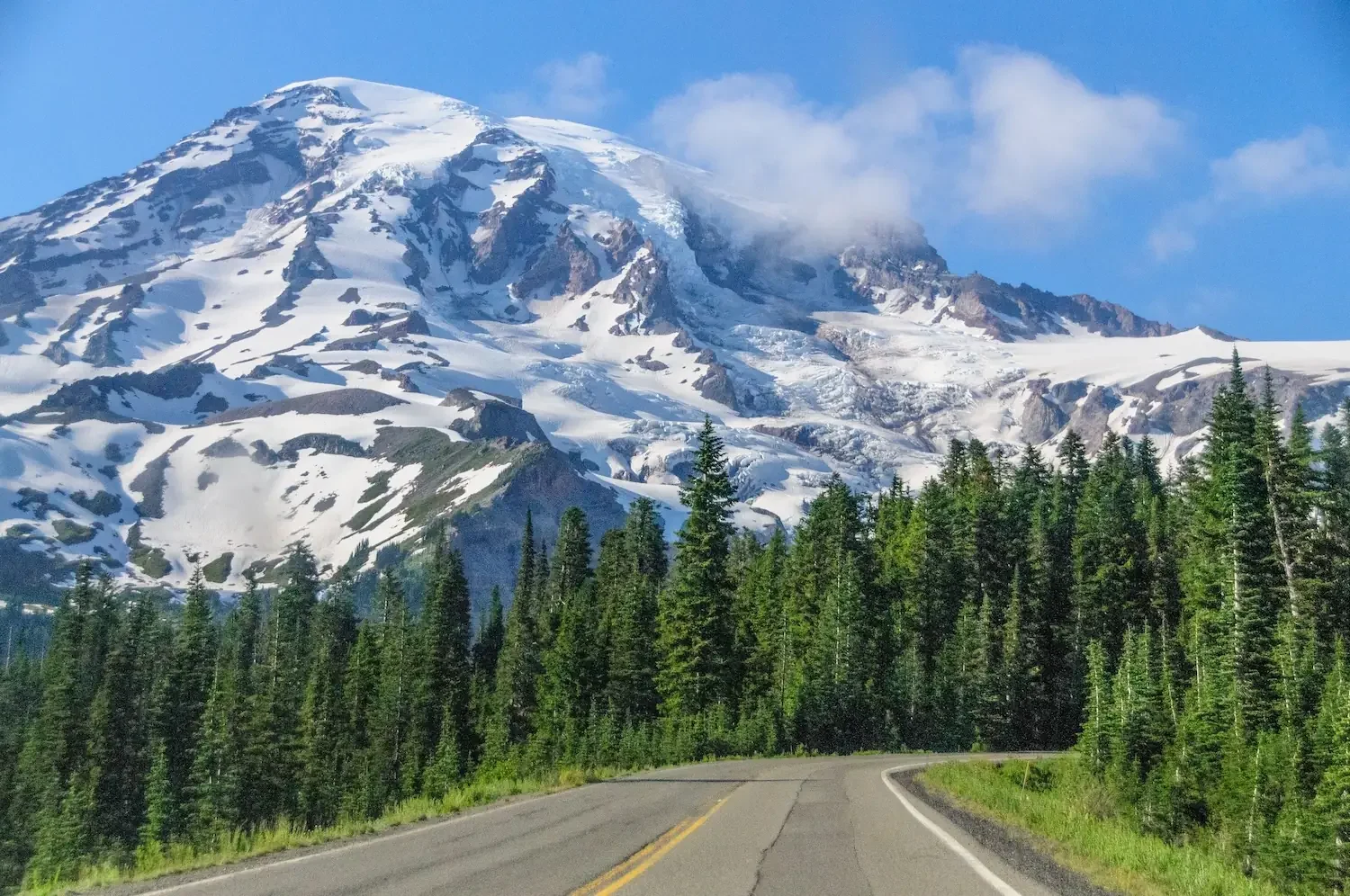
Some of the park's most striking scenery is visible from the road — waterfalls framed by stone bridges, fog threading through the forest, sudden clearings where the mountain fills the entire windshield. Scenic driving is one of the most accessible and rewarding ways to experience the Nisqually side, particularly for travelers who are between hikes, recovering from a long day, or simply prefer a slower pace. Our guide to scenic drives near the Nisqually Entrance highlights routes and stops that deliver extraordinary scenery without requiring boots or trekking poles.
Expecting Perfect Weather (and Letting It Ruin the Day)
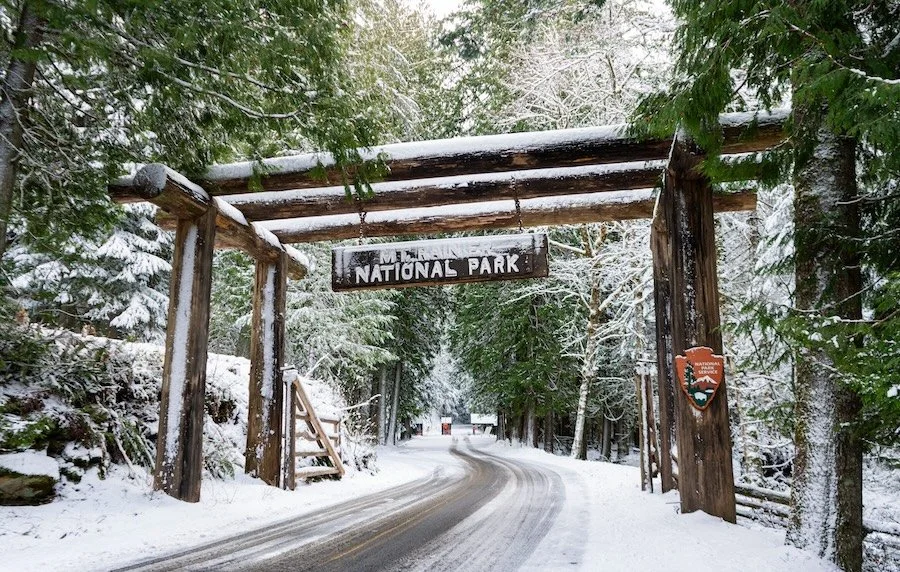
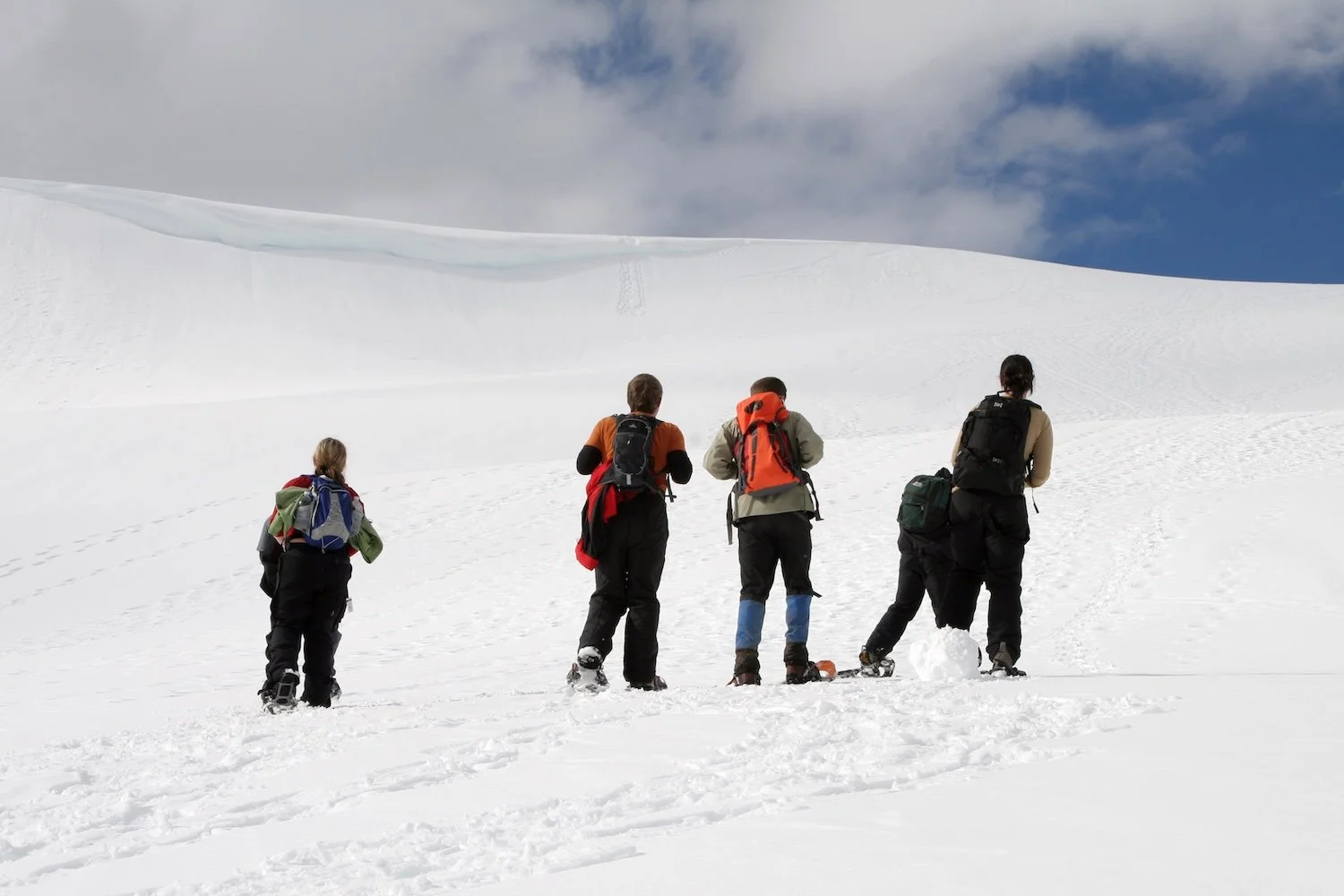
Mount Rainier generates its own weather. Fog, rain, and snow are part of the mountain's rhythm — not interruptions to it.
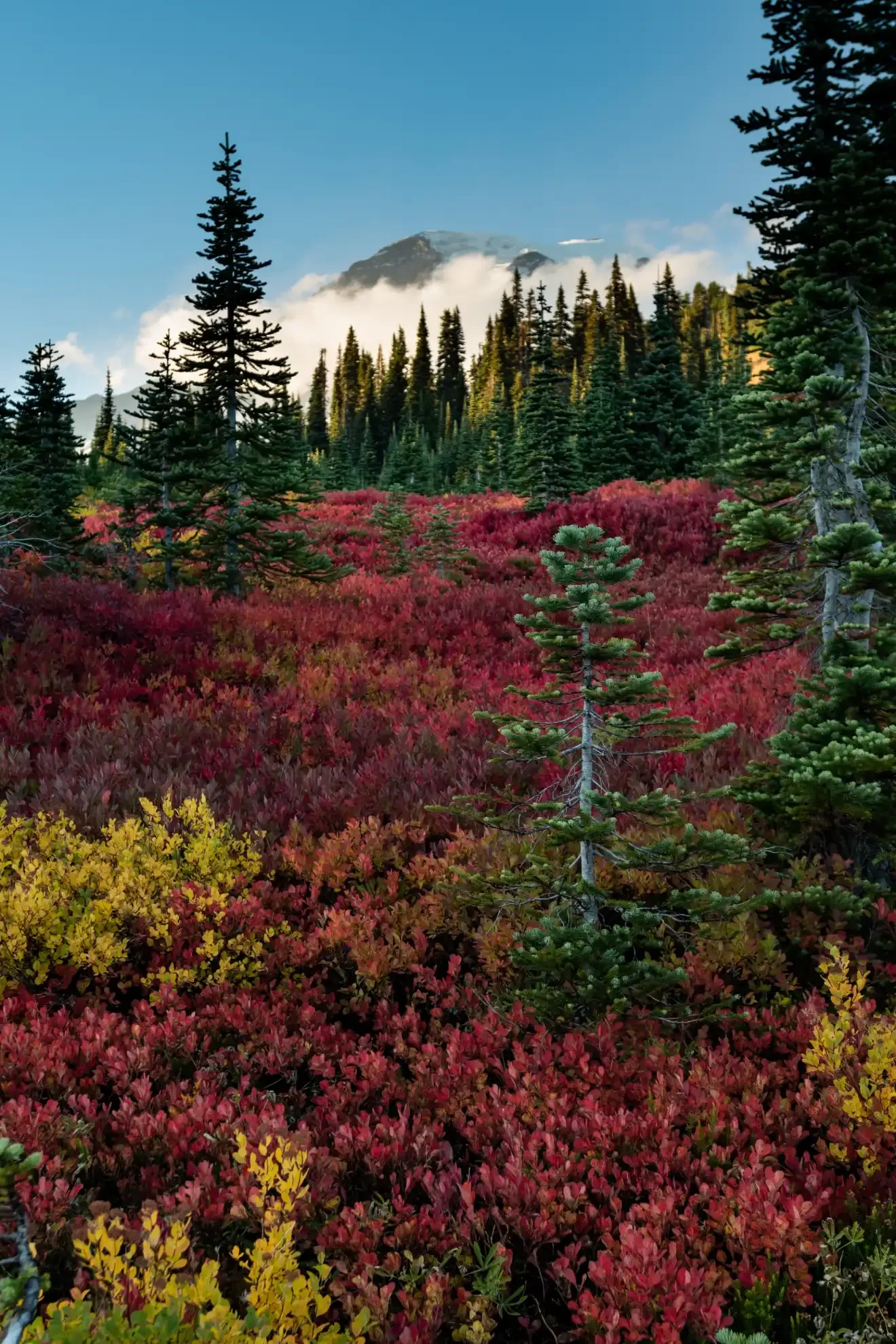
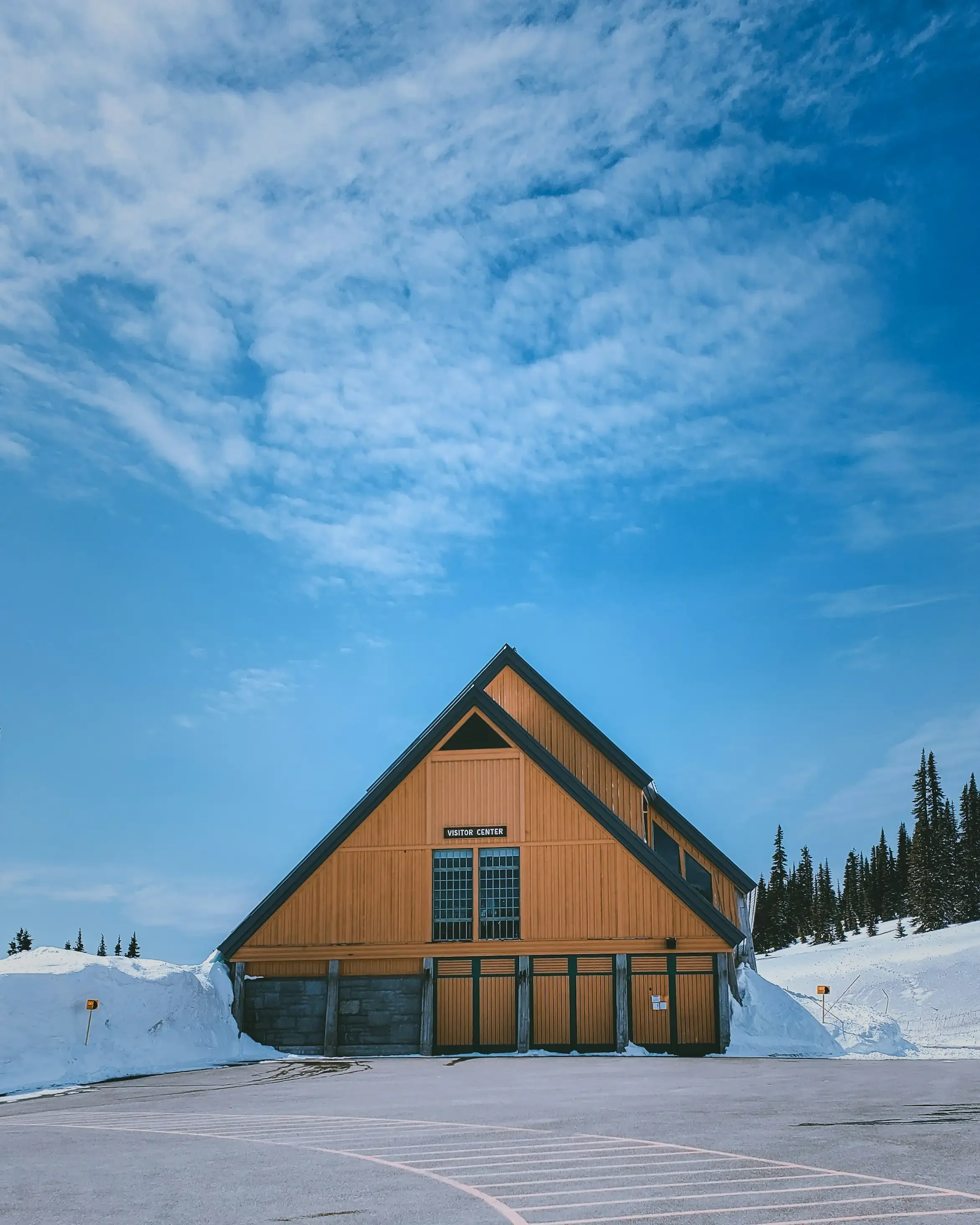
First-time visitors often plan around summit views, building their entire day around the hope of seeing the peak in clear, unobstructed glory. When the clouds settle in — and they will, sometimes for hours, sometimes for days — the disappointment can color the whole experience. But experienced visitors know something different: the mountain in fog is its own kind of extraordinary. The way mist transforms a waterfall into something dreamlike. The silence of a snow-covered meadow when the clouds press close. The moment the clouds part for ten seconds and the peak appears, impossibly large, before disappearing again.
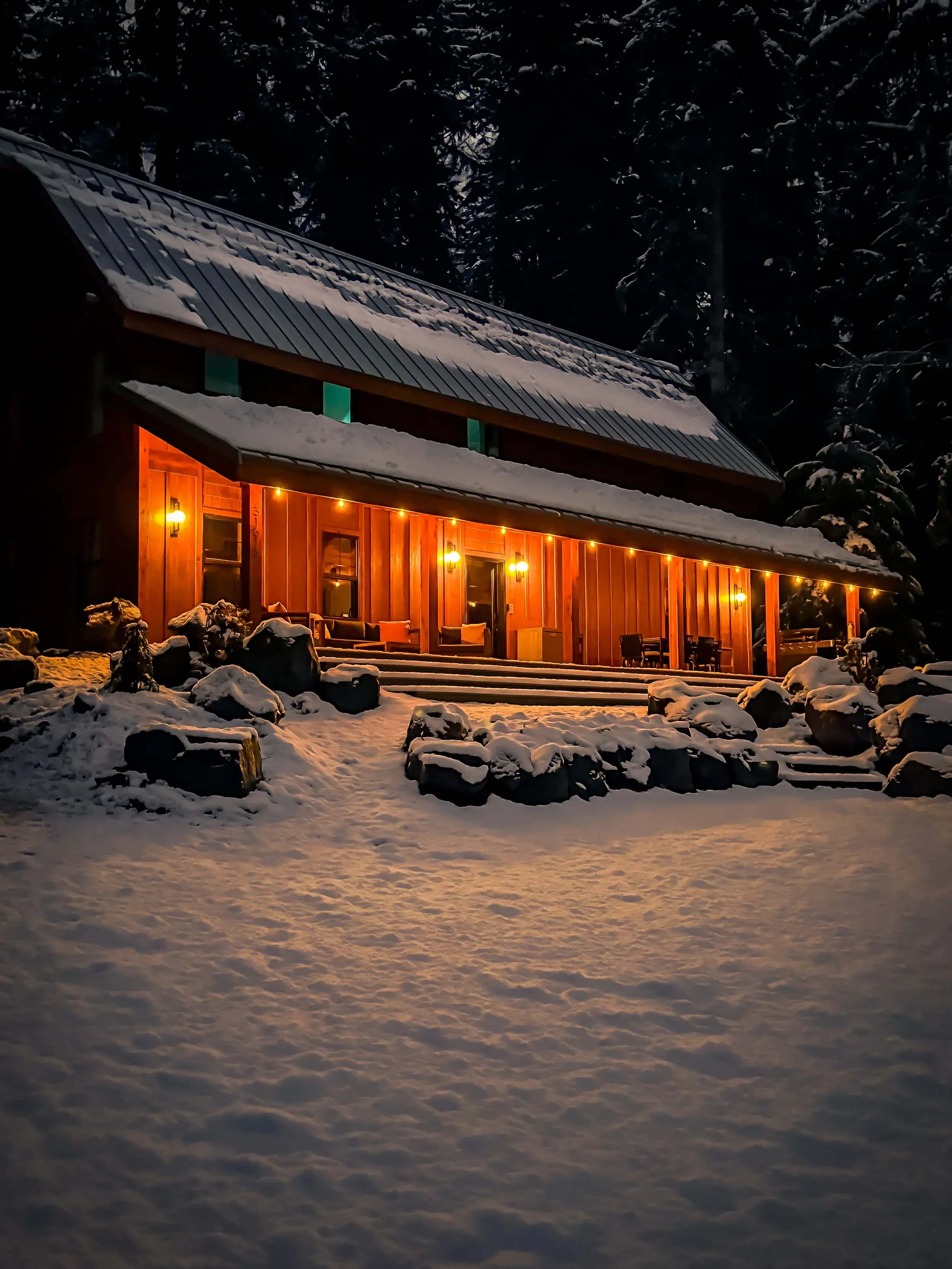
Building flexibility into your day allows you to appreciate mood, texture, and atmosphere rather than chasing a single postcard moment. If the upper park is socked in, Longmire offers warmth, history, and the Trail of the Shadows. If the clouds lift unexpectedly, you're close enough to drive up and catch it.
One thing about the weather at Mount Rainier is that it can change quite quickly. We always make sure that when we go up to the park that we have the appropriate clothes for any condition that might arise. When we actually hike, we take a pack with an extra jacket and usually wear pants with legs that zip off, so we can regulate our body temperature. It’s always better to wear layers so you can layer up or down depending on the conditions.
Underestimating Driving Time and Road Conditions
Roads in and around Mount Rainier are scenic, but they aren't fast. Narrow lanes, elevation changes, and seasonal closures mean drives take longer than GPS suggests, especially during winter and shoulder seasons. A thirty-mile stretch that looks straightforward on a map can take well over an hour, and winter conditions add chain requirements and potential closures to the equation.
Before heading out, check current park road conditions via the National Park Service and Washington State DOT updates for mountain roads. Building extra time into your day allows the experience to feel spacious rather than rushed — and it means you can actually stop at the pullouts and overlooks that make the drive worth taking slowly.
Treating Mt. Rainier Like a Checklist Destination
This might be the most important shift of all. Mount Rainier isn't a place to conquer. It's a place to settle into.
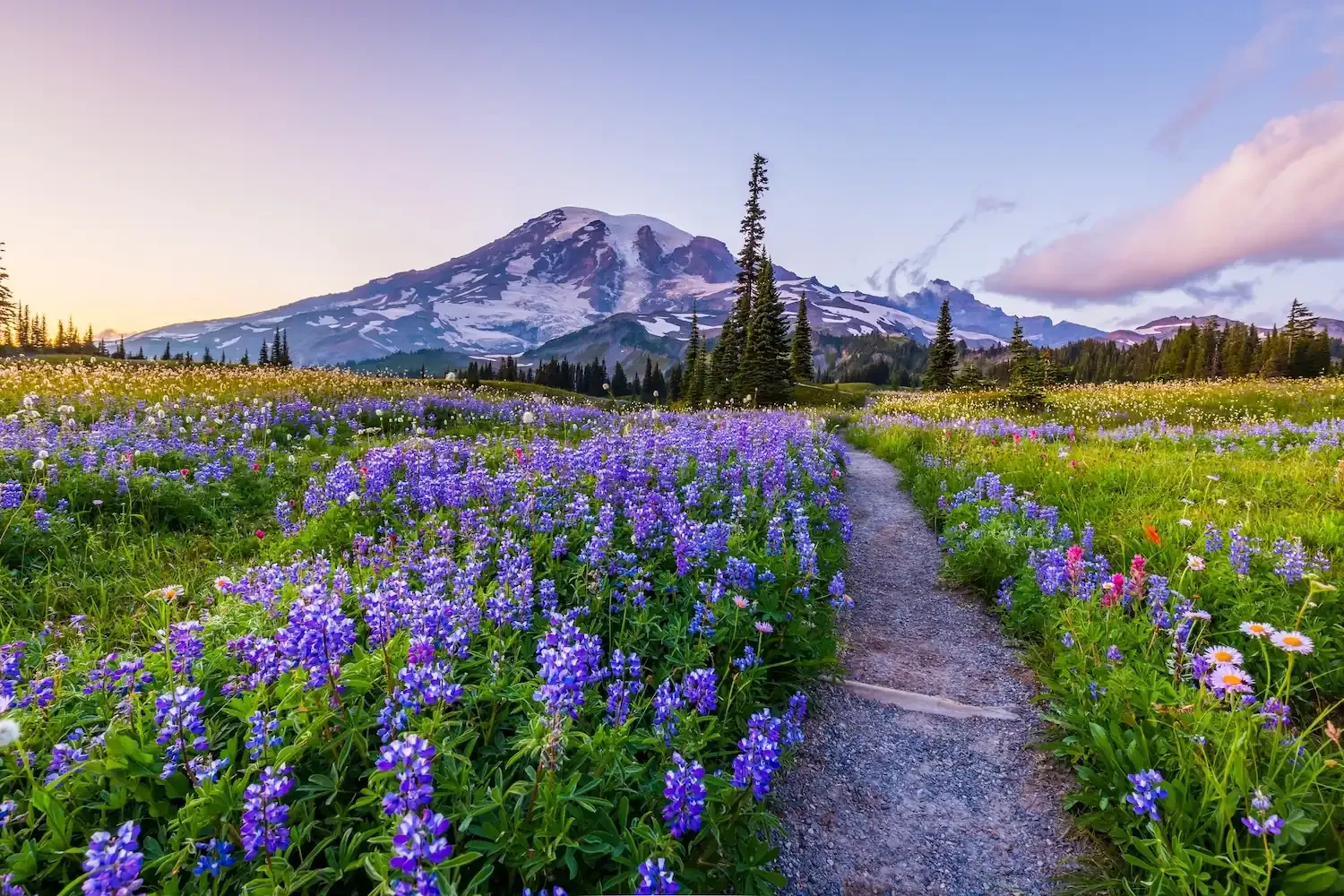
Visitors who arrive with rigid itineraries — five stops, three hikes, a waterfall before lunch — often miss the things that make the park feel alive: the quiet of early mornings and late afternoons, the subtle shifts in light and weather, the way a single meadow can look entirely different at noon than it did at nine. The mountain reveals itself to people who slow down for it, and the best visits tend to be the ones that leave room for the unplanned — a twenty-minute detour that becomes the highlight of the trip, an overlook you almost drove past, an hour on a bench watching clouds move across the glacier.
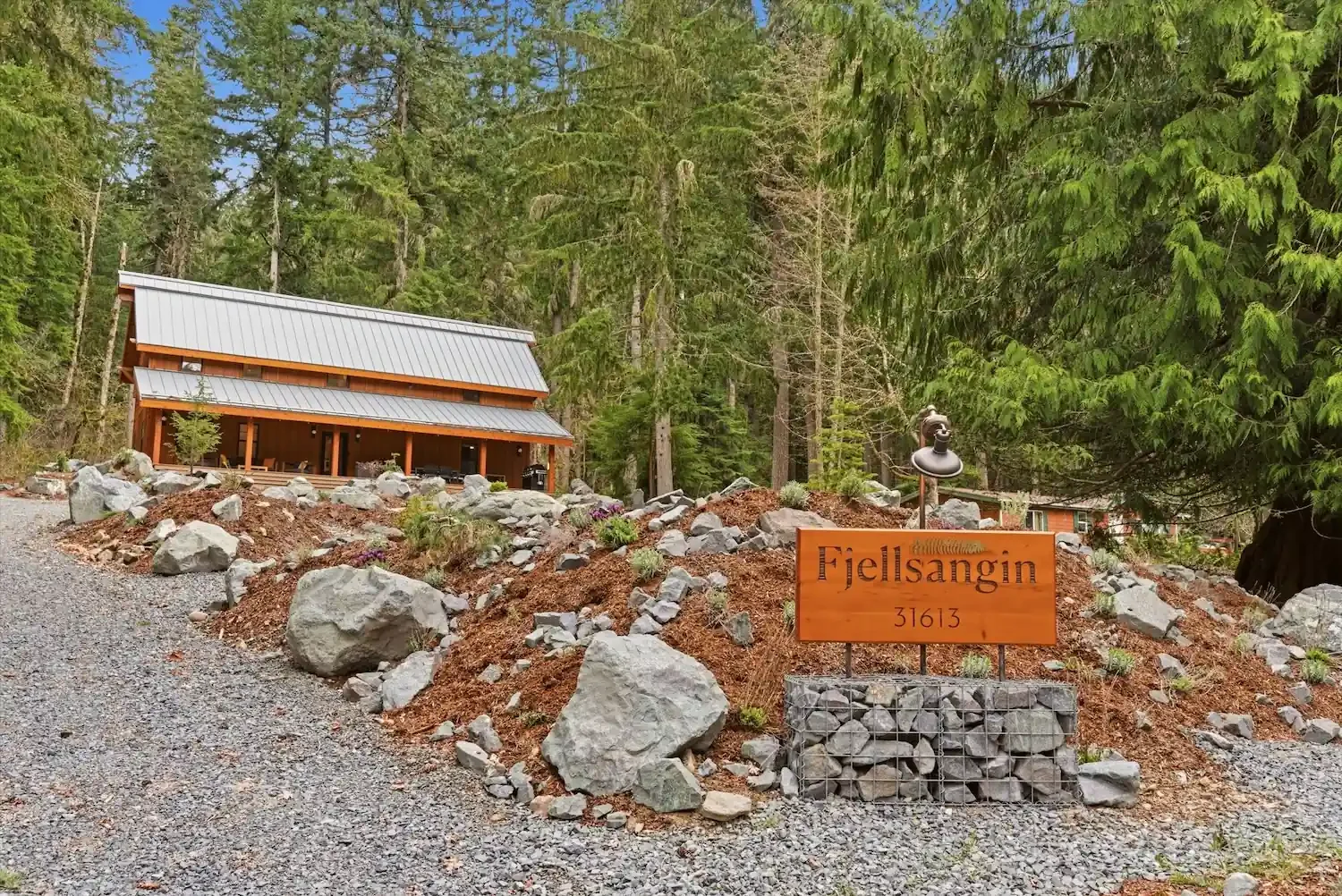
This is the approach we explore in the art of slow travel at Fjellsangin — the idea that presence, not productivity, is what turns a park visit into something that stays with you.
Choosing a Base That's Too Far Away
Where you stay shapes how you experience the mountain more than most people realize. Staying an hour or more from the park entrance means long daily drives, less flexibility to adjust plans when conditions change, and the loss of those quiet early-morning and late-afternoon hours when the park is at its most beautiful and least crowded.
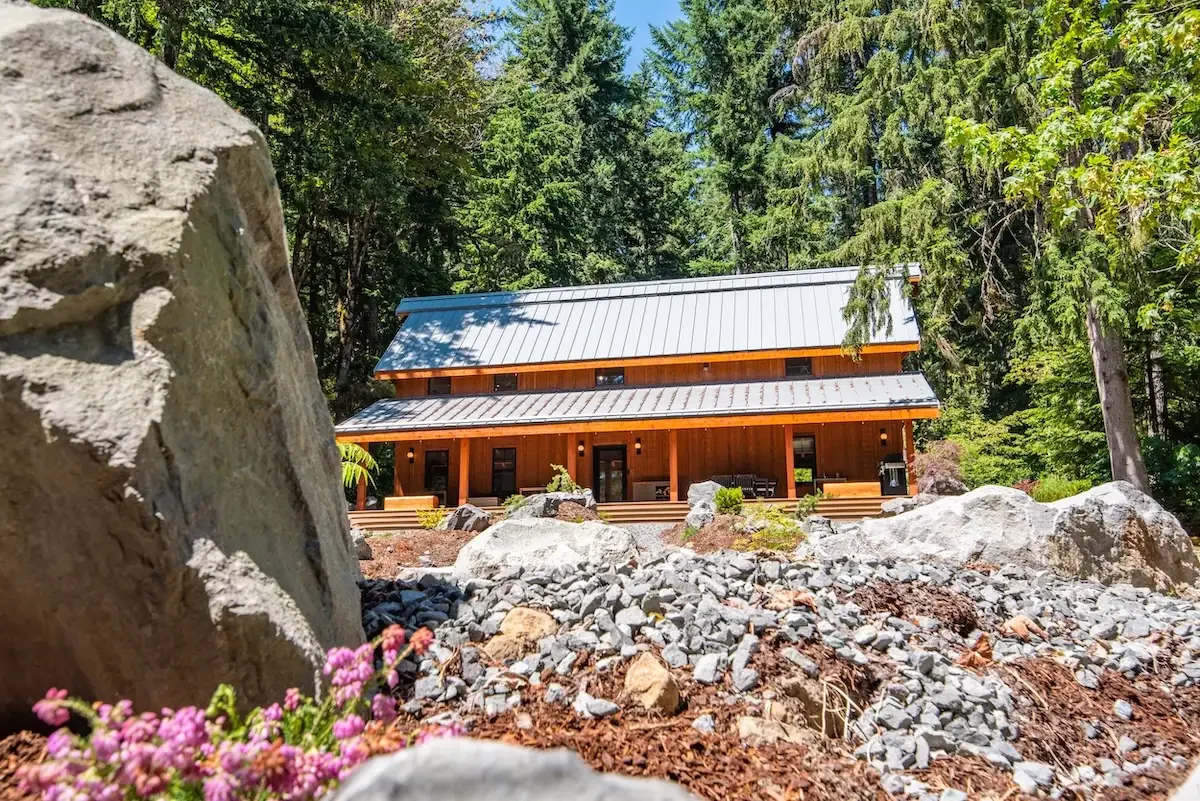
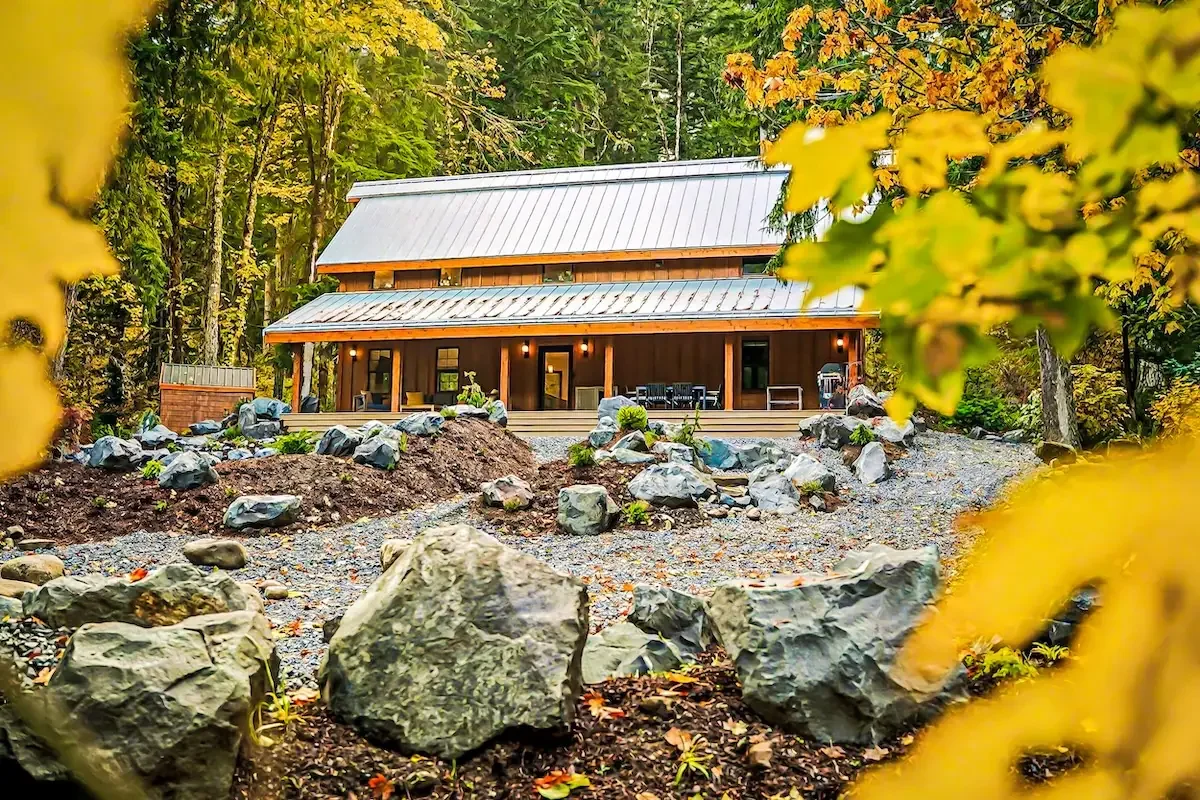
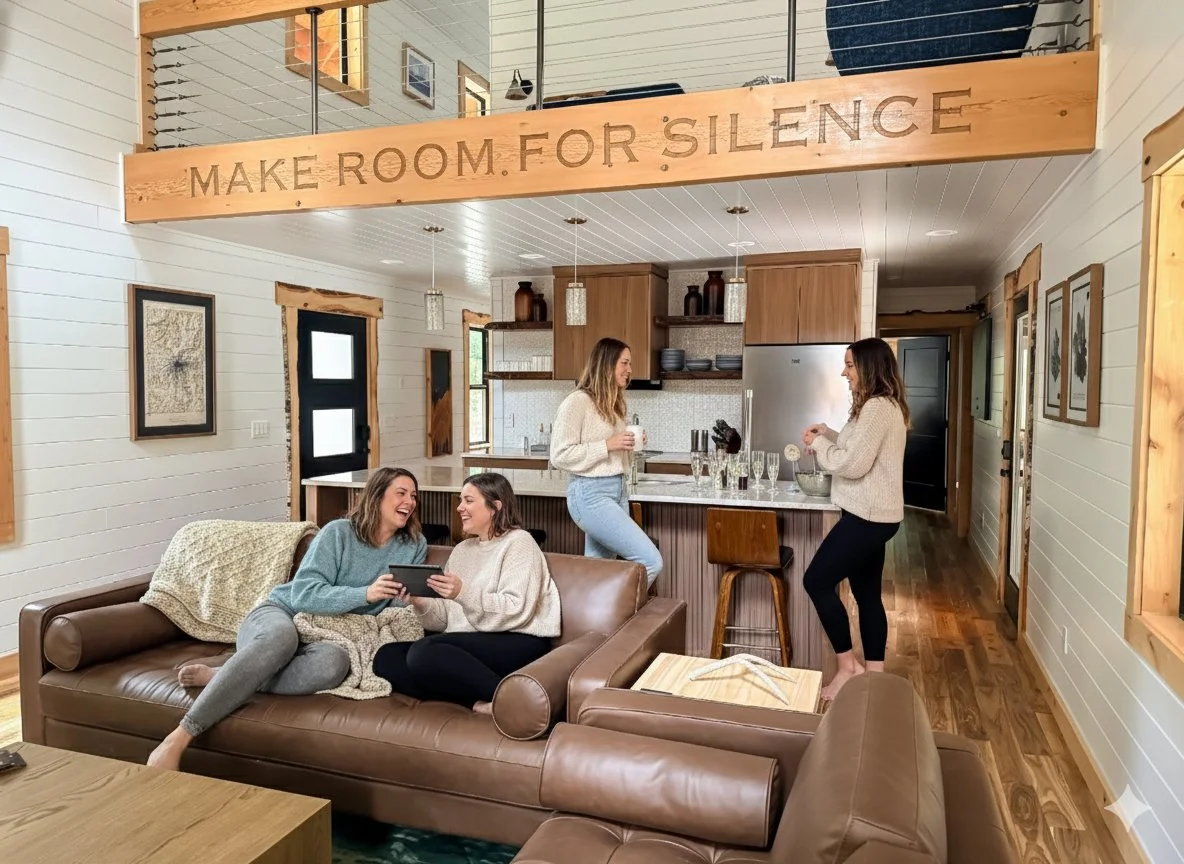
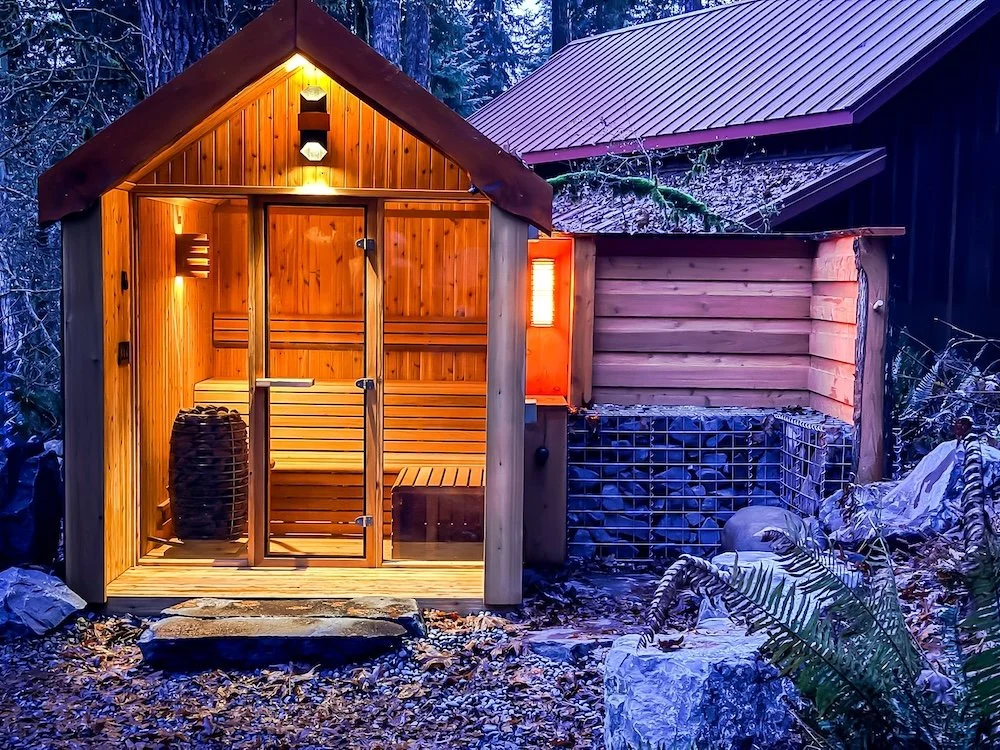
Staying close to the Nisqually Entrance — as guests do at Fjellsangin, just minutes from the gate — makes it easy to visit during quieter hours, head into the park for a morning and return by lunch, or make a spontaneous late-afternoon drive when the light turns golden. Your visit unfolds naturally, with time to explore and time to rest, rather than feeling like you're always commuting.
The Simplest Advice We Can Give
For first-time visitors, the most meaningful experiences at Mount Rainier almost always come from doing less — not more. Choose one area. Allow flexibility. Embrace the weather, whatever it brings. Build rest into your days. And trust that the mountain will show you exactly what you need to see, in its own time and on its own terms.