Built Into the Trees: Fjellsangin Featured Online in Seattle Magazine
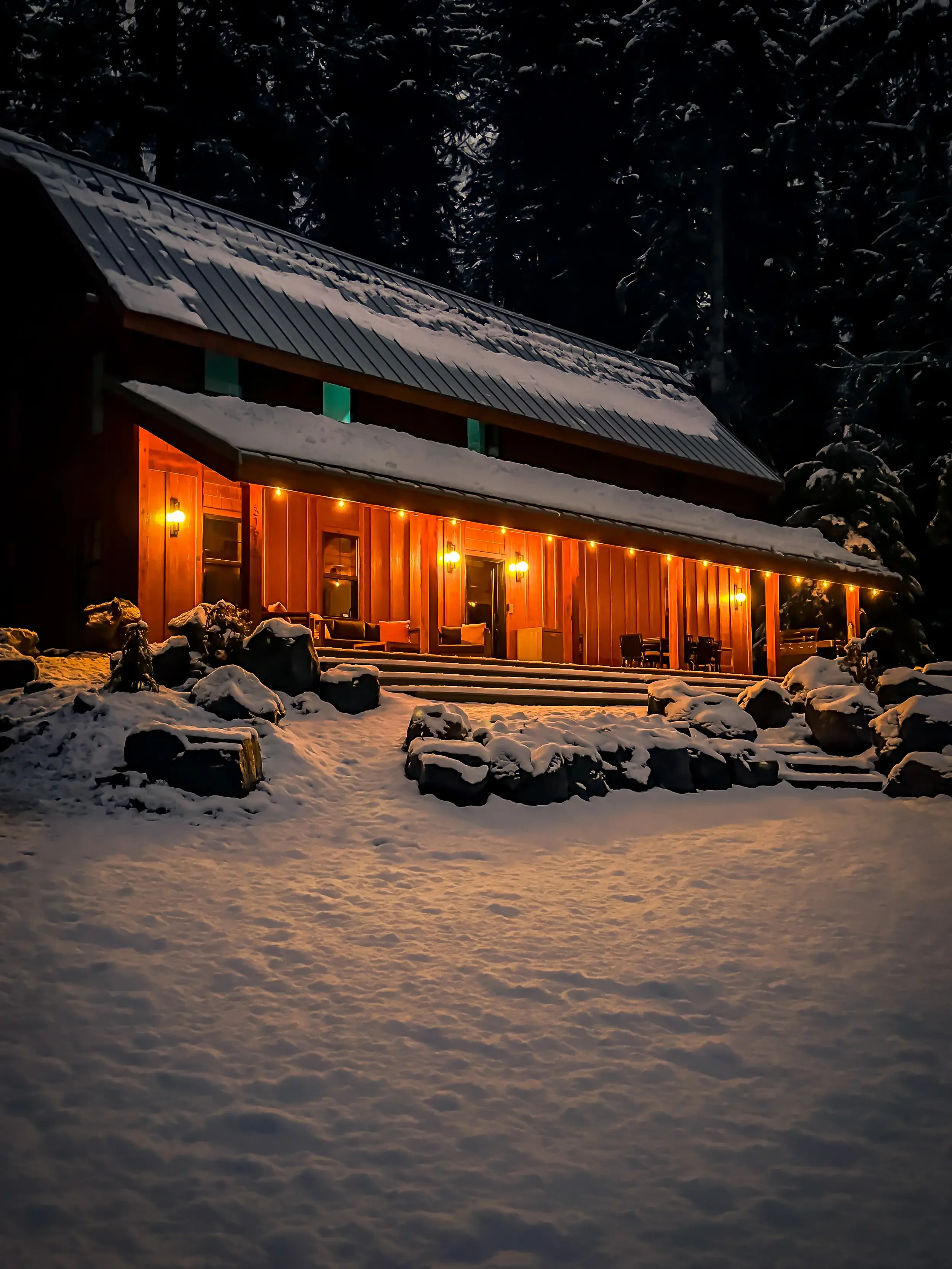
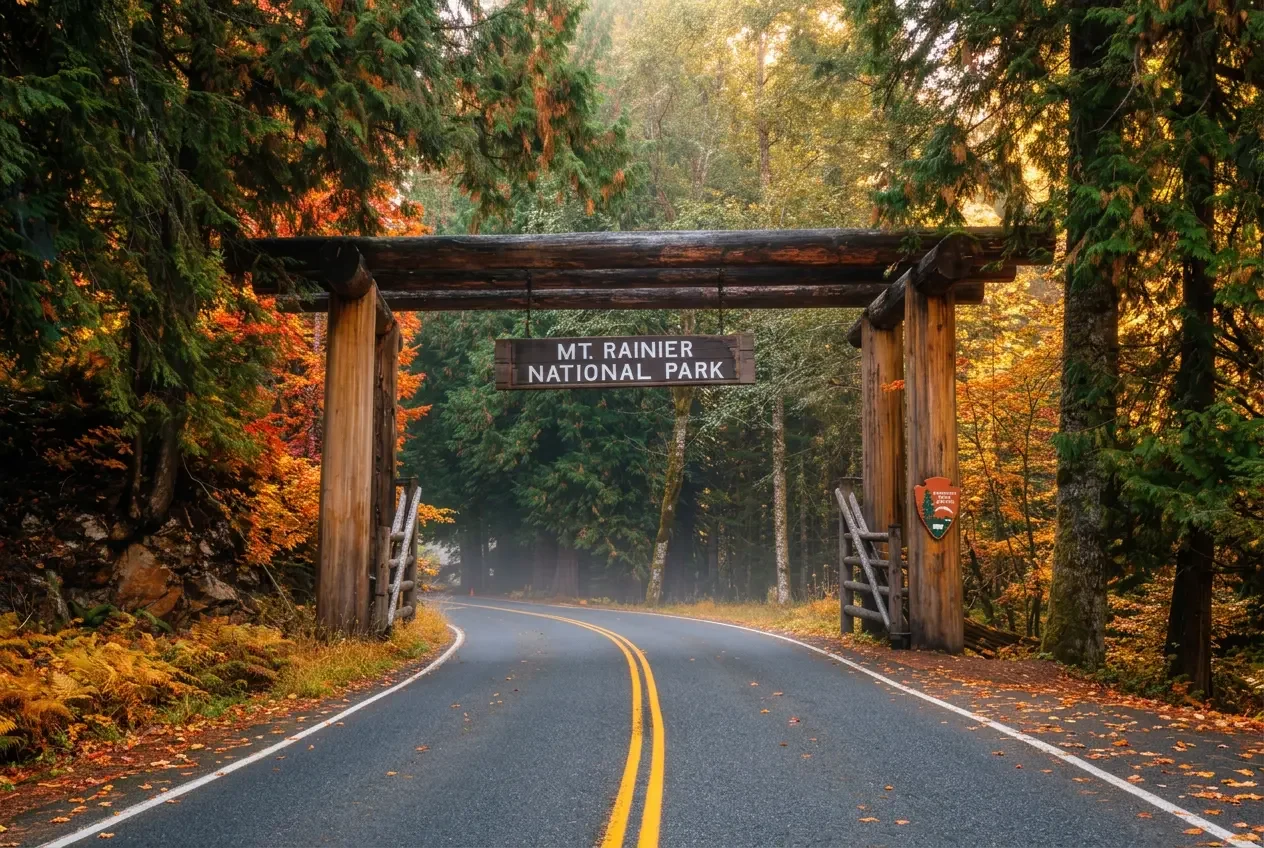
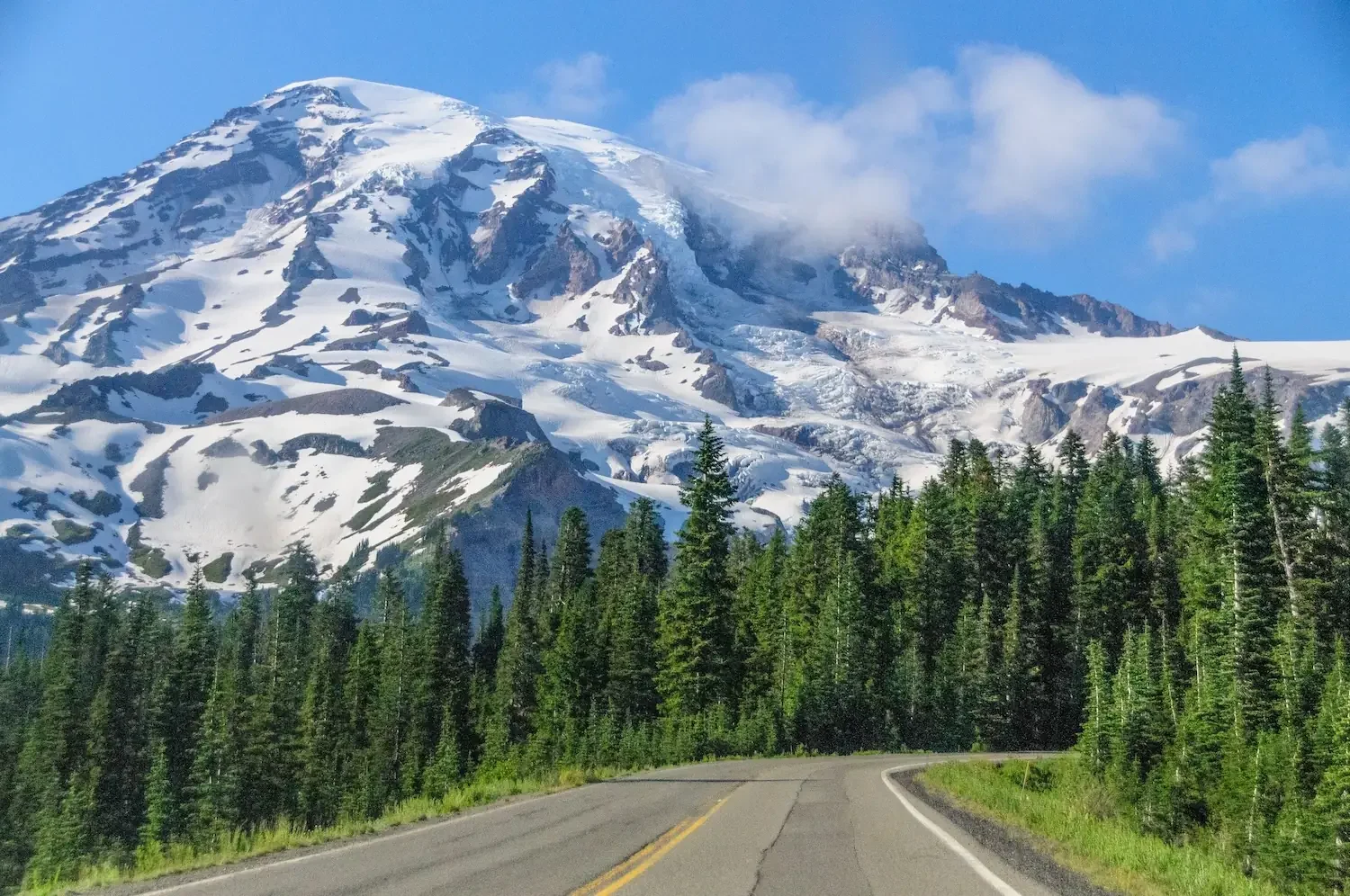
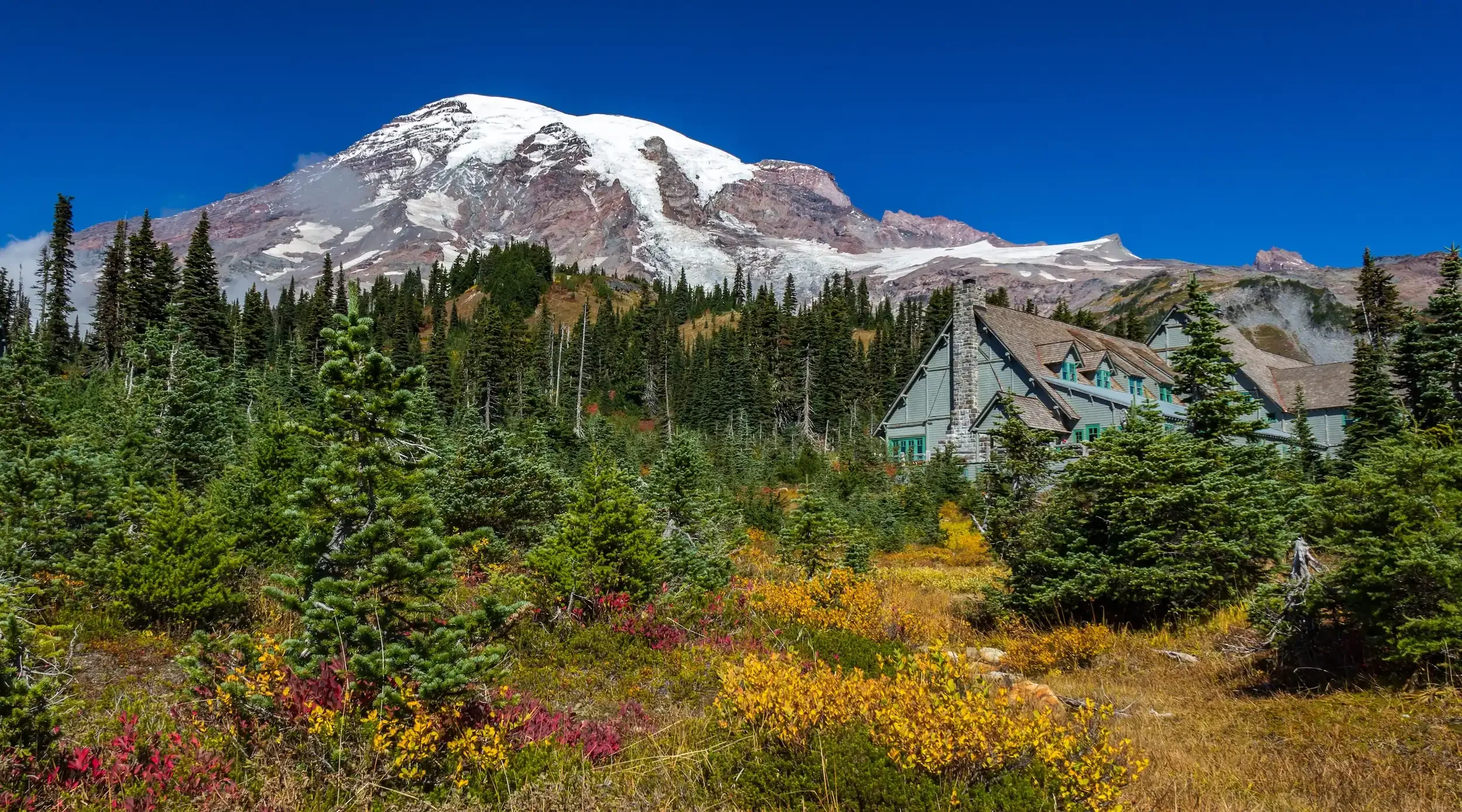
Before there was a cabin, there was a mobile home on a piece of land at the base of Mount Rainier.
The property was surrounded by permanently protected cedar and Douglas fir — the kind of trees that make you tilt your head back and lose your sense of scale. The canopy was so dense it filtered the light into something green and soft, even in the middle of the day. The quiet was the first thing you noticed. The second thing was the trees — towering, ancient, and so deeply rooted in this place that they made everything else feel small.
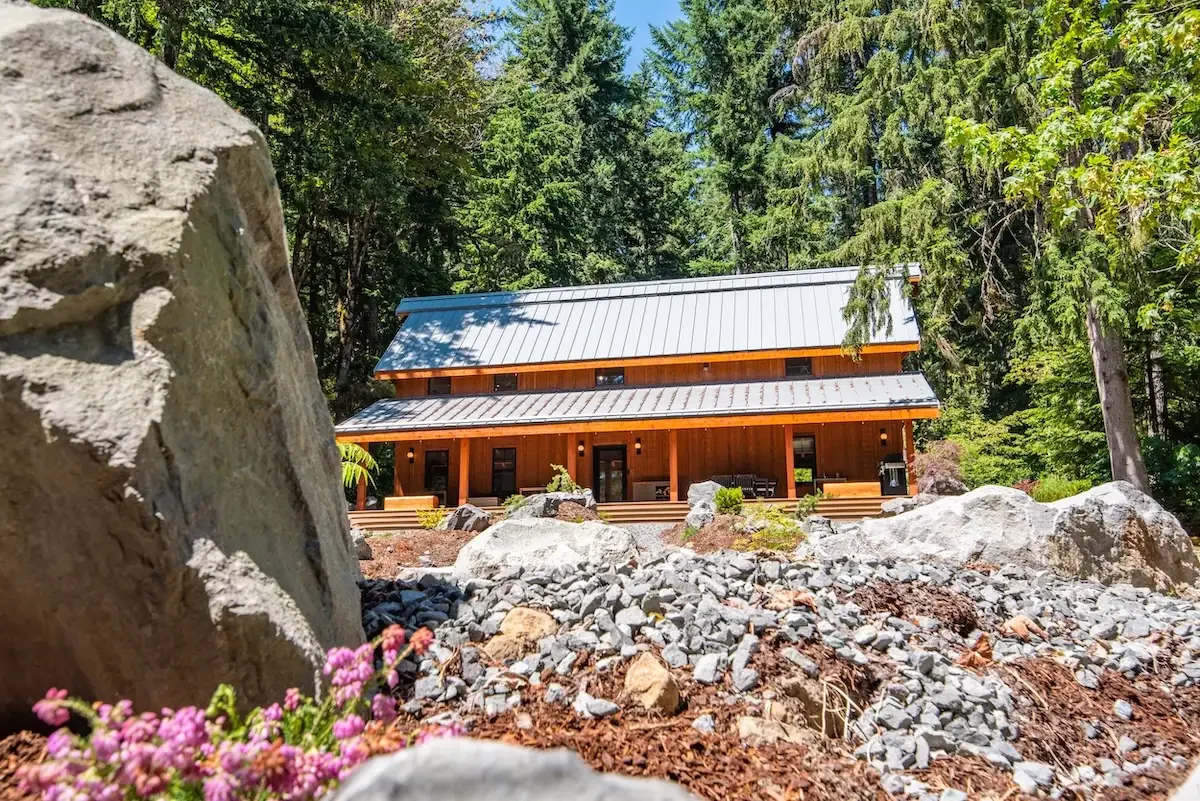
Standing on that land, the vision came quickly: a home that could match the gravity of what was already growing here. Something designed to sit among the trees as if it had always been part of the forest. That instinct — to build into the landscape rather than on top of it — shaped every decision that followed. And this winter, when Seattle Magazine featured Fjellsangin on their digital platform as part of their coverage of distinctive Pacific Northwest getaways, the phrase they used was the one we'd always hoped someone would land on: built into the trees.
You can read the full feature here.
The Design Philosophy Behind the Phrase
When people ask about the design of Fjellsangin, I usually start with what we chose not to do.
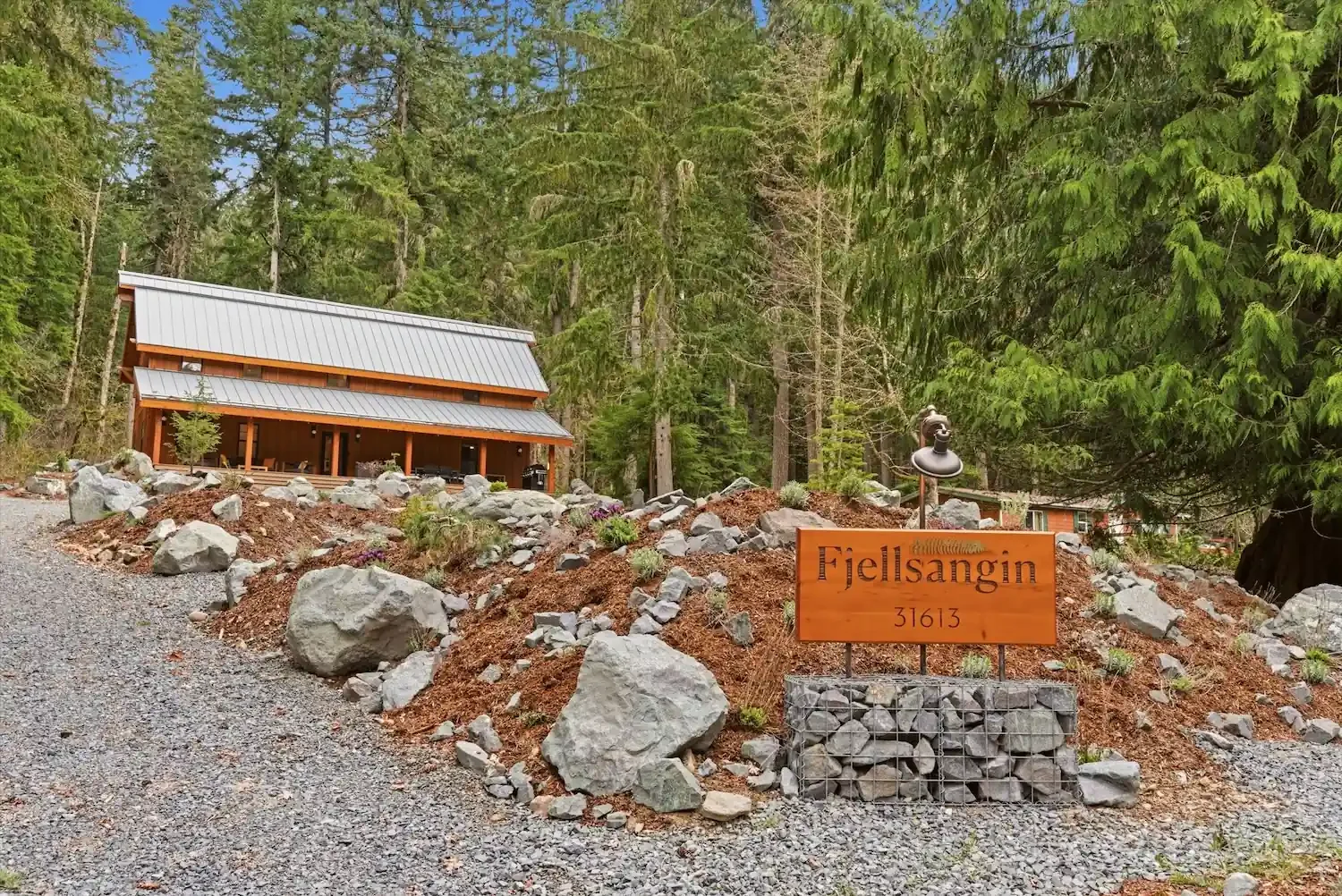
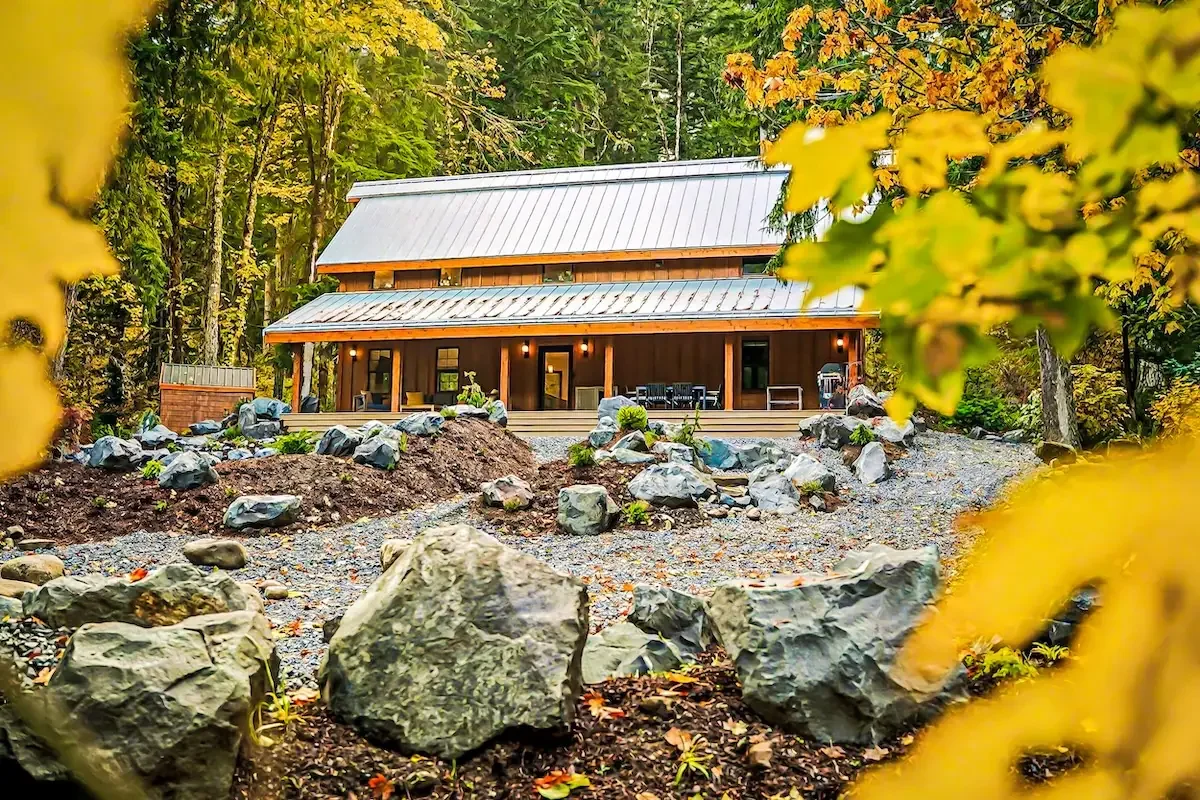
We didn't clear the lot to create a postcard view. We didn't build something that announces itself from the road. We didn't choose materials that would age away from the landscape or finishes that would fight the light. The goal from the very beginning was restraint — a cabin that felt like it had always been here, as if the forest had simply made room for it.
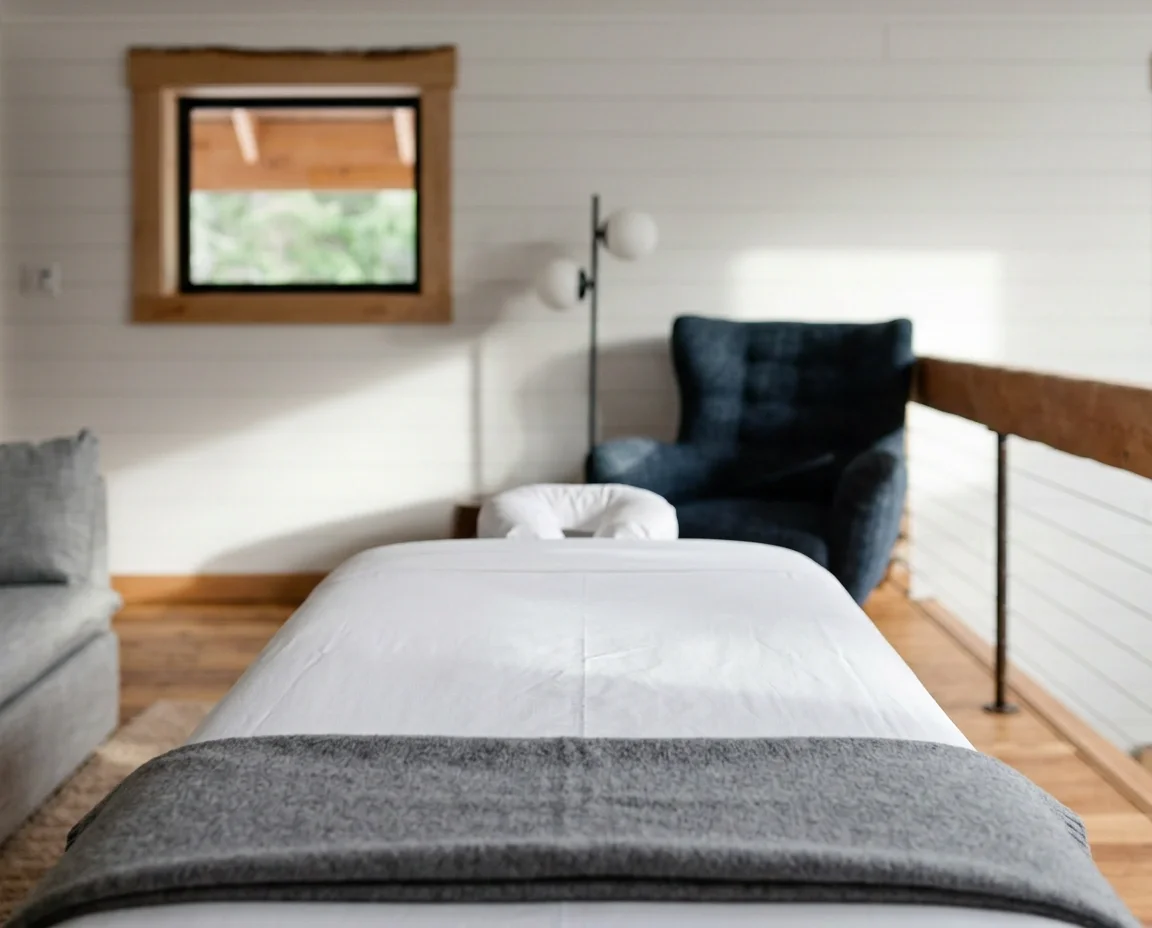
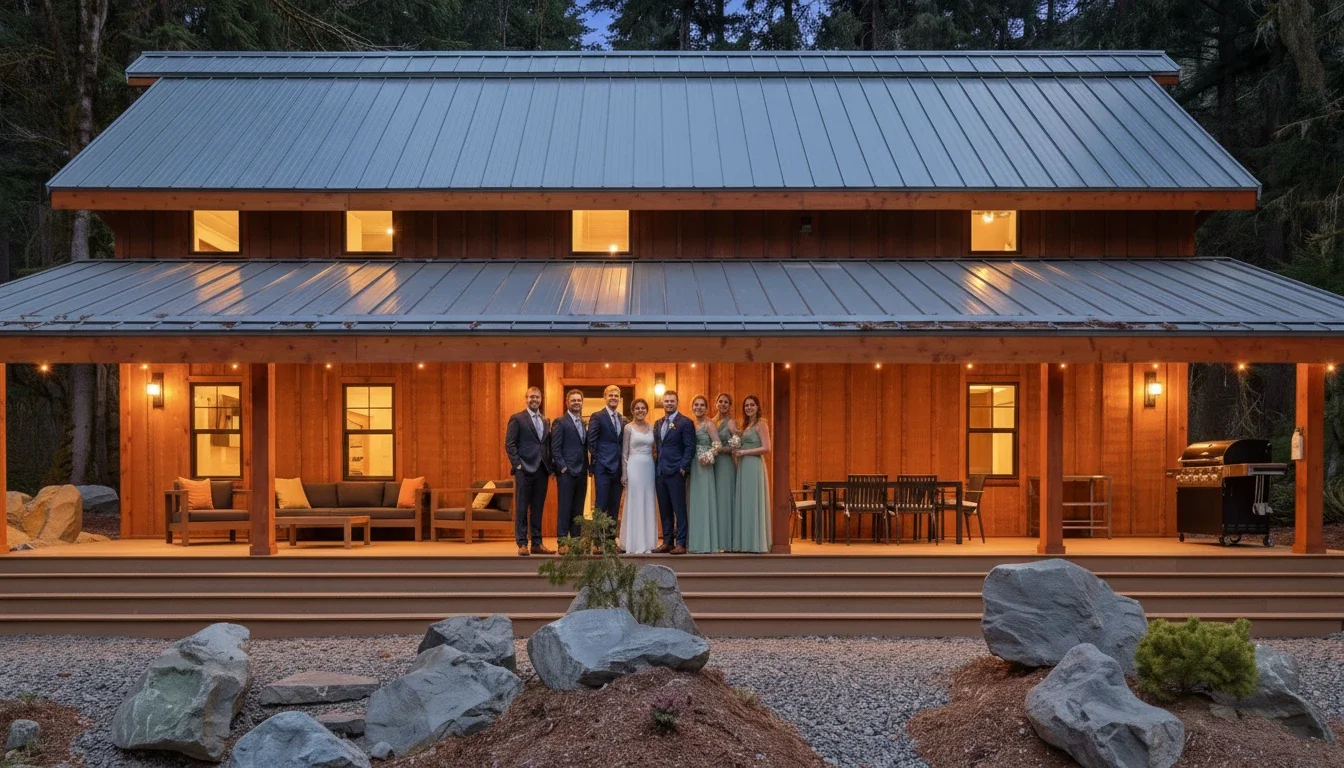
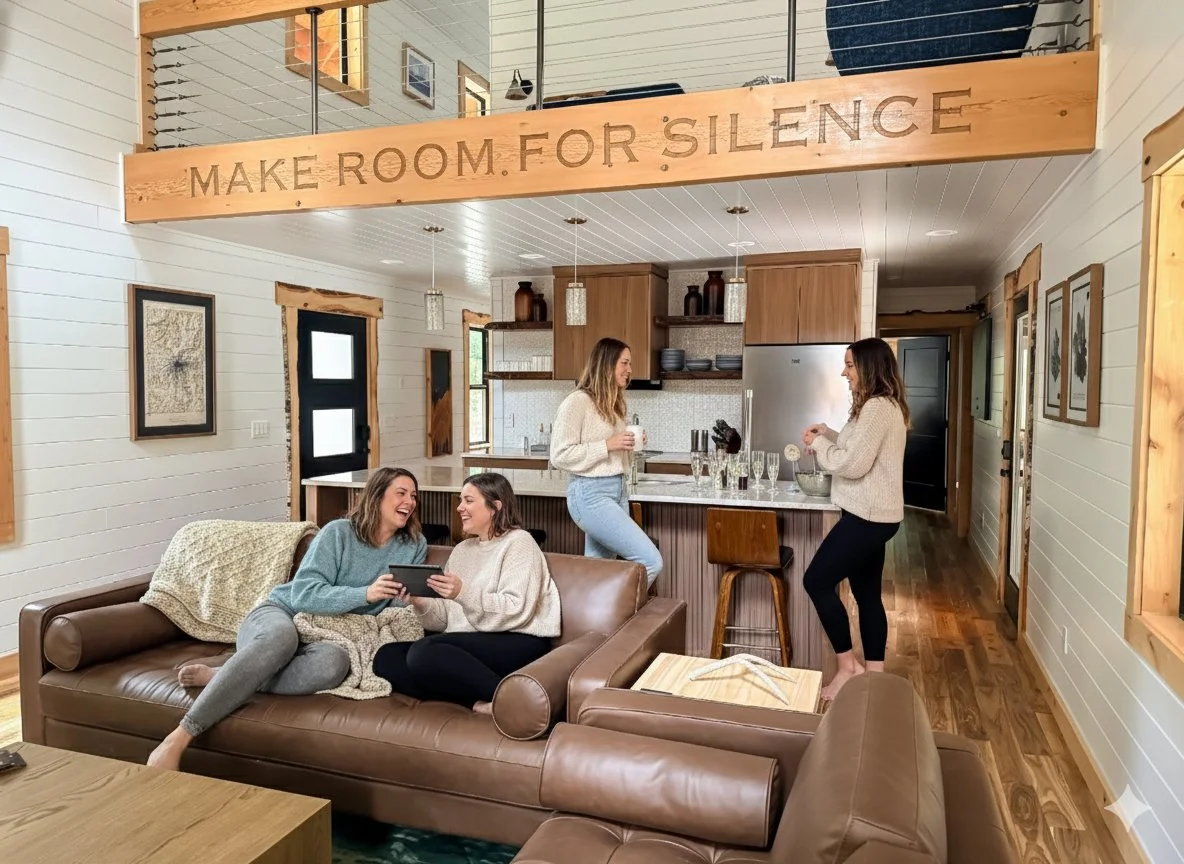
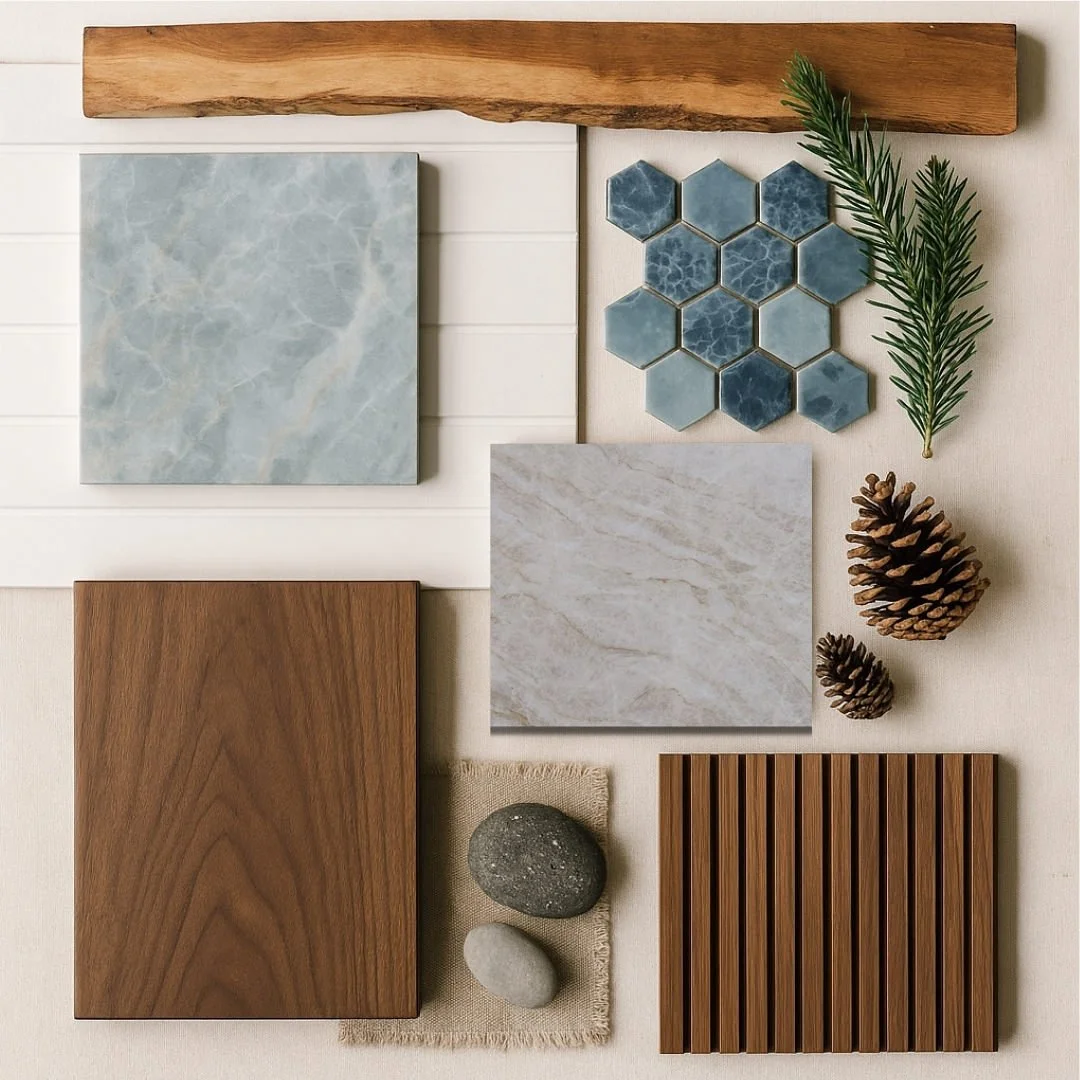
The architecture leans mid-century in its interior spirit: clean lines, large windows, and an open floor plan that invites light and movement. Outside, the cabin is clad in Woodtone cedar board-and-batten and shakes — materials that weather naturally and blend into the surrounding forest rather than standing apart from it. But the soul of the space belongs entirely to this particular piece of the Pacific Northwest. Locally sourced wood layers warmth through every room. The color palette mirrors what's just outside — moss, bark, stone, the silver-blue of overcast sky. The exterior was designed to recede into the trees rather than stand out against them, so that arriving at Fjellsangin feels less like pulling up to a rental and more like discovering something the forest has been keeping.
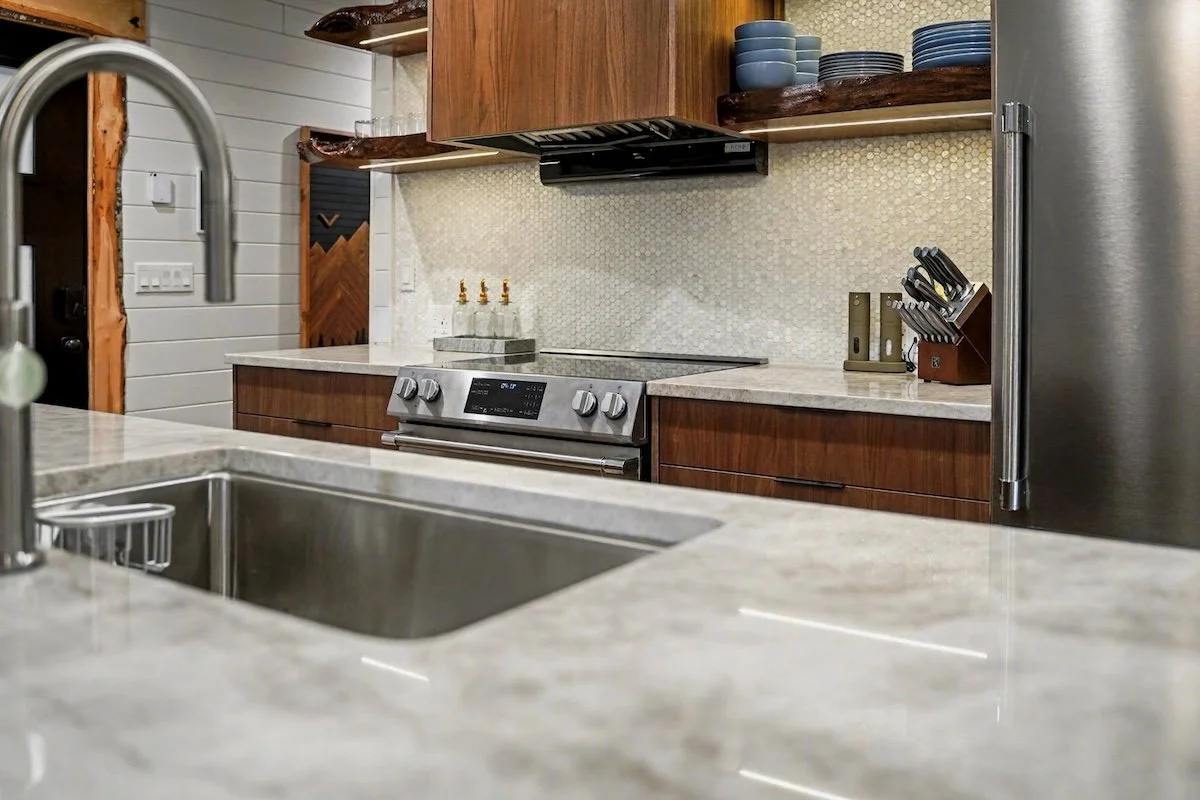
That philosophy extended into every material choice, every texture, every surface. I wrote about the deeper thinking behind our approach in our post on sustainable mountain hospitality, and the full story of the materials themselves — the live-edge alder, the walnut, the quartzite that shifts with the light — lives in Material Stories.
But the throughline is always the same question, asked hundreds of times throughout the build: Does this belong here? Does this feel like the forest? Will this age the way the forest ages — with warmth, with texture, with grace?
What “Built Into the Trees” Actually Means
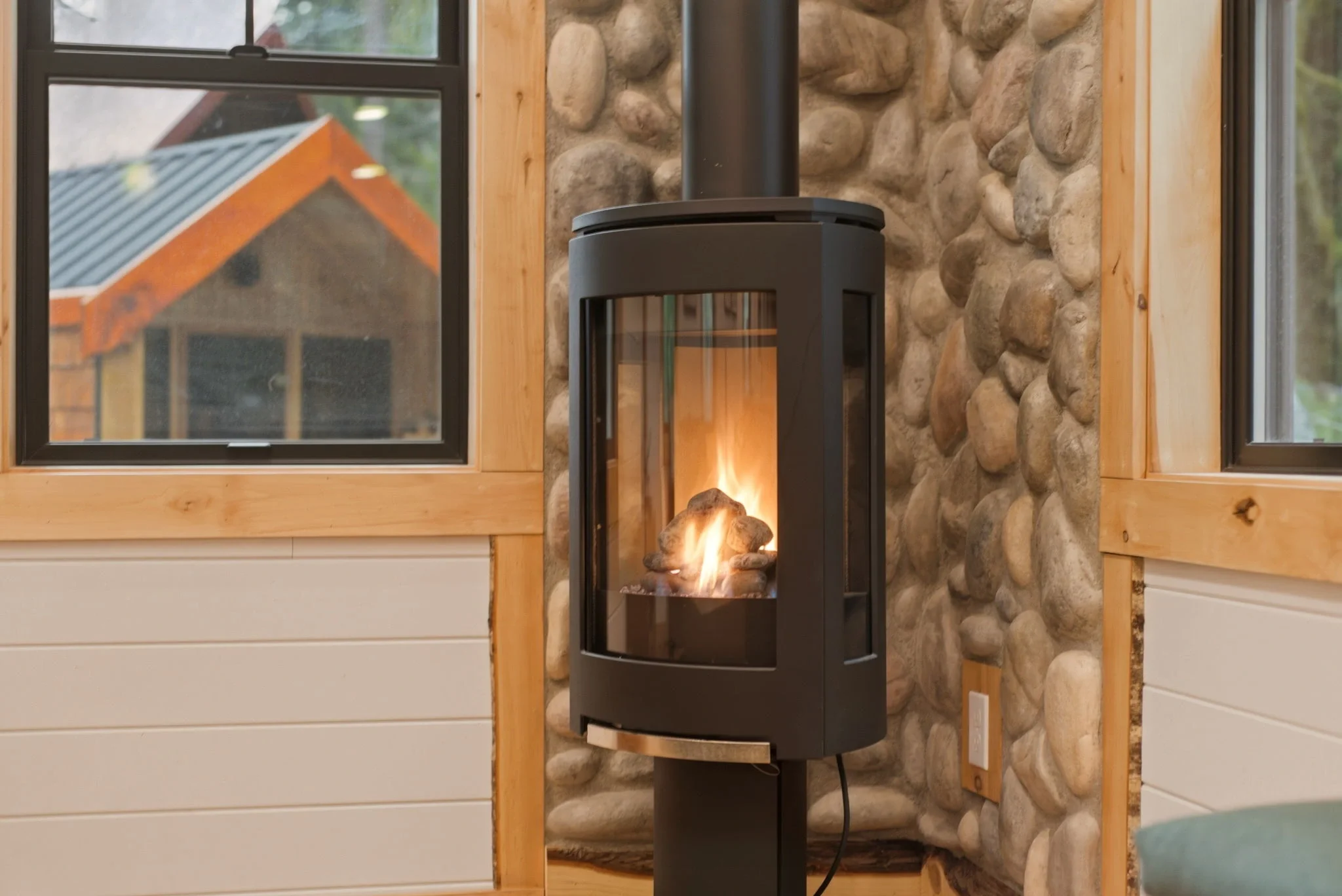
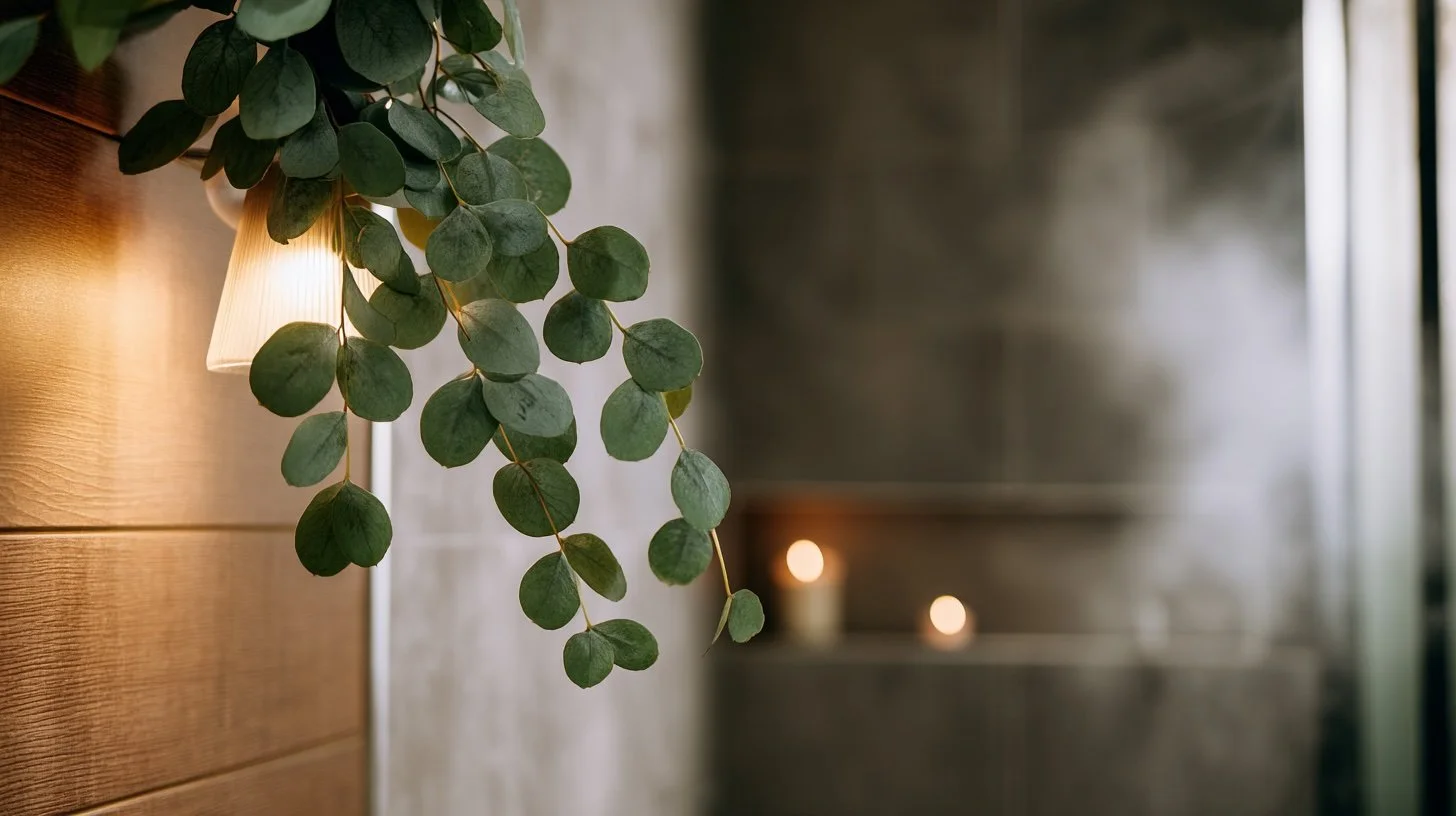
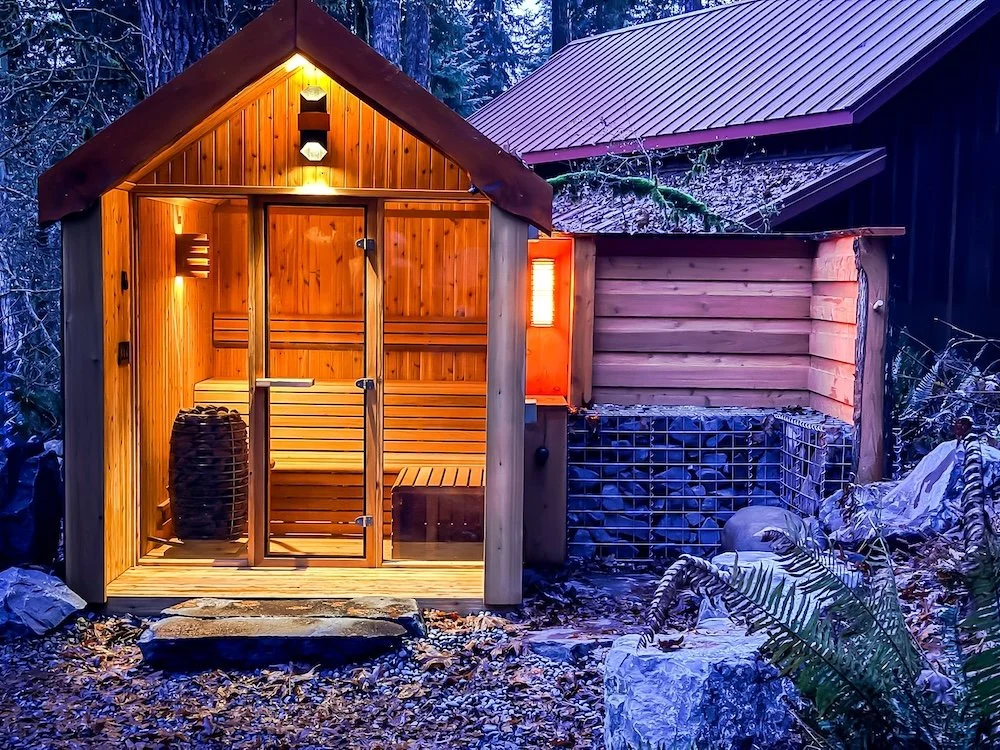
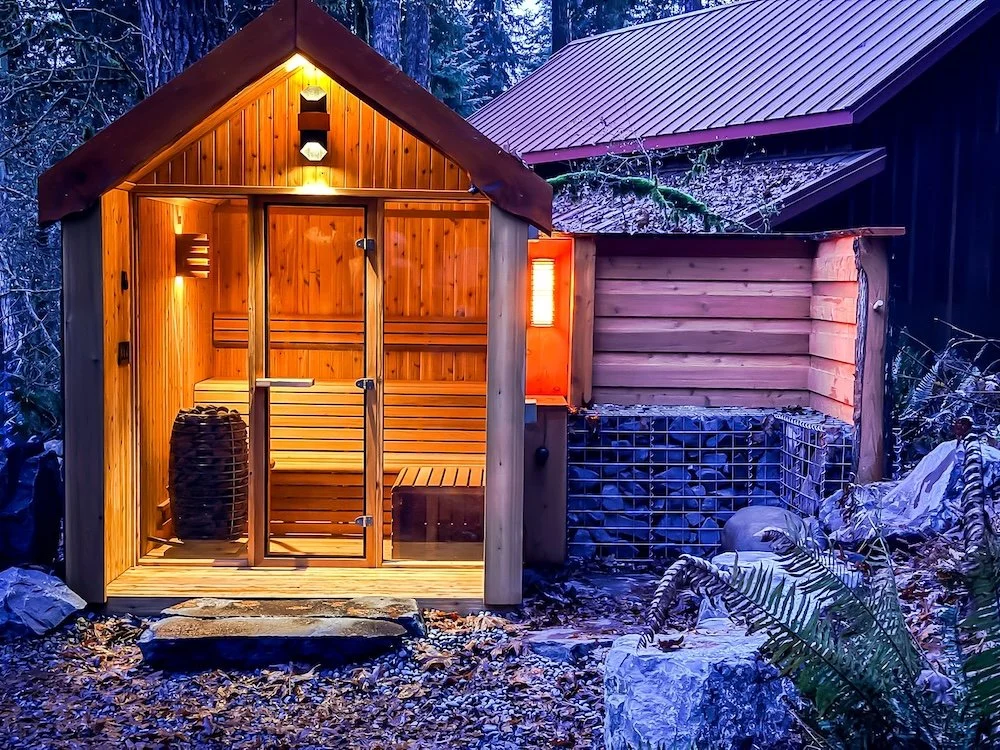
Integration as a design philosophy is easy to say and harder to execute. It means your frame choices are driven by what’s outside the glass, not by what looks good in a product catalogue. It means the fireplace is a Jøtul because the proportions work with the room, not because it was the obvious luxury choice. It means the cedar-lined sauna sits in the trees rather than facing the parking area.
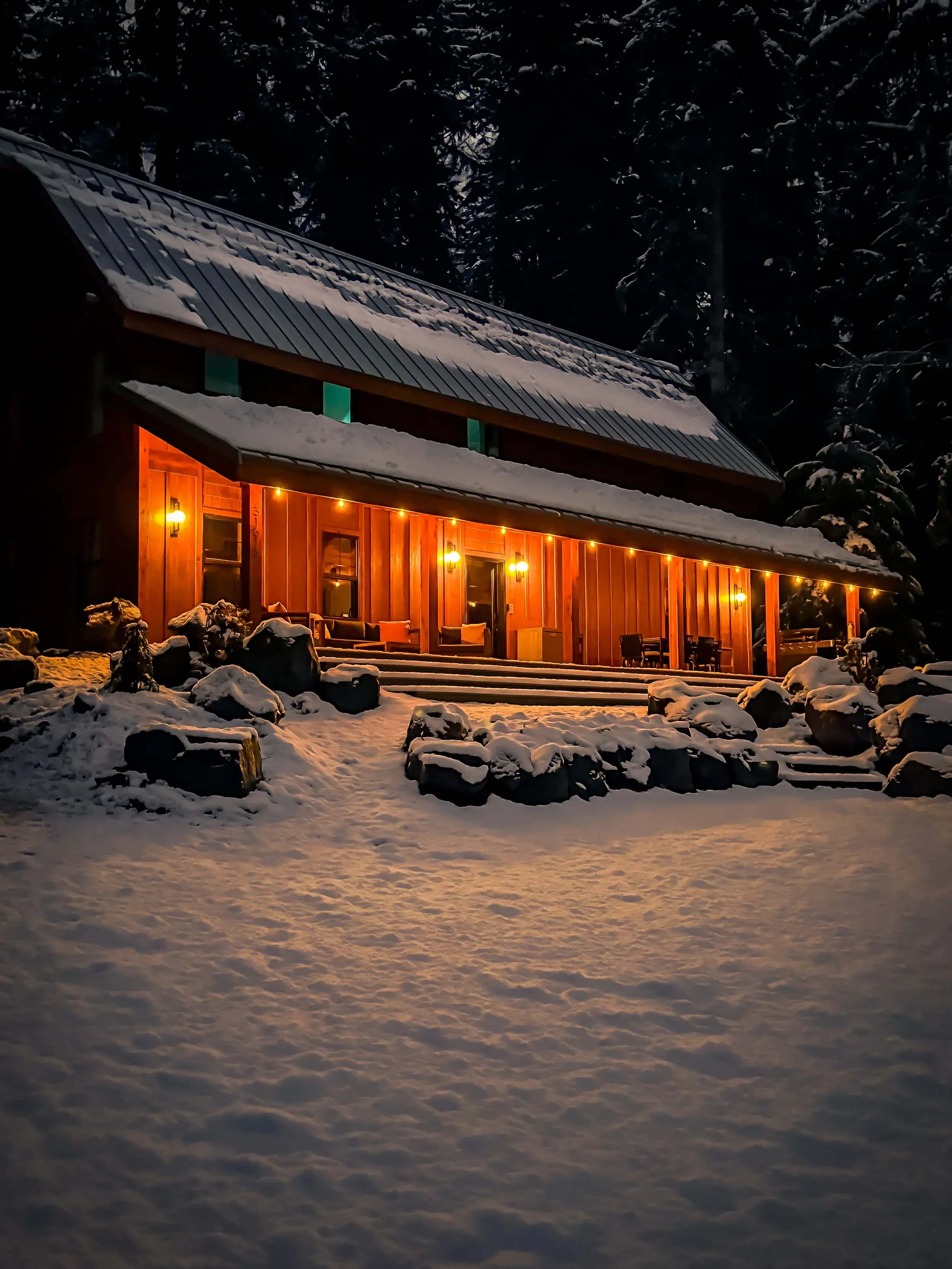
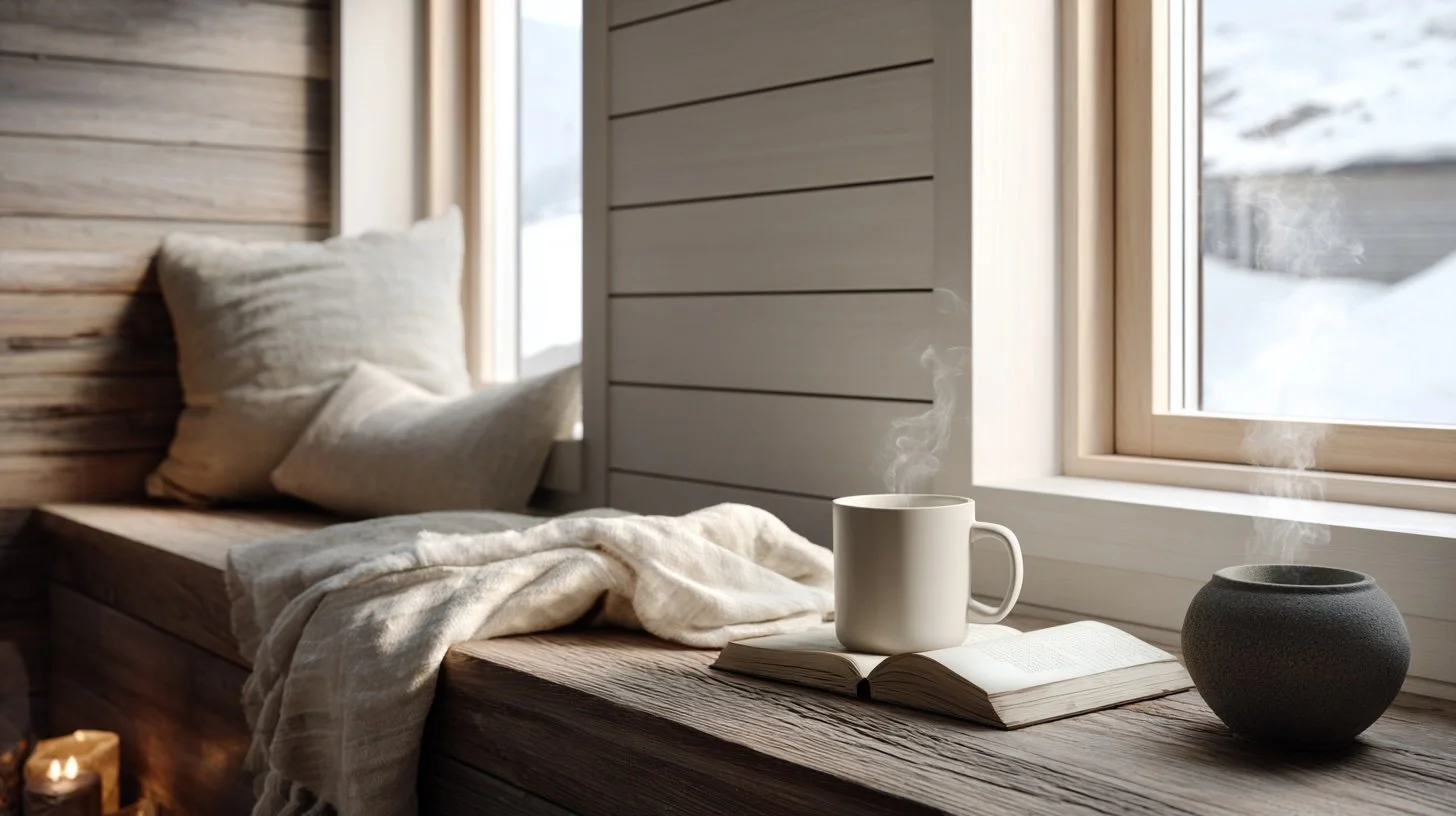
Every detail was filtered through one question: how does this feel when snow is coming down outside? When you’ve just come in from the cold? When the light at 4 pm in January is already low and amber through the tall windows?
That philosophy carries through everything, including our approach to sustainable mountain hospitality — the idea that a cabin built with honest materials, close to the land, is inherently more sustainable than one that borrows an aesthetic from it.
Fjellsangin was designed to stop you in your tracks the moment you walk through the door — and then keep revealing itself the longer you stay. The walnut cabinetry catches your eye first. The live-edge alder frames every window that you notice. The way the light shifts across the quartzite throughout the day. The cedar scent deepens when the sauna heats up. The forest sounds different in the morning than it does at night. It's a place that earns the initial "wow" and then quietly earns it again, in smaller ways, for the rest of your stay.
That's harder to build for than beauty. And it's harder to describe in a headline. So when someone else finds the words, it matters.
Slow Stays, Designed In
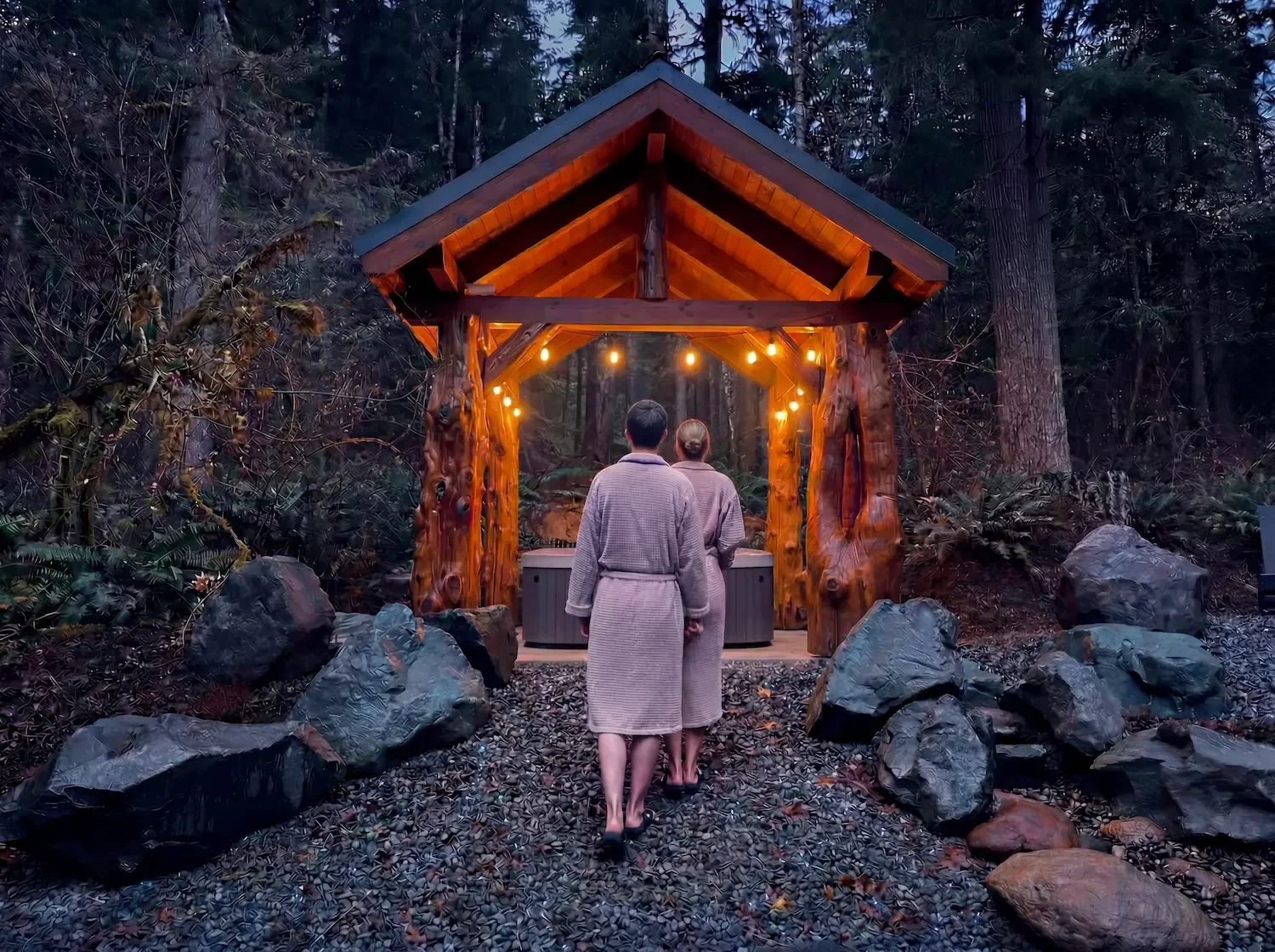
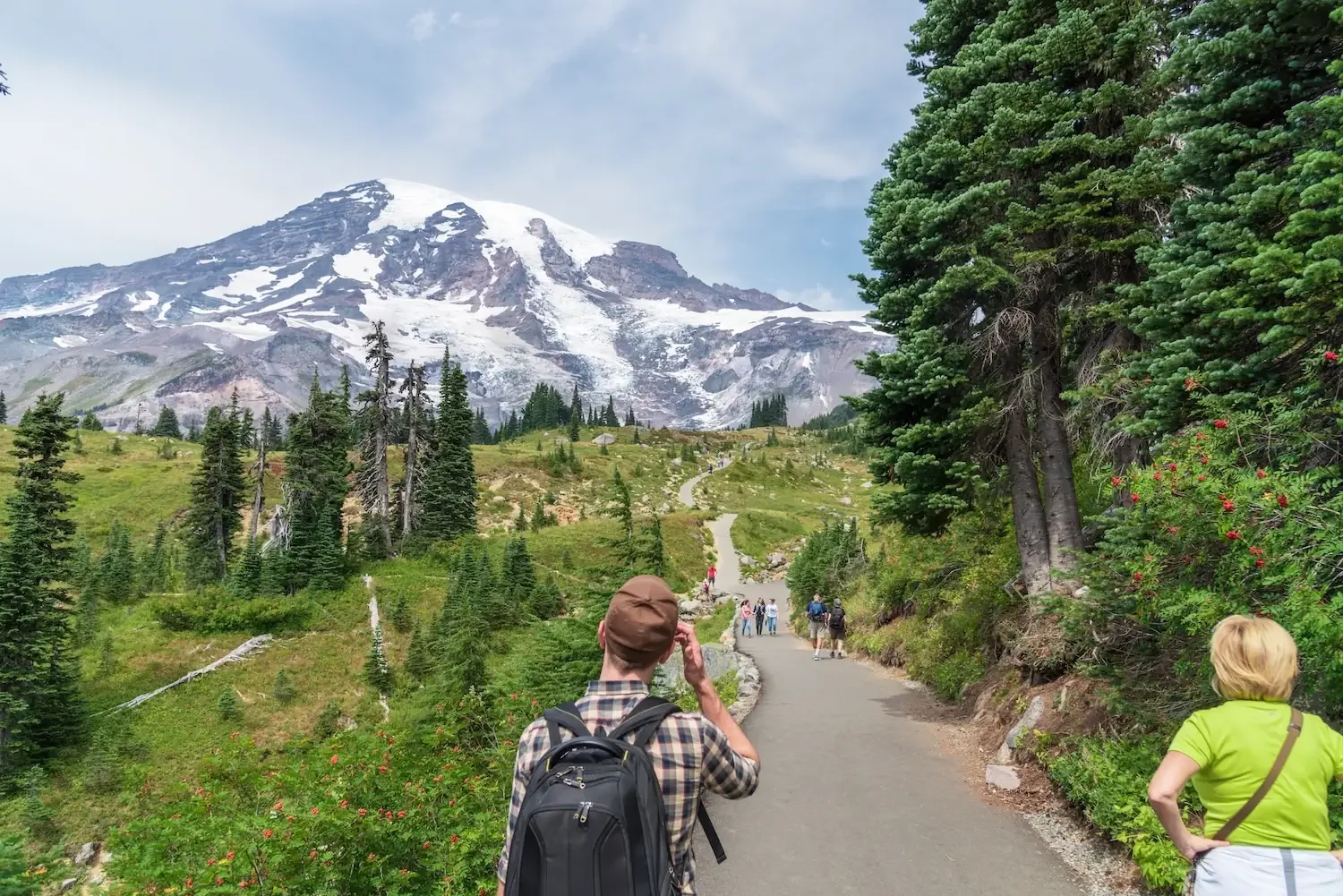
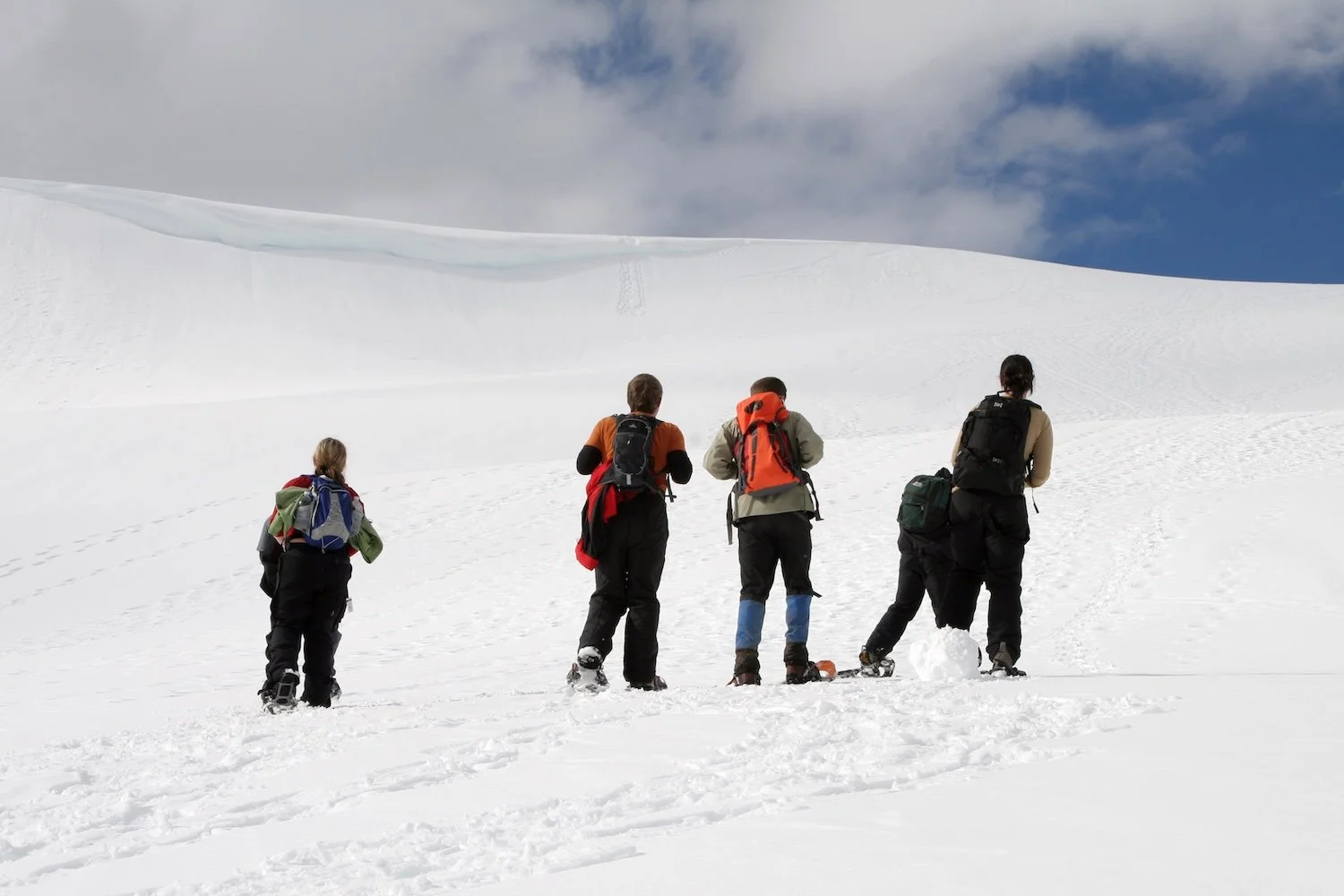
Fjellsangin was never designed as a launching pad for activities. The sauna is there when you want it. The Jøtul runs on a low flame during long evenings. The Sparkle Bar is on the kitchen counter, ready without requiring anything. The cedar-lined sauna and the hot tub pavilion Lee built from cedar posts are for the evenings after hiking, after driving up toward Paradise, after a morning on the best trails on the Nisqually side.
The design is intentionally restorative. We wanted a place where slowing down was the easiest thing to do, not the hardest.
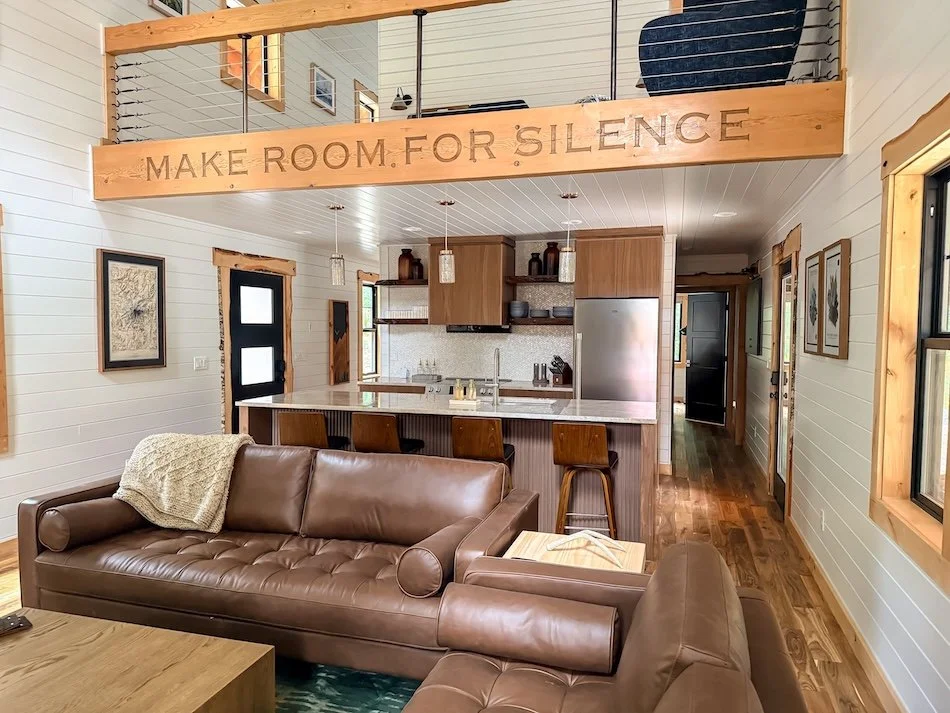
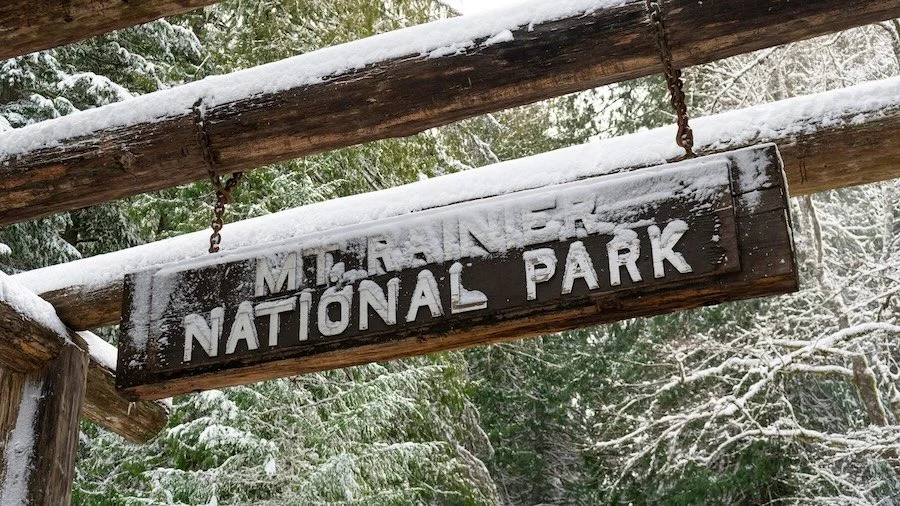
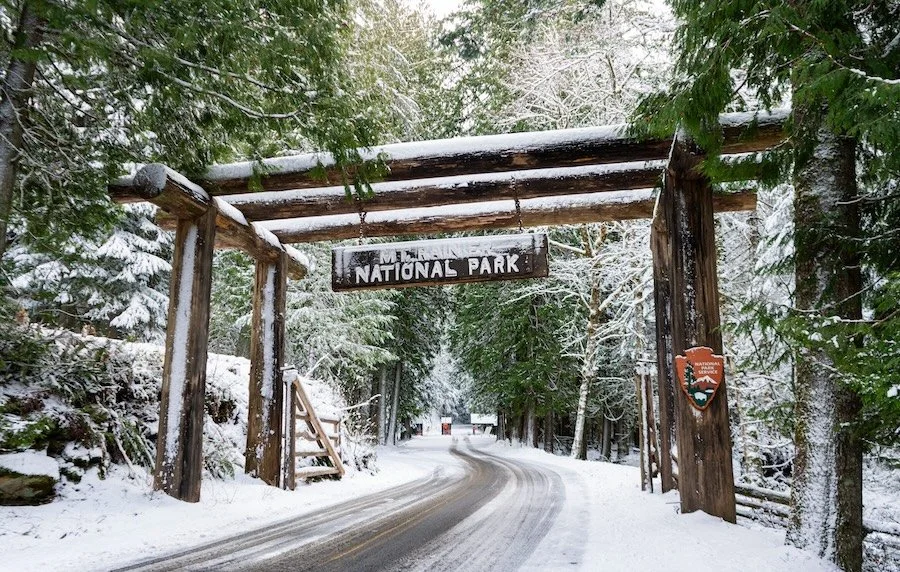
Being featured by Seattle Magazine is an honor, and we’re grateful. But what makes this place feel alive on a daily basis are tthe guests who wake up early to watch fog move through the forest, who discover the carved beam that reads “Make Room for Silence,” who come back to the cabin after a morning in the park and don’t need the afternoon to go anywhere.
If you’ve been considering it, availability is here. The forest is waiting.
I think what surprised me the most about the impact of a detail in the finished cabin is the high impact of the live-edge trim. We get so many comments on it. And to think, my original idea was to have straight edges and paint!