
The Nordic Cycle at Home: How to Recreate the Sauna Ritual Anywhere
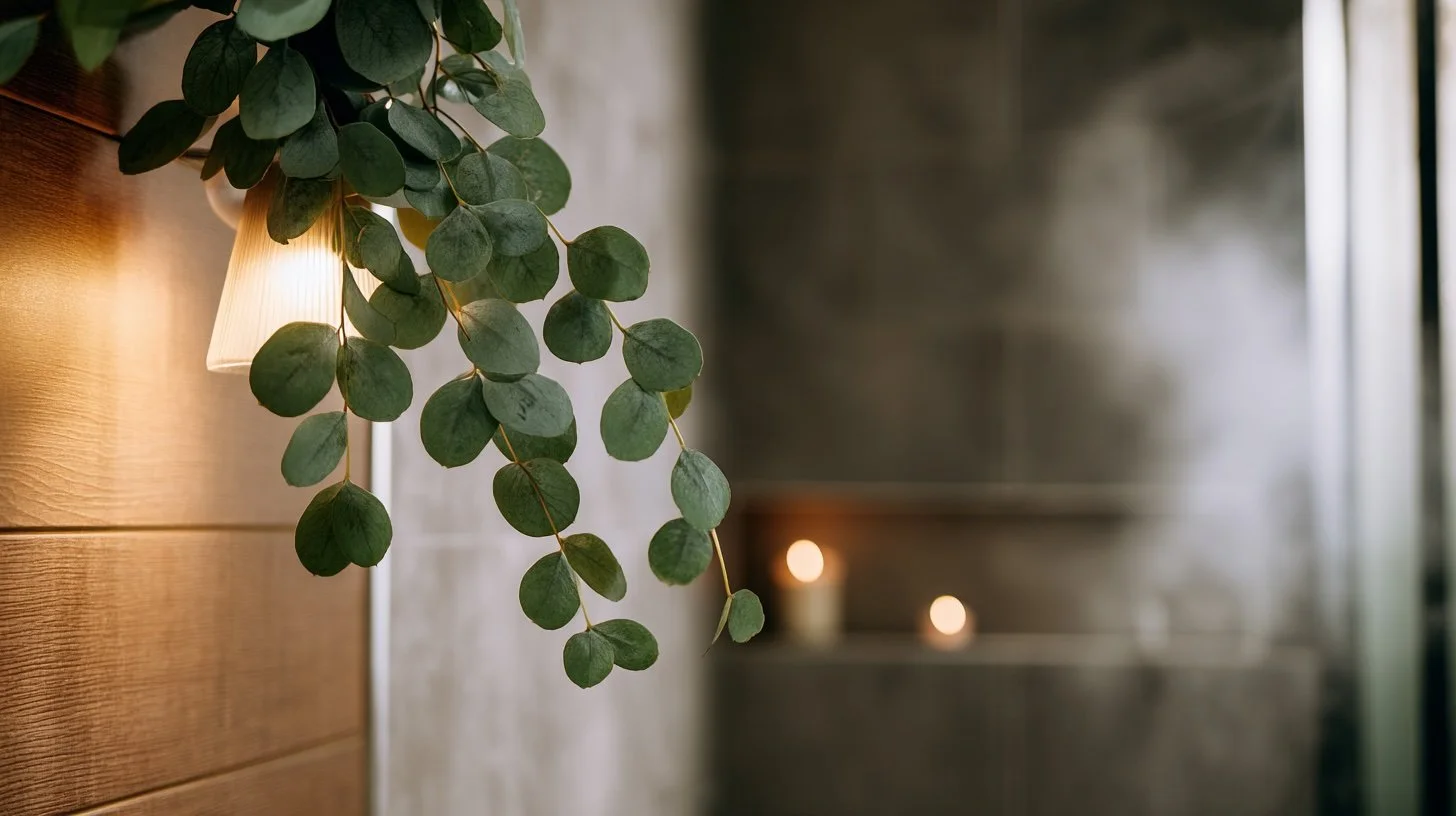
The Nordic cycle — heat, cold, rest, repeat — has been practiced across Scandinavia for centuries. Most people associate it with a wooden sauna in the snow, lake plunges, and birch branches. The setting is real, and it helps. But the core of the ritual isn’t the sauna. It’s the contrast, the intention, and the pause.
Those things are available anywhere.
What the Nordic Cycle Actually Is
The rhythm is simple: heat the body, introduce brief cold, rest fully, repeat if it feels supportive. Each phase has a function.
Heat relaxes muscles and increases circulation. It opens the breath and, if you let it, quiets mental chatter. Cold gently stimulates the nervous system and sharpens alertness without the spike of caffeine or stress. Rest is where the integration happens — the nervous system recalibrates, the contrast settles, and the body returns to balance.
At Fjellsangin, the cedar-lined sauna and the cold outdoor air do the work naturally. The Art of the Sauna post goes deeper into the cultural roots and what the practice feels like in the trees. Add the Sauna Ritual Kit to your stay and it’s waiting when you arrive.
How to Recreate It at Home
Heat
A long hot shower, a warm bath, a steam room if you have access. Lower the lights, slow your breathing, and give the heat time to work — five to fifteen minutes is enough. Adding scent deepens the experience. Eucalyptus and birch are traditional; a shower steamer or a few drops of essential oil works fine. The point is to signal to your body that this is a ritual, not just hygiene.
Turn the shower cool for thirty to sixty seconds. Step outside briefly if the weather allows. Rinse your face or wrists with cold water. The cold doesn’t need to be extreme or prolonged — the shift is what matters. Breathe steadily through it and return to warmth when your body asks.
This is something many people skip, but it is so important to the whole cycle. It is what allows your body to make the most of the process. It is a bit of a shock to the system in the first round, but by the end of the cycles, you are almost looking forward to it because it feels so good.
Rest
This is the part most people skip. After heat and cold, wrap yourself in something warm and sit or lie down in a quiet place. No screens. This is when the nervous system does its work. Ten to twenty minutes of stillness, journaling, gentle breathing, or simply watching light change through a window.
If mornings feel like the right time for this, the Morning Reset post has a complementary approach built for slow starts.
Repeat
Some people do two or three rounds. One is enough if that’s what your body wants. The ritual should feel restorative, not performed. Stop when you’re satisfied, not when you’ve hit a target number.
Why Atmosphere Matters
The Nordic cycle is a sensory practice. Soft lighting, quiet, natural textures, the absence of urgency — all of these signal to the nervous system that it’s safe to rest. This isn’t an optional atmosphere. It’s part of the mechanism.
This is why the cedar-lined sauna at Fjellsangin sits in the trees rather than adjacent to the parking area, why the outdoor shower has a glacial boulder seat rather than a drain cover. Design that supports slowness is explored more in the Designing Fjellsangin post.
A Note on Safety
Stay hydrated. Avoid extreme temperatures. Stop if you feel dizzy or unwell. If you have cardiovascular conditions, check with a healthcare provider before starting cold exposure. The ritual should feel supportive. If it doesn’t, you’re pushing too hard.
More Stories from Fjellsangin
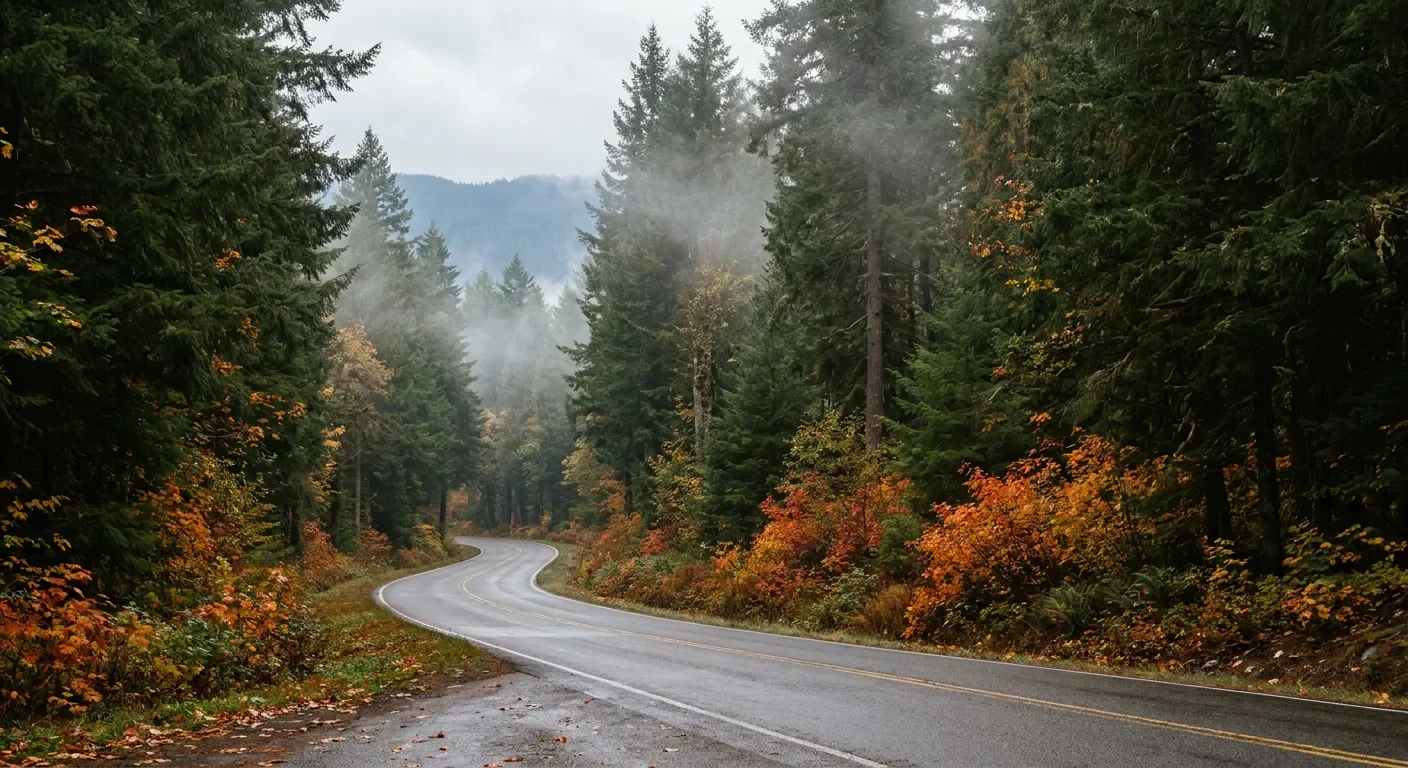
Stevens Canyon Road closes October 26, and with it the drive past Reflection Lakes. Here are Mount Rainier's 2026 fall road closures, the last weekend for each, and why the road from Ashford to Paradise isn't on the list.
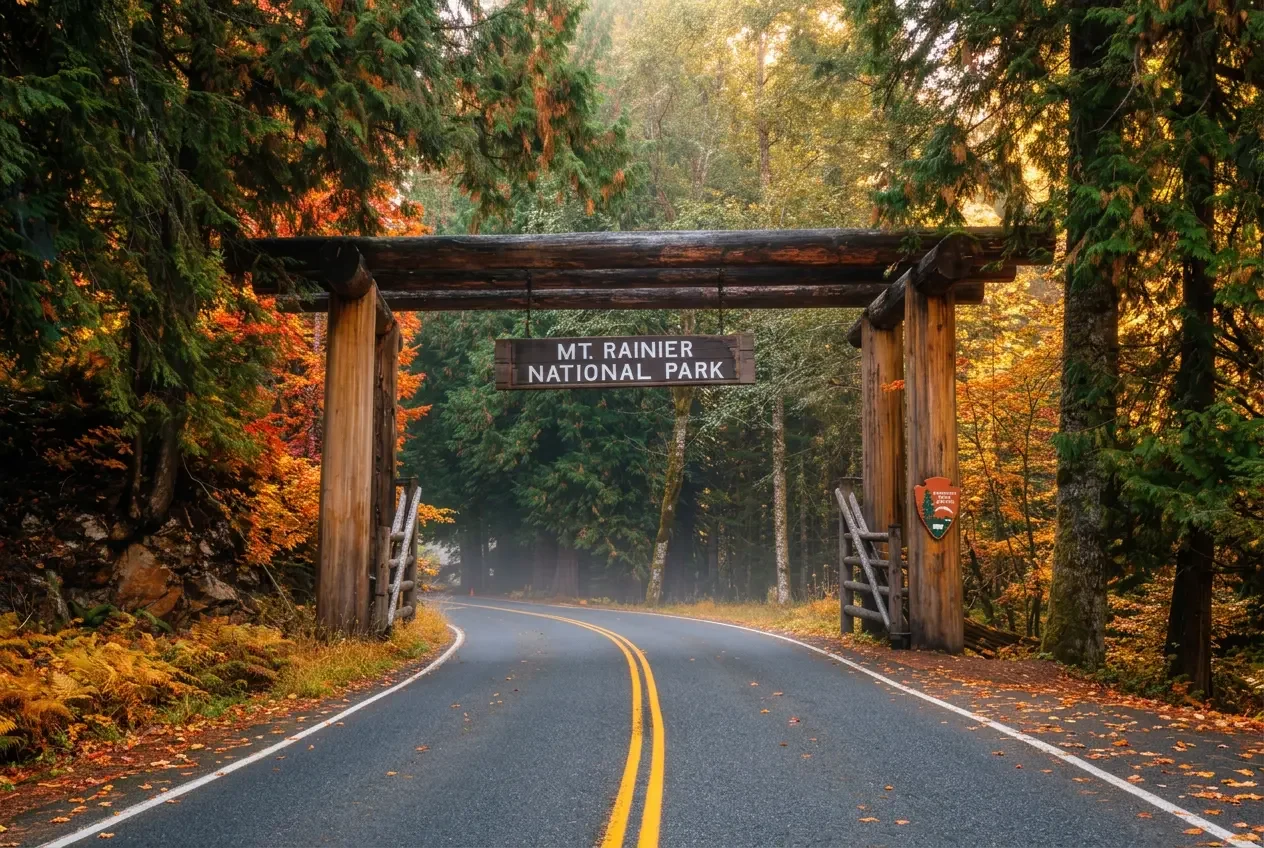
By October, Mount Rainier solves its own crowd problem, and the huckleberry meadows around Paradise turn red and gold while everyone else has gone home. Here's the case for visiting Rainier's Nisqually side in fall, from empty trailheads to the one gate that never closes for the season.
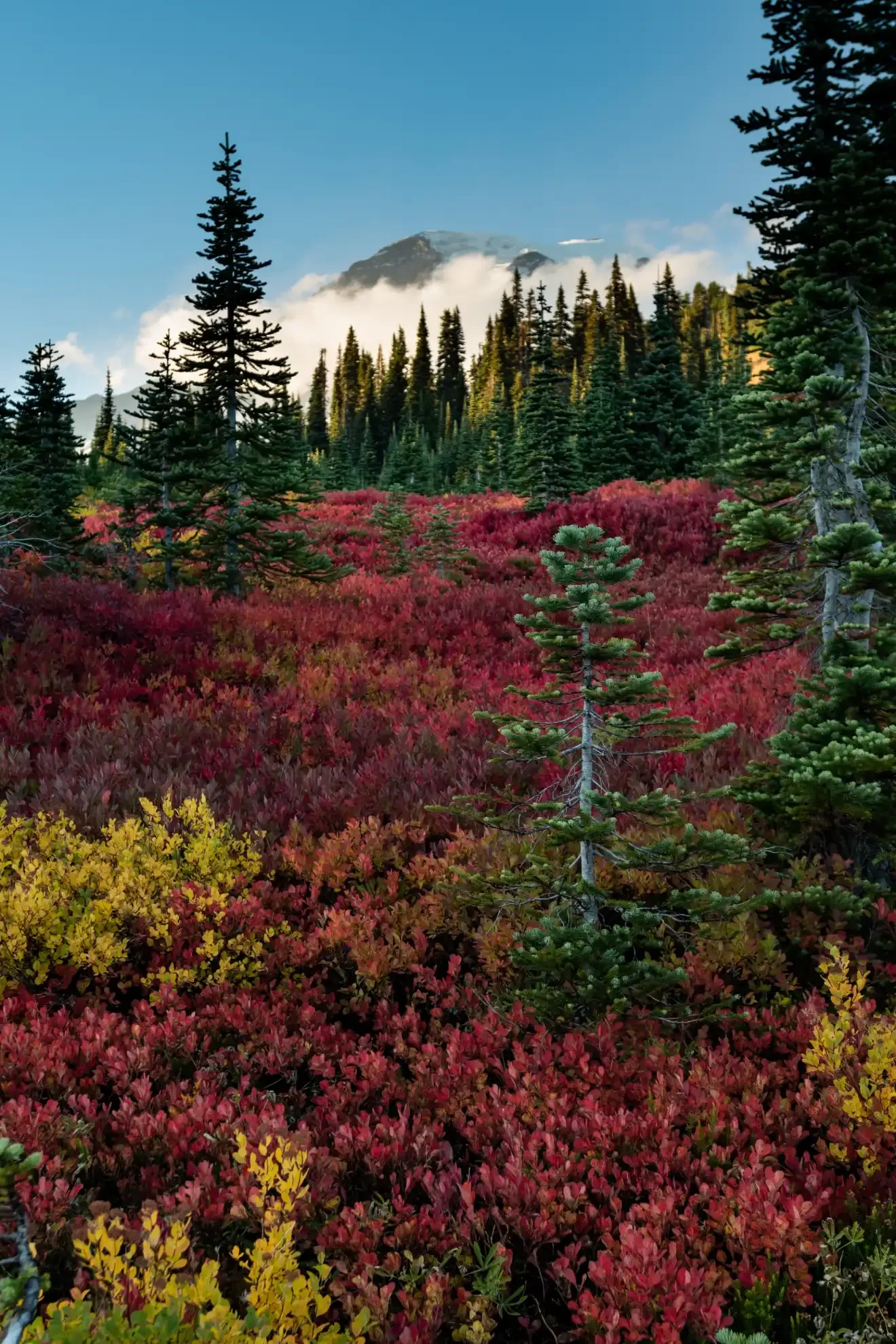
The huckleberry meadows around Paradise turn before most visitors think to look, and the trails on Rainier's Nisqually side see a fraction of the fall traffic Sunrise gets online. Here's where to find the best color, from an easy paved loop to a steep climb past Comet Falls.
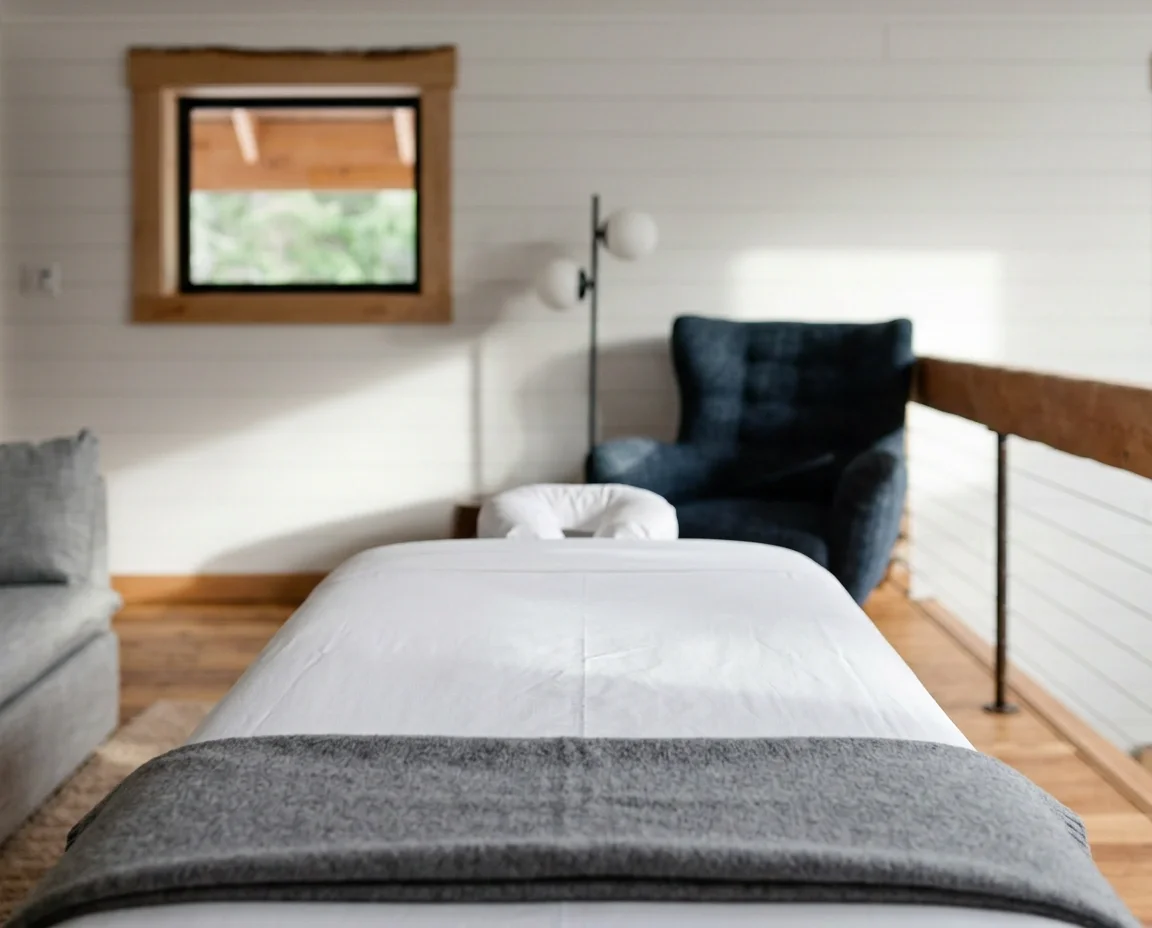
Ashford's one real day spa recommends booking three weeks ahead, and the rest of the options are appointment-only cottages and a town over. Here's the honest rundown of massage near Mount Rainier, plus how the In-Cabin Massage and Restorative Body Ritual at Fjellsangin work.
The Paradise parking lot fills earlier than most people plan for, and the timing shifts with the season. Here is what one day actually buys you, why Sunrise needs its own, and how much the drive from Ashford changes the arithmetic.
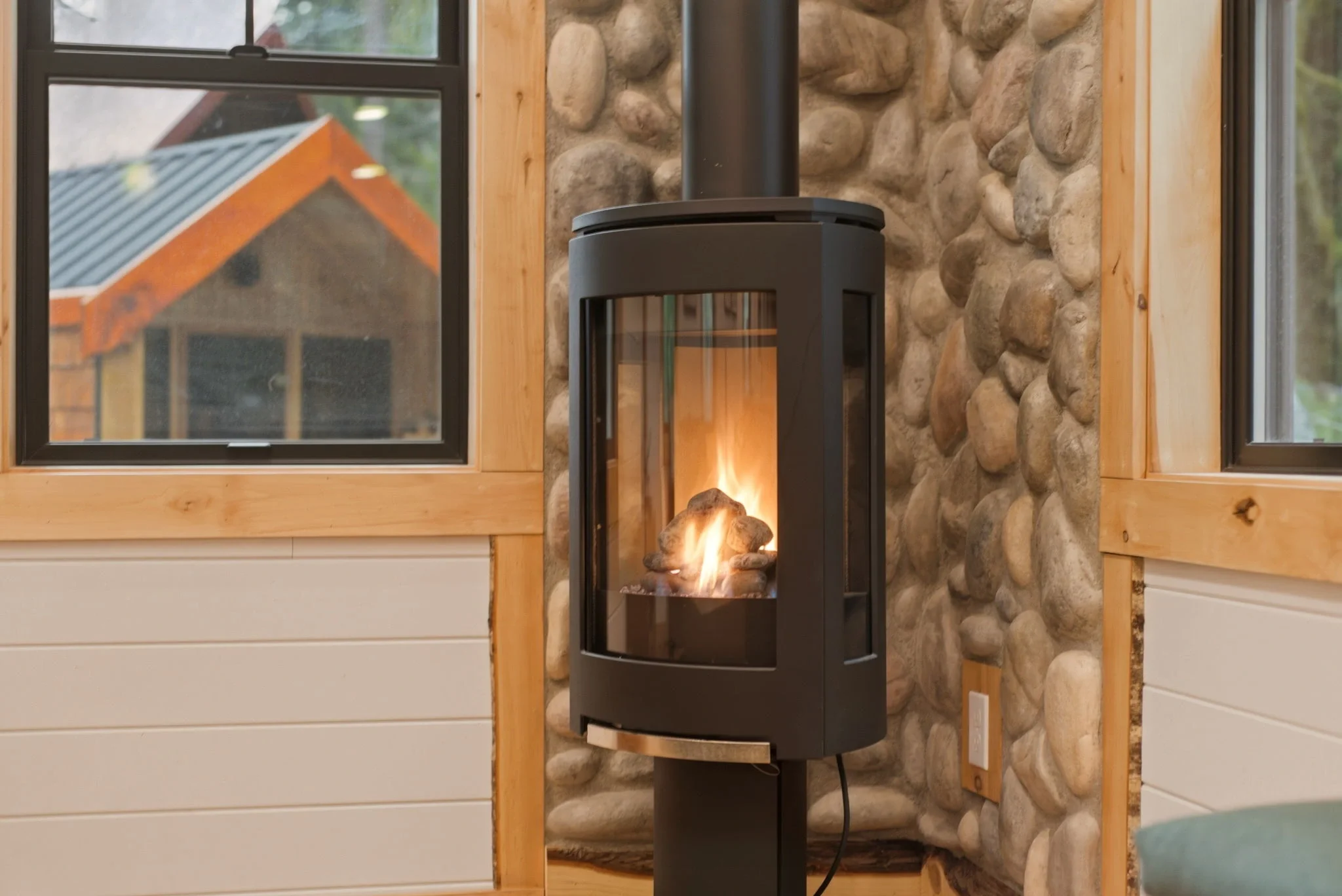
Every finish inside Fjellsangin got chosen on purpose. So did everything that isn't there. A look at the design restraint behind the cabin's quietest rooms.
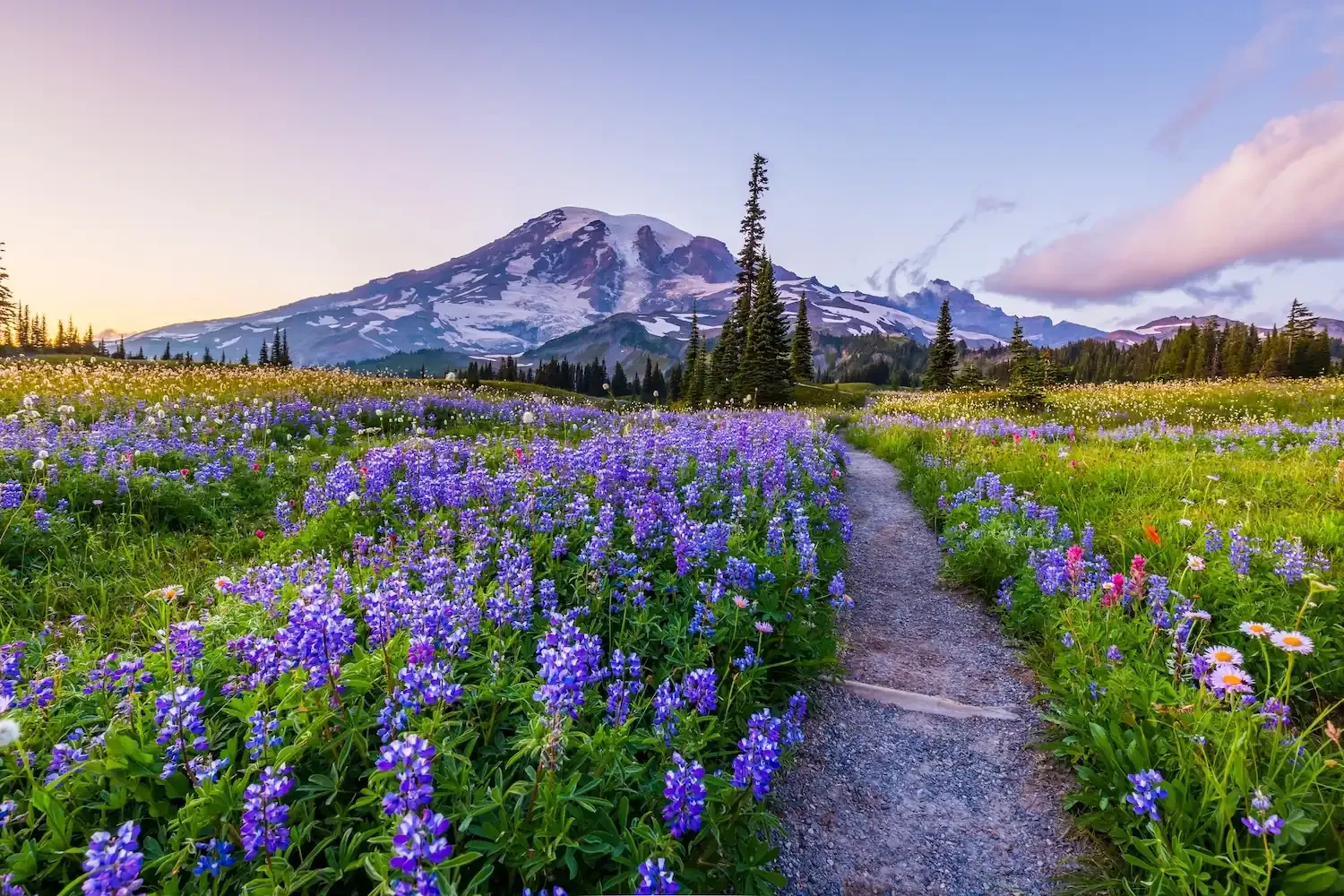
Every spring, someone plans a wildflower trip to Mount Rainier and finds snow. The real bloom happens later. Here's when to actually go, and what late summer looks like from Fjellsangin's side of the mountain.
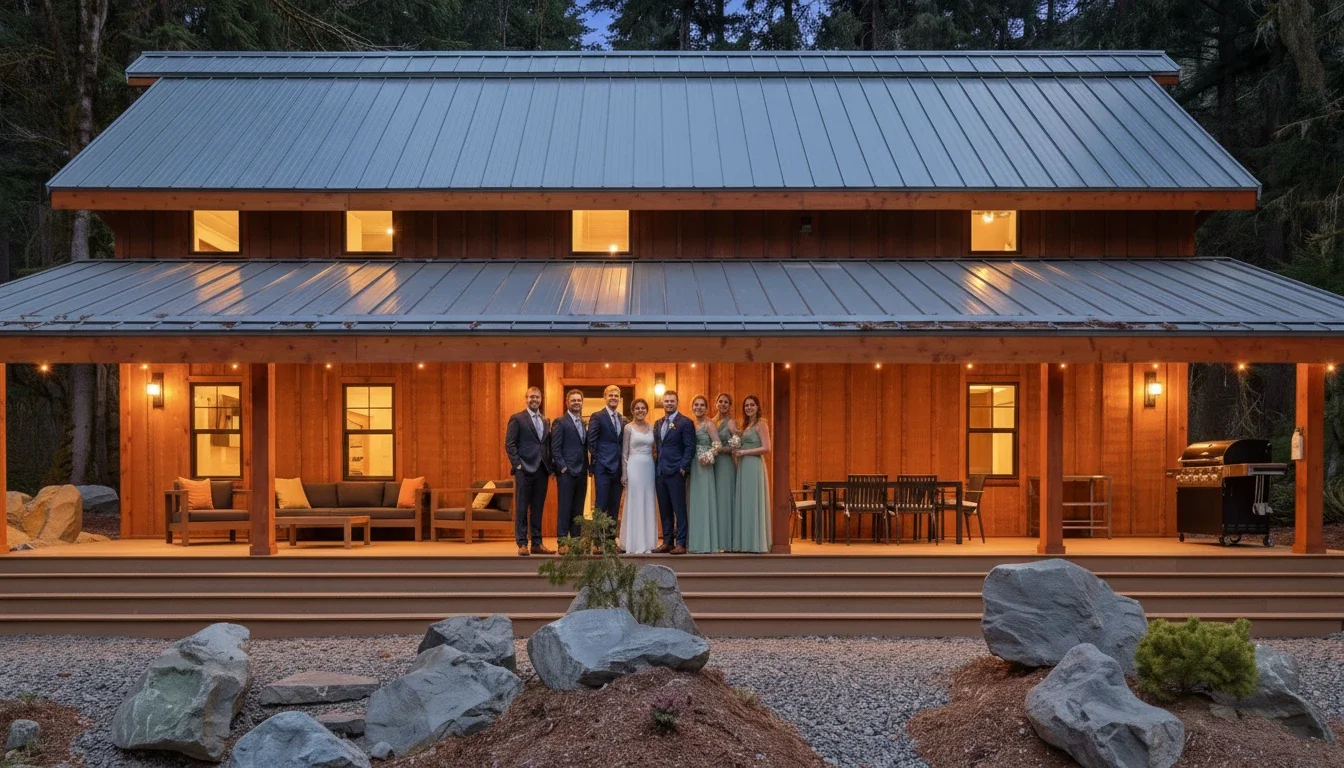
Most people book Fjellsangin for a weekend near the mountain. Some book it for the one ceremony they'll ever have. Here's what an elopement at Fjellsangin actually includes, from the front deck to the morning after.
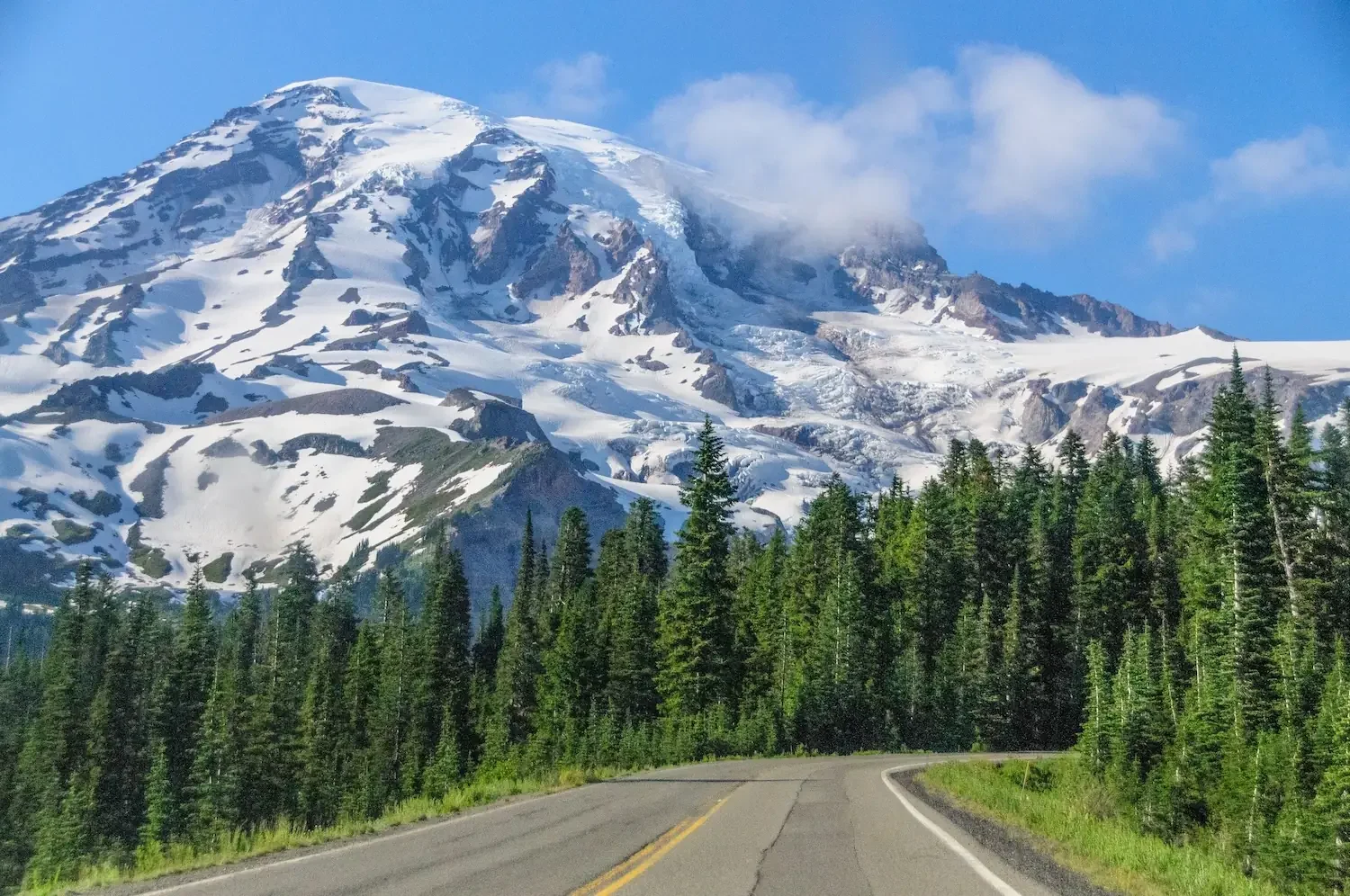
Ohanapecosh is closed for the season, Carbon River is cut off until at least 2031, and a parkwide campfire ban just went into effect. Here's what to pack, where to go instead of Paradise, and how to plan a first Mount Rainier visit that works with 2026's conditions instead of against them.
Most packing lists for Mt. Rainier don't account for the difference between the base area and the alpine zone. This guide covers both — by season, without padding — for guests staying near the Nisqually Entrance in Ashford.
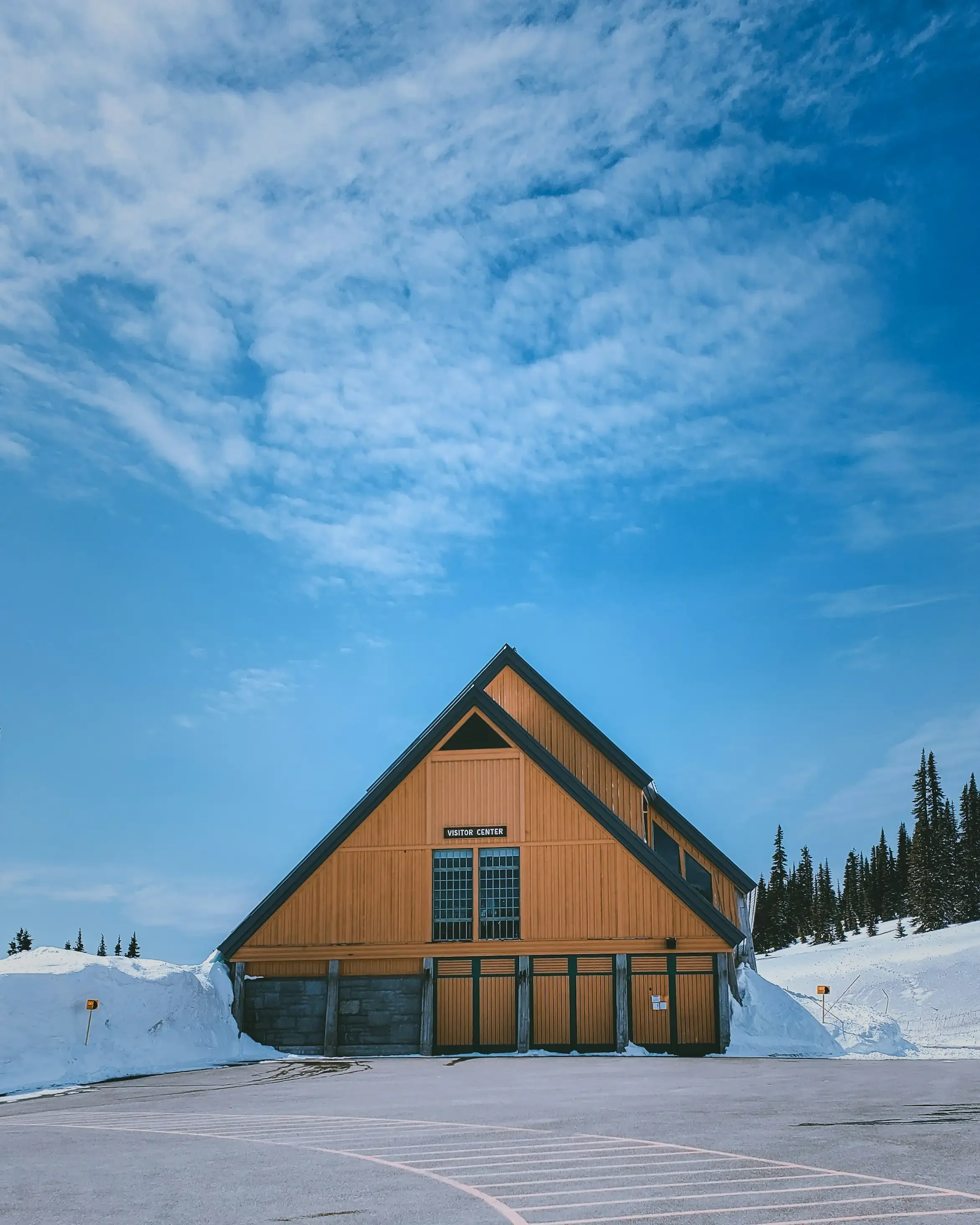
Snow at low elevation one week, melt-out the next. Here's what Mount Rainier trail conditions actually look like right now — and how to go prepared.
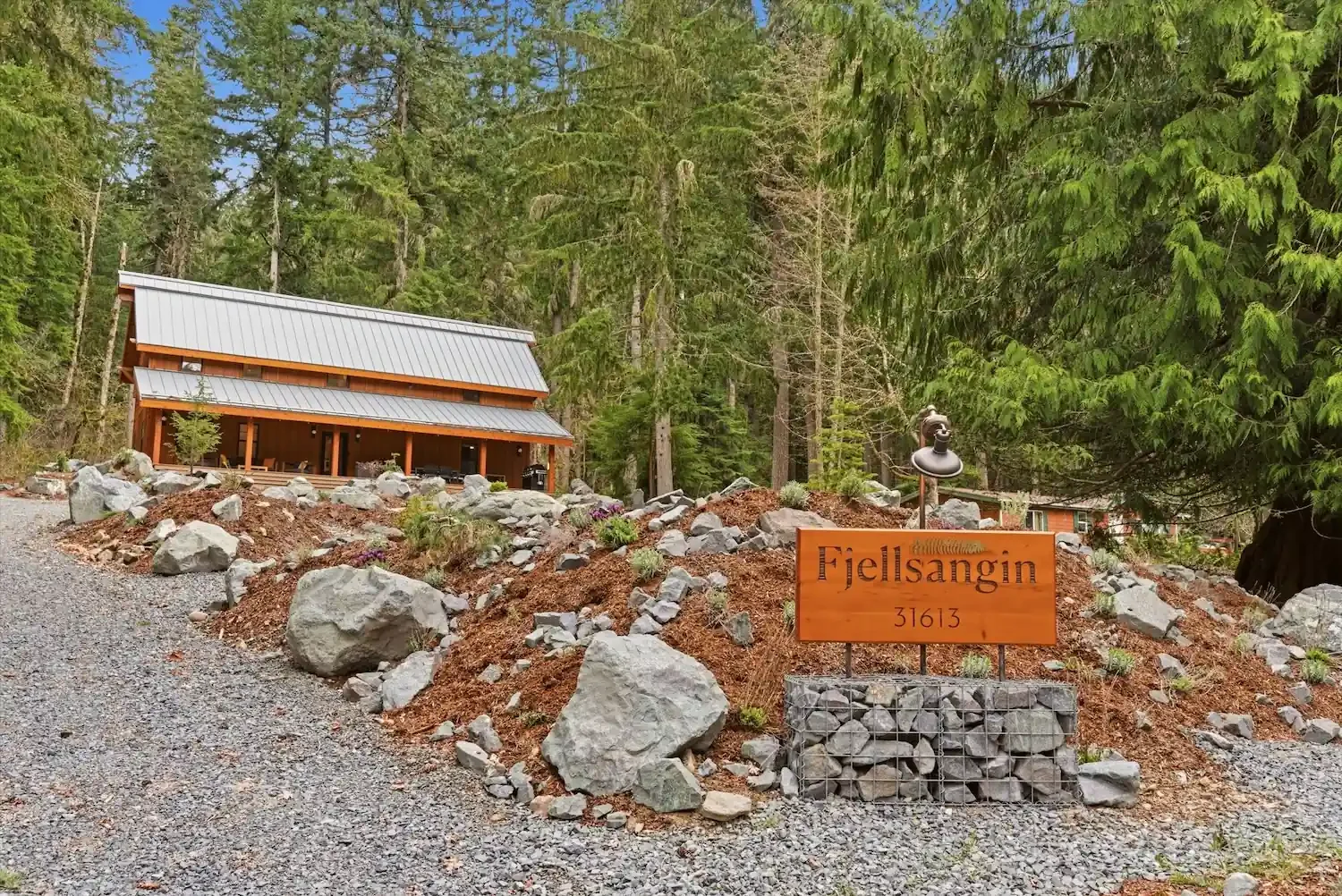
Lee named it before there was a foundation. Fjellsangin means mountain song in Norwegian, and that word became the design brief for everything: white v-groove walls, a Jotul fireplace, Pendleton cushions Jennifer sewed herself. Here's where the decisions came from.
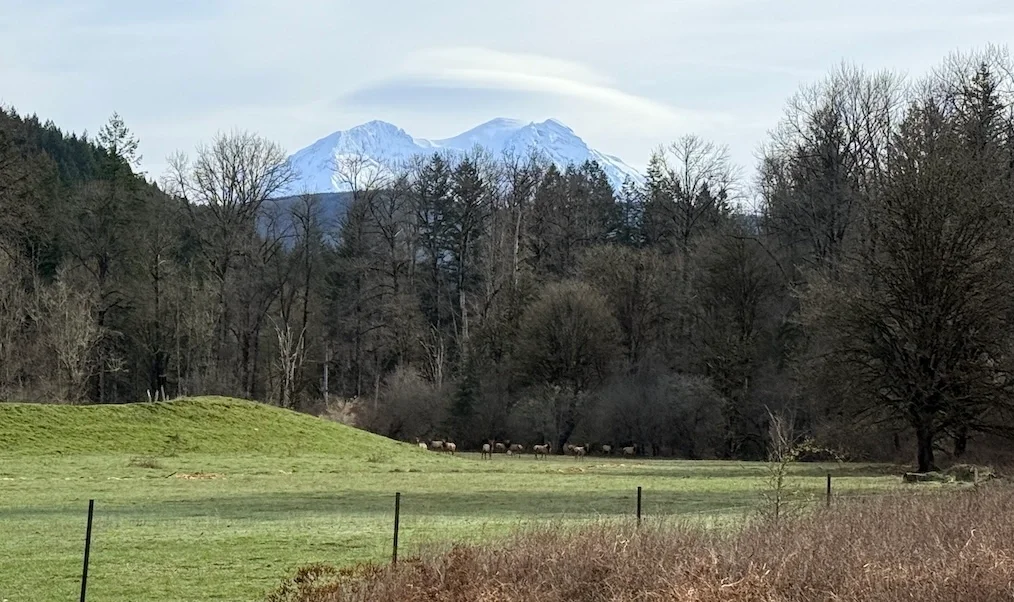
Mount Rainier is two hours from Seattle, two and a half from Portland, and Fjellsangin in Ashford is ten minutes from the Nisqually entrance. Here's why the drive-to trip beats flying every time, and how to plan your stay.
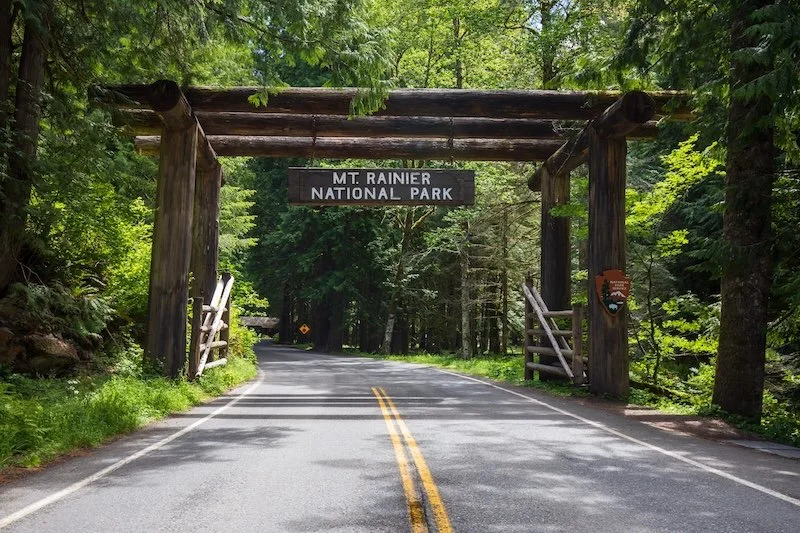
Every season at Mount Rainier offers something the others don't. From summer wildflowers at Paradise to winter snowshoeing and fall solitude on the Nisqually corridor, here's what to expect and how to plan a stay that actually fits what you're looking for.
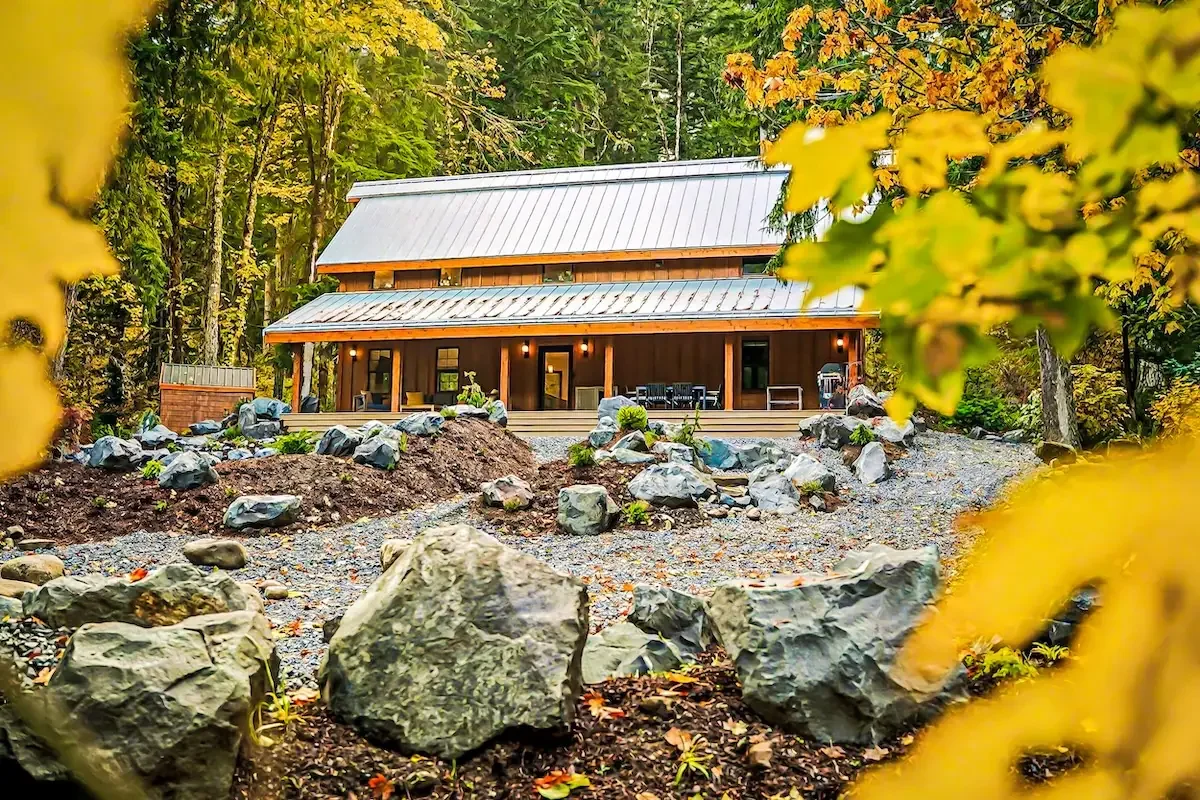
Ashford luxury cabins, luxury cabin near Mt. Rainier, Mt. Rainier cabin rental, Nisqually Entrance cabin, Nordic sauna cabin, PNW luxury retreat, forest cabin Washington, couples retreat Mt. Rainier, girls weekend cabin, Fjellsangin, contrast therapy cabin, cedar sauna Washington, Ashford WA, slow living PNW, EV charger cabin
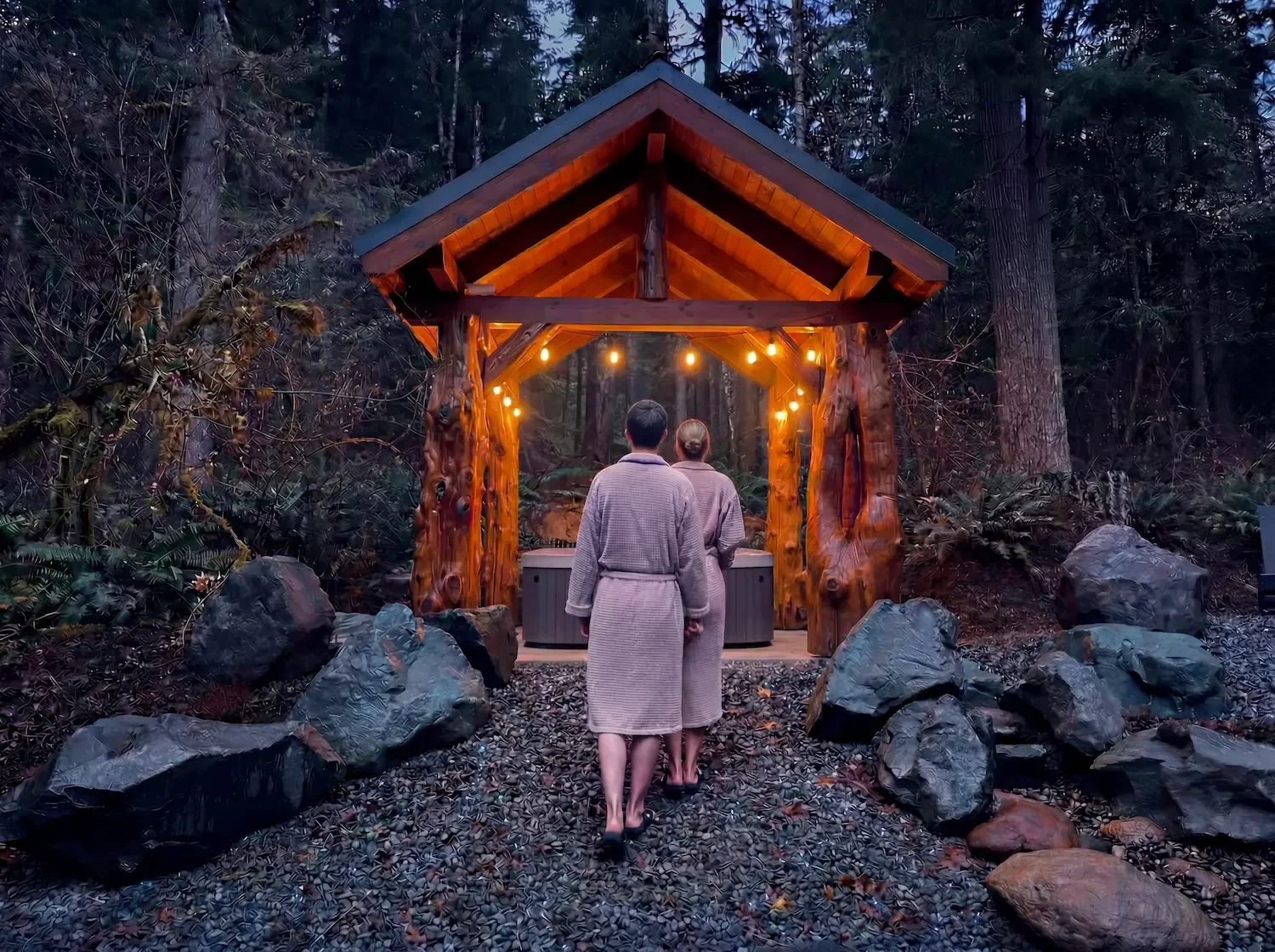
The itinerary most couples arrive with falls apart by the second morning. Fjellsangin is a modern Nordic cabin in Ashford, WA — private cedar sauna, covered hot tub pavilion, and a chef’s kitchen ten minutes from Mt. Rainier’s Nisqually entrance.
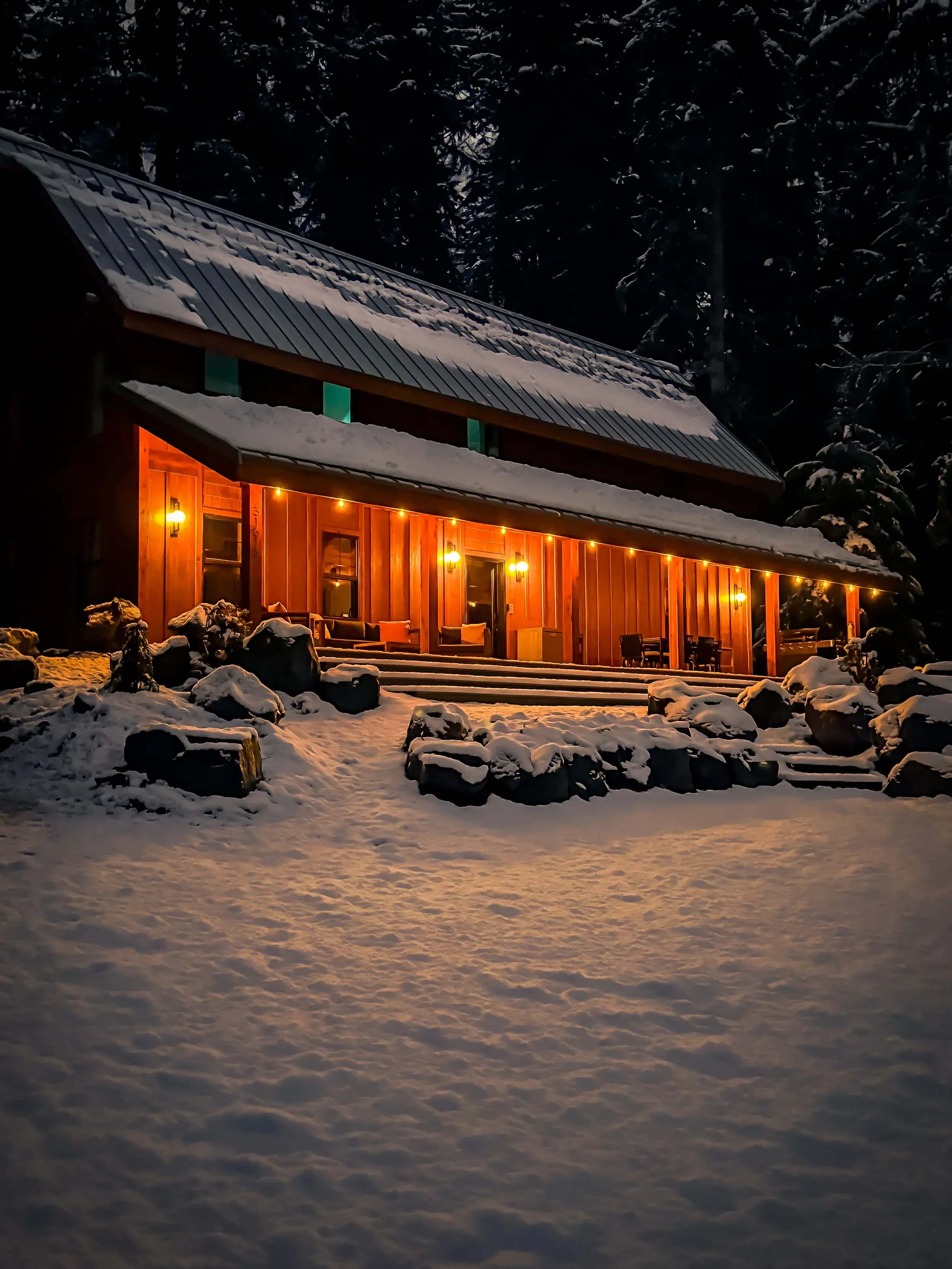
Seattle Magazine featured Fjellsangin as a distinctive Pacific Northwest getaway — the design story behind a cabin built to belong to the permanently protected forest near Mt. Rainier.
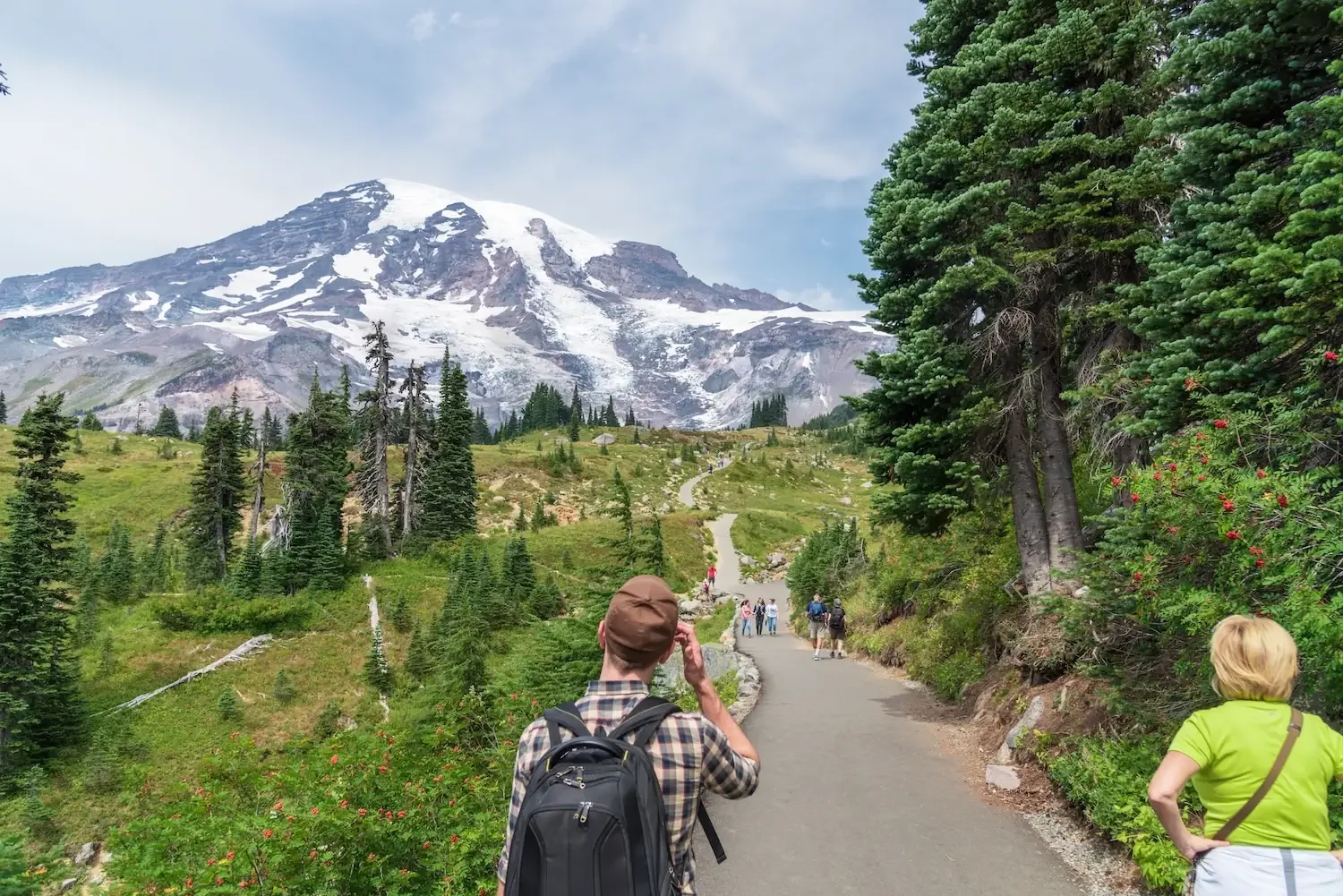
The Nisqually side of Mount Rainier holds some of the most iconic hiking in the Pacific Northwest. Here are the trails worth building a day around — and how to pace them so you come home rested.
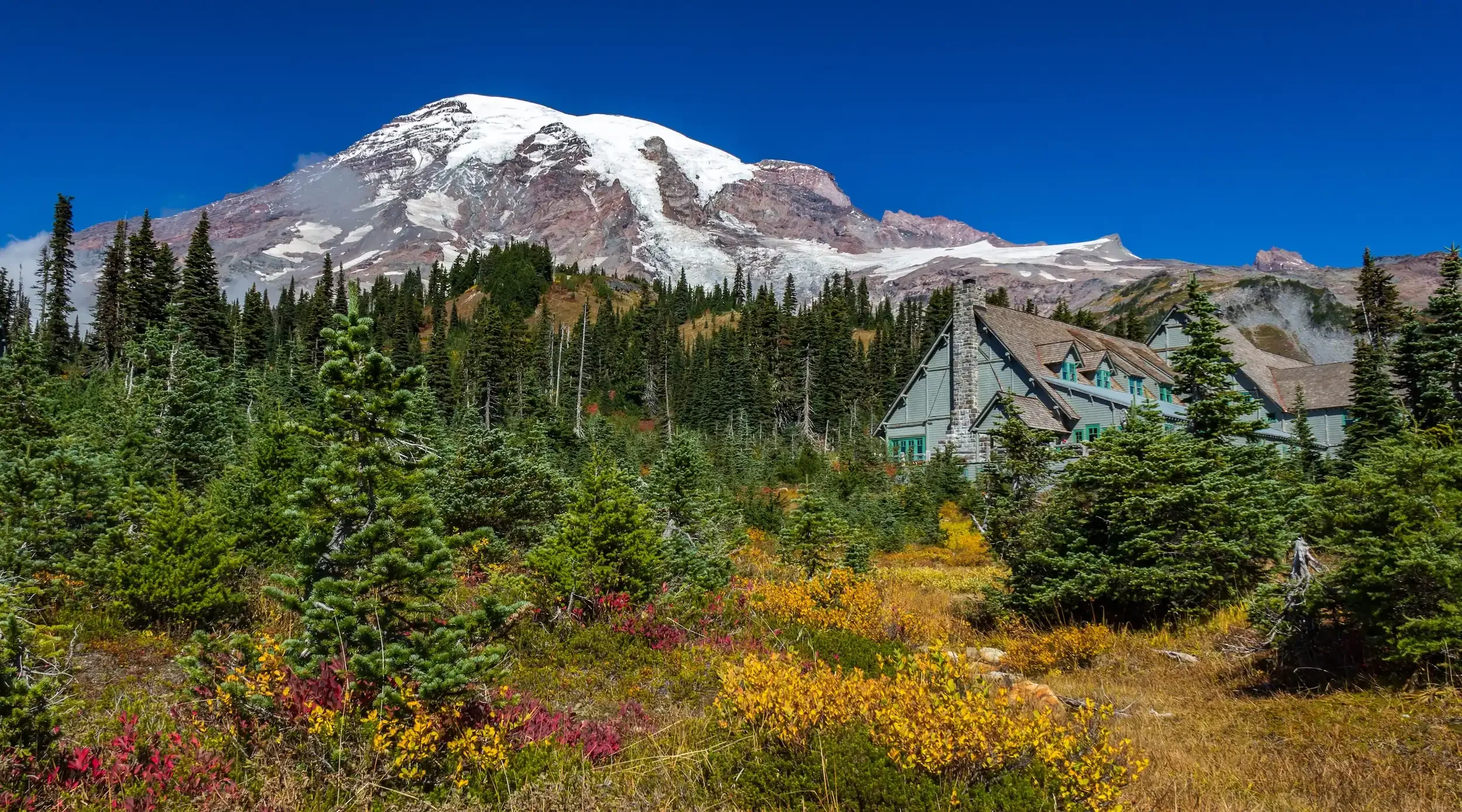
Visiting Mount Rainier for the first time? The most meaningful experiences almost always come from doing less, not more. Here's what first-time visitors commonly get wrong — from overpacking itineraries to underestimating weather — and the simple shifts that lead to a calmer, more rewarding visit.
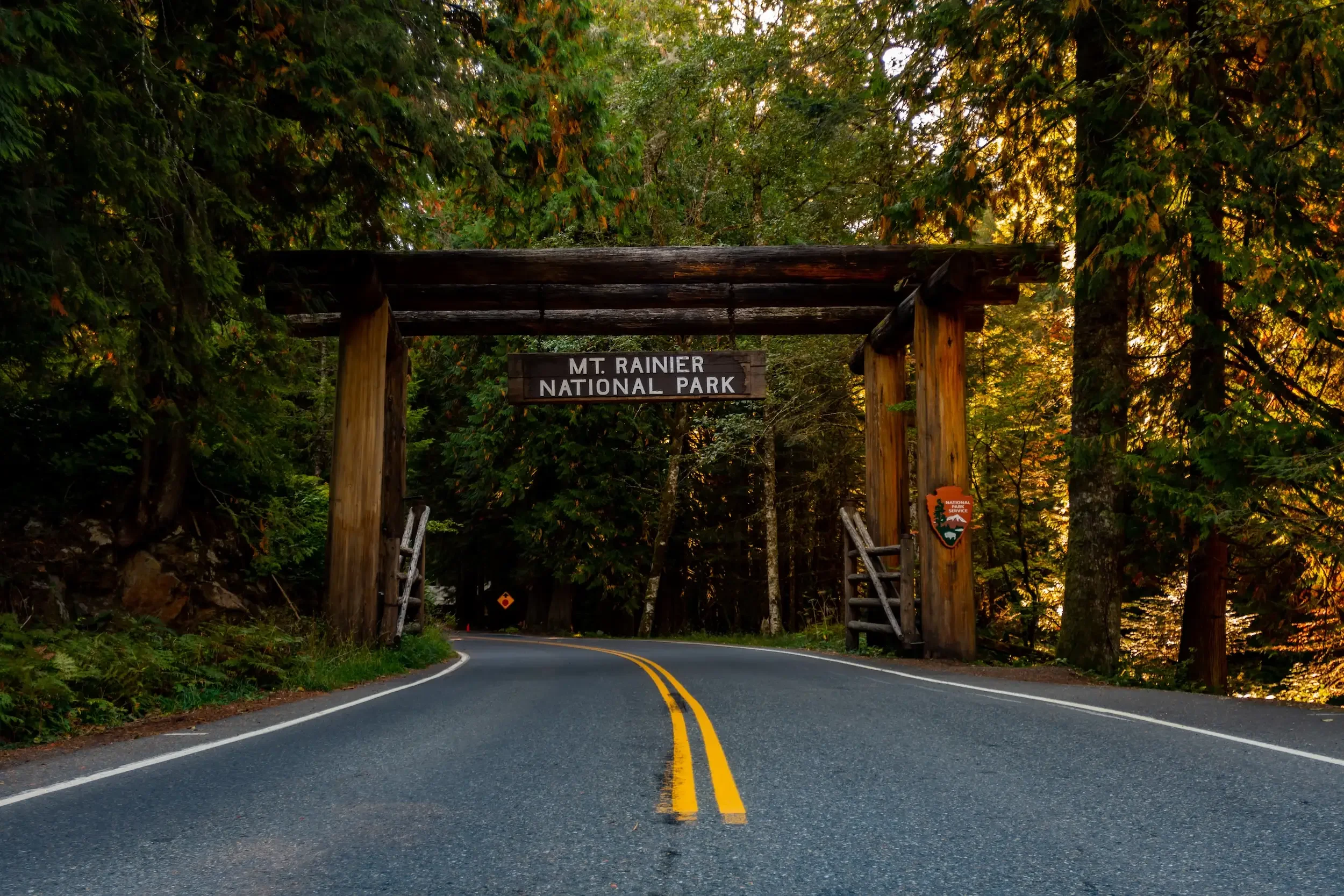
Not every visit to Mount Rainier needs to start at a trailhead. The Nisqually side offers some of the most scenic driving in the park: waterfalls, deep forest, and the road that climbs toward Paradise. Here's how to experience the mountain at a gentler pace from Fjellsangin.
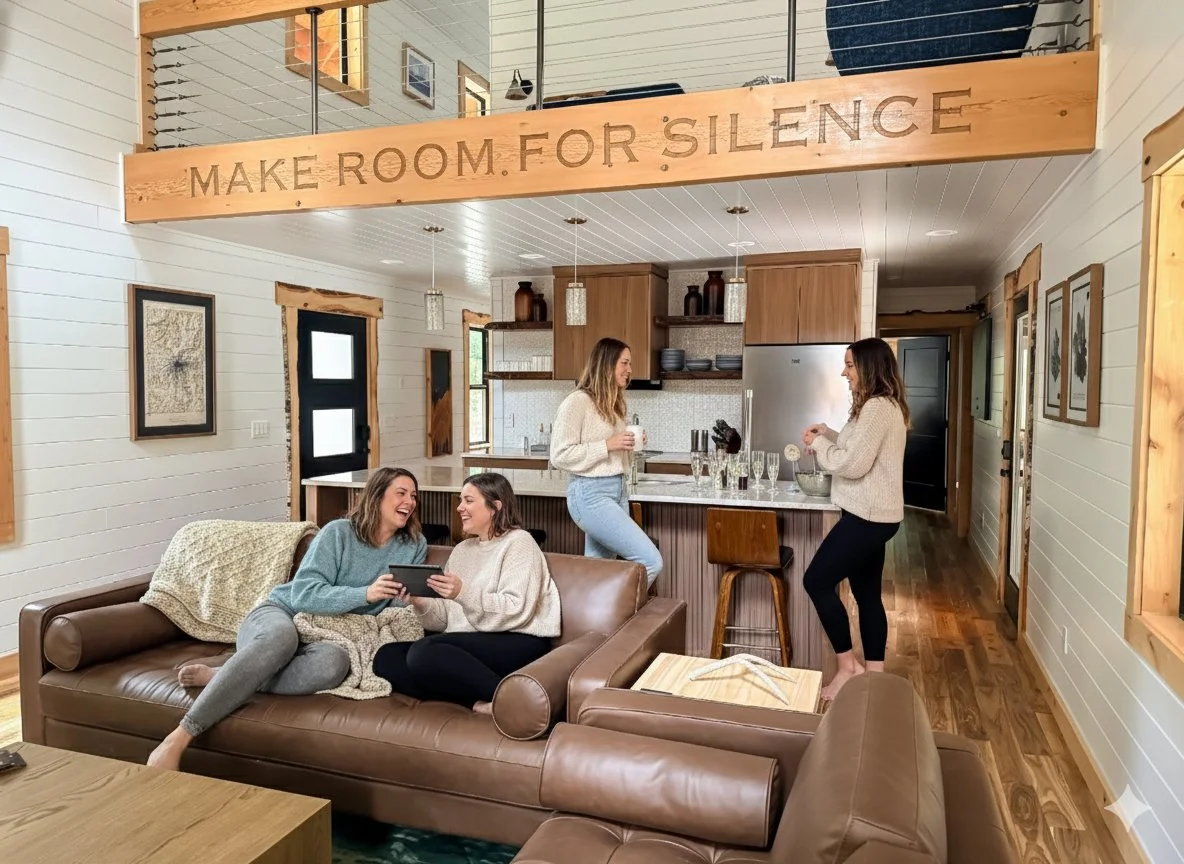
The trip you keep talking about but never book — Fjellsangin is a modern Nordic cabin 10 minutes from Mt. Rainier’s Nisqually entrance. Private sauna, covered hot tub, chef’s kitchen. Sleeps up to six.
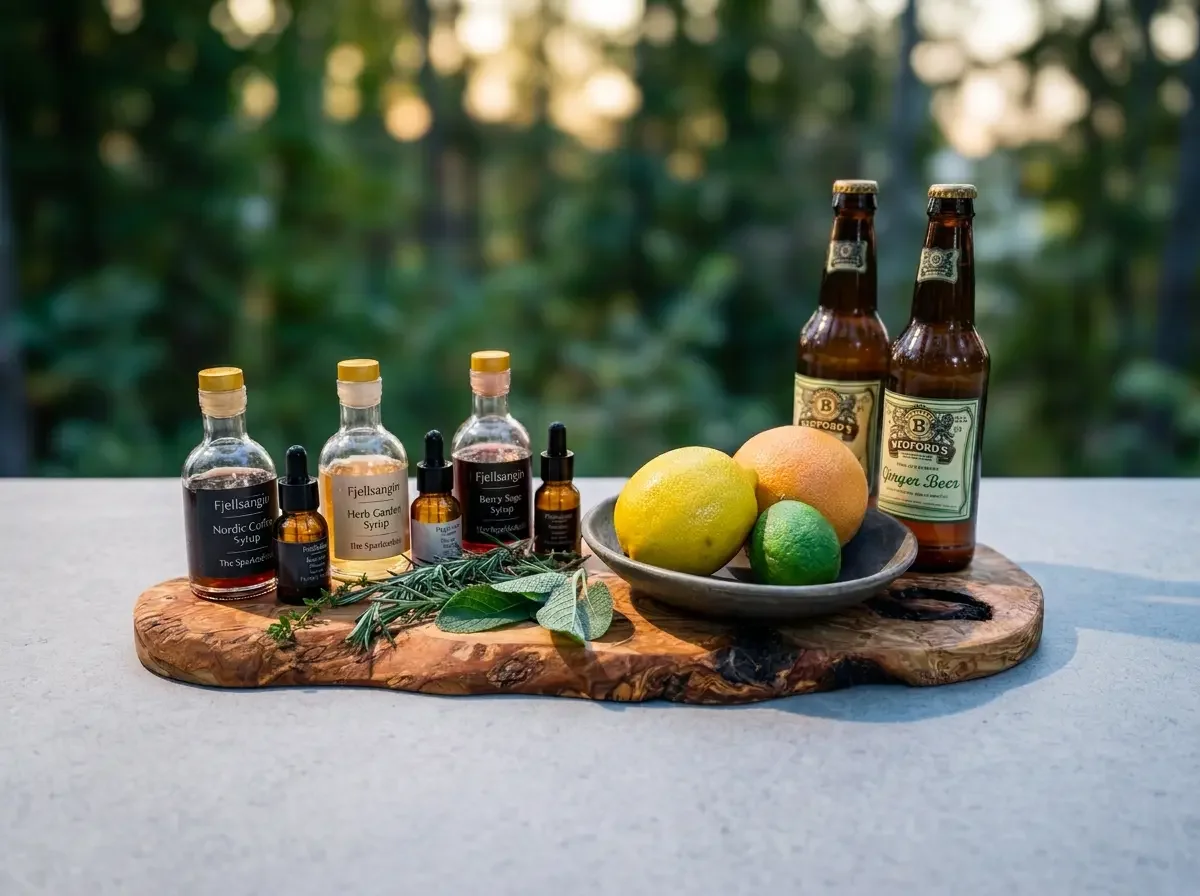
The Sparkle Bar is Fjellsangin's in-cabin wellness drink station — botanical syrups, sparkling water, and fresh citrus crafted into something cold, bright, and effortless. A post-sauna ritual, a slow-afternoon break, or a sunset pour shared with someone you love.
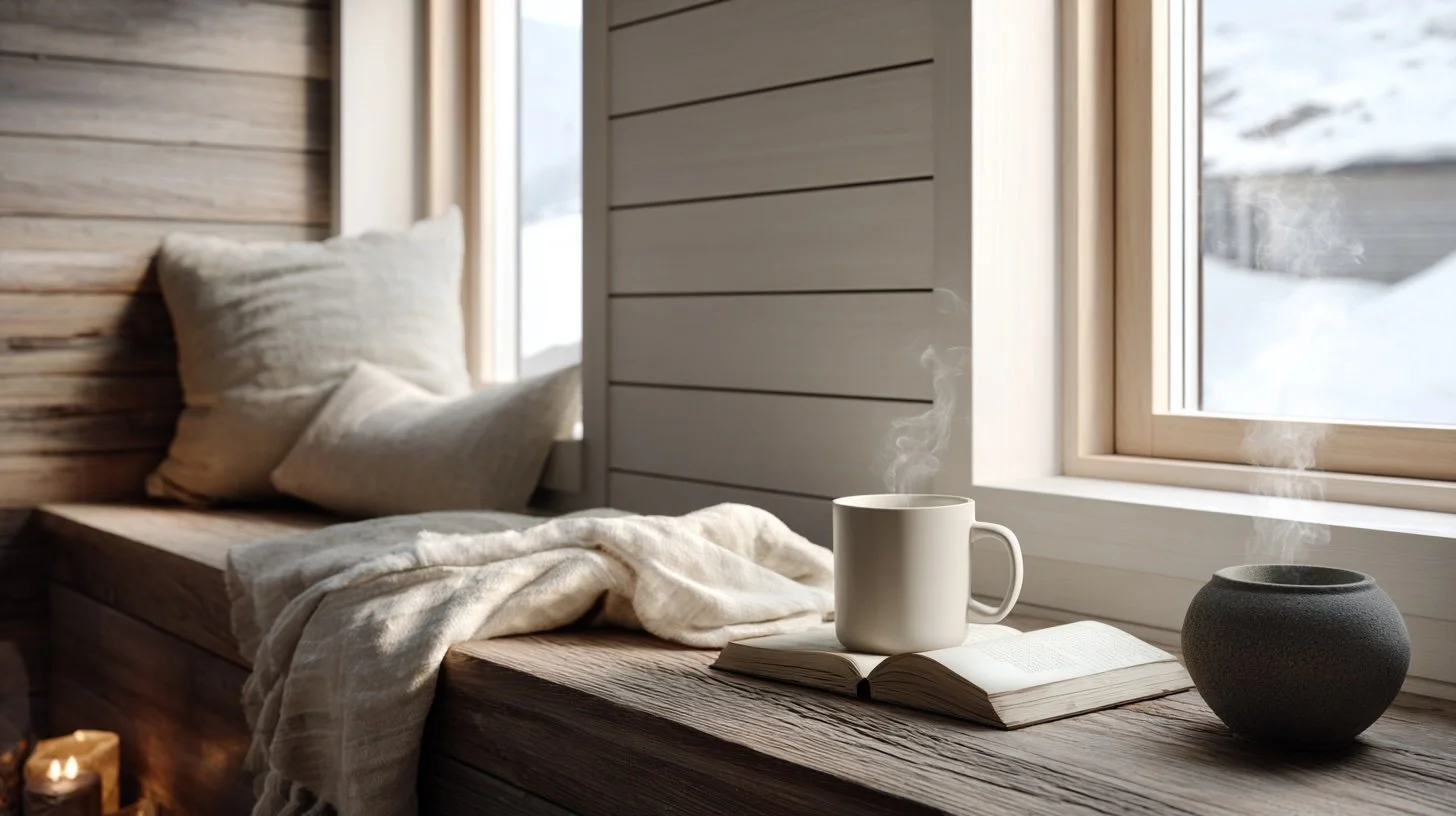
Mid-winter asks for a specific kind of care. Inspired by Nordic tradition, the mid-winter reset is a sequence of simple rituals — warmth, gentle contrast, undistracted rest, and slow nourishment — designed to bring the body back into balance during the coldest days.
The Nordic cycle — heat, cold, rest, repeat — has been practiced for centuries across Scandinavia. You don't need a sauna in the woods to experience it. Here's how to recreate the rhythm at home with simple, intentional rituals that restore the body and quiet the mind.
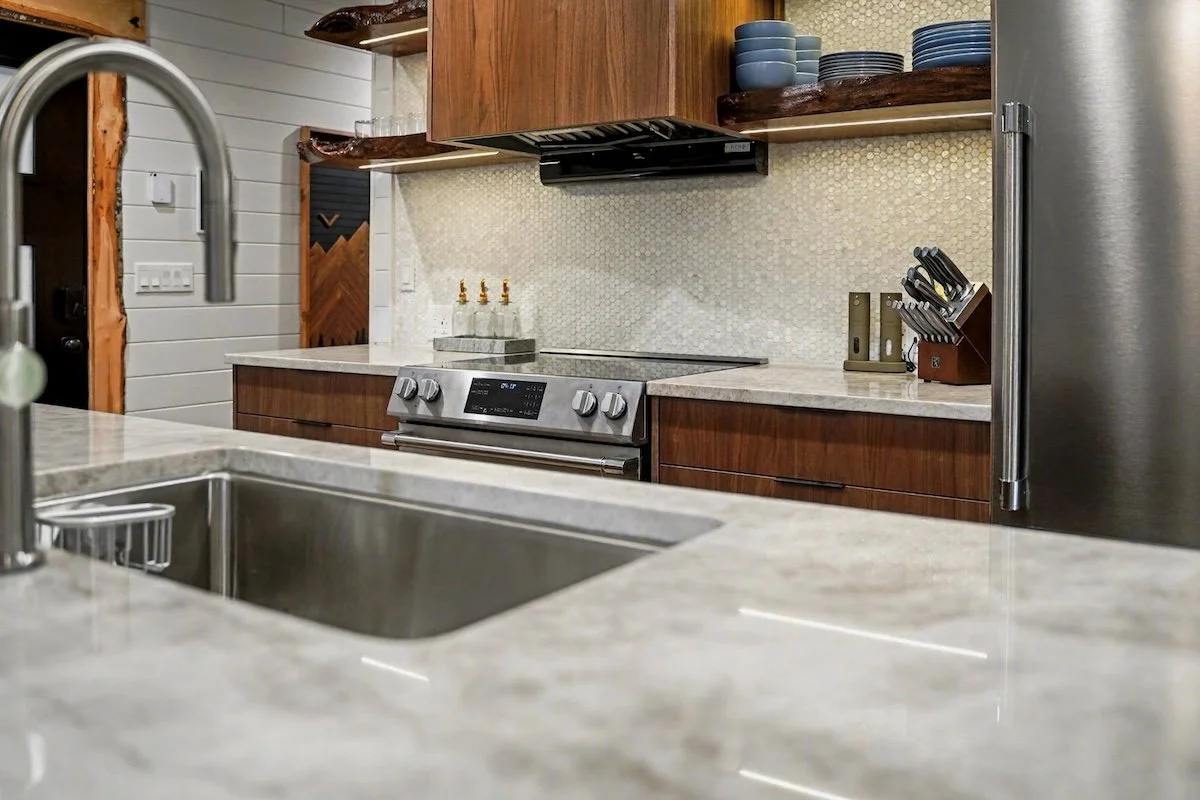
From locally milled live-edge alder and on-site cedar to refillable bath amenities and a garden designed to age gracefully, sustainability at Fjellsangin is woven into every surface and every ritual.
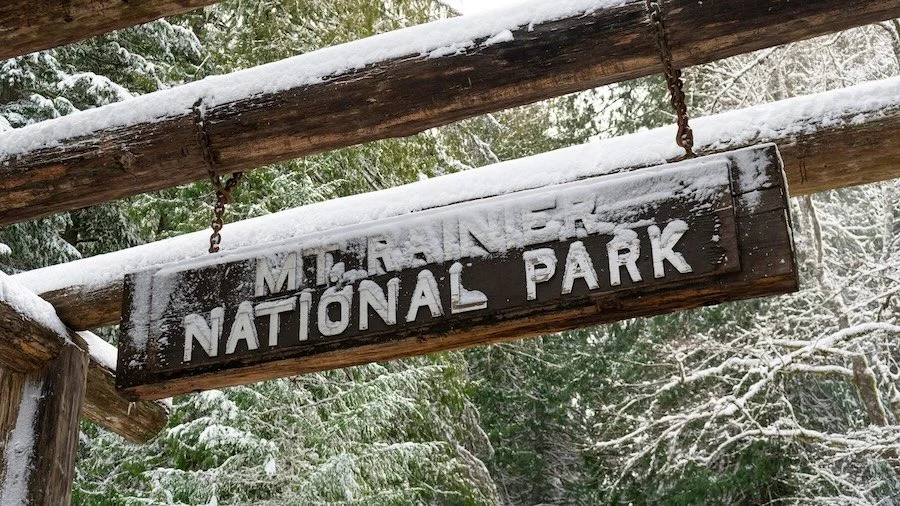
Mt. Rainier National Park never fully closes, but not every entrance or road is accessible in every season. The Nisqually Entrance — just ten minutes from Fjellsangin — is the only year-round gateway. Here’s what’s open, when, and how to plan your visit.

Seattle hosts 6 FIFA World Cup 2026 matches. Add a slow-living cabin retreat at Fjellsangin near Mt. Rainier — 2 hours south of Lumen Field, Nordic sauna, permanently protected forest.
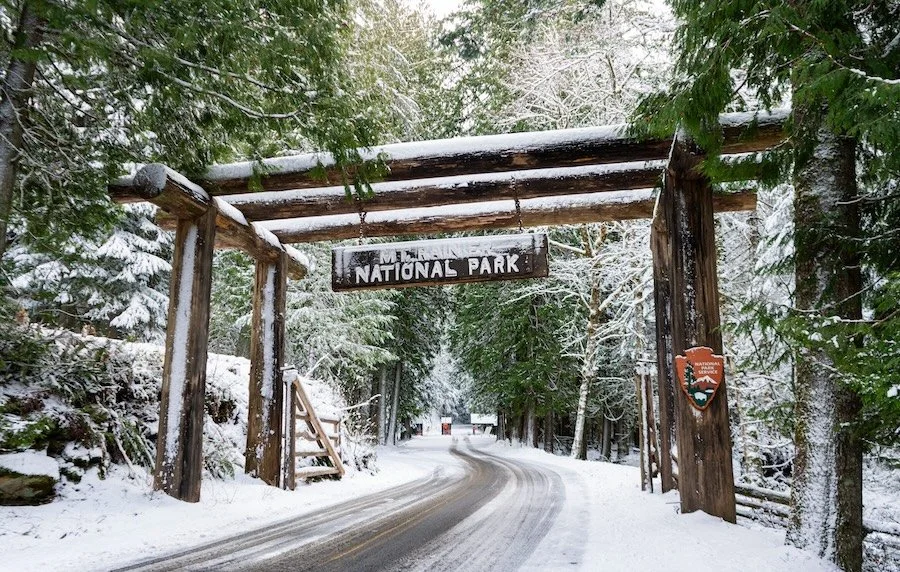
Winter transforms the Nisqually corridor into something quiet, moody, and deeply beautiful. This guide covers the best scenic stops, photo pulls, trails, and restaurants near Ashford, WA for a winter stay at Fjellsangin.
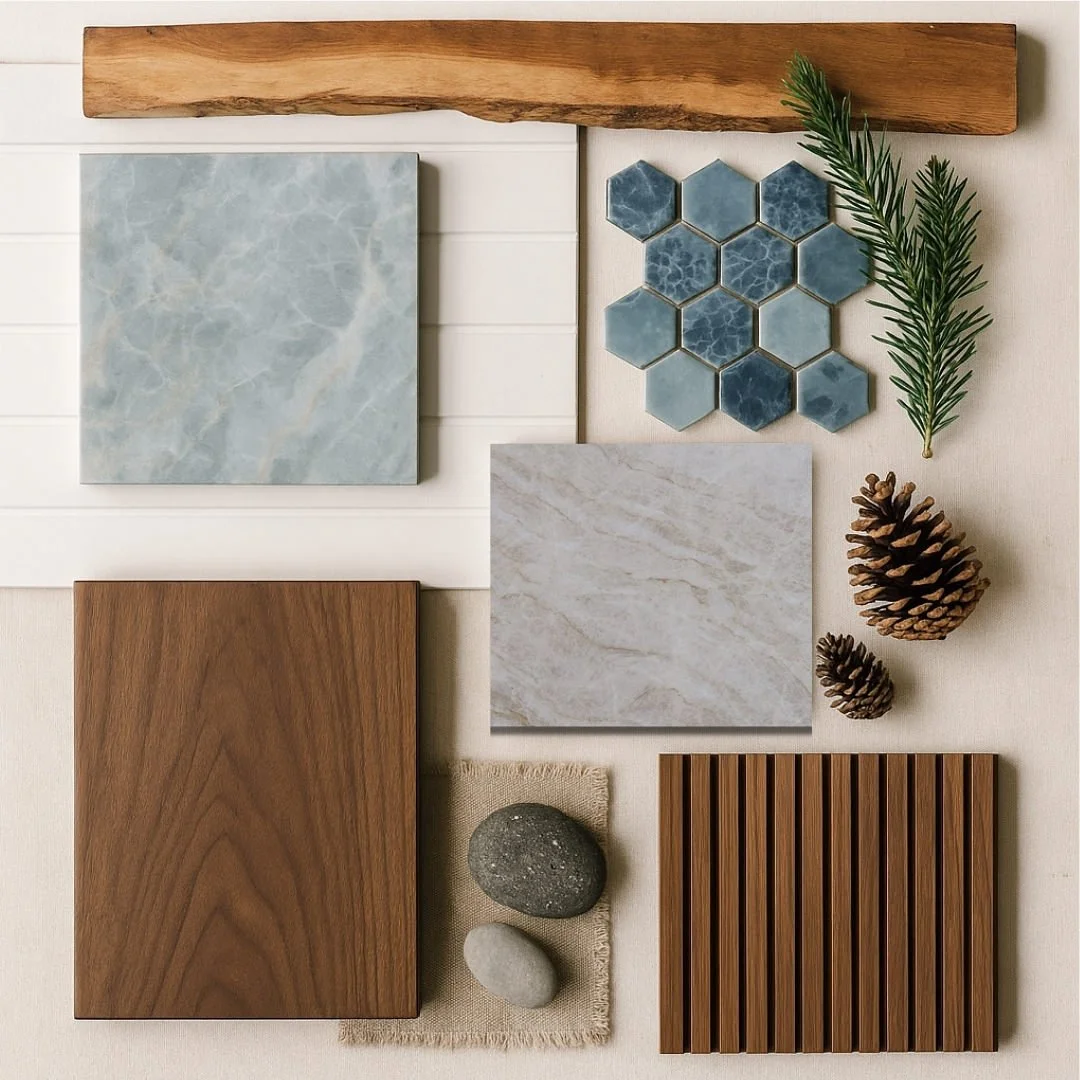
Every material at Fjellsangin was chosen to connect the cabin to the forest surrounding it. From locally milled live-edge alder and cedar to Taj Mahal quartzite that shifts with the mountain light, here’s the story behind the surfaces.
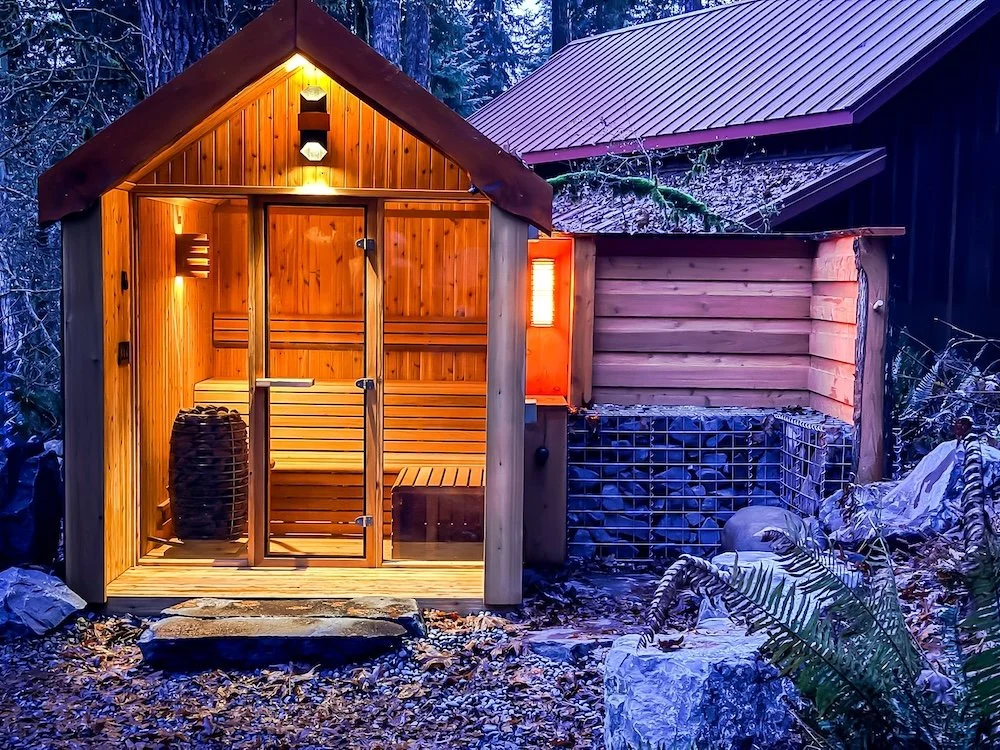
Fjellsangin's cedar-lined sauna sits among permanently protected forest near Mt. Rainier. The Nordic cycle — heat, cold, rest, repeat — and how it works at a cabin built for slowness.
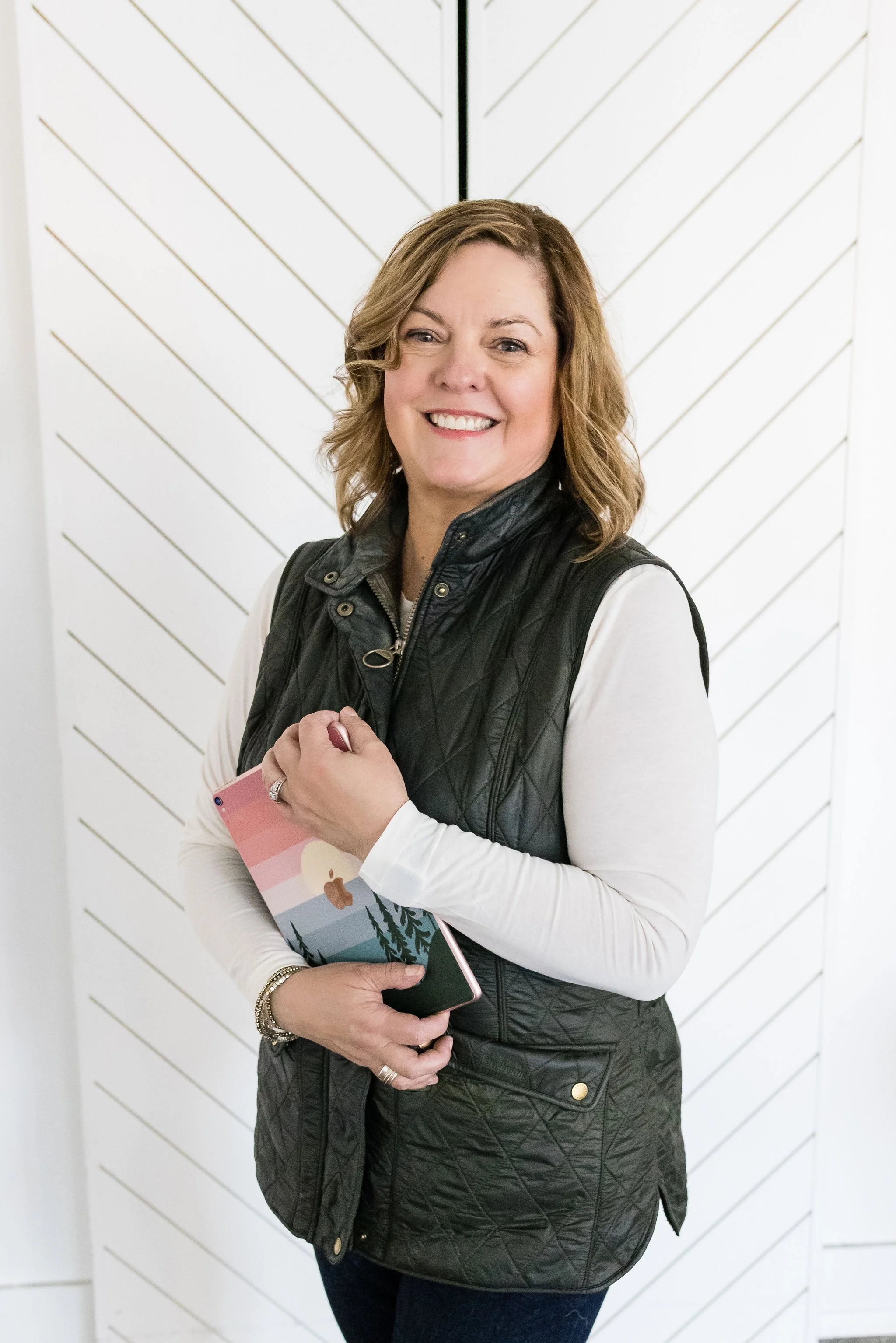 Jennifer Mager
Jennifer Mager is the designer and co-owner of Fjellsangin, a Nordic-inspired luxury forest retreat on the edge of Mount Rainier National Park. She designs the backdrop — the space, the details, the possibilities — and invites you to make it your own.