The Nisqually Entrance Scenic Drive: Christine Falls, Longmire, and the Road to Paradise
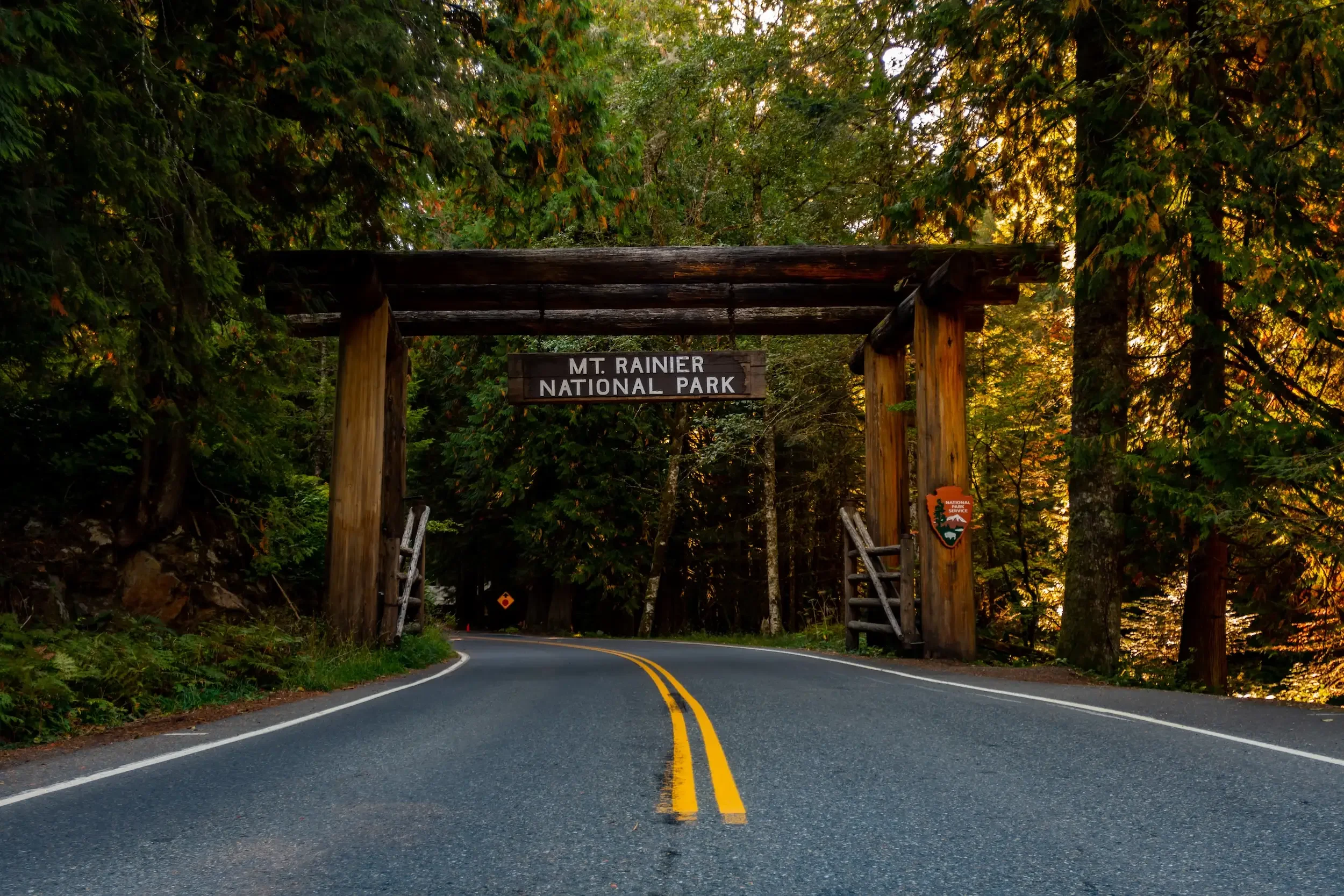
Not every visit to Mount Rainier National Park needs to start at a trailhead.
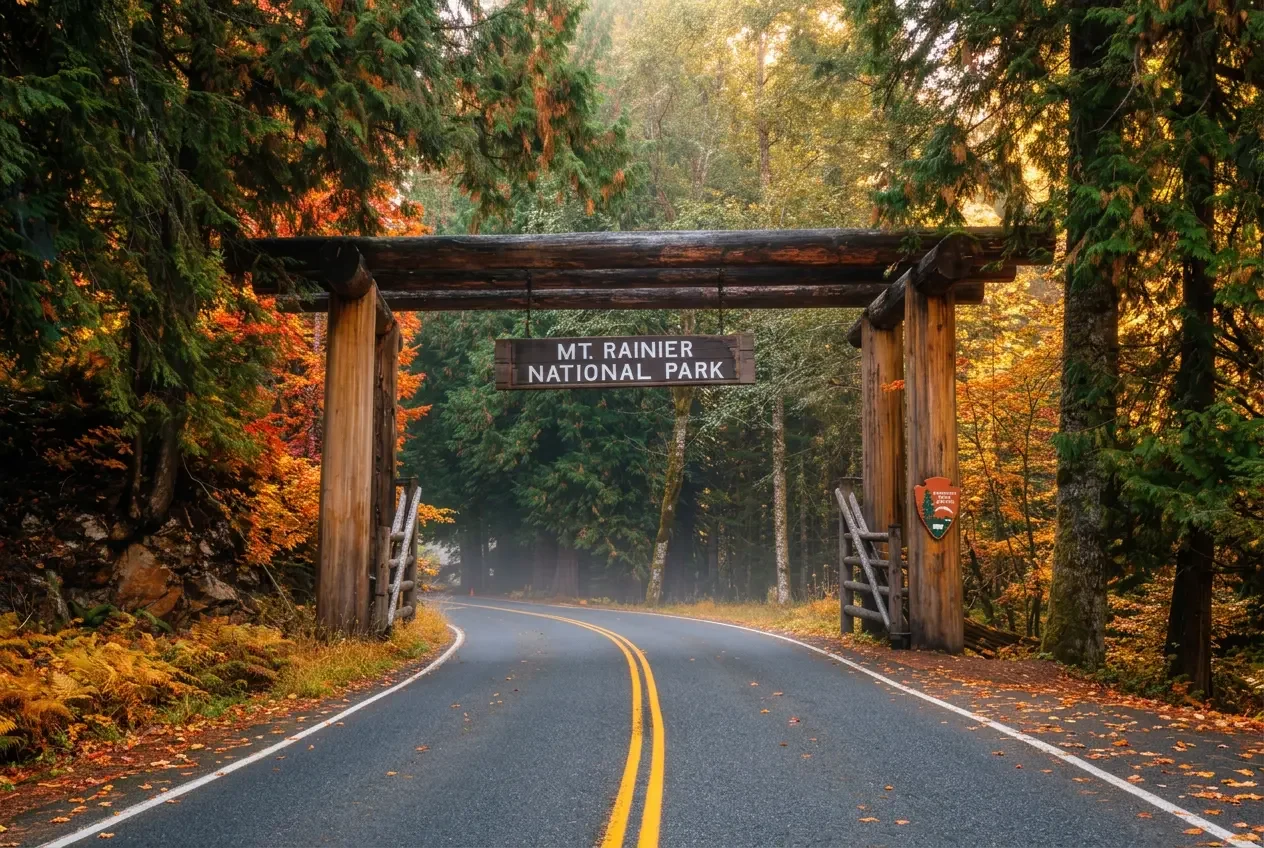
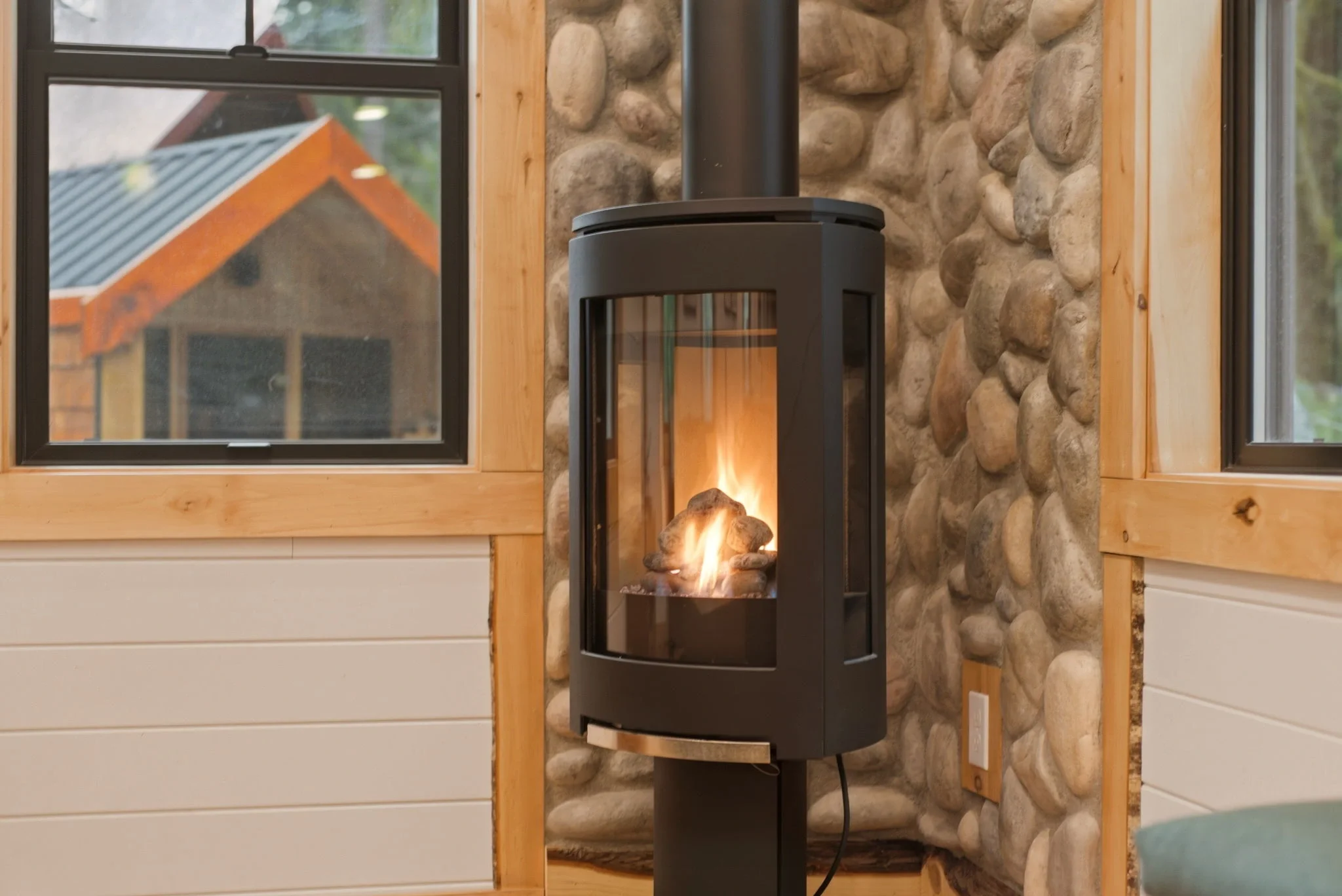
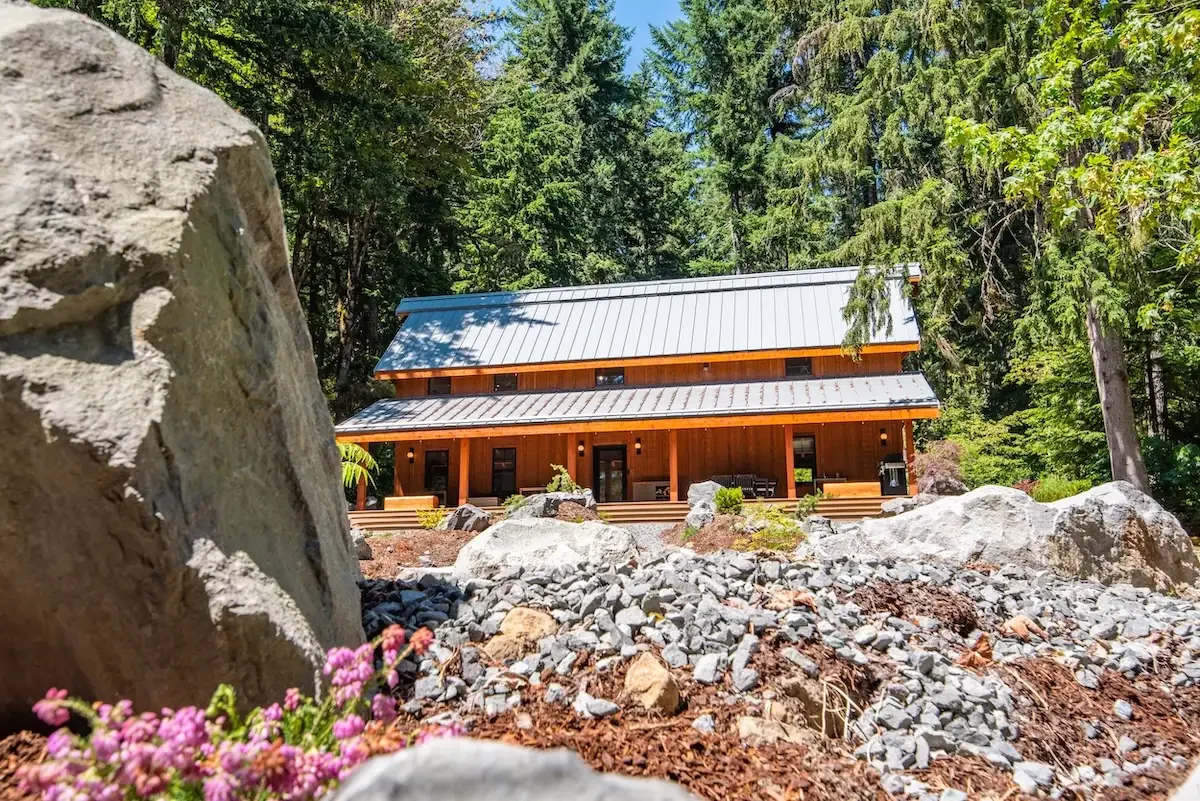
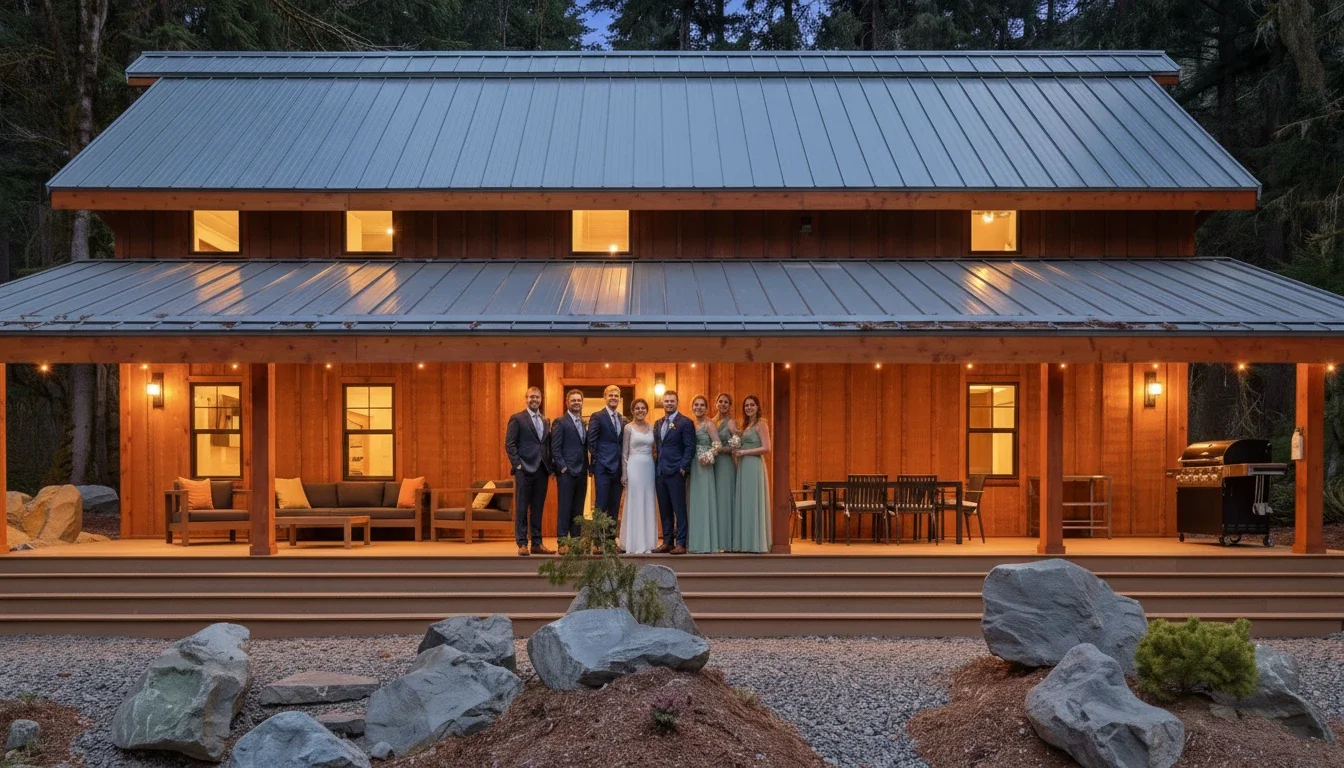
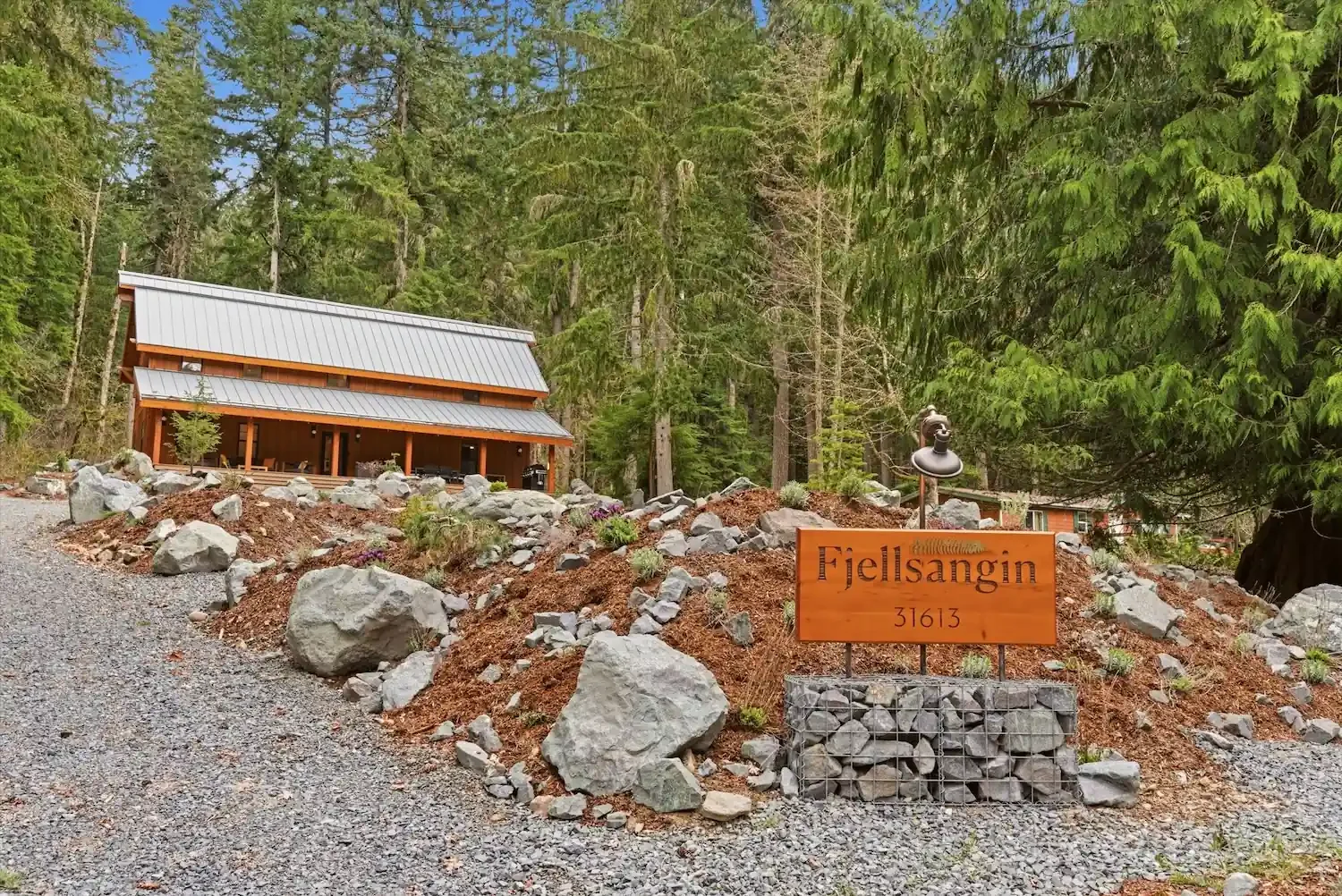
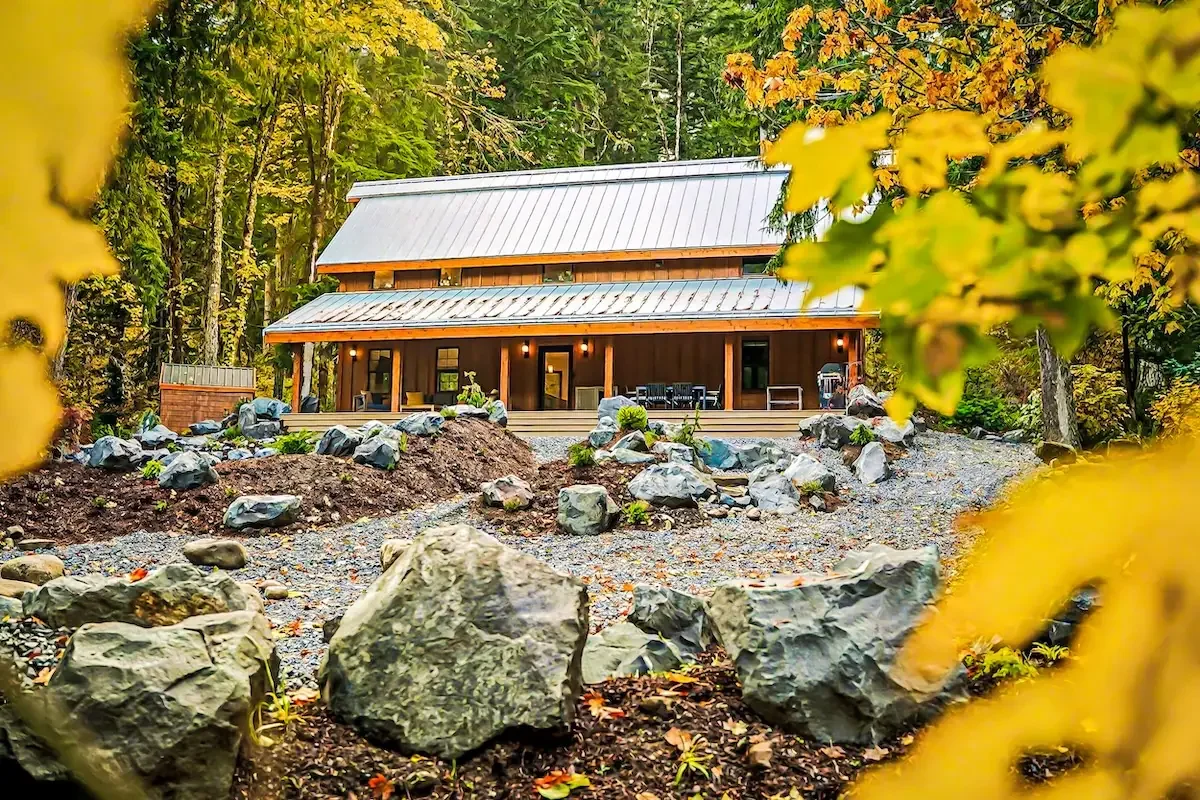
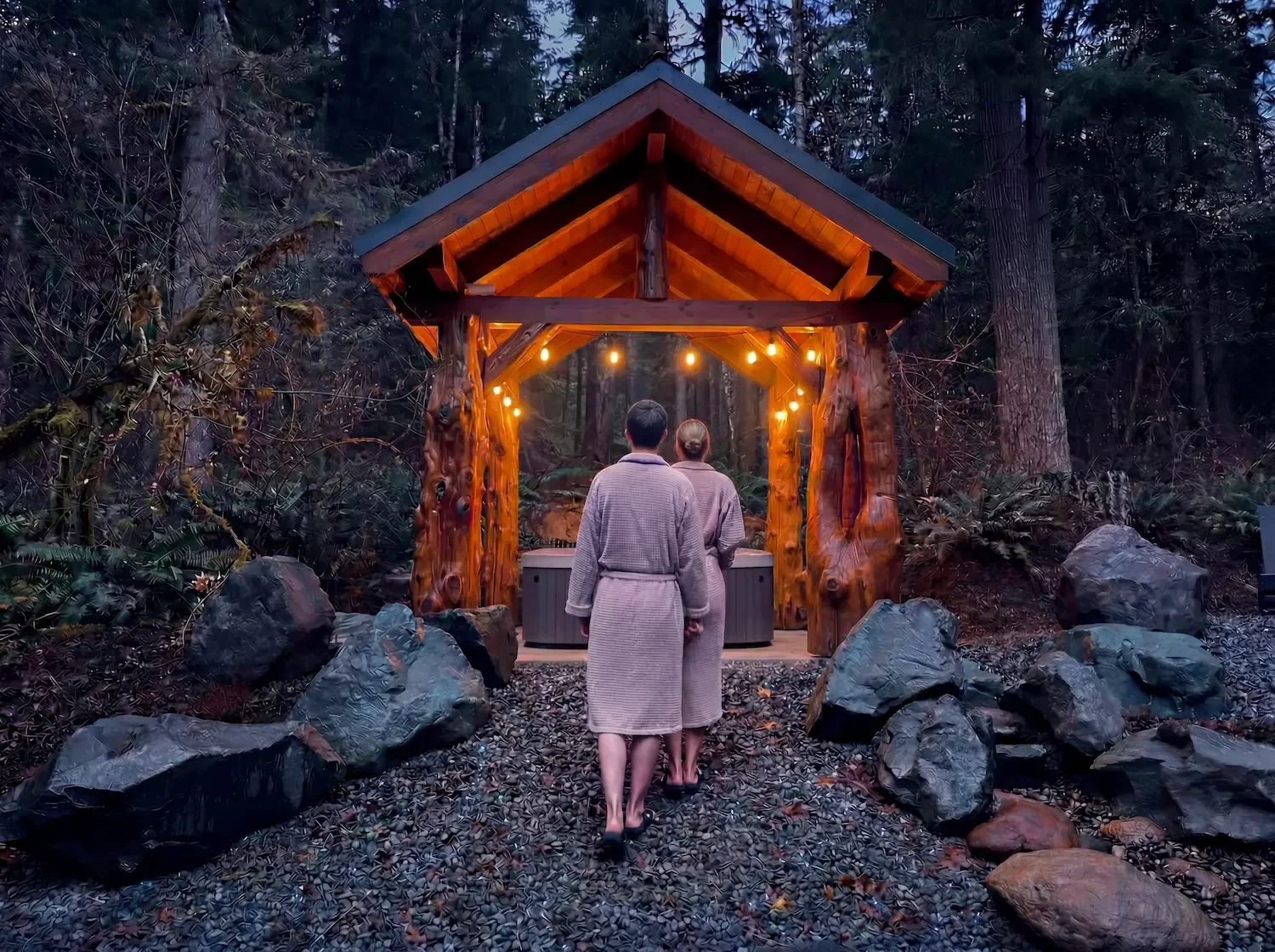
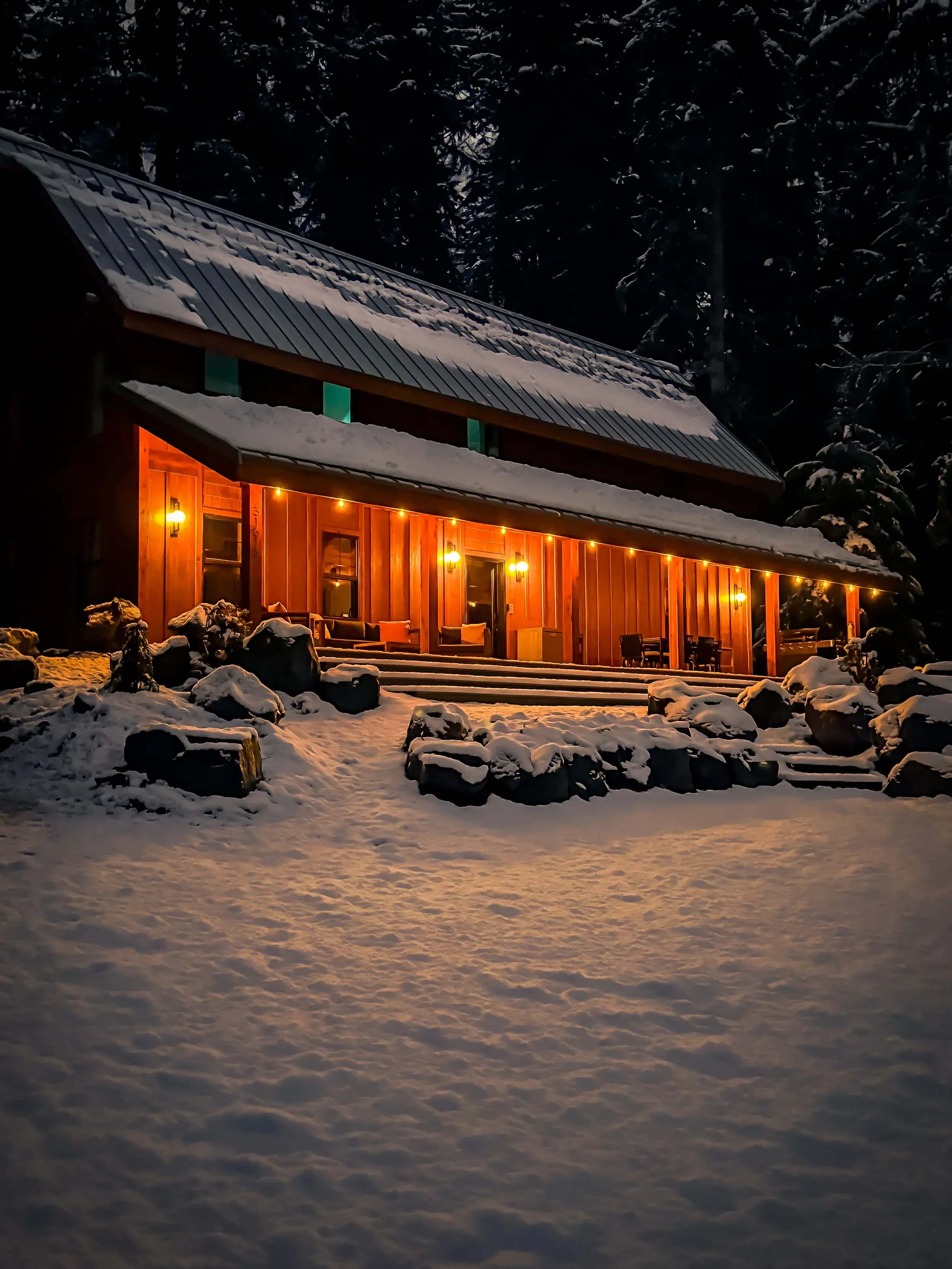
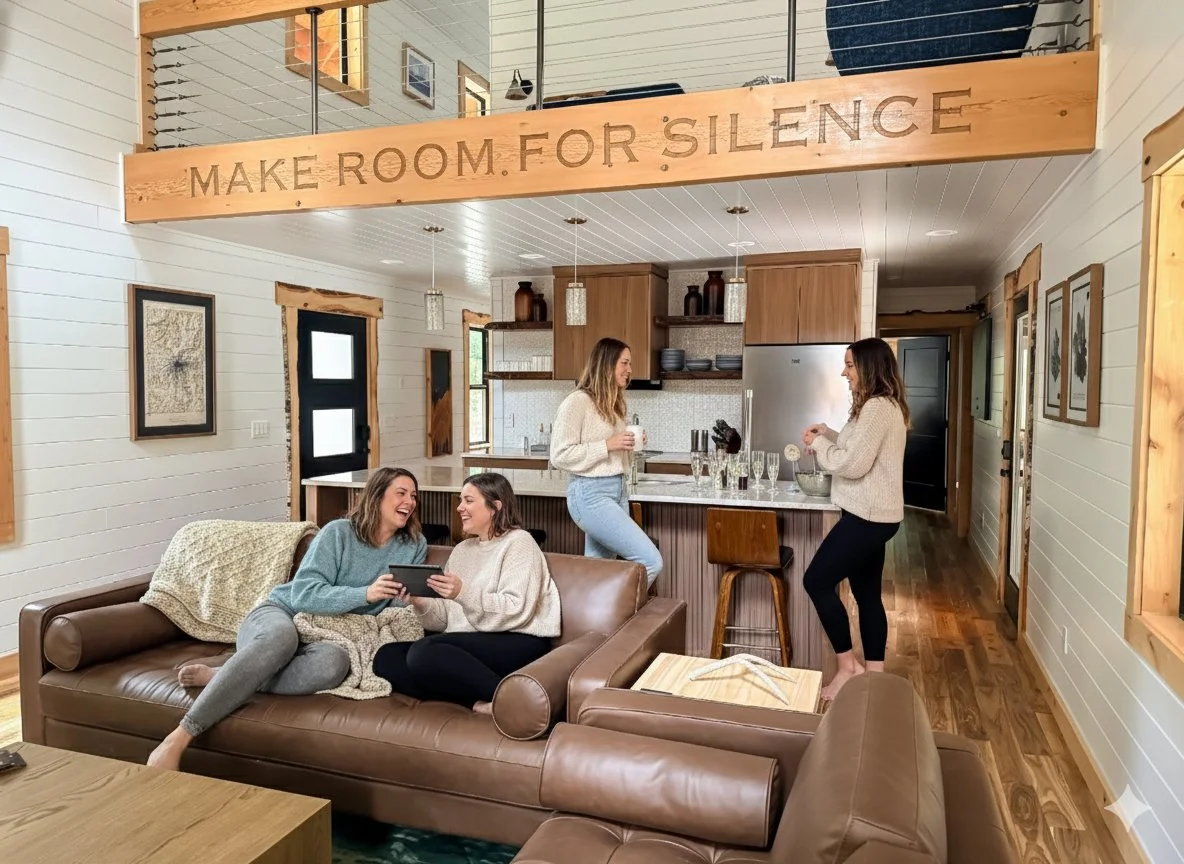
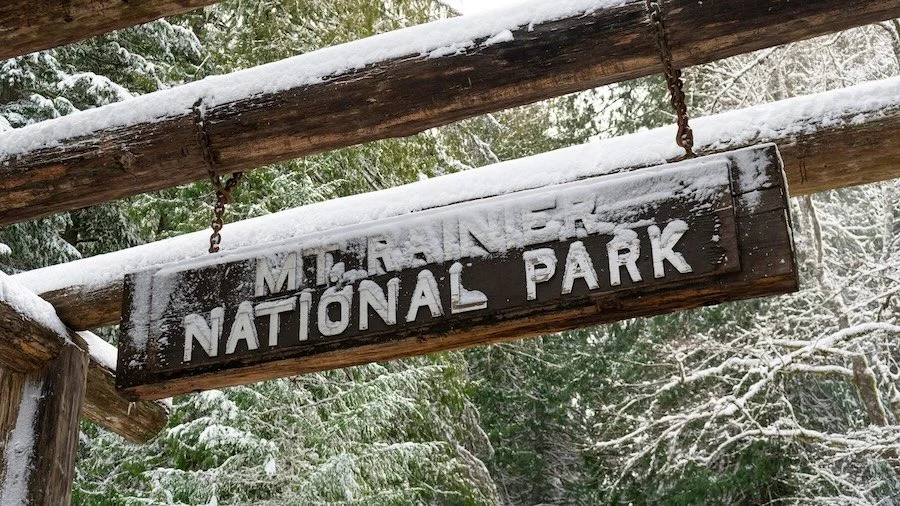
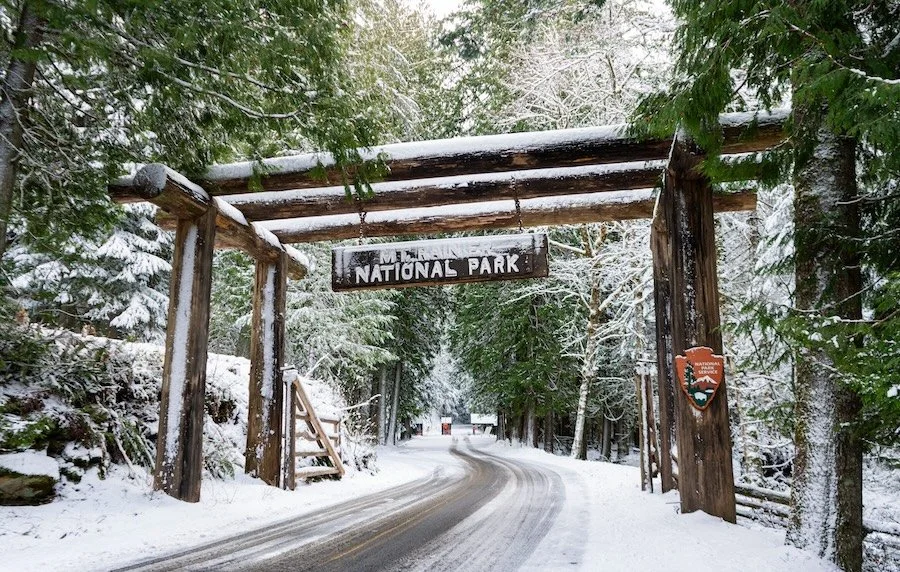
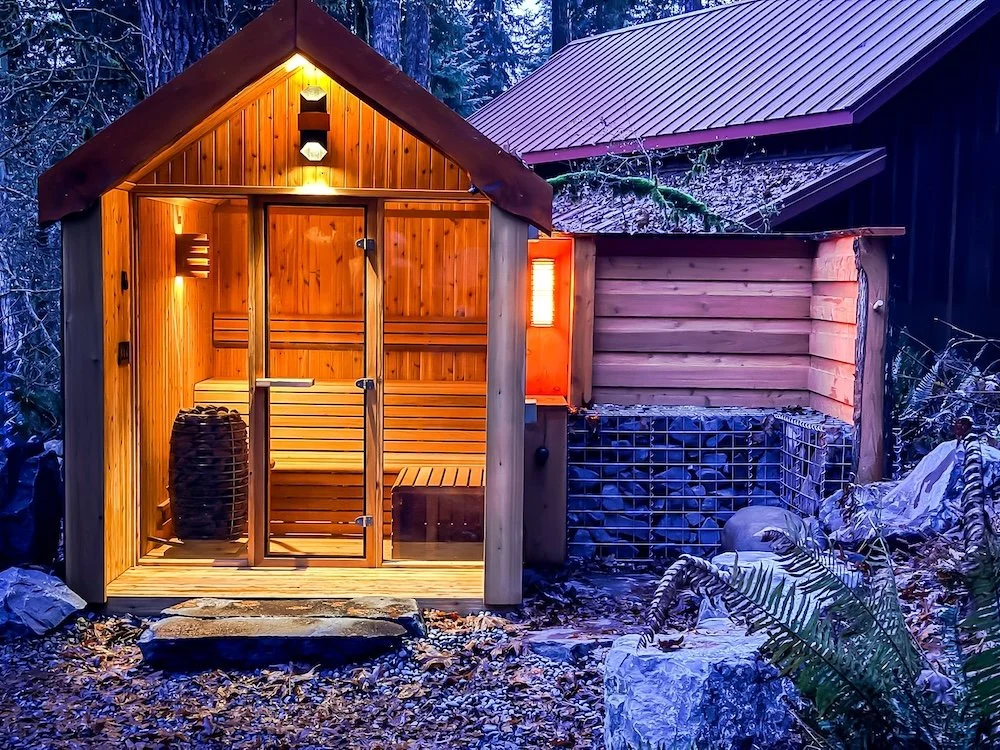
The Nisqually Entrance is the most accessible entry into the park year-round, and the scenic corridor from Ashford through Longmire to Paradise covers about 20 miles of road worth taking slowly. Fjellsangin sits ten minutes from the gate — a modern Nordic cabin in Ashford sleeping up to six, with a cedar-lined sauna and covered hot tub pavilion to return to after a day on the road. Most of the drives in this guide take half a day or less, leaving plenty of time to be back before dark.
Some of the most memorable moments on this mountain come from behind the wheel — winding through tunnels of tall trees, rounding a curve to find a waterfall framed in stone, or pulling over at an overlook where the only plan is to sit with the view and let the silence settle. For travelers who prefer a slower pace, who are between hikes, or who simply want to experience the park without committing to a full day on the trail, scenic driving on the Nisqually side offers something that feels increasingly rare: beauty that asks nothing of you but your attention.
From Fjellsangin, just minutes from the park entrance in Ashford, these drives begin at the front door.
Why Is the Nisqually Side the Best for a Scenic Drive?
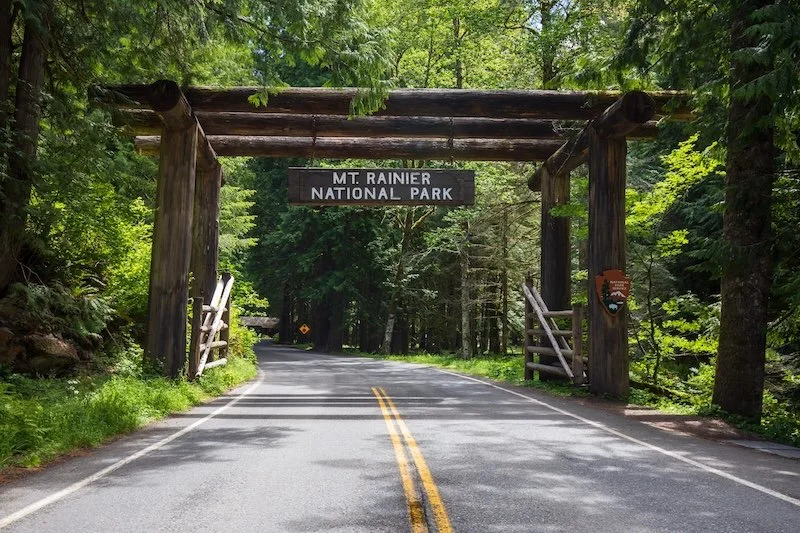
The Nisqually Entrance is the most accessible gateway to Mount Rainier year-round, and it happens to be threaded with some of the most scenic road miles in the park. Paved roads are maintained longer into winter than other entrances, the distances between viewpoints are manageable, and the iconic scenery — waterfalls, river crossings, alpine transitions — sits close to the road rather than miles down a trail.
Staying nearby means you can head into the park when the light is best, return easily when the weather shifts, and explore at whatever pace the day calls for. If this is your first visit, our guide to what to expect at the Nisqually Entrance year-round covers seasonal access, road conditions, and timing. Before any drive, check current road conditions and park alerts on the NPS website.
Christine Falls: Where to Stop First
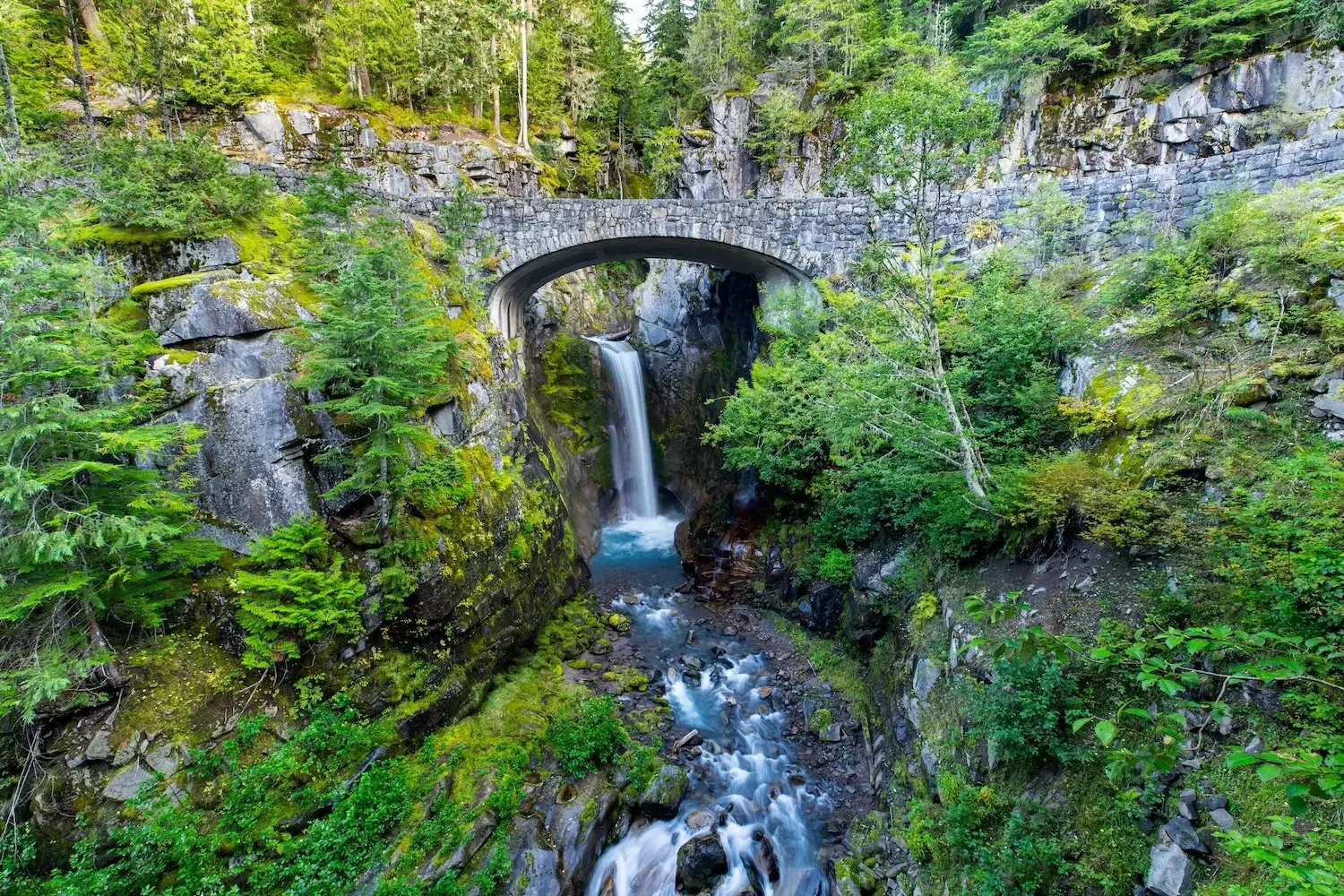
A few miles past the Nisqually gate, Christine Falls appears at a roadside pullout that nearly everyone drives past the first time and stops at every time after. Water falls beneath a historic stone arch bridge and drops into a narrow gorge — especially powerful in spring snowmelt and after heavy rain, when the volume turns the falls into something audible from the parking area.
It’s a five-minute stop that earns its place on every itinerary. Start here on the way in, come back to it on the way out in a different light. The falls look different every time.
It’s pretty amazing, because you see Christine Falls with the mountain in the background, and it is breathtaking.
Longmire: The Anchor of the Nisqually Side
A few minutes farther along the road, Longmire is one of the park's oldest developed areas — and on days when the upper road is closed, it's usually the better reason to make the drive.
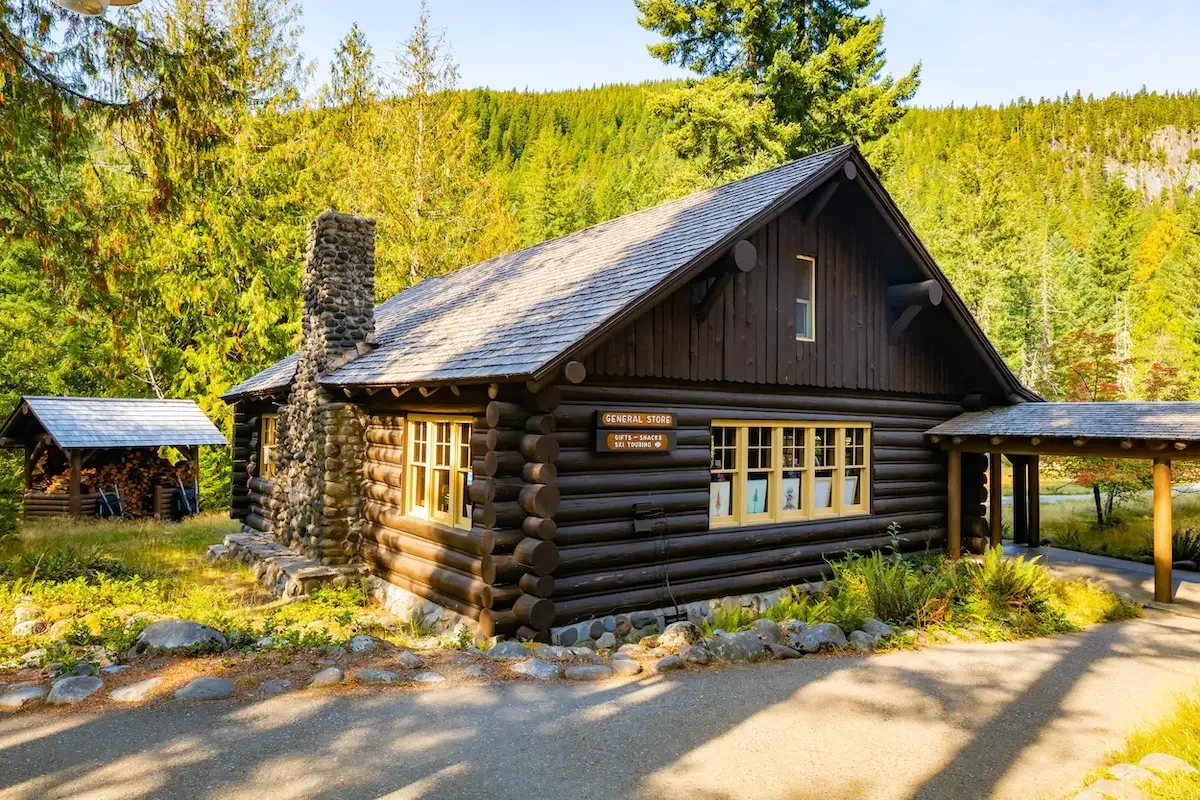
The meadows open up, and the mountain appears when the weather cooperates. The buildings go back to the 1920s and 30s. A small museum covers the history, and the gift shop is worth more time than the one at Paradise — less crowded, easier to actually look at things.
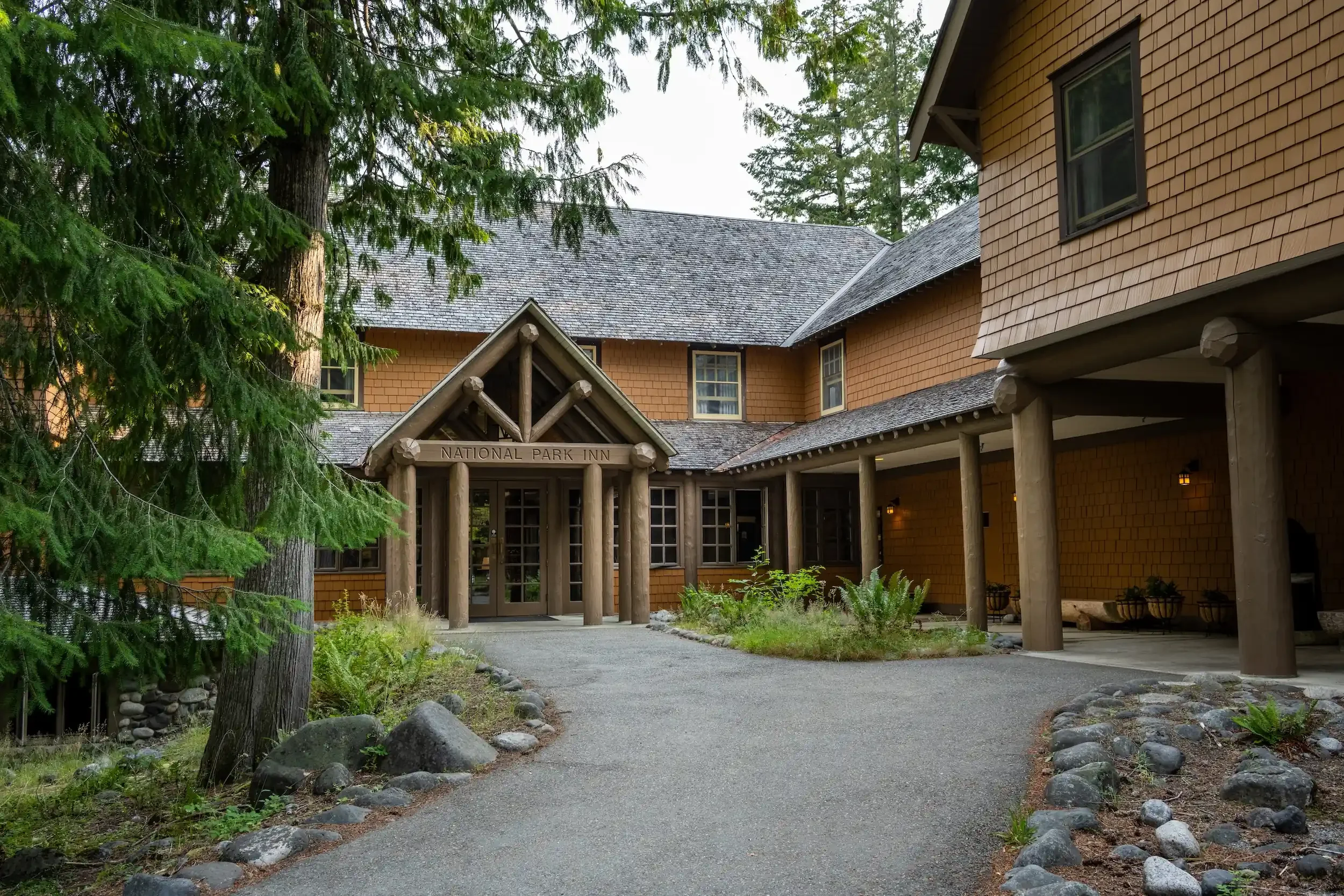
The National Park Inn Restaurant is open year-round and close enough to the cabin that it's a faster dinner option than driving into Eatonville. In summer, reservations are worth making ahead; in the off-season, you can usually walk in without much trouble. The food is consistently good — we haven't ordered anything we didn't like — and in warmer months the patio opens with a direct view of the mountain. The scones are worth knowing about: Lee has been disappointed enough times finding them gone that we've stopped assuming they'll be there.
When the road to Paradise is closed, Longmire is still worth the drive. When it isn't, the restaurant alone is reason enough to go back.
The Road to Paradise & What You’ll See Along the Way
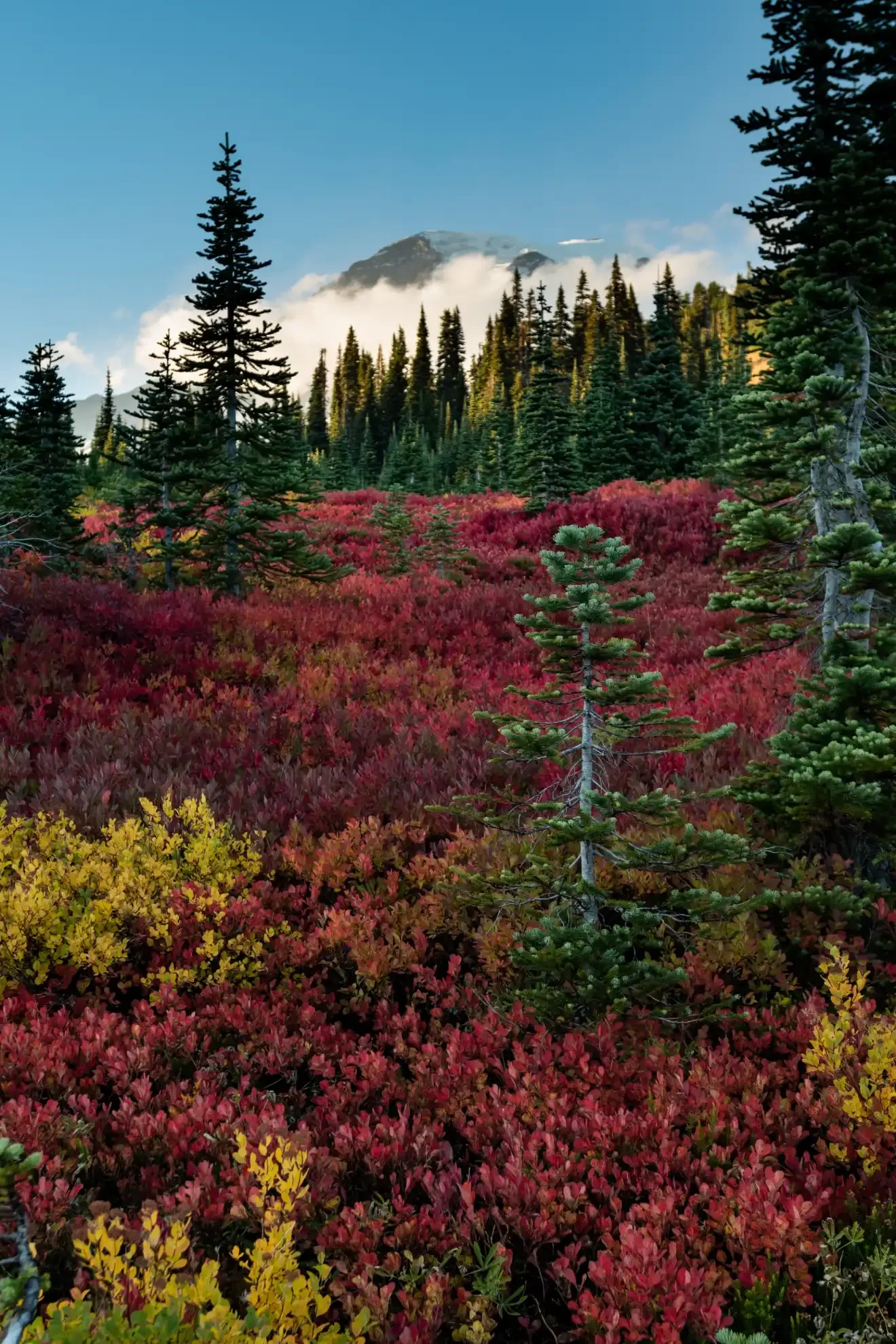
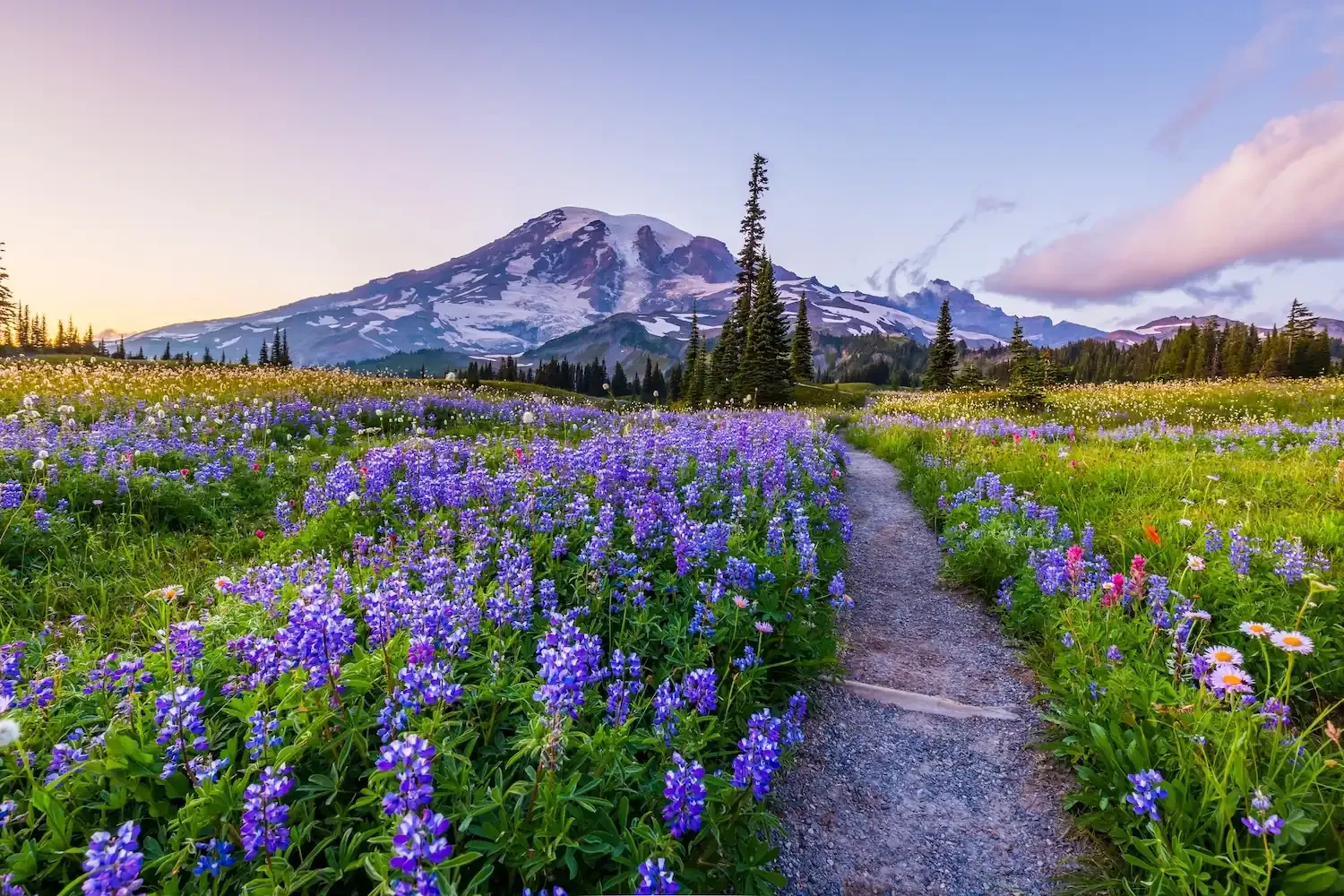
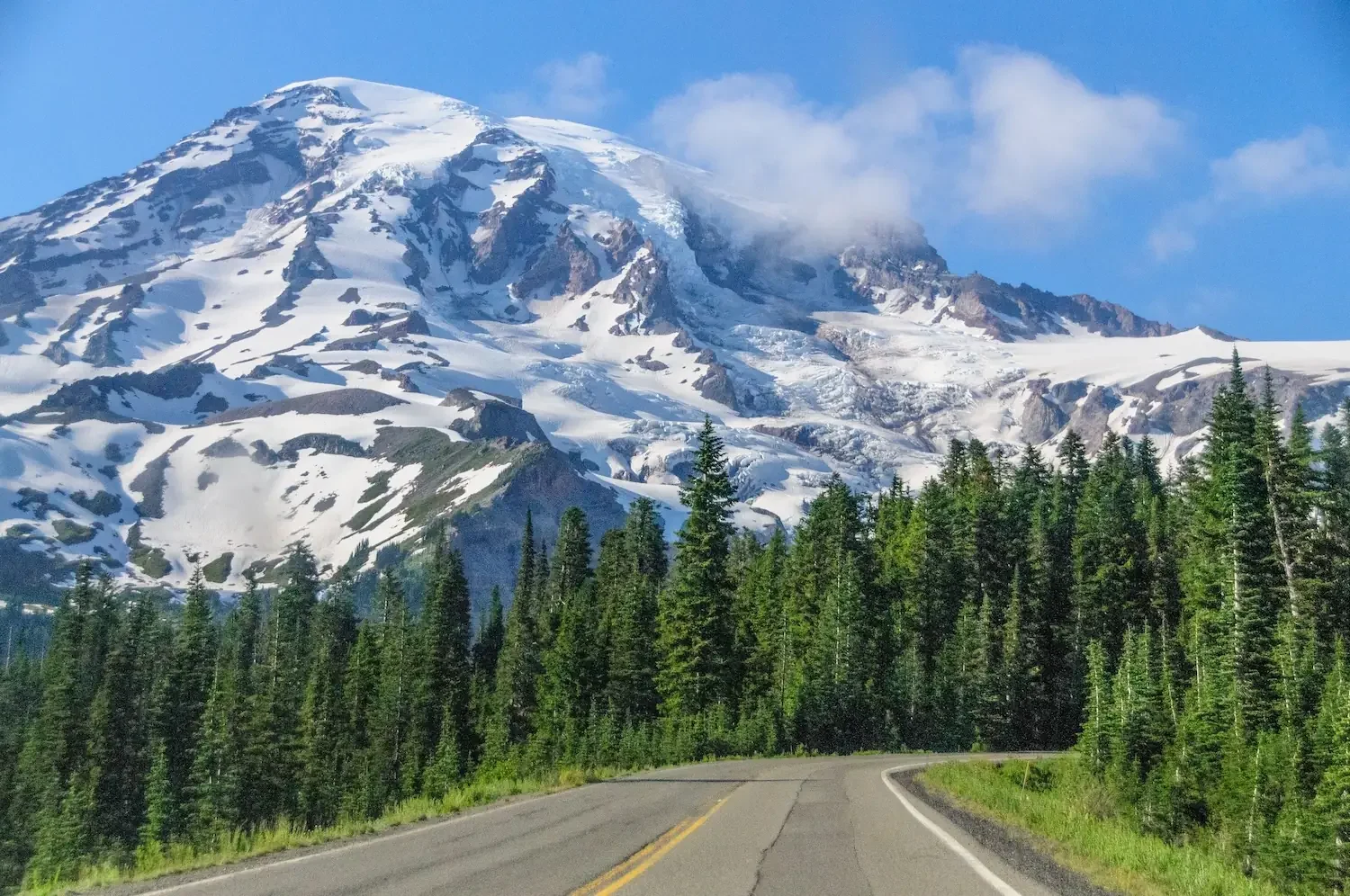
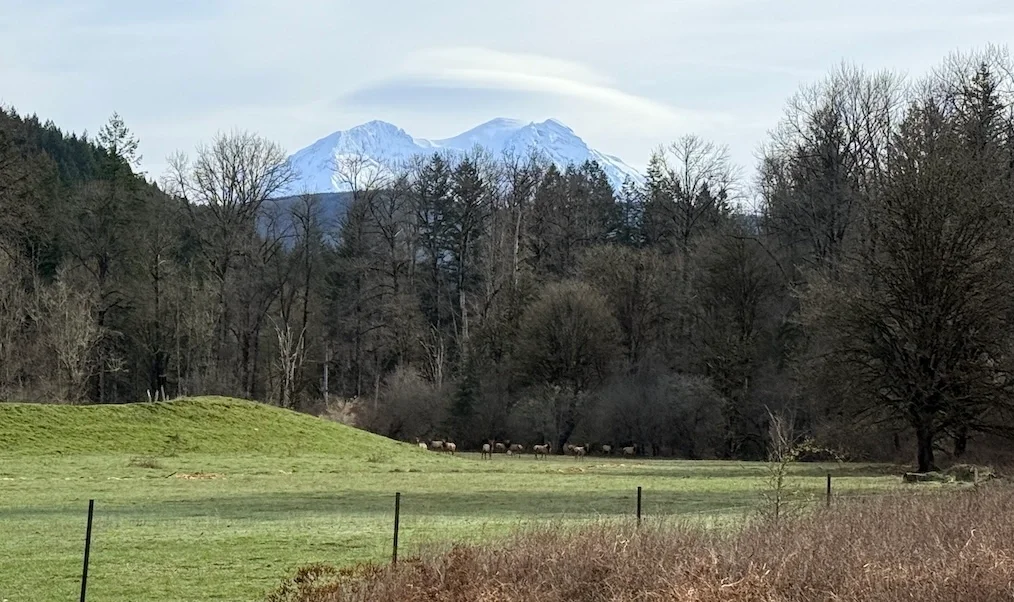
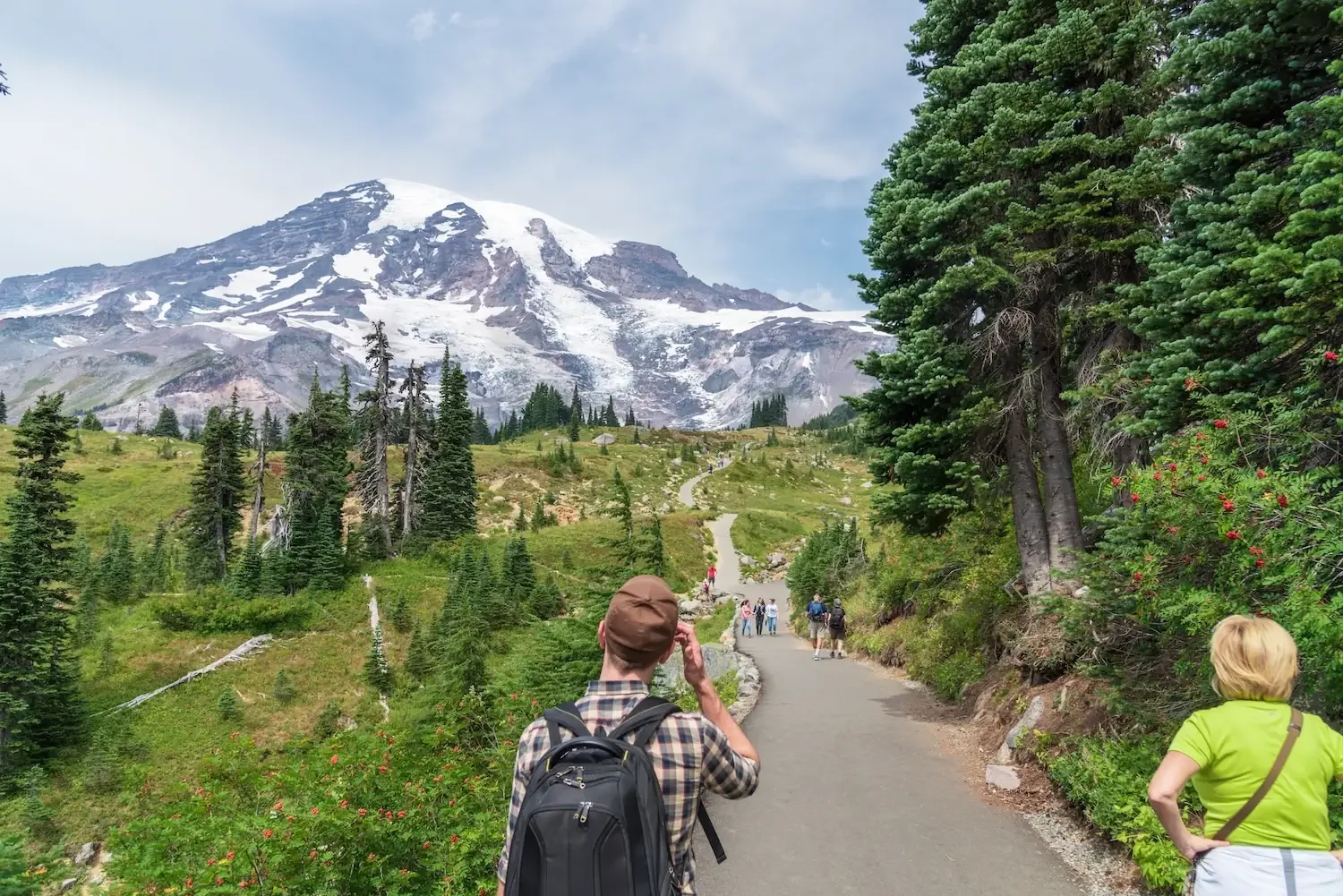
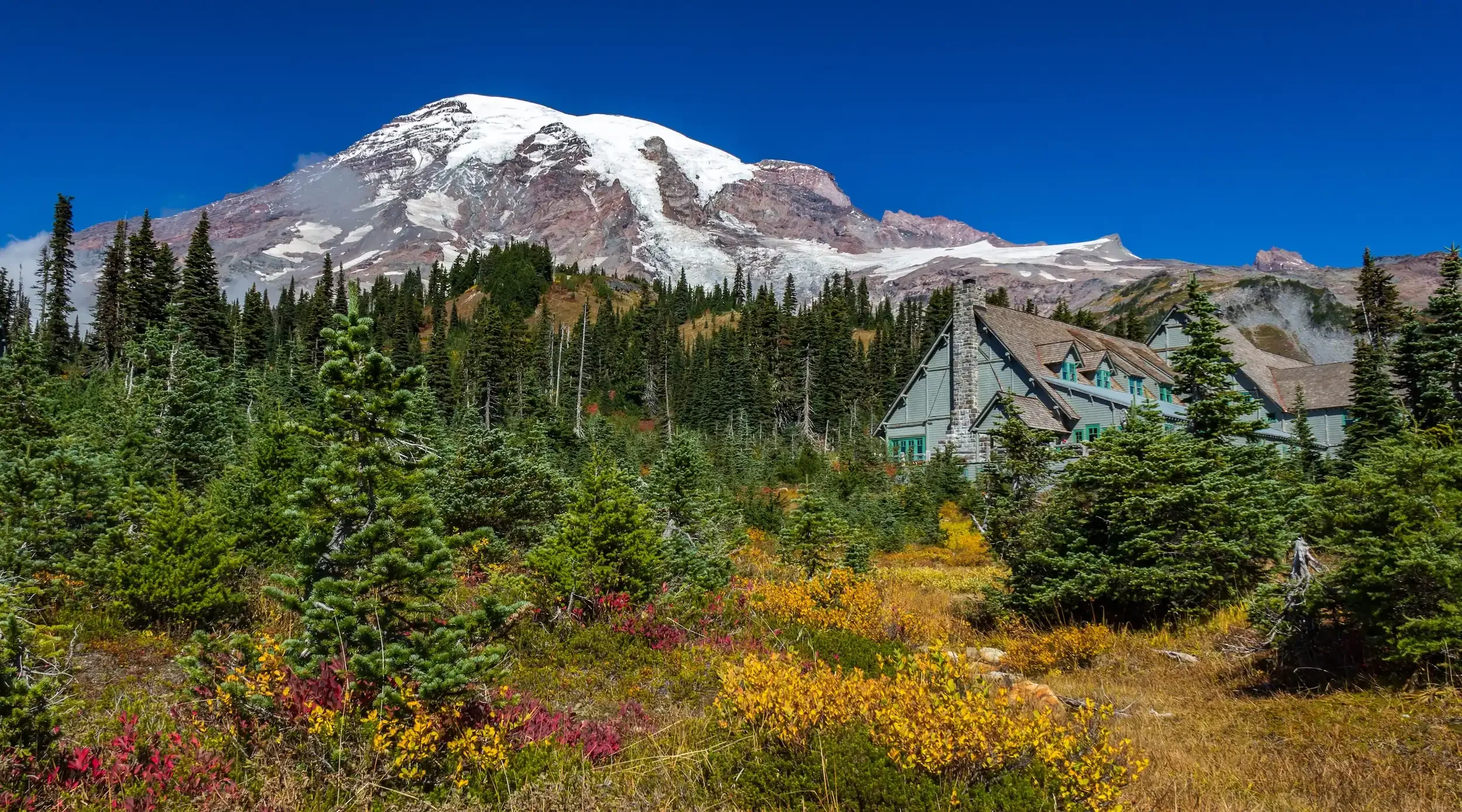
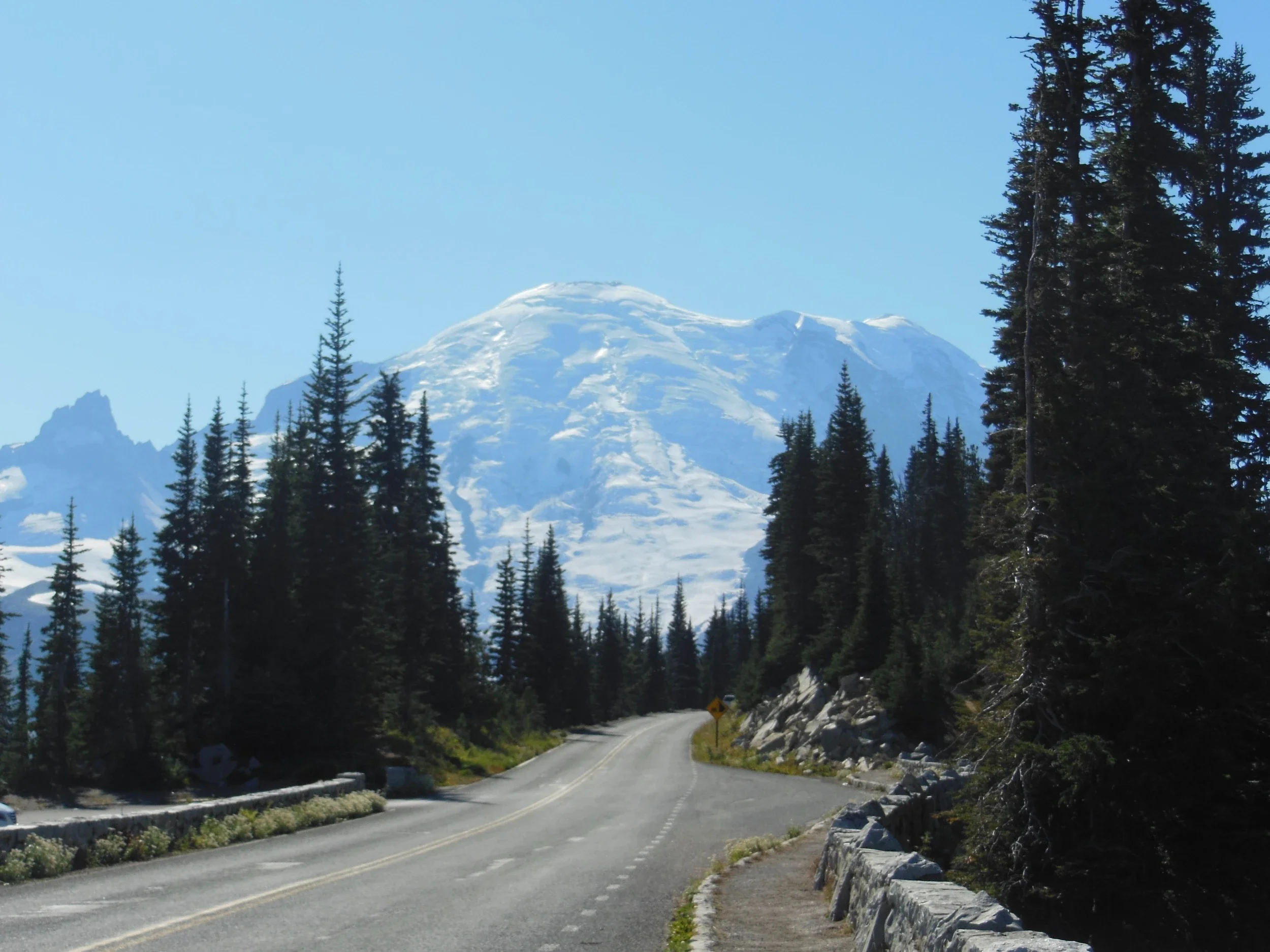
The drive from Longmire toward Paradise is worth doing even if you don't go all the way. As the elevation rises, the forest thins and the mountain starts appearing above the treeline — a ridge, a glaciated flank, the summit coming in and out as the road curves. The first time it appears in full it looks almost fake, like someone hung a backdrop. Jennifer says this every time.
In winter, the road to Paradise opens only when conditions are safe, typically late morning through mid-afternoon. Chain requirements apply. Check WSDOT mountain pass and road conditions before heading up.
What Can You do on Days When You Don’t Want to Hike?
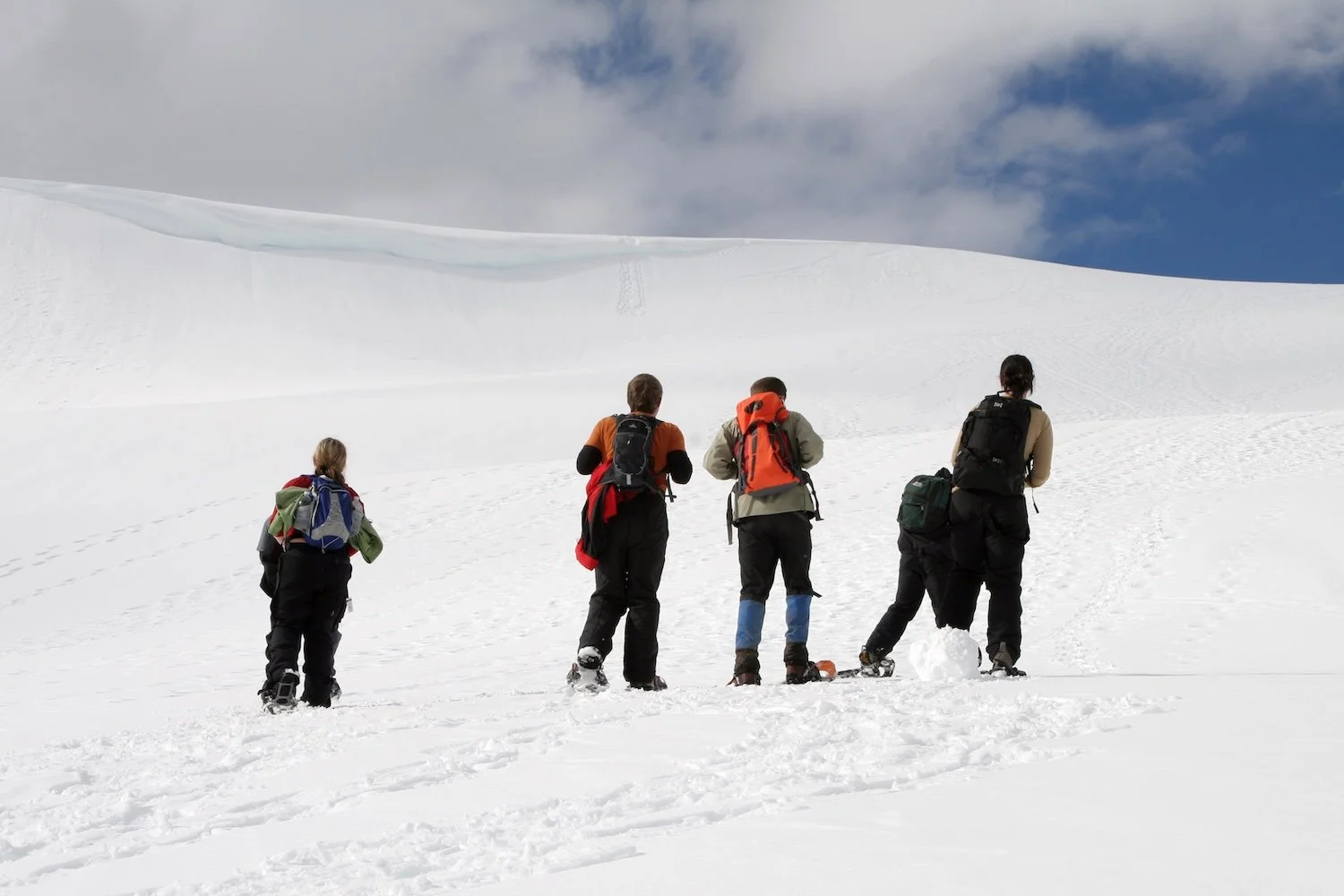
Scenic driving near the Nisqually Entrance is ideal for winter visits, rainy days, recovery days between hikes, or simply those mornings when your body says "not today" and you're wise enough to listen. It pairs naturally with the kind of slow travel that Fjellsangin was designed for — heading out when the light looks good, turning back when the weather shifts, and returning to the cabin between outings to warm up, rest, and head back out again if the mood strikes.
A scenic drive might last an hour or stretch across an afternoon. You can pair it with a short walk at Longmire, a stop at Christine Falls, or nothing at all — just the road, the trees, and the mountain doing what it does.
What Should You Know Before You Drive this Route?
Parking lots at Paradise fill up fast on summer weekends — arriving early makes a real difference. The entrance fee is $30–$35 per vehicle and good for seven consecutive days; motorcycles are $25, and walk-ins are $15 per person. The gate is cashless, but you can buy online in advance through Recreation.gov. If you visit national parks more than once or twice a year, the America the Beautiful annual pass ($80) covers Mt. Rainier and every other federal land site in the country. Trailheads on Washington State land outside the park require a Discover Pass — $45/year or $10/day, available online or at REI and most outdoor retailers; the Mount Tahoma Trails Association has details on where it applies. Cell service is limited inside the park, so download offline maps before you leave.
What Makes This a Different Way to Experience the Mountain?
You don't need a destination to make the drive worth it. Some of the best visits to Rainier happen entirely from the car — windows down, no particular plan, stopping when something catches your eye.
From Fjellsangin, the Nisqually Entrance is ten minutes away. The mountain will still be there whenever you decide to turn around.