When Is the Best Time to Visit Mount Rainier? A Local's Honest Answer
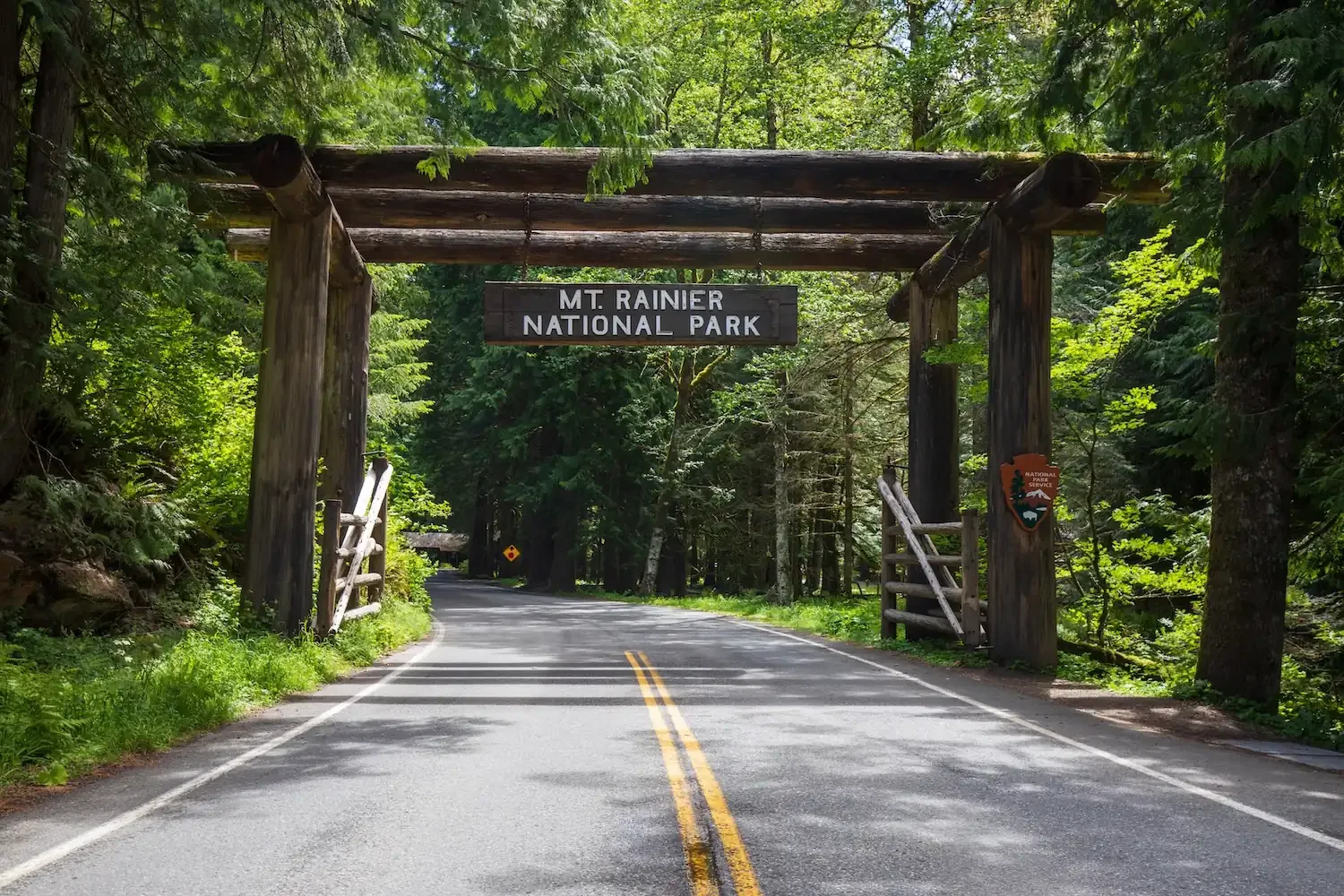
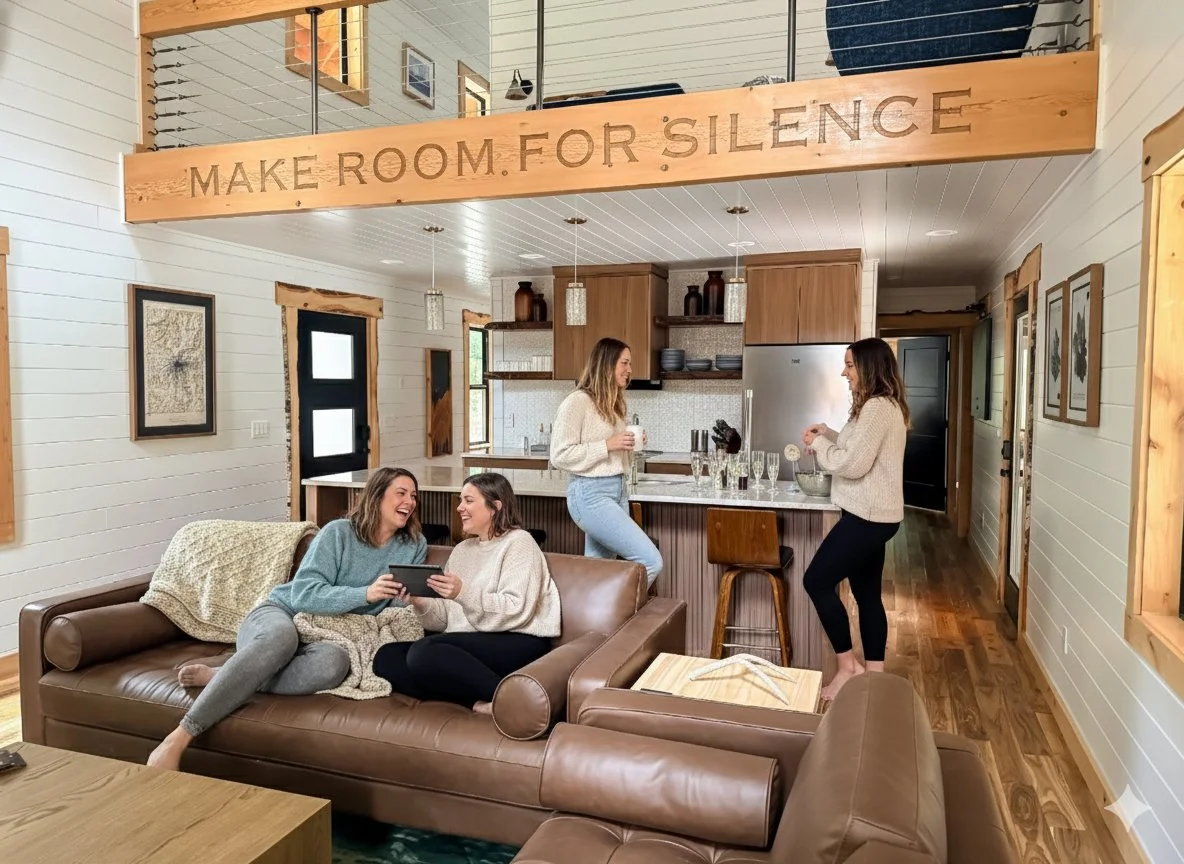
Most visitors plan their Mount Rainier trip around July or August. That makes sense. But each season on the Nisqually side of the mountain is genuinely different, and the one that fits you depends on what you're actually after. We've watched guests arrive in every season at Fjellsangin, ten minutes from the Nisqually Entrance, and the ones who plan by season rather than by calendar date almost always have a better trip.
Summer (July–September): The Most Accessible Season
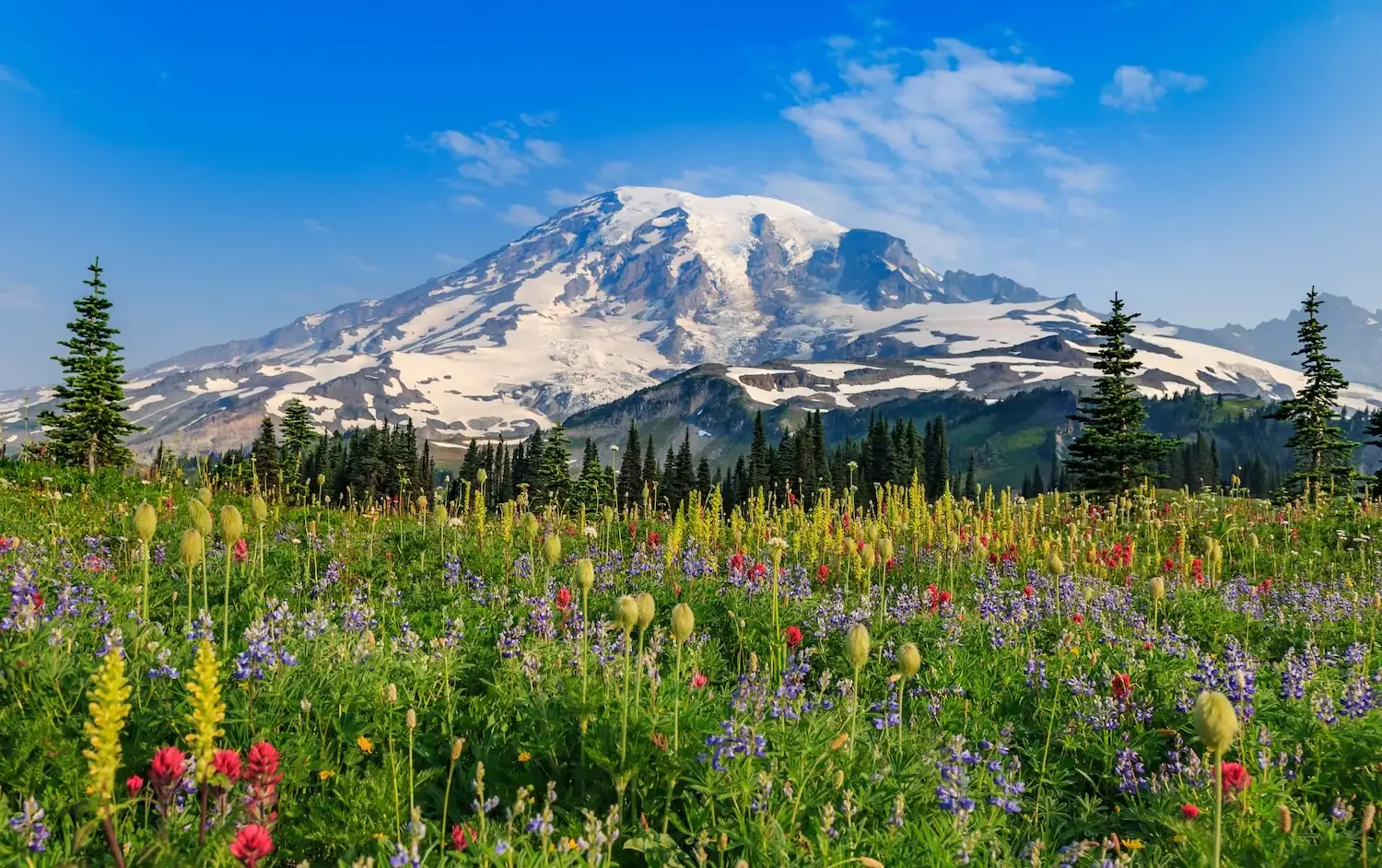
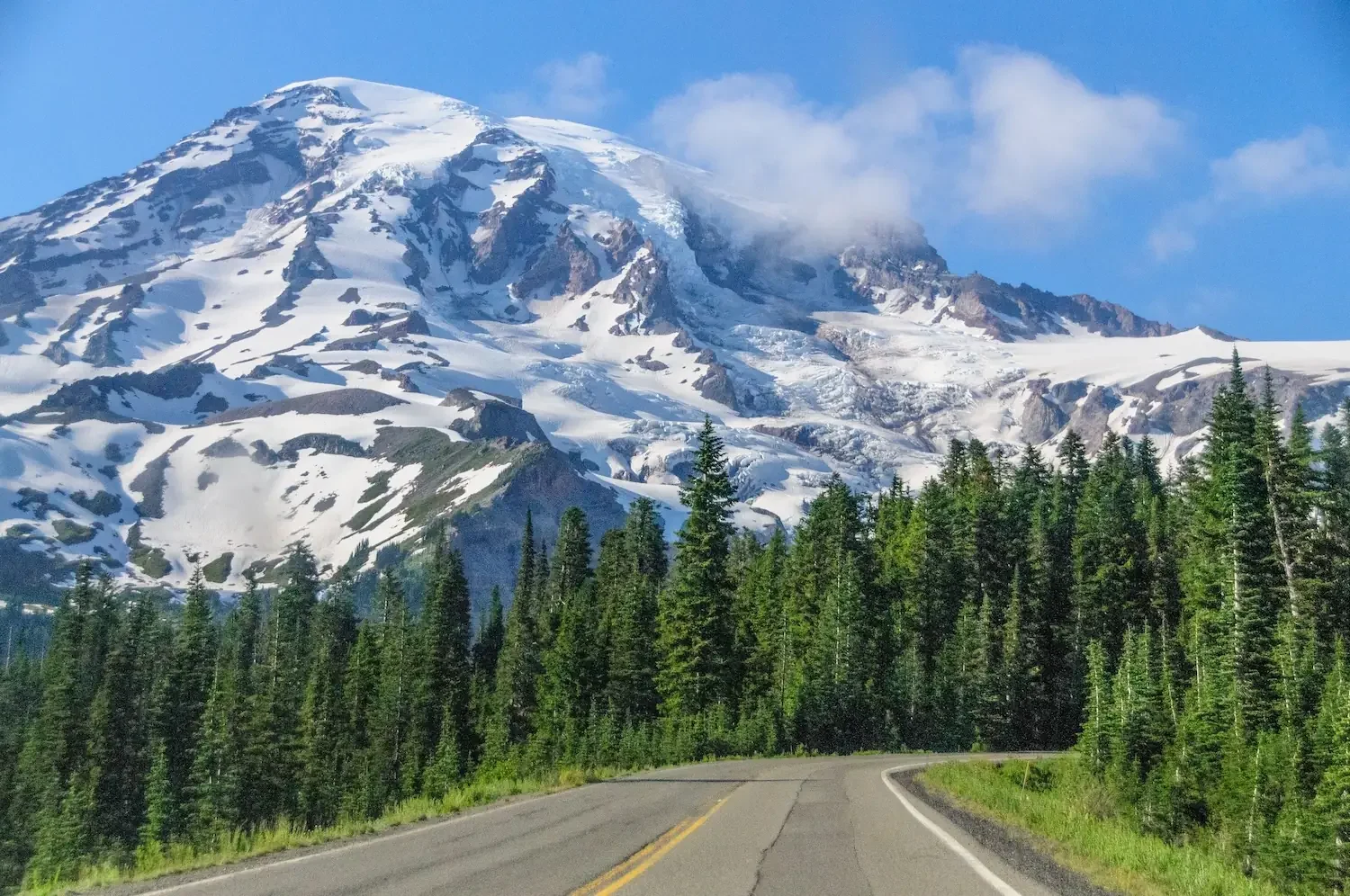
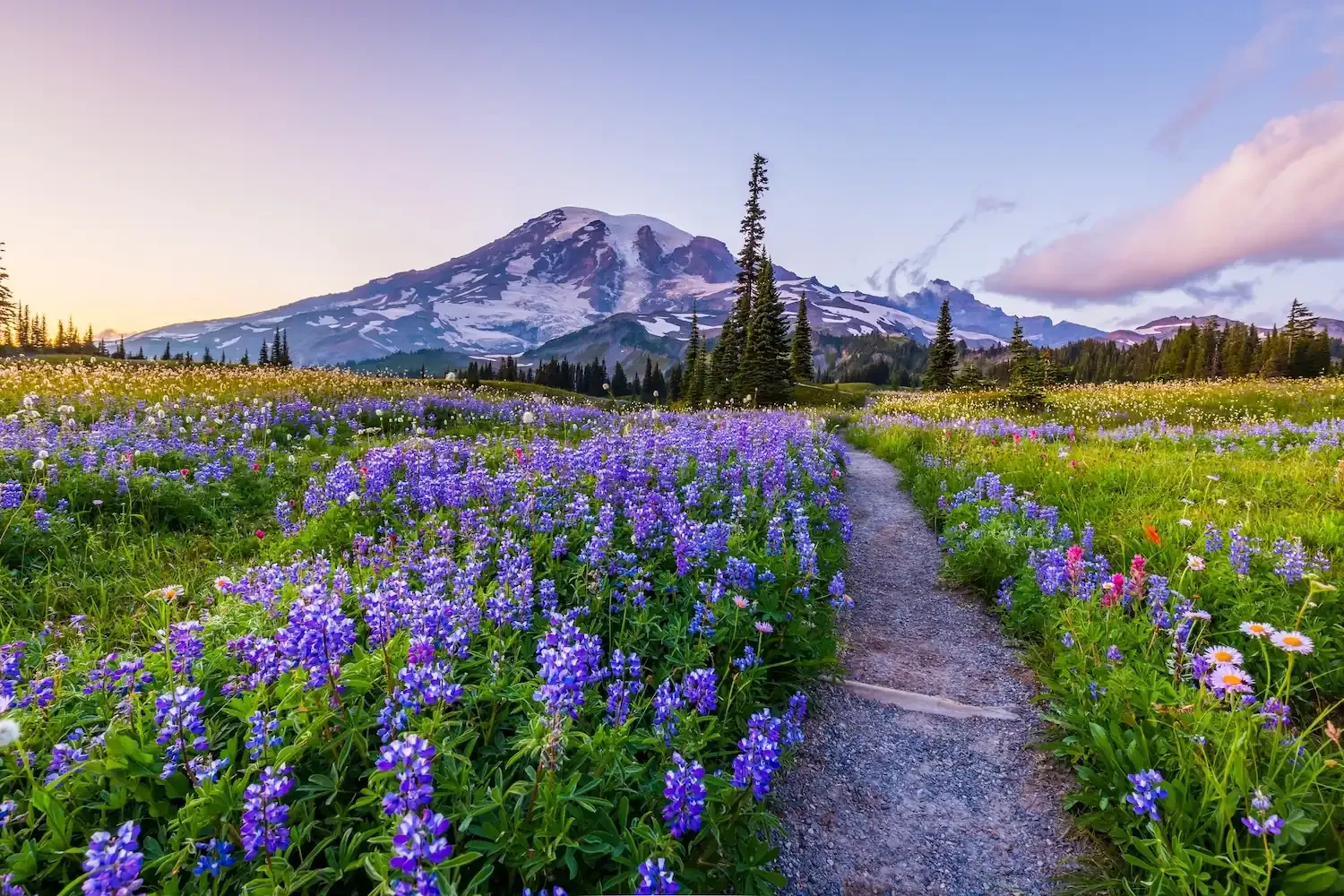
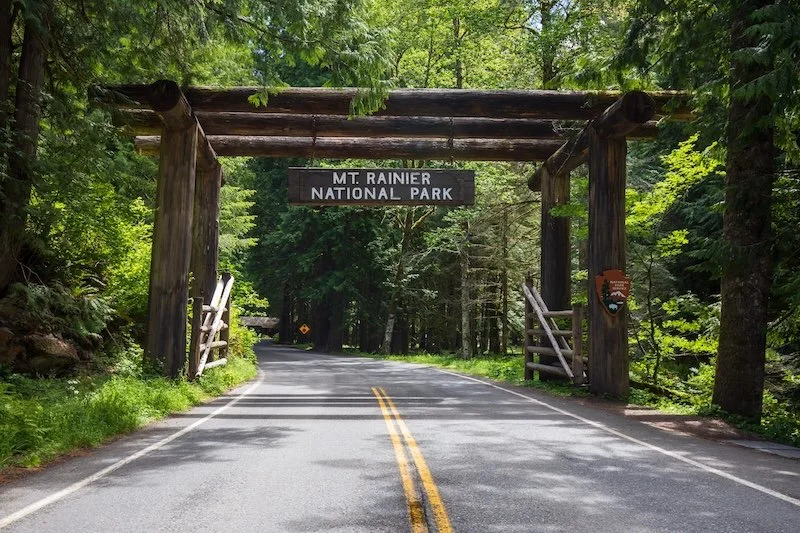
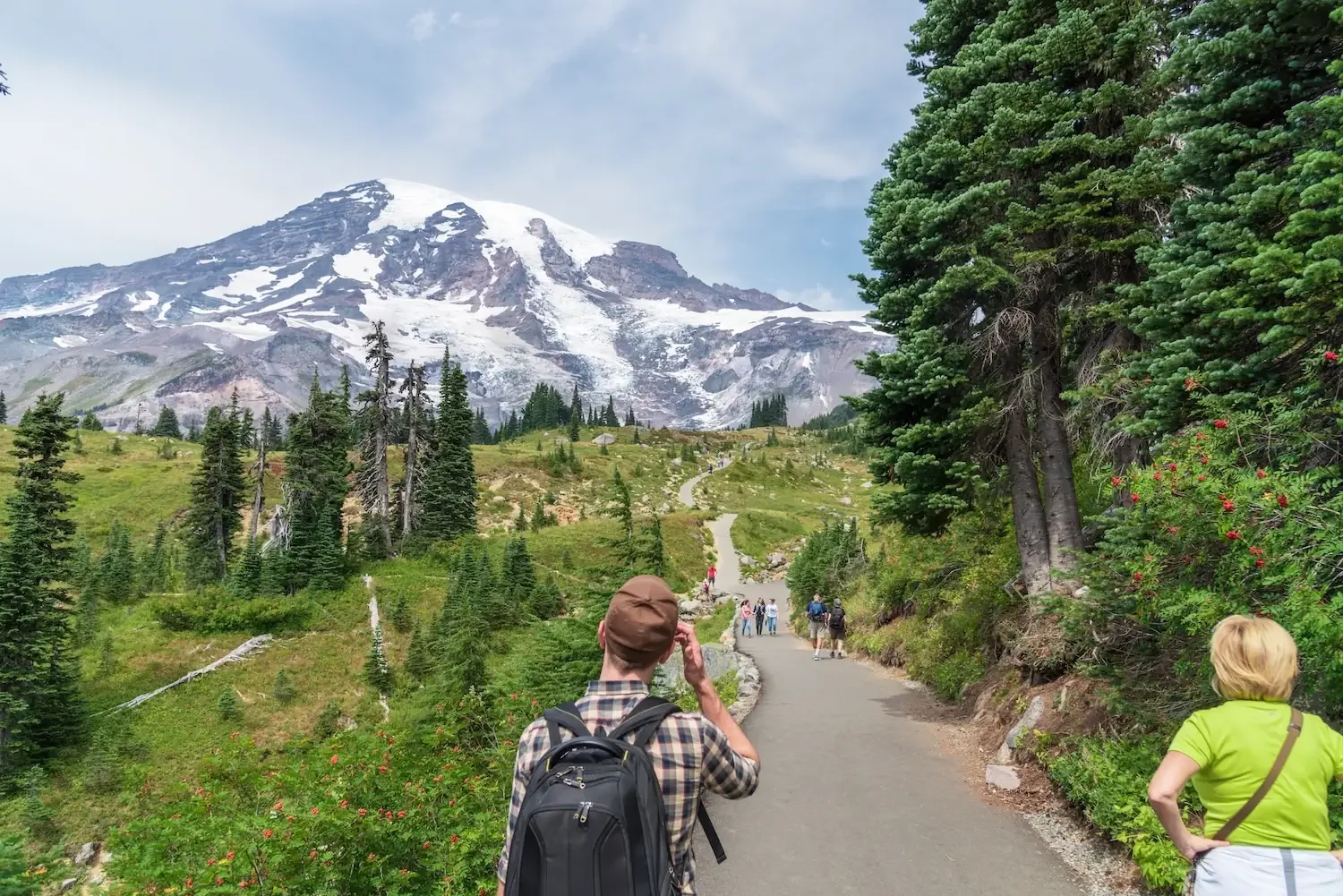
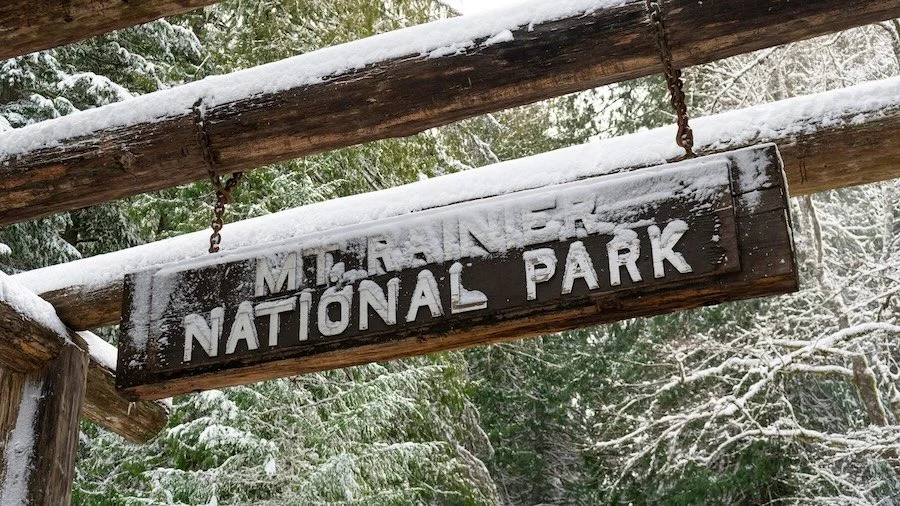
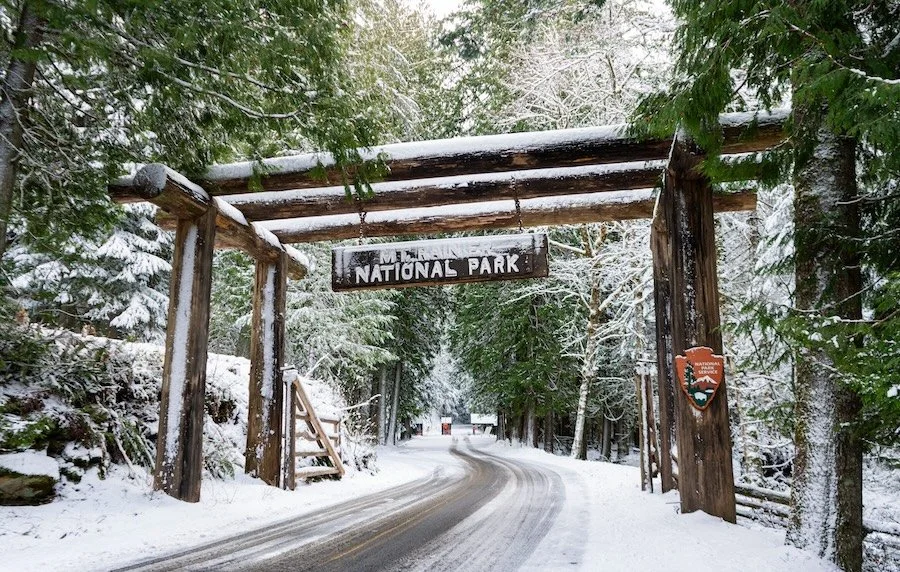
July through September is when Mount Rainier fully opens. The road to Paradise clears, the meadows at high elevation become accessible, and the wildflower bloom — typically late July through mid-August — is the most spectacular in the Pacific Northwest. Trails like Skyline Loop and Comet Falls are running at full capacity. The Nisqually Entrance stays open year-round, but summer is when it's busiest.
Temperatures in Ashford settle into the mid-60s to low 70s. Warm enough for trail layers, cool enough at night to make you want the cabin. The tradeoff is crowds. Paradise parking fills well before 10 AM on summer weekends. Midweek visits change the experience entirely. Tuesday through Thursday in August is a different mountain from Saturday.
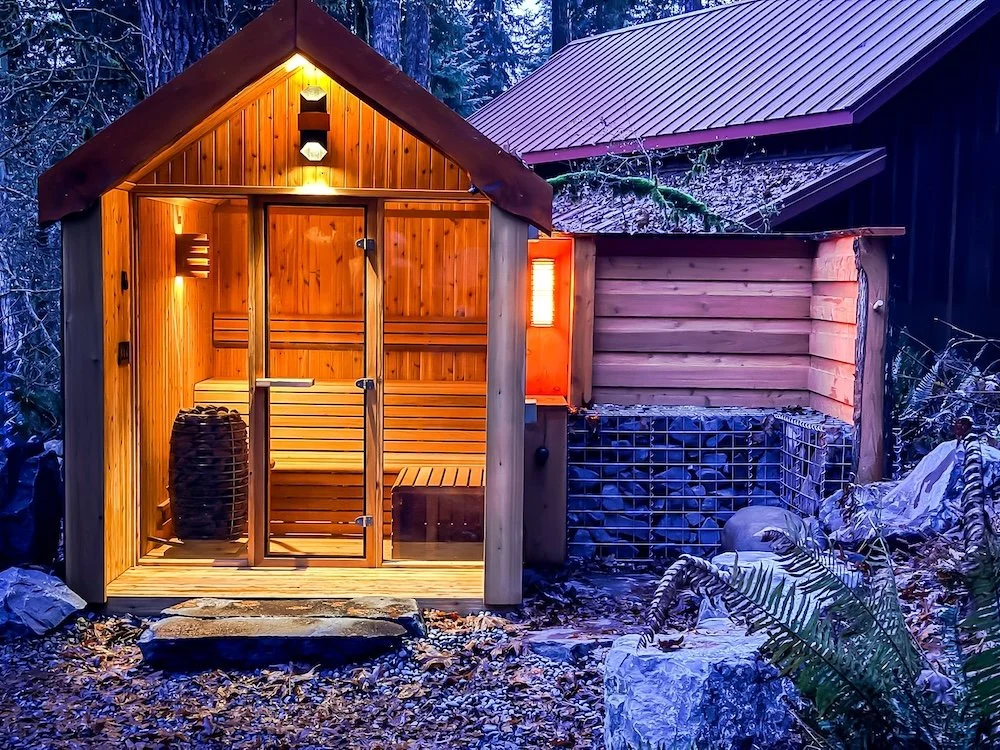
Summer is also when the cedar-lined sauna makes the most sense after a long trail day. Comet Falls is a 3.8-mile round trip. Fifteen minutes in the sauna afterward, and your legs stop arguing with you.
If you're here in summer, leave early. That's the advice we give every guest. On weekends especially, aim to be at the Nisqually Entrance by 6 AM — parking at Paradise fills fast, and the trails get crowded by mid-morning. Lee hikes once a week through the summer, usually heading out around 6, doing the lower Skyline Trail, and home by 11, just in time for the sauna. Weekdays are easier, but the same principle applies: the mountain rewards early risers.
Fall (September–October): The Season Most People Miss
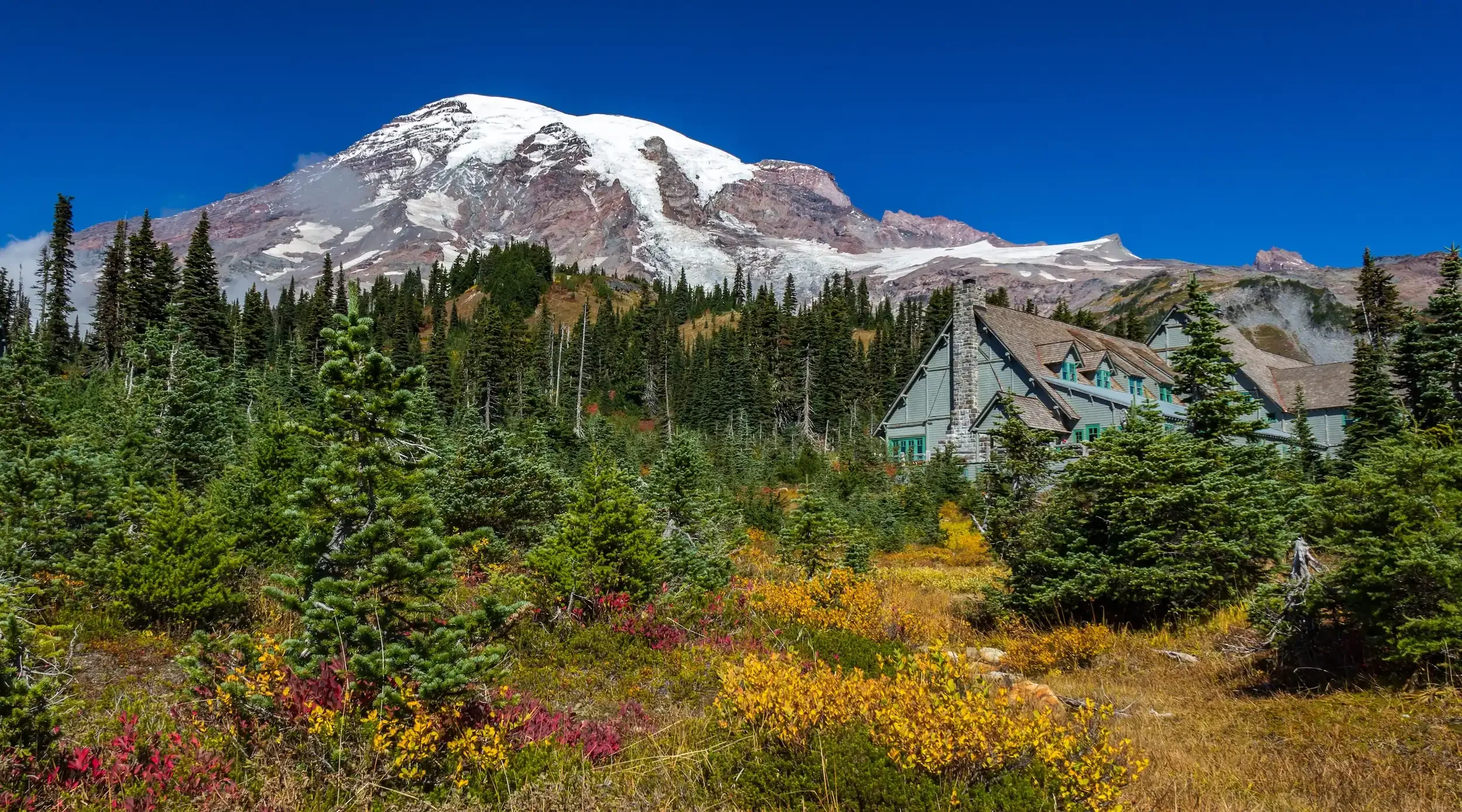
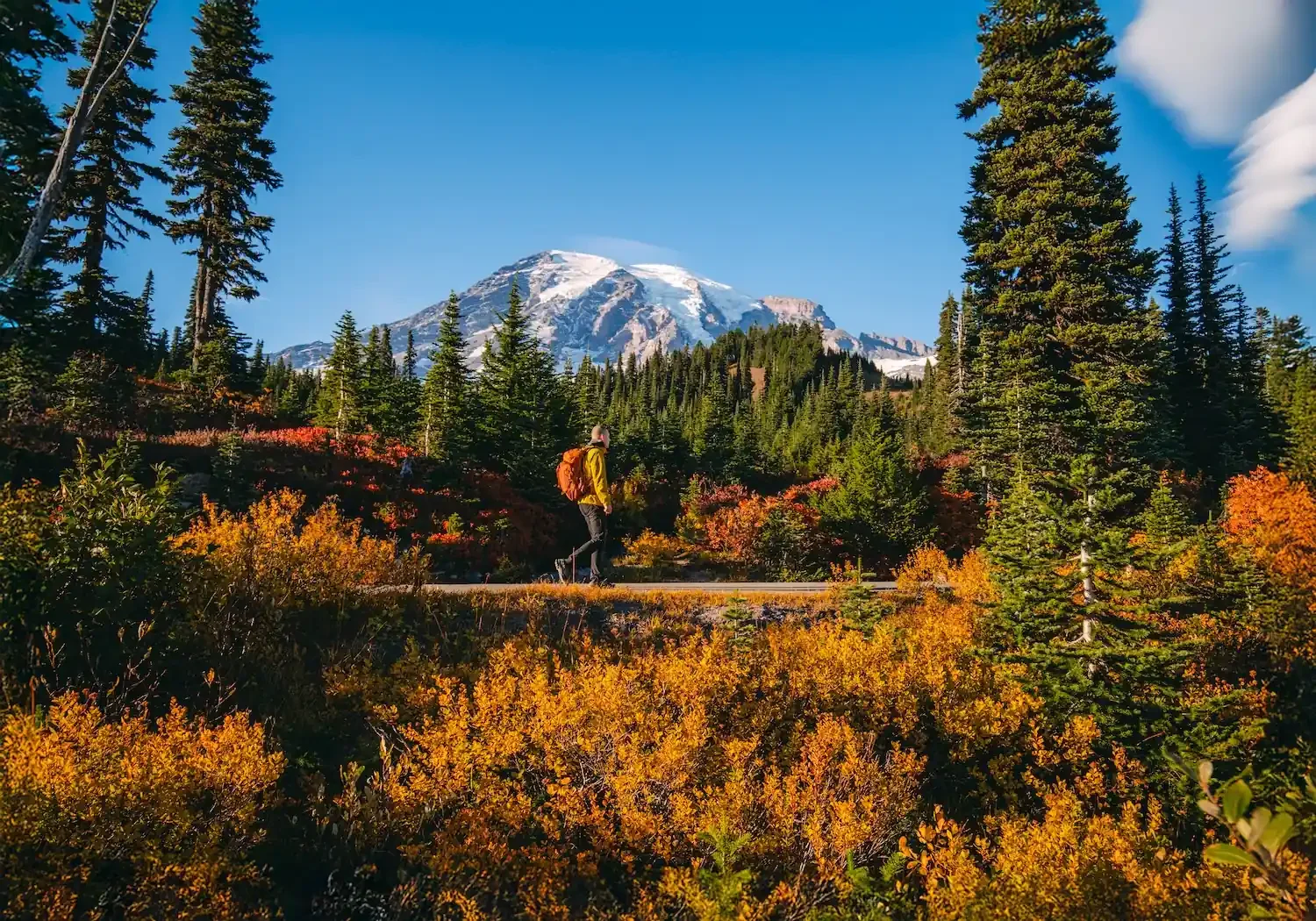
Crowds thin after Labor Day. The mountain doesn't. Lower-elevation trails stay accessible through October, and the vine maples along the Nisqually River corridor turn hard amber and red in a way summer visitors never see. Fog settles into the valley in the mornings and lifts by midday, light that makes old-growth forest look ancient and strange.
Paradise Road typically closes in late October, sometimes earlier. The lower Nisqually corridor stays open: Longmire, the Rampart Ridge Trail, and the suspension bridge. In the fall, it's genuinely uncrowded. You have to be patient to find this version of Mount Rainier. Worth it.
Personally, fall is my favorite season here. The weather holds well into mid to late October — the kind of clear, cool days that feel borrowed from summer — and the fall color on the lower trails is genuinely spectacular. If you have any flexibility in your dates, September and October are worth building a trip around.
Winter (December–March): For People Who Want It to Themselves
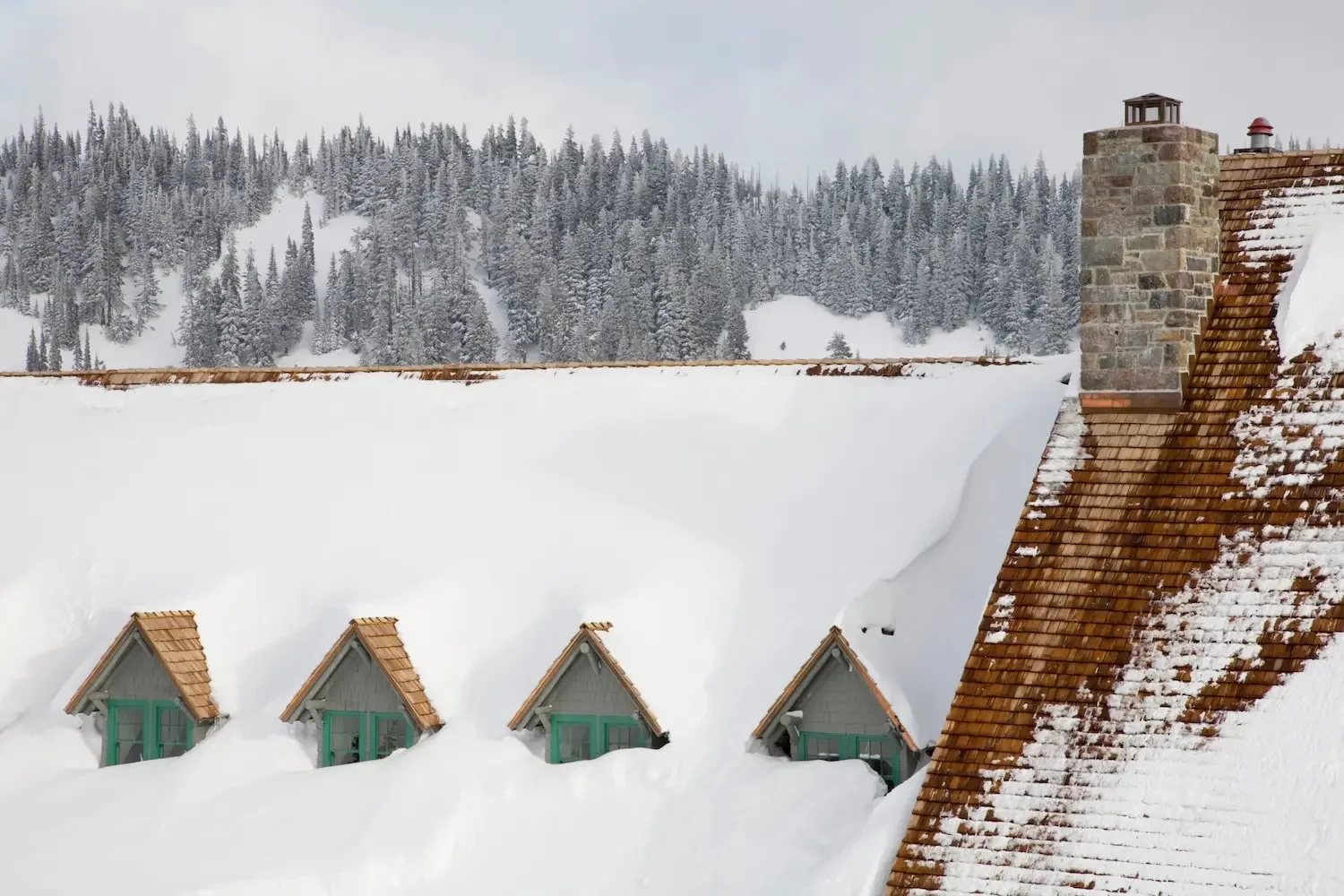
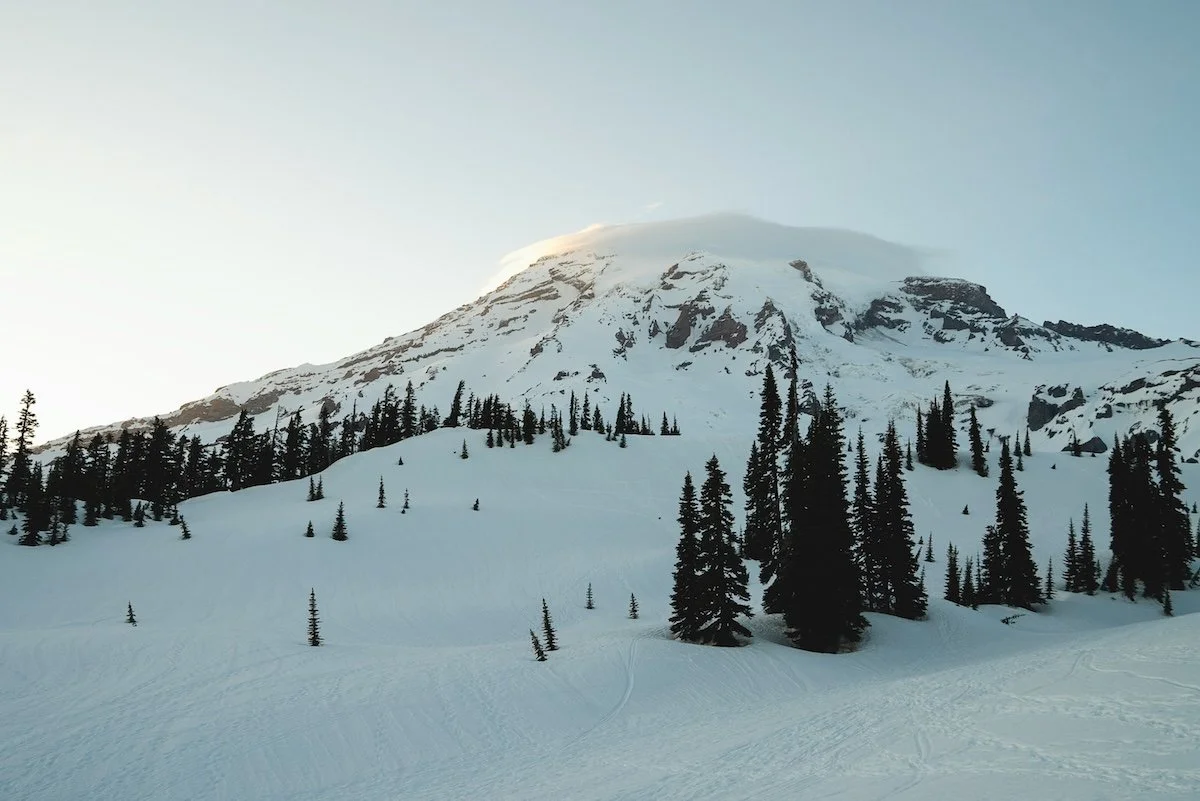
Winter at Rainier is for people who know how to show up for the second act. The Nisqually corridor goes quiet. Snow loads the trees, the river runs steel-grey, and the mountain appears and disappears through cloud. Some mornings it looks like weather you're standing inside. Others it looks like nothing at all.
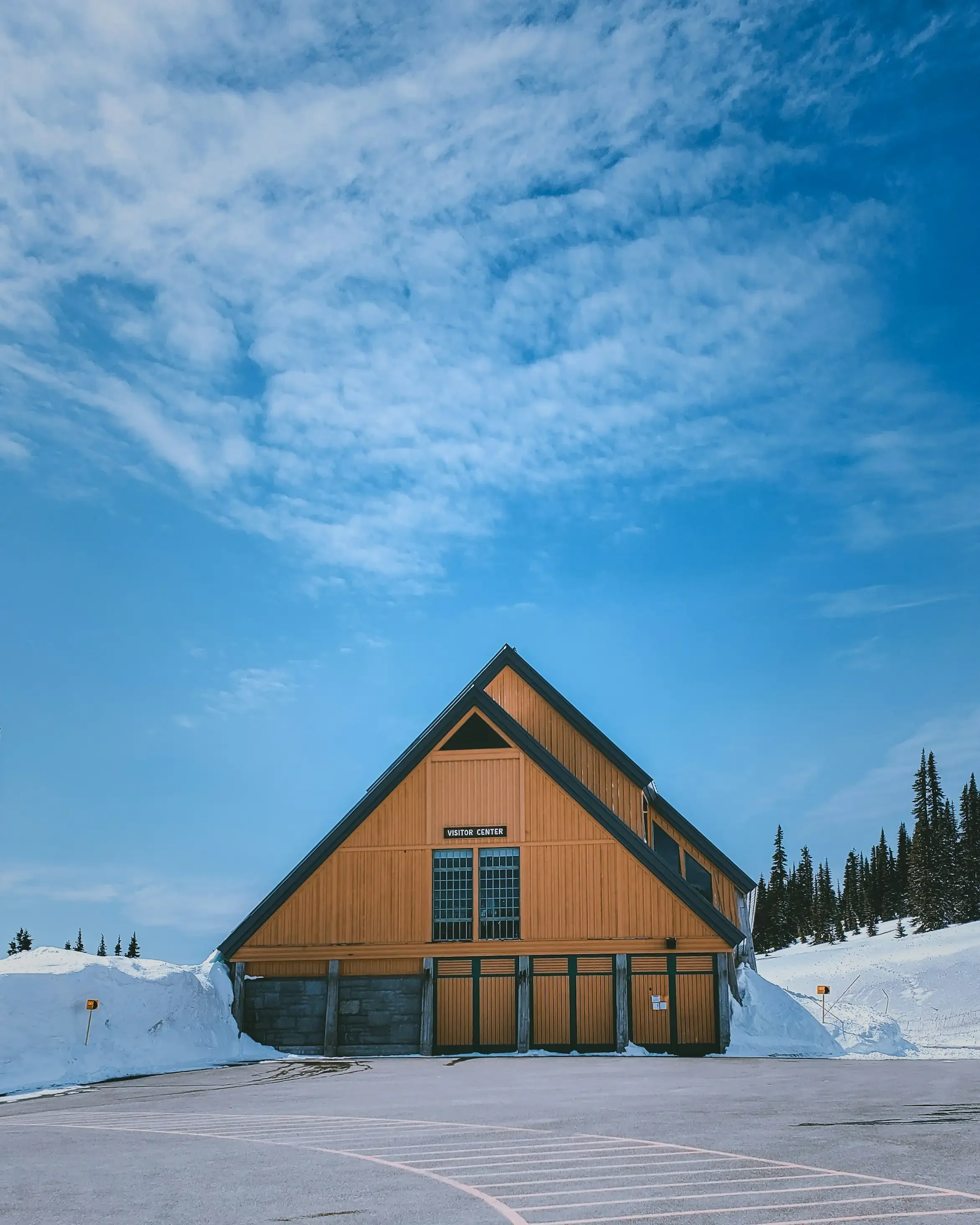
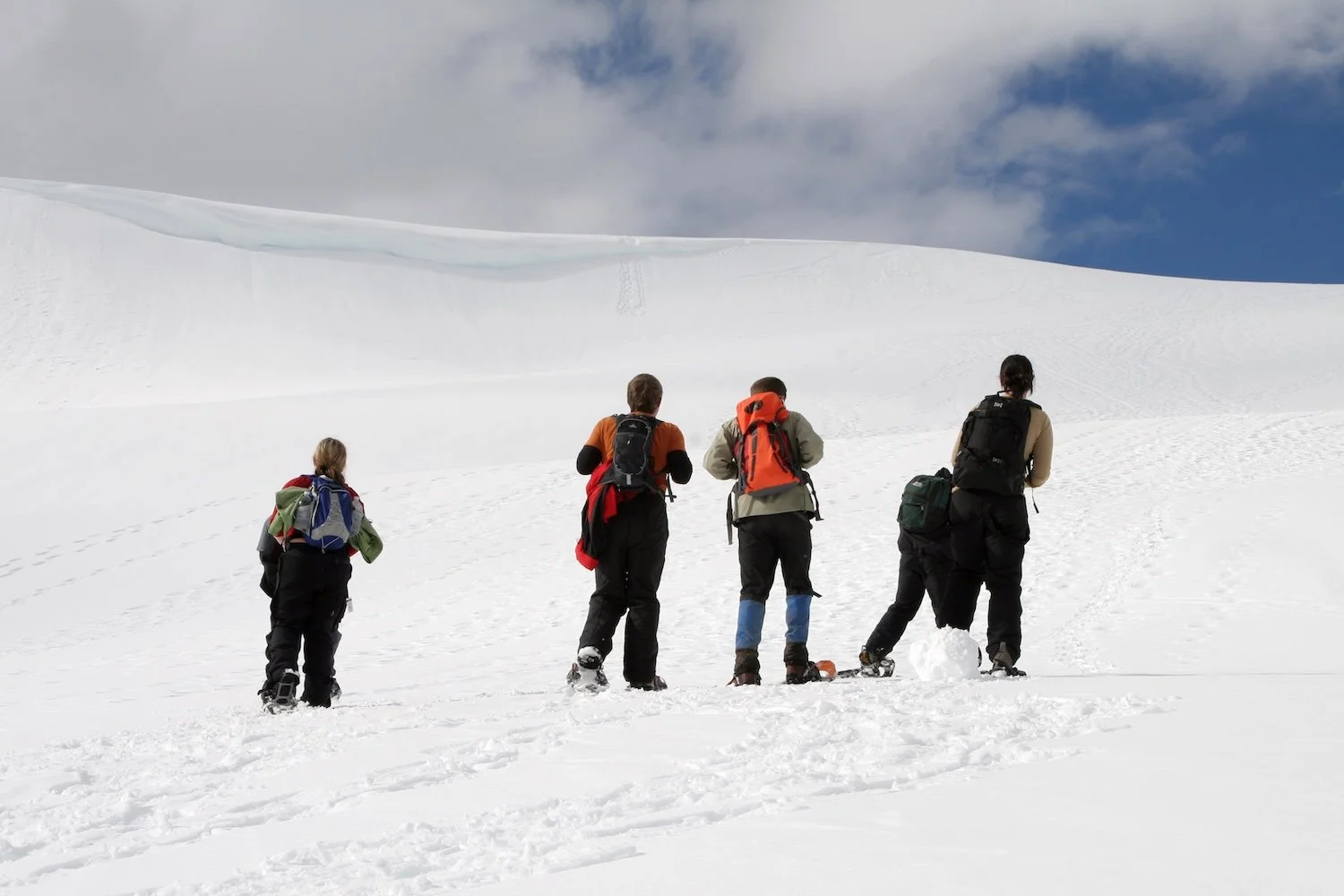
Snowshoeing at Paradise is one of the best winter experiences in Washington. The NPS offers guided snowshoe walks on weekends from the Henry M. Jackson Visitor Center, and the terrain above Longmire is accessible even when the upper road is closed. Chain requirements are common from November through April. Check conditions before you leave Seattle.
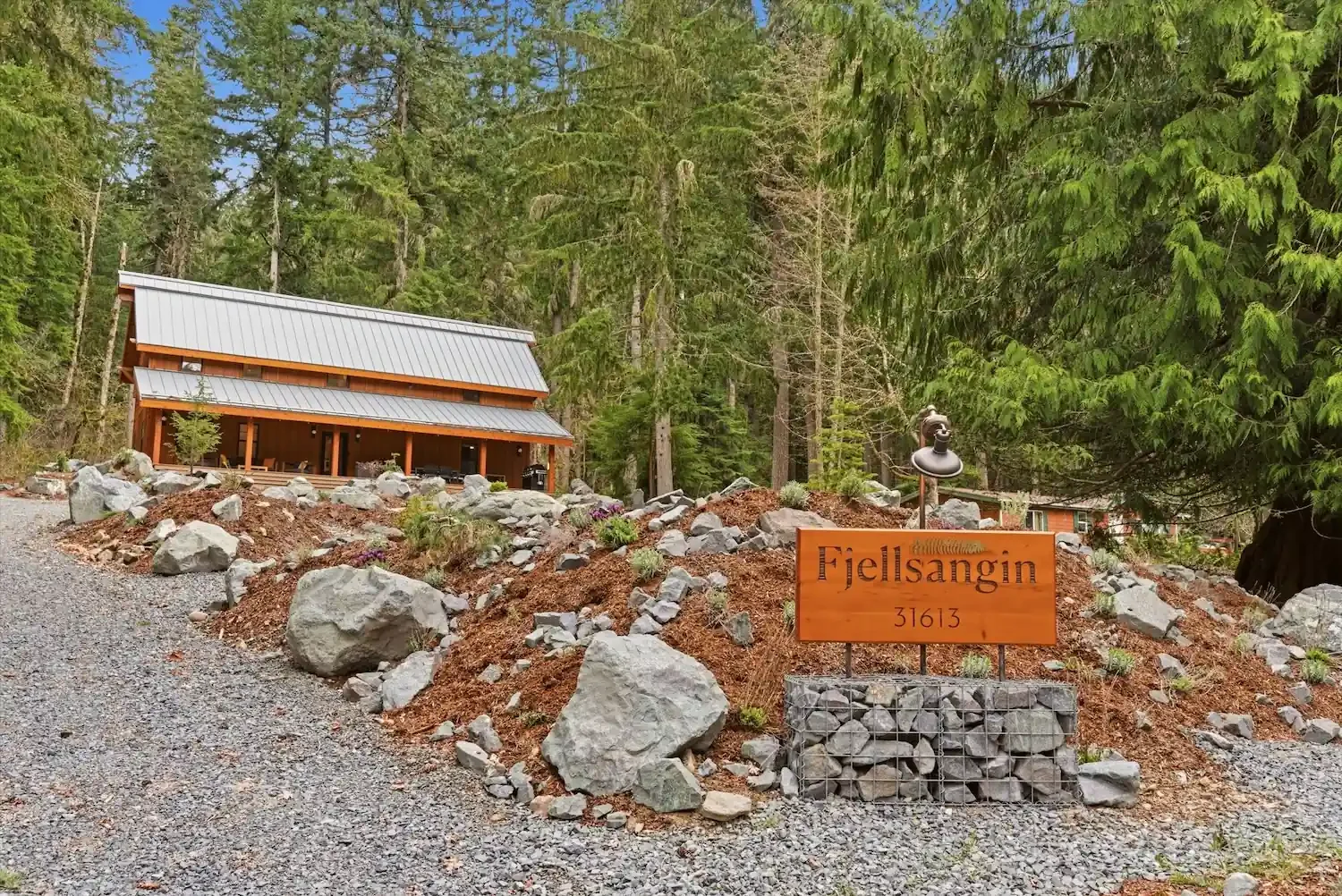
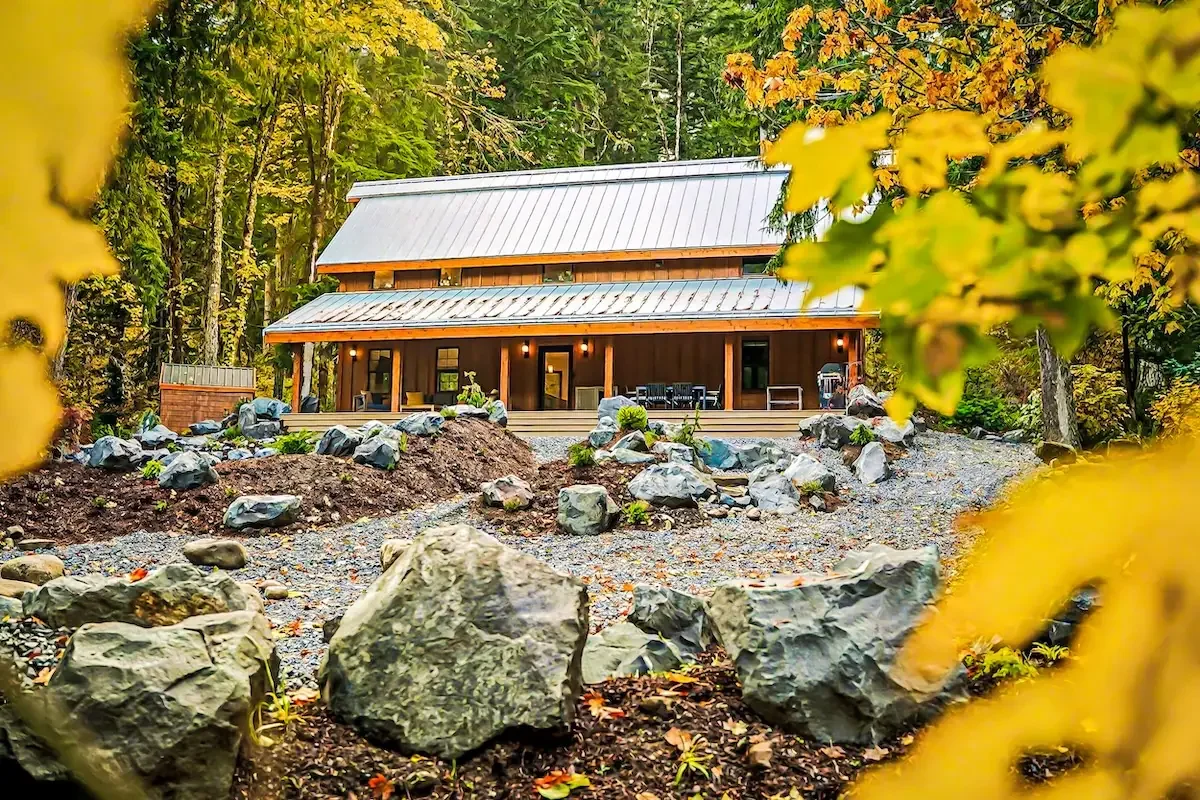
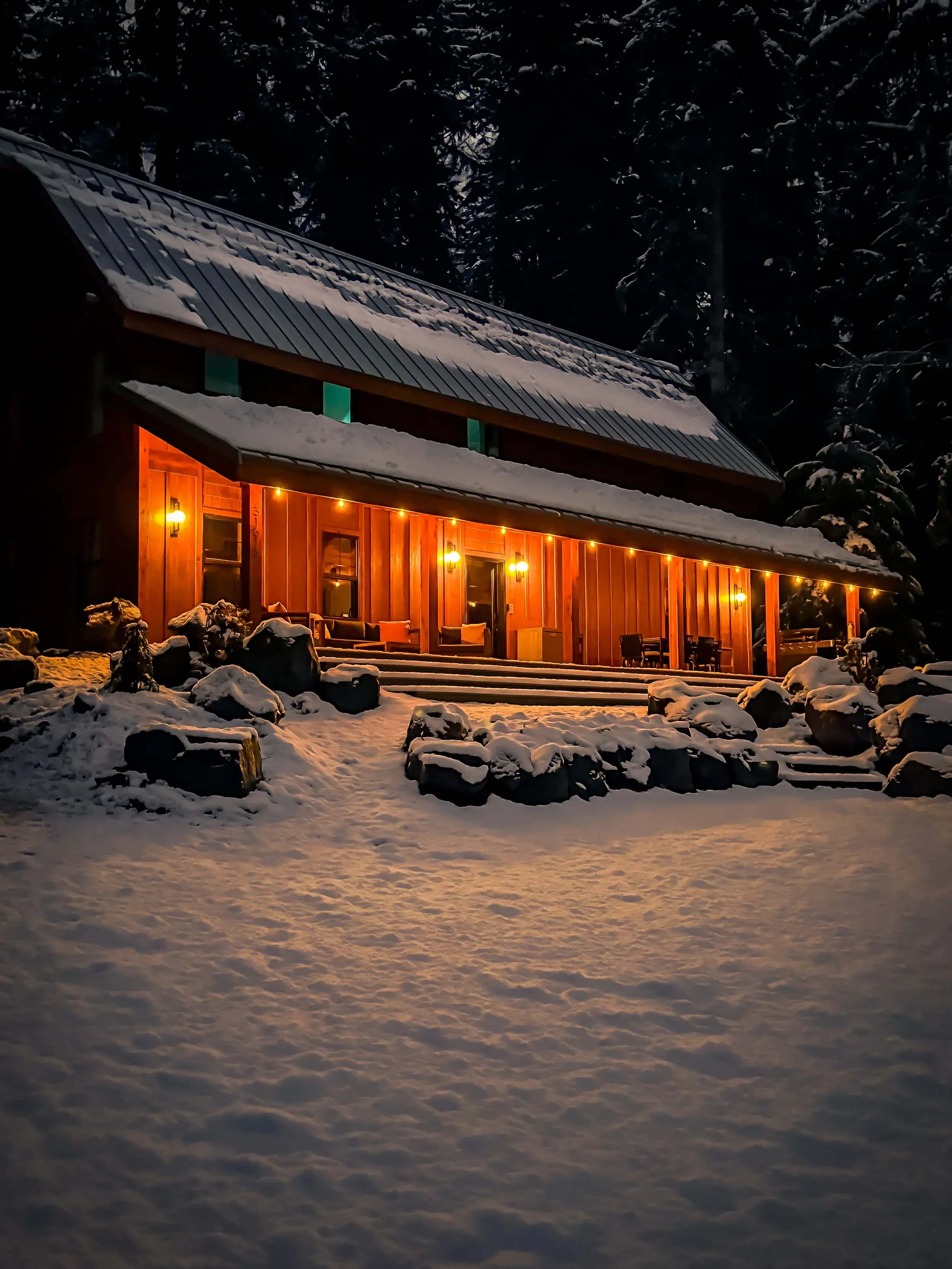
Fjellsangin sits at about 1,700 feet in Ashford, low enough that snow is intermittent. Some winter mornings look like rain. Others, the property wakes up under a light dusting and goes quiet in a specific way. The Jøtul gas fireplace was built for this. So was the cedar-lined sauna.
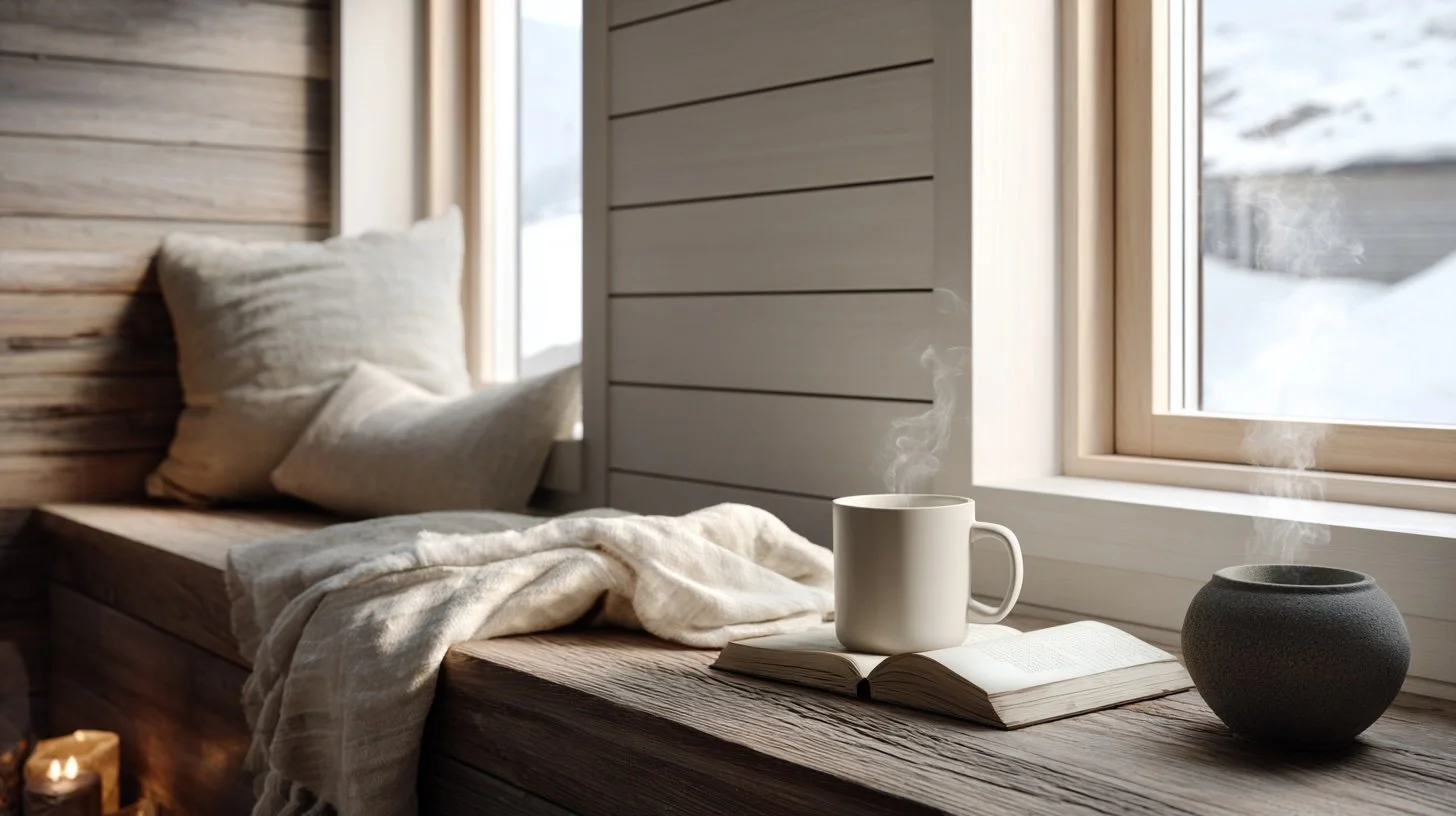
A winter morning at Fjellsangin has a particular quality. Stay in bed. Brew a DCR coffee. Read. There's no obligation to rush out into the cold, and the cabin is warm enough that you might not want to leave until noon. That's not a failure of ambition. That's the whole point of winter here.
Spring (April–June): Waterfalls, Mud, and the Mountain Waking Up
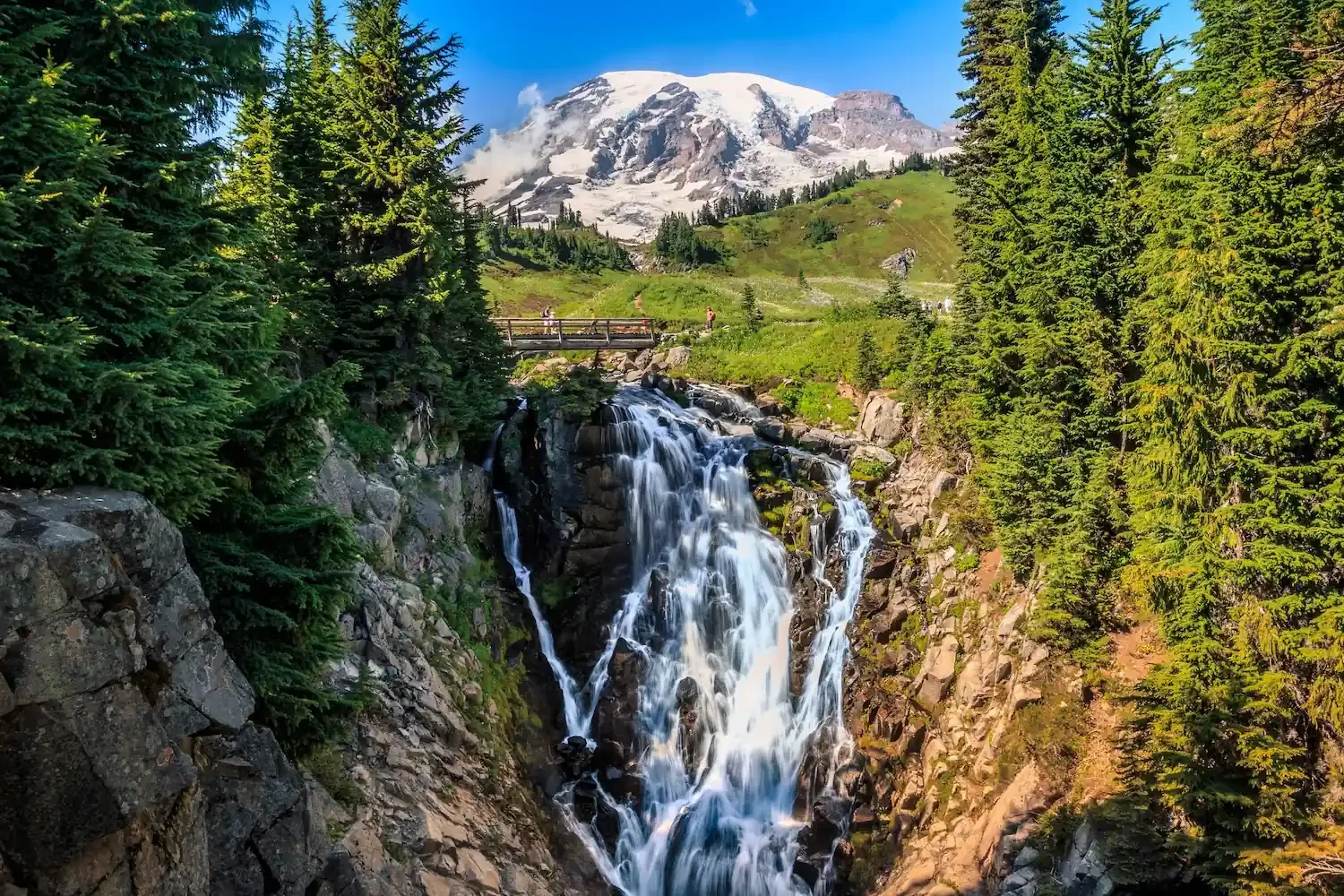
Spring is the most honest season at Rainier. Lower trails start opening in April, and the waterfalls hit their peak as snowmelt runs into every creek and cascade in the park. Christine Falls and Narada Falls thunder in May in a way photos don't capture. By late June, the meadows at Paradise begin emerging from the last patches of snow.
Weather swings without warning. Fifty-five degrees and clear one afternoon, thirty-eight and raining by evening. The Mount Rainier road status page becomes a daily habit. Spring rewards people who can let go of the plan.
Wildflowers at high elevation don't appear until July at the earliest. But the lower meadows start to green in late June, and the park has an energy then that's different from any other time of year.
So, What's the Best Time to Visit Mount Rainier?
It depends on what you're after. Summer means full trail access, wildflowers at Paradise, and manageable crowds if you arrive early or visit midweek. Fall is quieter: vine maple color, fewer people, and the lower corridor is still open. Winter means snowshoeing, almost no one, and the version of Rainier that most visitors never see. Spring brings waterfalls at their best and the feeling of arriving just ahead of the season.
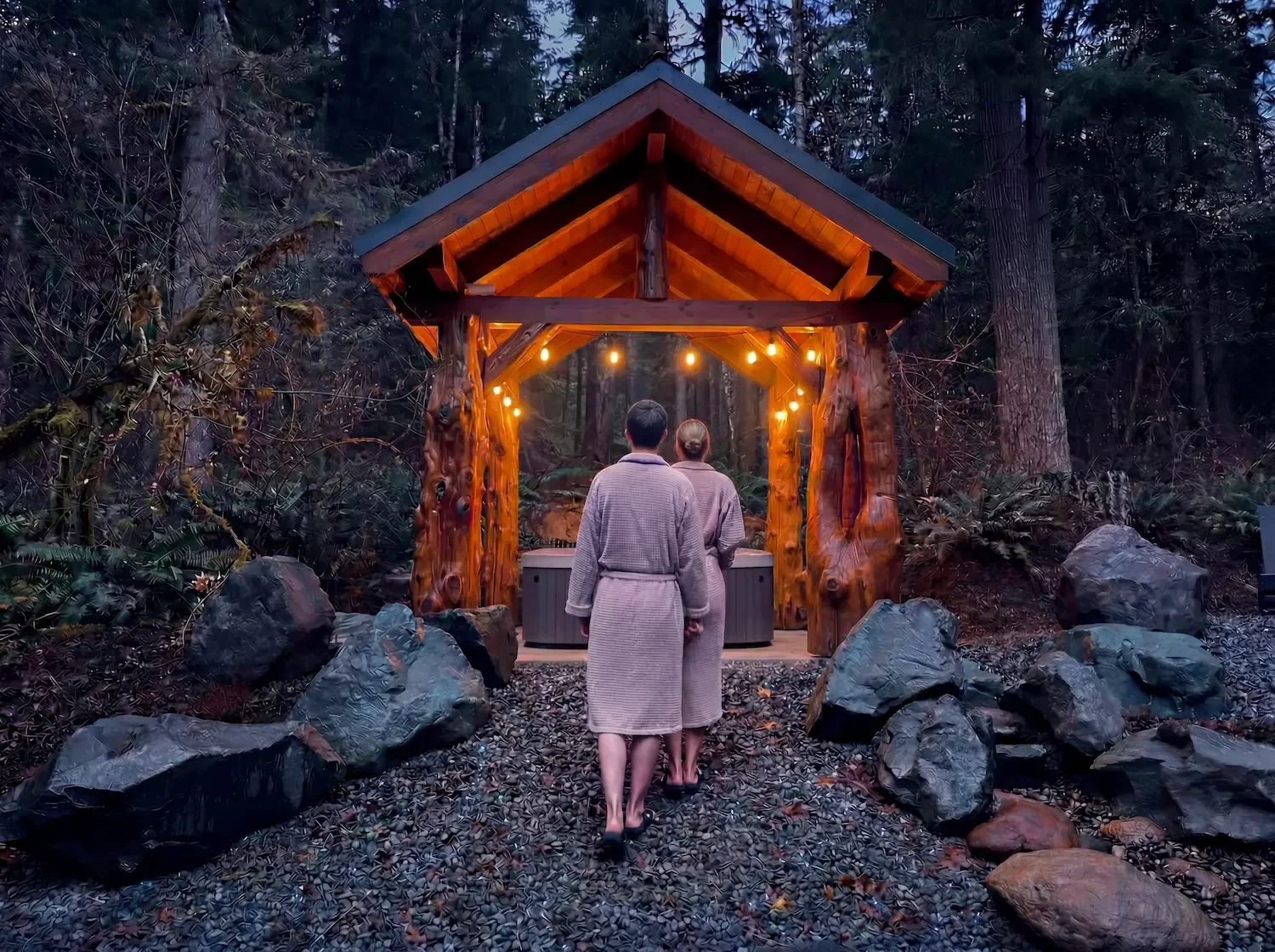
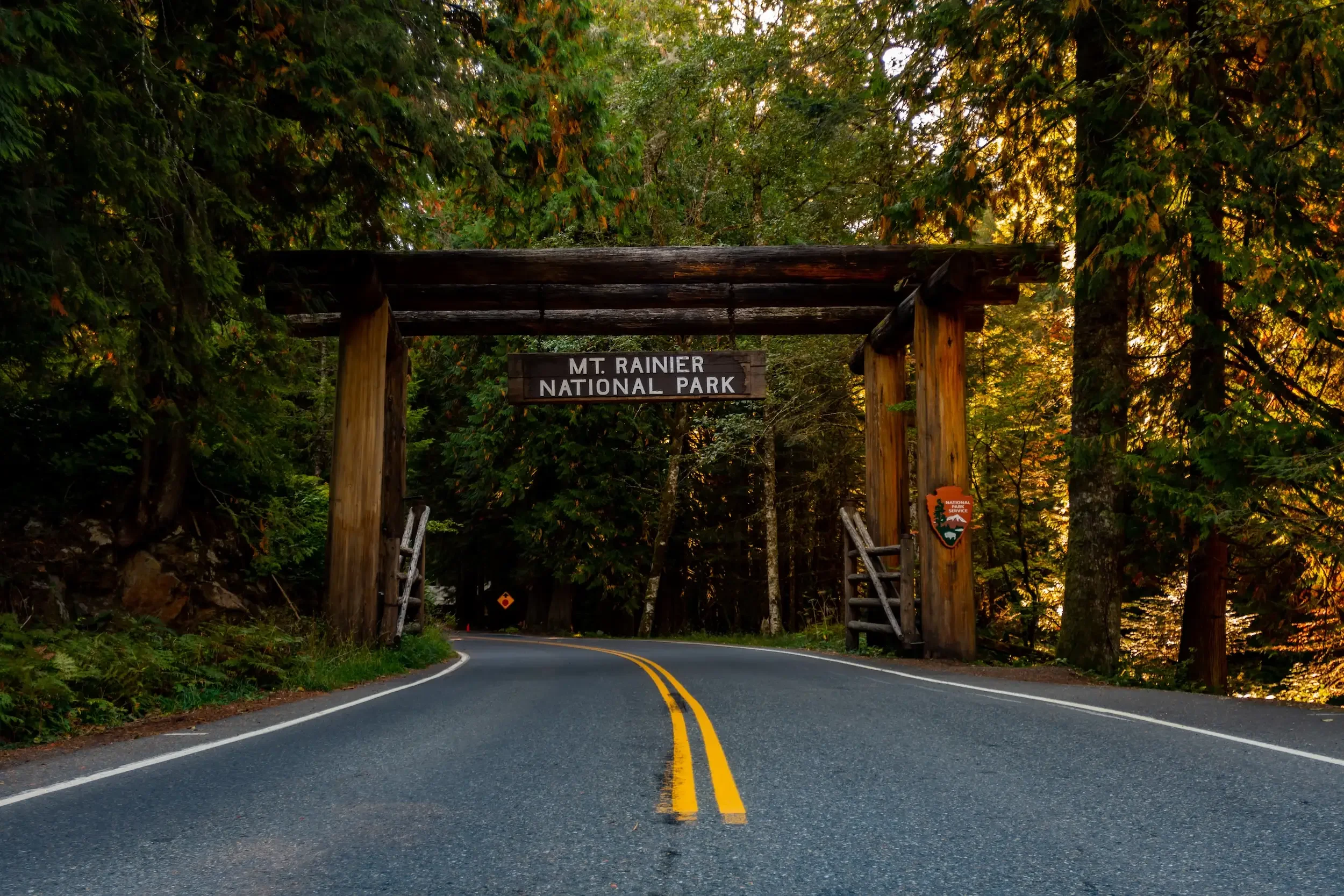
From Fjellsangin, you’re about ten minutes from the Nisqually Entrance year-round. The cedar-lined sauna runs in every season. So does the covered hot tub pavilion. Whichever season you choose, the cabin is built for it.